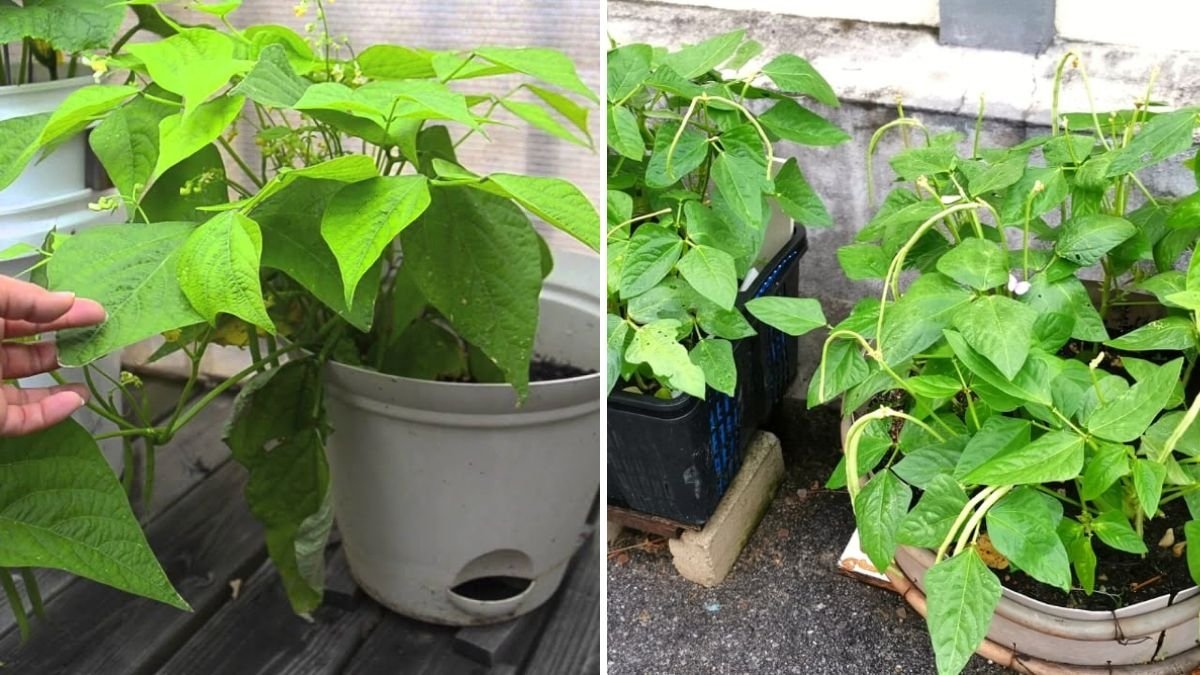
Gardening at home has never been easier or more efficient than it is today. With the advent of innovative techniques like vertical gardening and automatic watering systems, even those with limited space or busy schedules can enjoy fresh, home-grown vegetables year-round. Whether you live in a small apartment, have a modest backyard, or simply want to maximize your yield, these modern gardening solutions make it possible to grow a thriving vegetable garden with minimal effort.
Why Grow Vegetables at Home?
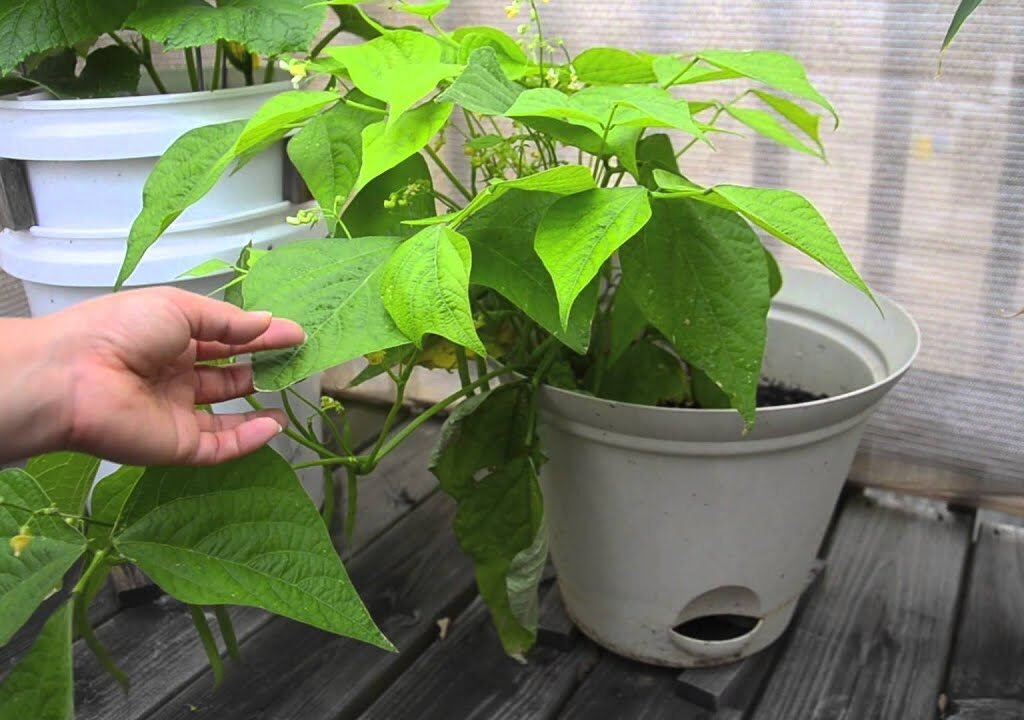
Home gardening has gained immense popularity in recent years, and for good reasons. Growing your own vegetables allows you to:
- Ensure Freshness and Nutrition: Nothing beats the taste and nutrition of vegetables picked fresh from your garden. Home-grown vegetables often retain more nutrients than store-bought produce that travels long distances.
- Save Money: Buying vegetables from the market every week can add up. Growing your own at home reduces grocery bills significantly.
- Control Chemicals and Pesticides: By managing your garden yourself, you can avoid harmful pesticides and chemicals, making your vegetables healthier and safer.
- Promote Sustainability: Growing your own vegetables reduces carbon footprints associated with food transportation and packaging.
Understanding Automatic Watering Systems
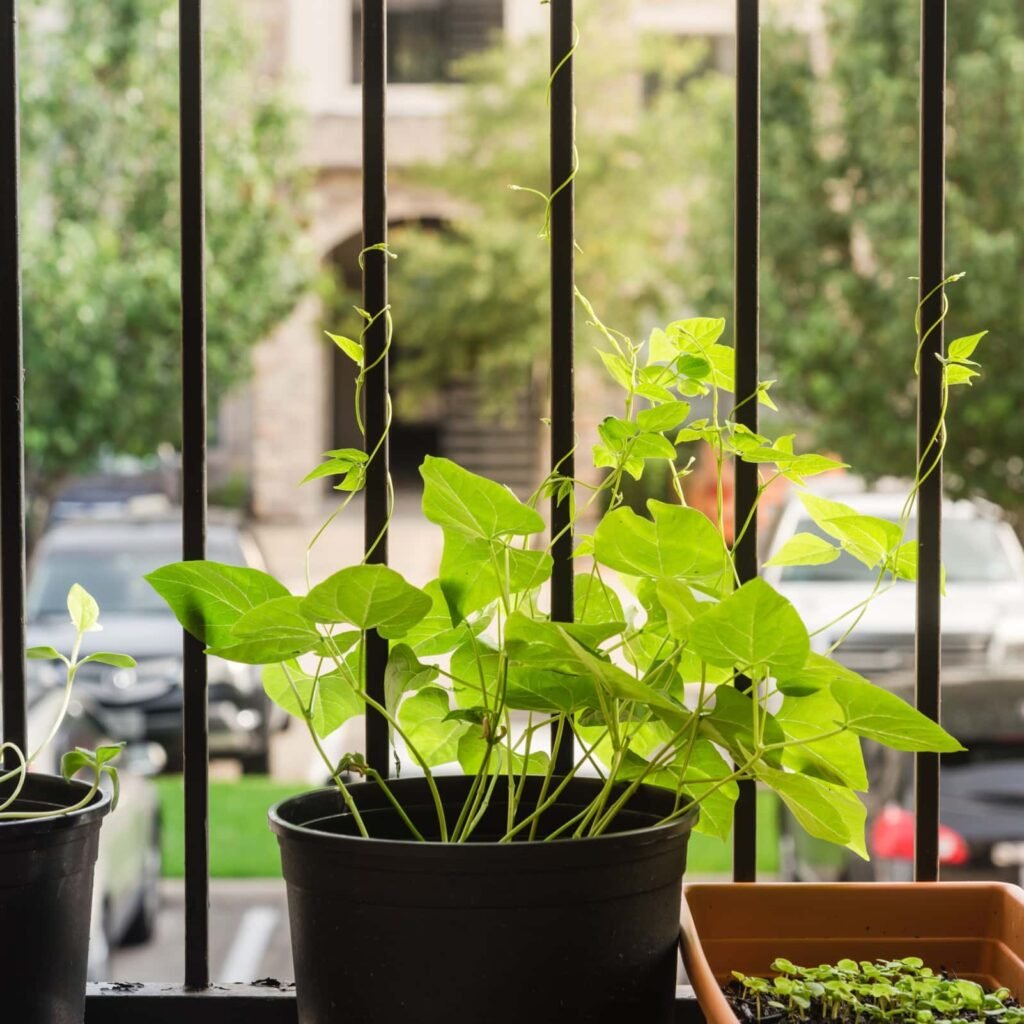
One of the biggest challenges in home gardening is consistent watering. Overwatering or underwatering can seriously affect plant growth, while daily manual watering can be time-consuming. This is where automatic watering systems come in handy.

Automatic watering systems are designed to deliver precise amounts of water directly to the plant roots. They come in various forms, including:
- Drip Irrigation Systems: These systems deliver water slowly and directly to the plant’s roots, reducing water wastage and promoting healthy growth.
- Self-Watering Containers: Perfect for balcony or indoor gardening, these containers store water in a reservoir and allow the plant to absorb it as needed.
- Sprinkler or Soaker Hoses: These are ideal for larger gardens and can be set on timers for scheduled watering.
By using automatic watering, gardeners can ensure their plants are watered consistently, saving time and preventing stress on the plants due to irregular watering.
The Benefits of Vertical Vegetable Gardening
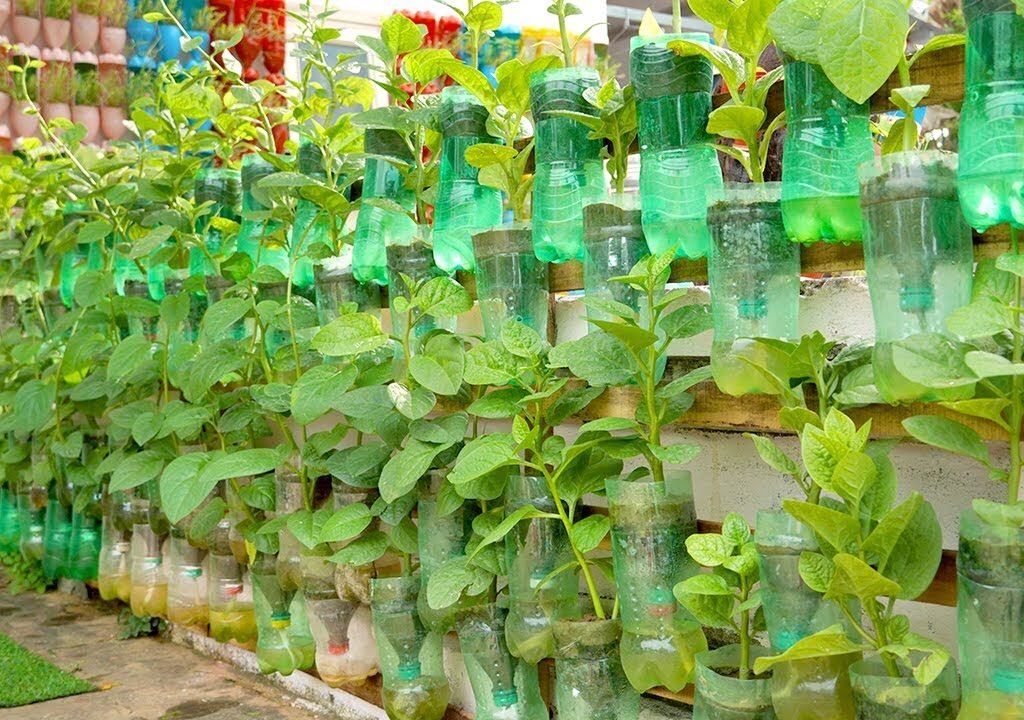
Space can be a limitation for many home gardeners, especially in urban areas. Vertical gardening provides a practical solution by allowing you to grow upwards instead of outwards. This method involves stacking planters, using wall-mounted containers, or creating tiered structures to grow vegetables.

Benefits of Vertical Gardening:
- Maximized Space: Vertical gardens are ideal for small balconies, patios, or limited yard space. You can grow a variety of vegetables without needing a large plot of land.
- Improved Air Circulation: Growing vegetables vertically reduces the risk of soil-borne diseases and improves air circulation around the plants.
- Ease of Maintenance: Vertical gardens make planting, watering, and harvesting easier as they reduce bending and reaching.
- Aesthetic Appeal: A vertical vegetable garden is not only functional but also adds a beautiful, green element to your home décor.
Planning Your Vertical Vegetable Garden
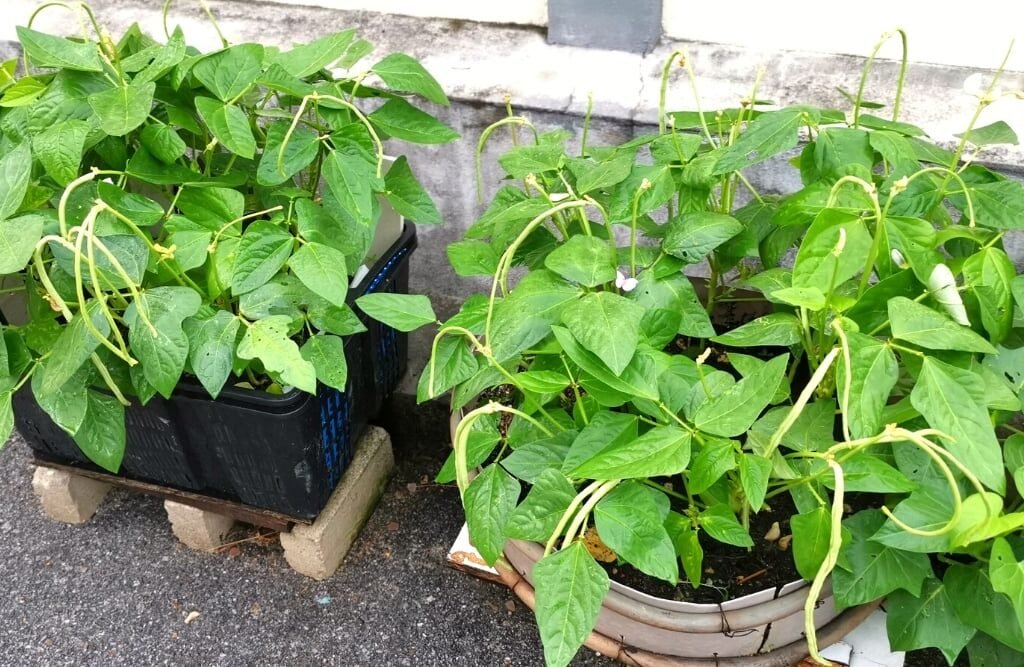
Before setting up your vertical vegetable garden, consider the following steps to ensure success:
- Choose the Right Vegetables: Leafy greens like lettuce, spinach, and kale, along with herbs such as basil, mint, and coriander, are perfect for vertical gardens. Other vegetables like cherry tomatoes, peppers, and beans can also thrive in vertical setups.
- Select Appropriate Containers: You can use hanging pots, stacked planters, wooden pallets, or even recycled plastic bottles to build a vertical garden. Ensure the containers have proper drainage.
- Positioning: Place your vertical garden in a location that receives adequate sunlight, ideally 4-6 hours of direct sunlight per day.
- Soil and Fertilizer: Use a light, nutrient-rich potting mix and supplement it with organic fertilizers to keep your plants healthy.
Integrating Automatic Watering with Vertical Gardens
Combining vertical gardening with automatic watering systems can make vegetable cultivation incredibly efficient. Drip irrigation systems can be customized to feed each level of your vertical garden, ensuring all plants receive the right amount of water. Self-watering planters work exceptionally well for herbs and smaller vegetables in stacked containers.

Tips for Effective Integration:
- Check Water Flow: Ensure water reaches all levels evenly. You may need to adjust tubing or add emitters.
- Monitor Moisture Levels: Even with automatic watering, periodically check soil moisture to prevent overwatering or drying out.
- Use Timers: Set timers to water your garden at optimal times, such as early morning or late evening, to minimize evaporation.
Maintenance and Care
Even with automatic systems and vertical setups, regular maintenance is key for a productive garden.
- Pruning and Harvesting: Regularly prune plants to encourage growth and remove any dead or yellowing leaves. Harvest vegetables promptly to promote continued production.
- Pest Control: Monitor your garden for pests and diseases. Use organic pesticides or natural remedies when necessary.
- Nutrient Management: Fertilize periodically to replenish essential nutrients in the soil. Organic compost or liquid fertilizers are great options.
- Support Structures: For climbing plants like beans or tomatoes, ensure you provide support such as trellises or stakes to keep them upright and healthy.
Popular Vegetables for Vertical Gardening
Some of the best vegetables for vertical gardening include:

- Leafy Greens: Spinach, lettuce, kale, Swiss chard
- Herbs: Basil, mint, coriander, parsley
- Fruiting Vegetables: Cherry tomatoes, peppers, cucumbers
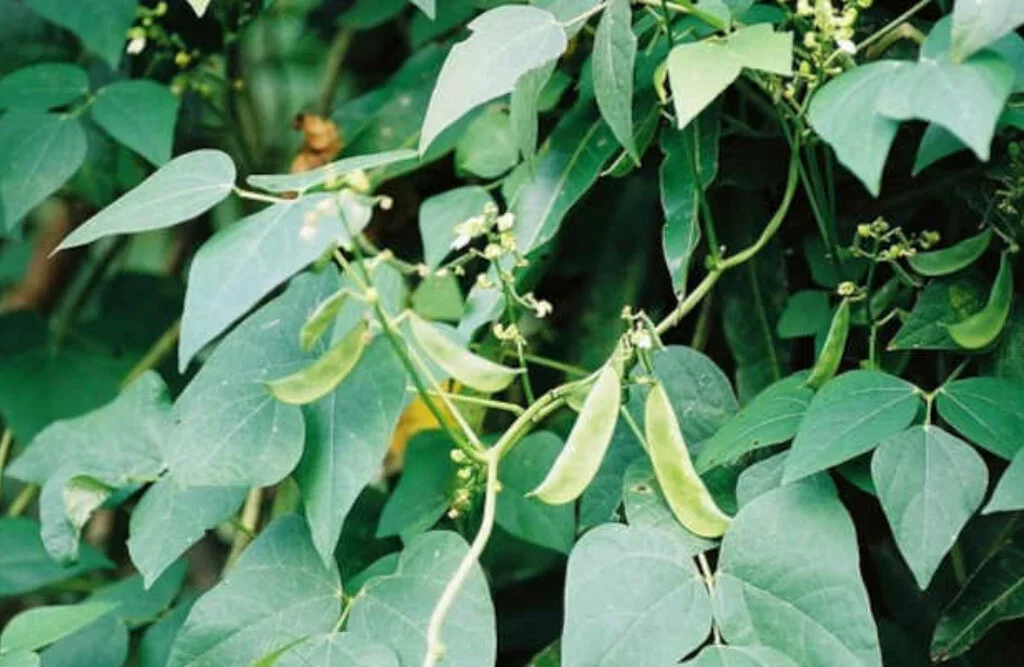
- Climbers: Beans, peas, small pumpkins
These vegetables adapt well to container life, thrive with limited soil, and are ideal for home gardeners who want high yields in small spaces.
Advantages of Year-Round Vegetable Gardening
By adopting vertical gardening and automatic watering, you can grow vegetables year-round, irrespective of seasons. Indoor setups with grow lights or shaded outdoor balconies can extend growing seasons. This ensures a consistent supply of fresh vegetables, reduces dependence on supermarkets, and makes your meals healthier and more sustainable.
Final Thoughts
Growing vegetables at home is no longer just a hobby; it’s a practical and rewarding lifestyle choice. Vertical gardens combined with automatic watering systems are transforming how urban dwellers cultivate their food. Not only do these systems save time and water, but they also help maximize space, boost productivity, and ensure your vegetables remain fresh and nutritious.

Whether you are a beginner or an experienced gardener, integrating these modern techniques into your home garden can lead to abundant harvests, healthier meals, and a greener living environment. Start small, experiment with different setups, and soon you’ll enjoy the benefits of a thriving home-grown vegetable garden all year round.

Leave A Comment