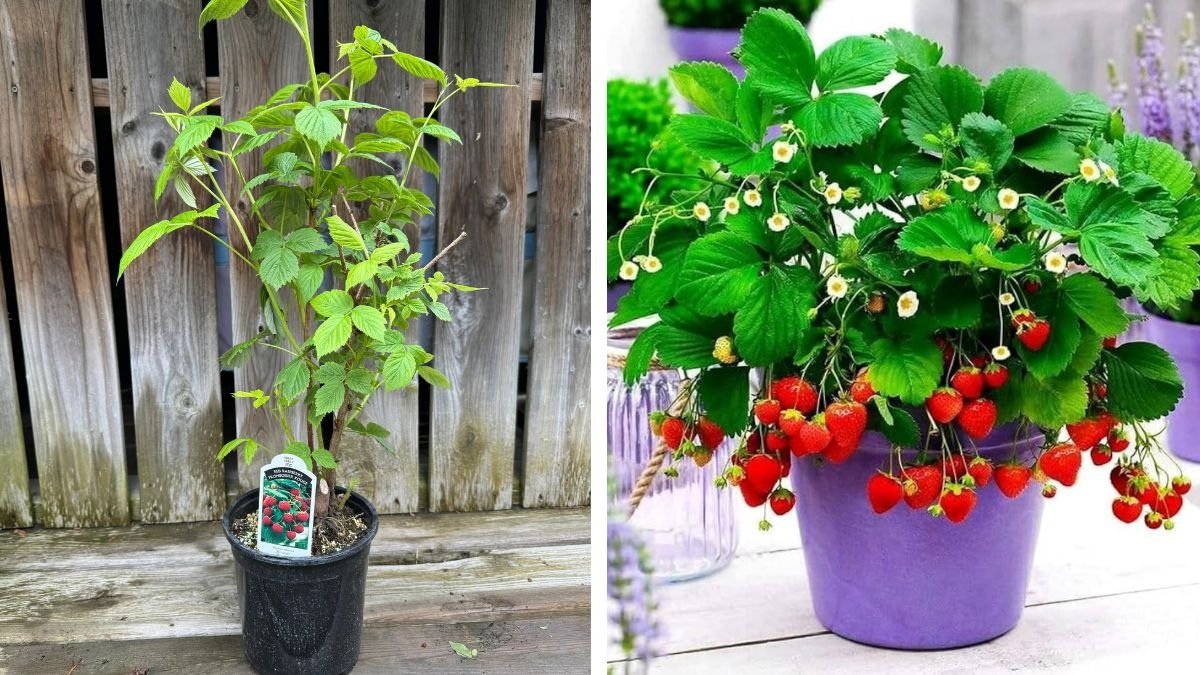
Raspberries are among the most rewarding fruits to grow at home — they’re sweet, tangy, rich in antioxidants, and perfect for everything from fresh snacking to desserts and jams. If you’ve ever dreamed of harvesting your own basket of juicy raspberries right from your garden or patio, this comprehensive Raspberry Planting Guide will show you exactly how to do it.
In this 1200-word guide, you’ll learn about the ideal soil, sunlight requirements, pH balance, fertilizing techniques, and the complete process of growing and caring for raspberries. Whether you’re planting them in the ground, in raised beds, or even containers, this step-by-step guide will help you grow healthy, vigorous raspberry plants that produce bountiful harvests year after year.
1. Understanding Raspberry Plants
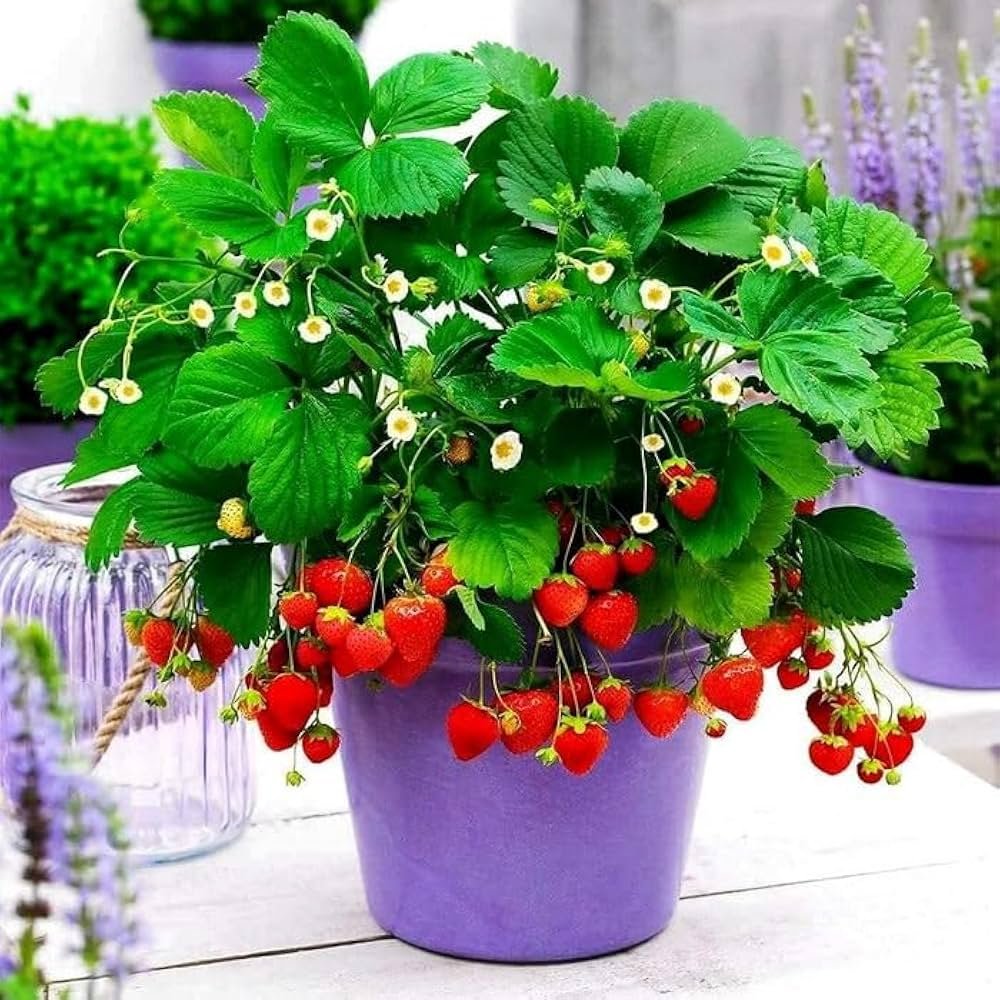
Raspberries are perennial fruiting plants that belong to the rose family. While the canes (stems) live for two years, the root system can thrive for many years if well cared for.
There are two main types of raspberry plants:
- Summer-bearing raspberries: Produce one large crop in early to mid-summer.
- Ever-bearing (or fall-bearing) raspberries: Produce two crops — one in summer and a lighter one in fall.
Choosing the right type depends on your climate and how often you’d like to harvest. Ever-bearing varieties like Heritage or Autumn Bliss are ideal for home gardens because they extend the fruiting season.
2. Choosing the Right Location for Planting
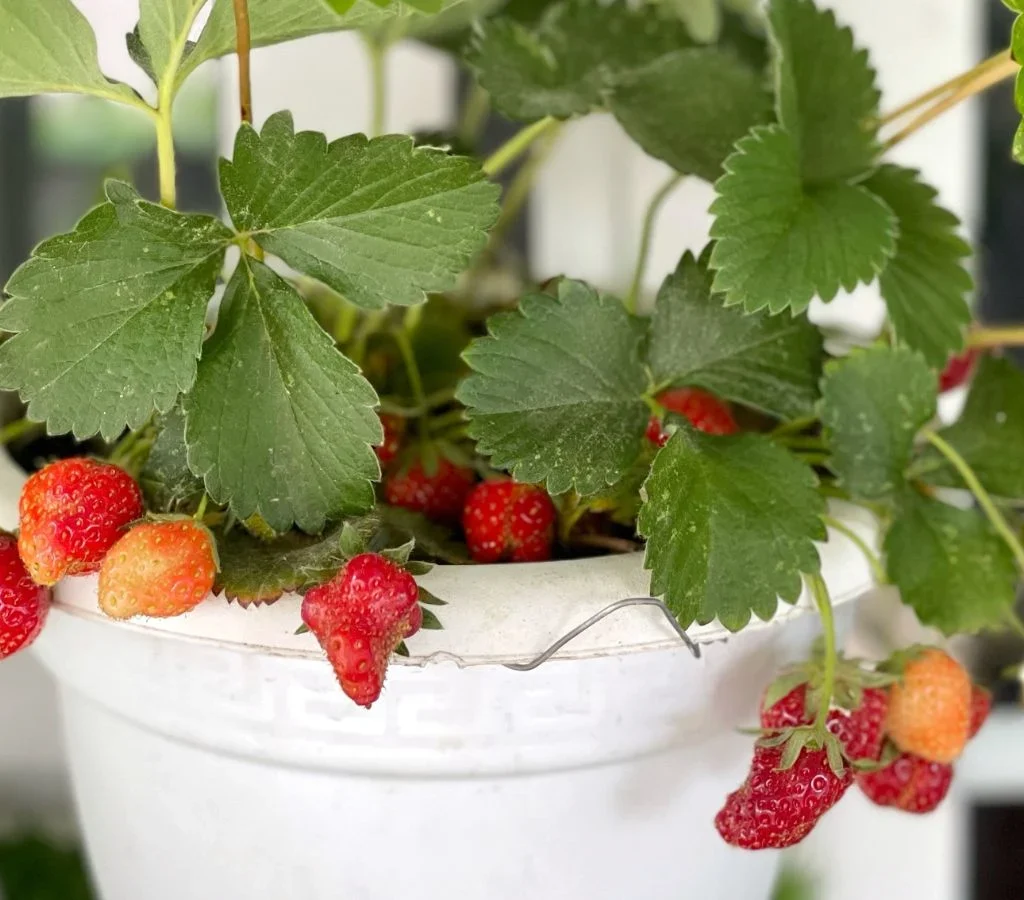
Raspberries love sunlight! Choose a location that gets at least 6–8 hours of direct sunlight every day. More sun leads to sweeter fruits.
Avoid areas with heavy shade, as this can cause weak growth and reduced fruit yield. Also, ensure good air circulation to prevent fungal diseases.

If you’re growing raspberries in a region with hot summers, a little afternoon shade can help protect the plants from excessive heat.
3. The Ideal Soil for Raspberries
Raspberries thrive best in loose, well-draining, fertile soil that’s rich in organic matter. Heavy clay or waterlogged soil can cause root rot, while sandy soils dry out too fast.
Here’s how to prepare the perfect soil mix:
- Loamy soil enriched with organic compost is ideal.
- Add aged manure or compost before planting for nutrition.
- For poor soils, add well-rotted leaf mold or coco peat to improve structure.
If planting in containers or raised beds, use a mix of:
- 40% garden soil
- 30% compost or aged manure
- 20% coco peat or peat moss
- 10% sand or perlite for aeration
This mixture provides excellent drainage and nutrition for raspberry roots.
4. The Perfect pH for Raspberry Plants
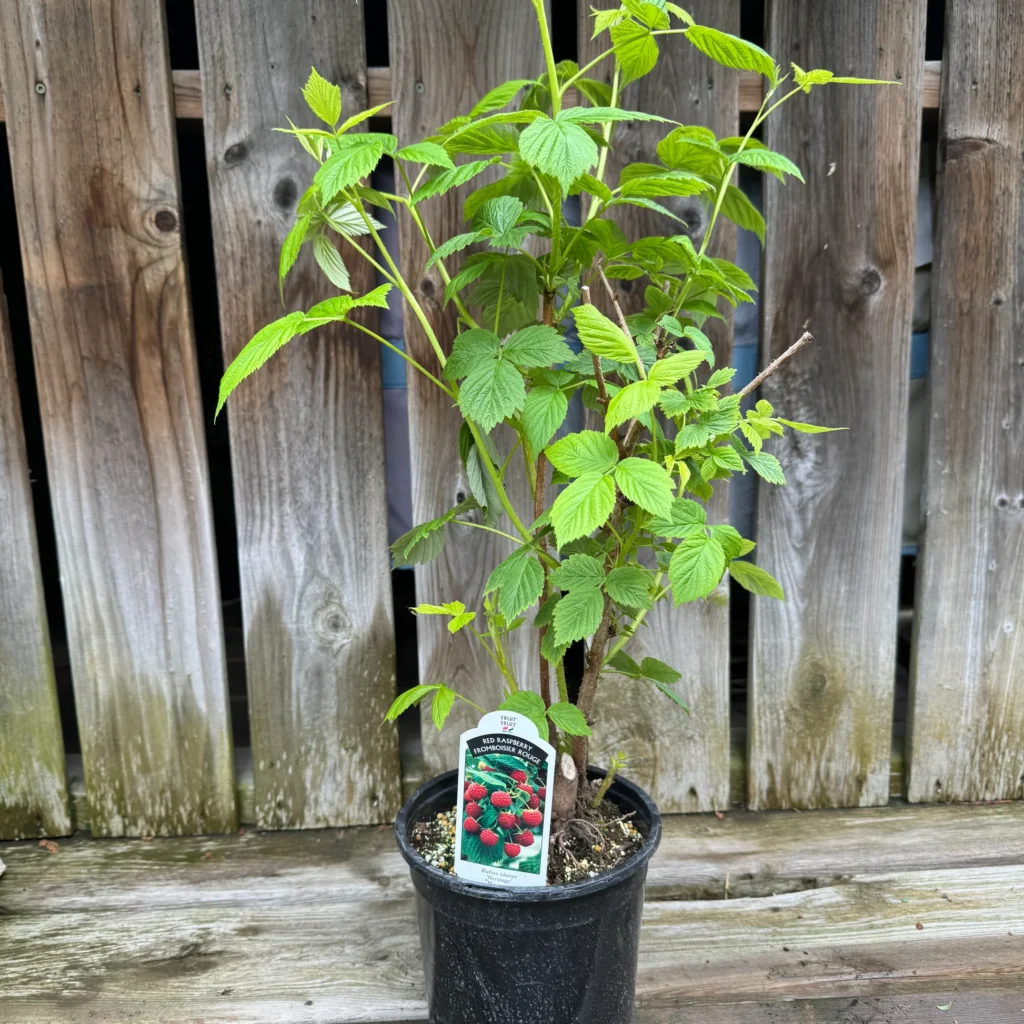
Soil pH plays a crucial role in the health of raspberry plants. Raspberries prefer a slightly acidic soil, with a pH between 5.5 and 6.5.
If your soil is too alkaline (above 7), you can lower the pH by:

- Adding elemental sulfur or sphagnum peat moss.
- Watering occasionally with diluted vinegar (1 tablespoon per gallon of water).
If the soil is too acidic (below 5), mix in garden lime to balance it.
Testing your soil pH before planting ensures your plants can absorb nutrients efficiently — a small step that makes a big difference in growth and fruiting.
5. Planting Raspberries: Step-by-Step
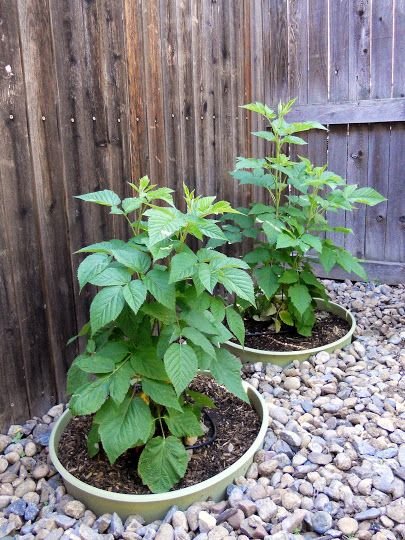
Step 1: Prepare the Bed or Container
- For garden beds, loosen the soil up to 12–15 inches deep.
- For containers, choose one that’s at least 18–20 inches wide and 16 inches deep.
Step 2: Space the Plants
- Space raspberry plants about 2–3 feet apart in rows that are 6–8 feet apart.
- If growing in containers, plant one cane per pot for best results.
Step 3: Planting
- Dig a hole deep enough to cover the roots but not the crown.
- Spread the roots gently in the hole and cover with soil.
- Water thoroughly after planting to settle the soil around the roots.
Step 4: Mulching
Apply a 2–3 inch layer of organic mulch (like straw, dry leaves, or pine needles) to retain moisture, regulate temperature, and suppress weeds.
6. Sunlight and Temperature Requirements
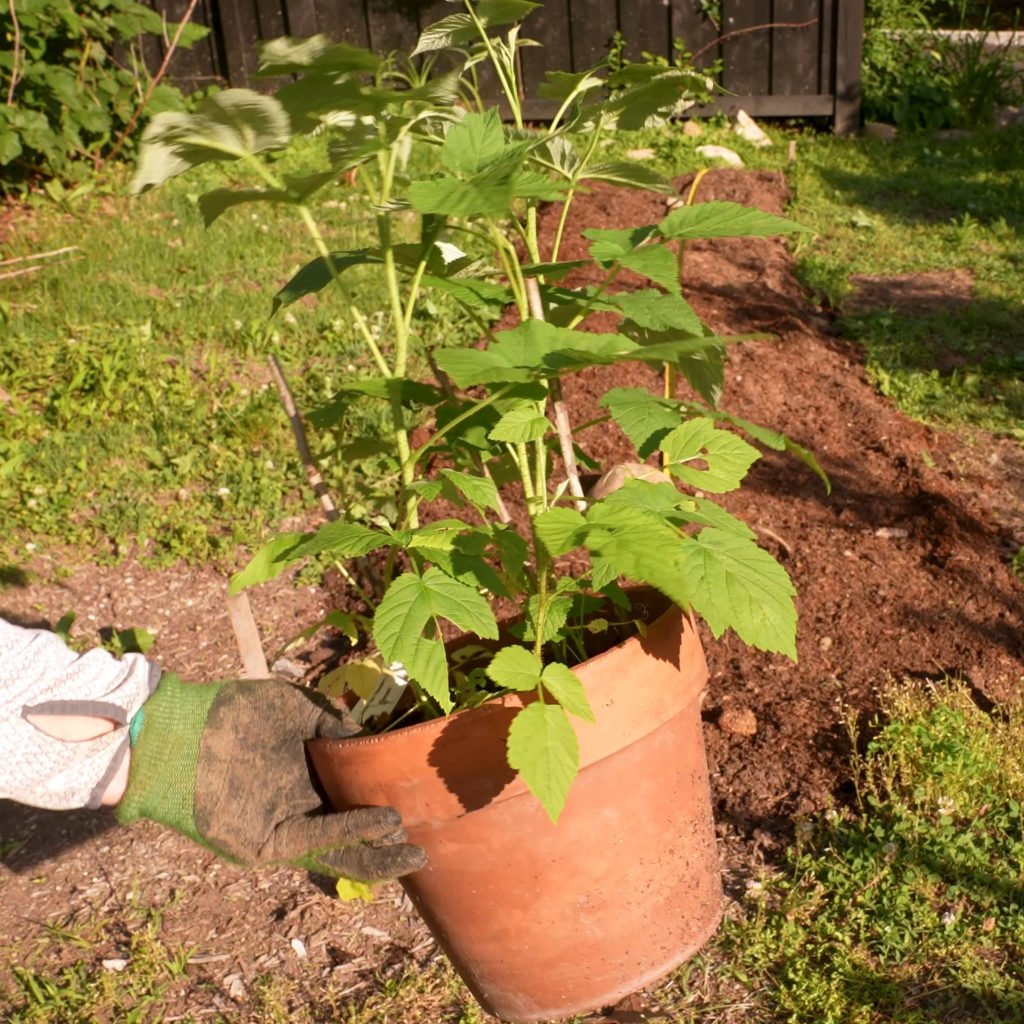
Raspberries love bright, direct sunlight but also appreciate moderate temperatures. The ideal growing temperature range is between 18°C and 26°C (65°F–80°F).
In extremely hot regions, provide light shade during the afternoon to prevent scorching. Conversely, in cooler areas, choose early-bearing varieties that ripen before frost.
7. Watering Raspberries Properly
Raspberries need consistent moisture, especially when fruiting. The soil should stay evenly moist but not waterlogged.
- Frequency: Water deeply 2–3 times per week during dry spells.
- Method: Use a drip irrigation system or water at the base to avoid wetting the foliage (which can cause fungal problems).
- Tip: Mulching helps maintain soil moisture and reduce watering needs.
Avoid overwatering, as soggy roots lead to poor growth and root diseases.

8. Fertilizing Raspberries for Healthy Growth
Raspberries are heavy feeders, particularly during the growing and fruiting stages. A good fertilization routine ensures strong canes and plenty of sweet berries.
Here’s how to feed them:
At Planting:
Mix compost or well-rotted manure into the soil to provide a slow release of nutrients.
During Growth:
- In early spring, apply a balanced 10-10-10 organic fertilizer or compost tea.
- Once canes start flowering, feed with a high-potassium fertilizer (like banana peel compost or wood ash).
- Avoid excess nitrogen, which promotes leafy growth instead of fruiting.
After Harvest:
Top-dress the soil with compost to rejuvenate the plants for the next growing cycle.
9. Supporting Raspberry Canes
As raspberries grow taller, their canes can become heavy with fruit and start bending. To prevent this, install a support system such as a trellis or stake.
- Drive sturdy stakes into the ground every 4–6 feet.
- Use garden twine or wire to tie the canes loosely for support.
- For container raspberries, insert a small bamboo stake or trellis directly into the pot.
Proper support keeps the canes upright, improves air circulation, and makes harvesting easier.
10. Caring for Your Raspberry Plants
To keep your raspberries healthy and productive, follow these key care practices:

Pruning:
- After fruiting, remove old canes (those that already produced berries).
- Leave only strong new canes for next season’s crop.
- In ever-bearing types, prune the top portion after the first harvest for a second fall crop.
Weeding:
Keep the base of the plants free from weeds, as they compete for nutrients and water.
Mulching:
Reapply mulch periodically to maintain moisture and protect roots from temperature extremes.
Winter Care:
In colder climates, cover plants with straw or burlap during winter to protect them from frost damage.
11. Common Raspberry Pests and Diseases
Even with great care, raspberries can attract a few pests and diseases. Here’s how to identify and control them naturally:
- Aphids: Spray neem oil or soapy water to remove them.
- Spider mites: Increase humidity and spray neem oil weekly.
- Fungal issues (like powdery mildew): Avoid overhead watering and ensure proper spacing.
- Root rot: Prevent by using well-draining soil and avoiding overwatering.
Regularly inspect plants and remove infected leaves promptly. Healthy plants are naturally more resistant to pests and diseases.
12. Harvesting Raspberries
The most exciting part of growing raspberries is harvest time!
Raspberries are ready to pick when they are fully colored, slightly soft, and easily pull away from the plant. Don’t force them — ripe berries come off effortlessly.

Harvest every few days during the season, as ripe berries can spoil quickly in warm weather. Store them in the refrigerator for up to 5 days or freeze for long-term use.
13. Pro Tips for Successful Raspberry Growing
- Choose the right variety: If space is limited, go for compact or ever-bearing types.
- Rotate planting spots: Avoid replanting raspberries in the same area for at least 3 years to prevent disease buildup.
- Encourage pollinators: Bees improve fruit yield and size. Avoid chemical pesticides.
- Renew canes: Replace older, less productive canes with new growth each year.
- Patience pays: Raspberries often take one year to establish before producing heavily in the second year.
14. Growing Raspberries in Containers
If you have limited space, raspberries can grow beautifully in large containers.
- Use 18–24 inch pots with good drainage.
- Place them in a sunny spot and water frequently.
- Feed monthly with compost tea or organic fertilizer.
- Provide a trellis or support for canes.
Container-grown raspberries are portable, making it easy to move them to ideal sunlight or protect them from harsh weather.
Final Thoughts
Growing raspberries is one of the most rewarding gardening experiences — the plants are hardy, the fruits are delicious, and with the right care, they’ll provide harvests for years.
By paying attention to soil quality, sunlight, pH balance, and proper fertilization, you can ensure healthy growth and abundant fruiting. Whether in your garden or in containers, a little effort in the beginning will reward you with baskets of sweet, homegrown raspberries season after season.
So, grab your gloves, prepare your soil, and plant your first raspberry canes today — you’ll soon be enjoying nature’s sweetest treasure right from your backyard!

Leave A Comment