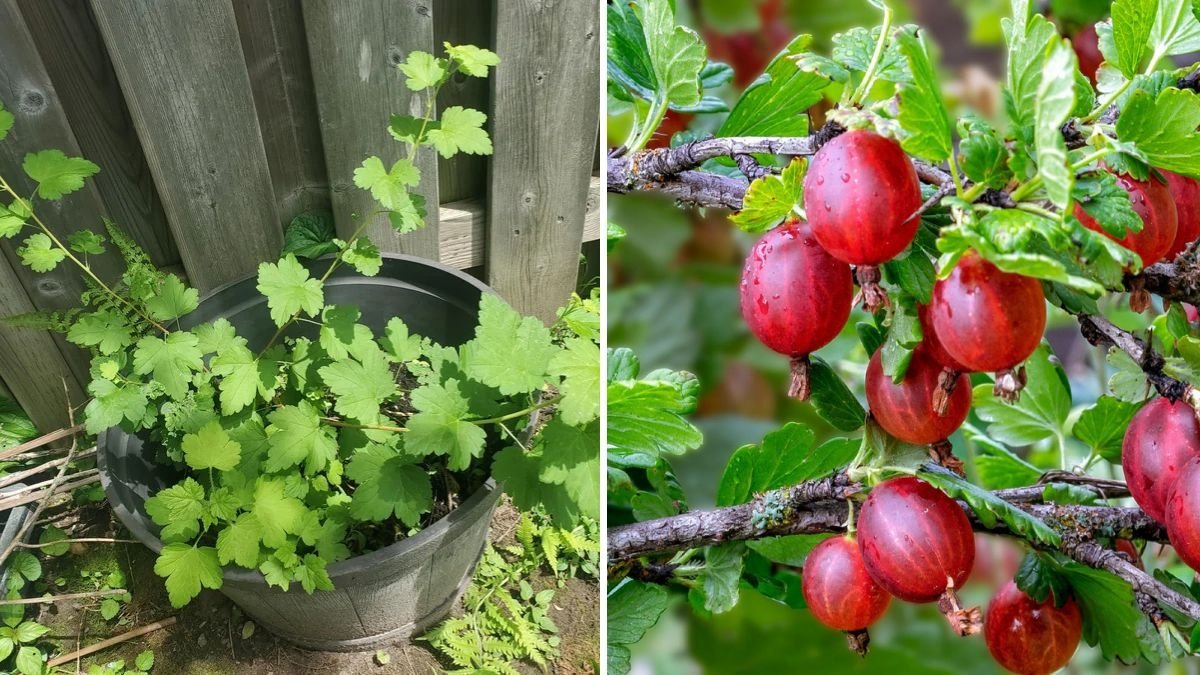
Gooseberries are a hidden gem in the world of home gardening. These small, tart-sweet fruits not only add flavor to jams, pies, and desserts but also pack a punch of nutrition. Despite their humble appearance, gooseberries are incredibly rewarding to grow — especially when you follow the right techniques.
In this comprehensive 1200-word guide inspired by “Raintree Nursery’s Gooseberry Growing Guide!”, we’ll explore everything you need to know about growing gooseberries successfully — from selecting the best varieties and preparing the soil to planting, pruning, and harvesting delicious fruits right from your garden.
Understanding Gooseberries
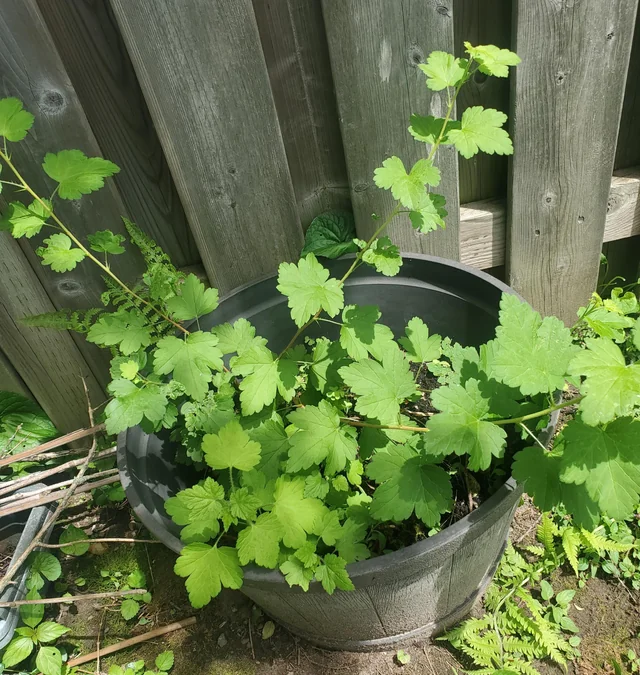
Gooseberries (Ribes uva-crispa) belong to the same family as currants and are native to Europe, North Africa, and parts of Asia. The plants are hardy, low-maintenance shrubs that can thrive in a wide range of climates. Depending on the variety, gooseberries can be green, red, yellow, or purple when ripe — and their flavor ranges from tangy to sweet.
These fruits are excellent for fresh eating, making jams, jellies, and sauces, or even baking into tarts and pies. Plus, they’re rich in vitamin C, antioxidants, and fiber, making them a healthy addition to your diet.
Why Grow Gooseberries at Home?
There are plenty of reasons to add gooseberries to your garden:
- Compact Growth: Gooseberries are small shrubs, ideal for container gardening or small backyard plots.
- Cold Hardiness: They tolerate cold winters and can even withstand frost.
- Productivity: A single mature bush can yield several kilograms of fruit each year.
- Low Maintenance: Once established, gooseberries require minimal care beyond pruning and watering.
- Nutritional Value: Gooseberries are a powerhouse of vitamin C, potassium, and antioxidants that boost immunity and improve skin health.
Best Gooseberry Varieties to Grow
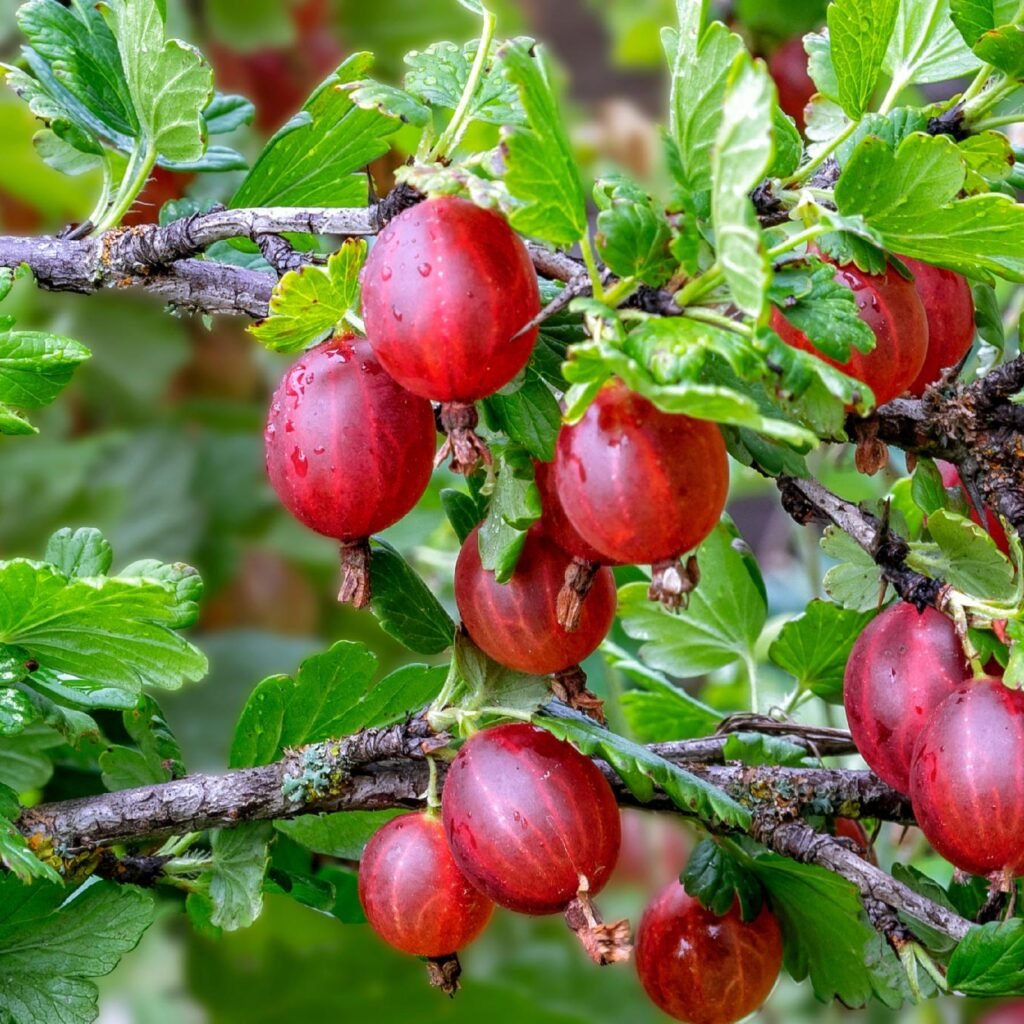
According to expert growers at Raintree Nursery, choosing the right variety is the key to success. Some gooseberries are better suited for eating fresh, while others are ideal for cooking or preserving.
Here are some popular options:

- Invicta: High-yielding, green fruits with excellent disease resistance. Great for pies and jams.
- Hinnonmaki Red: A popular European variety with sweet-tart red berries. Perfect for fresh eating.
- Pixwell: Thornless variety that produces light pink, juicy berries.
- Captivator: Nearly thornless, with large red berries and good resistance to mildew.
- Hinnomaki Yellow: Produces golden fruits with a tangy-sweet flavor.
If you’re new to gooseberries, start with a disease-resistant, thornless type like Captivator or Pixwell for easier handling and care.
Ideal Growing Conditions for Gooseberries
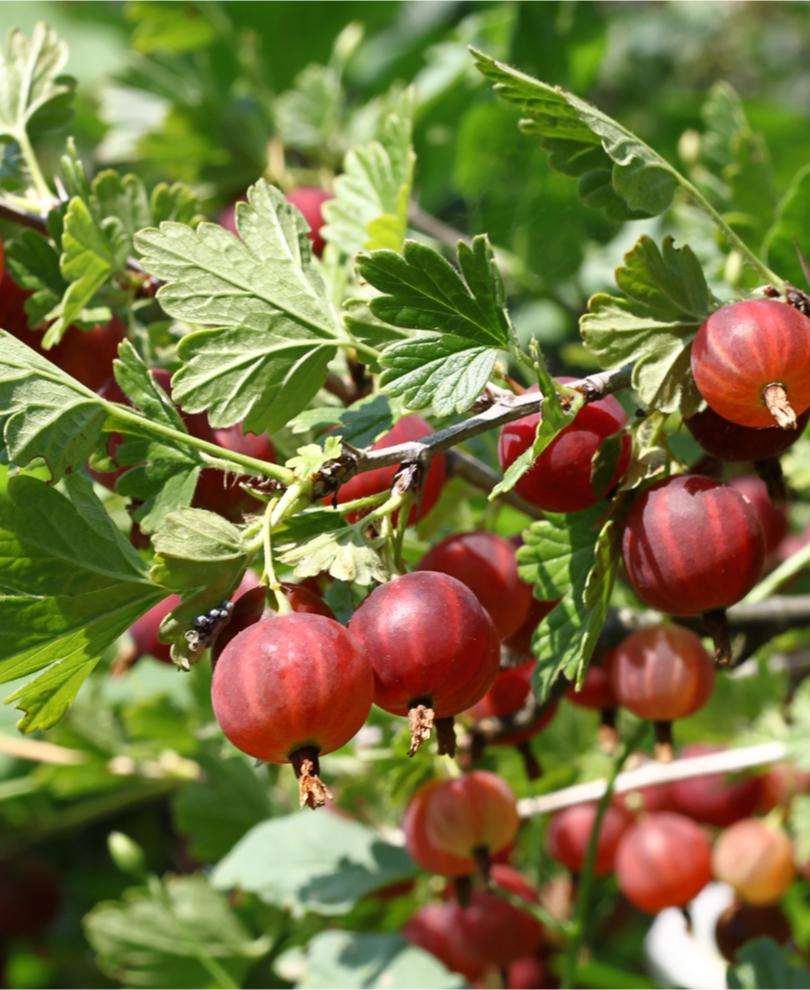
Gooseberries are adaptable but produce best when grown under favorable conditions.
- Climate: They thrive in cool to moderate climates. Gooseberries dislike extreme heat but handle cold weather well.
- Sunlight: Prefer full sun but can tolerate partial shade, especially in hot regions.
- Soil: Grow best in well-drained, loamy soil rich in organic matter with a pH of 6.0–6.5.
- Watering: Consistent moisture is important, but avoid waterlogging.
If your soil is heavy clay, improve drainage by adding compost or planting in raised beds.
Preparing the Soil and Planting Gooseberries
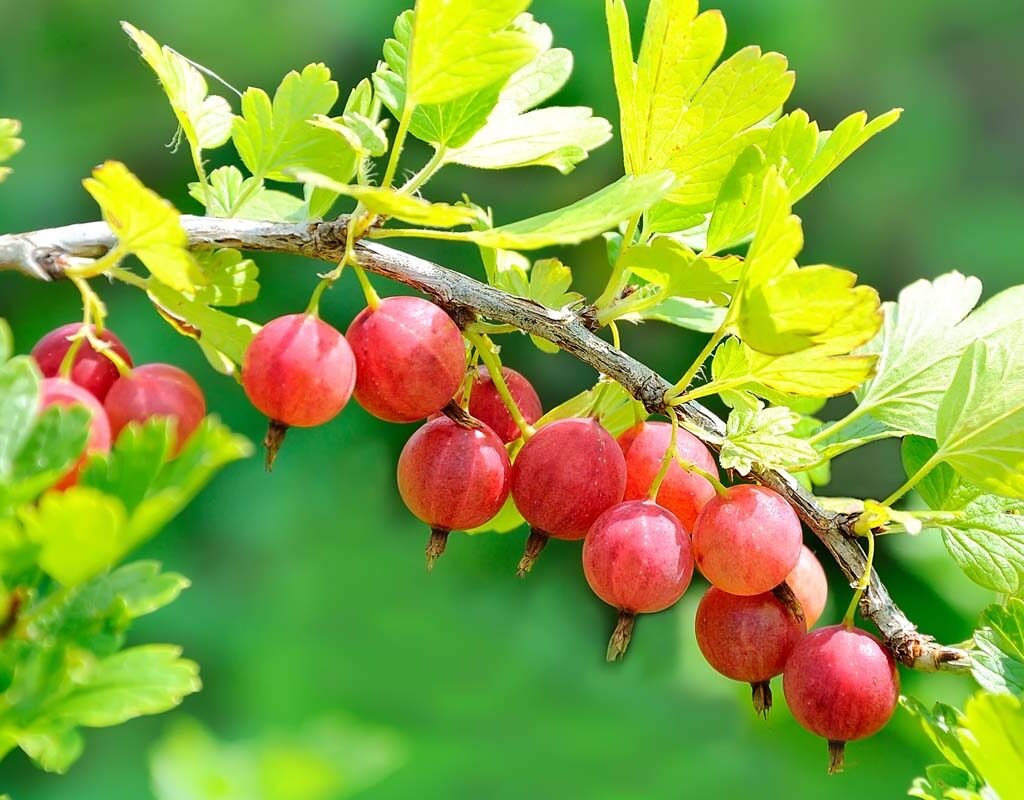
Proper soil preparation is essential for healthy growth and abundant harvests.
Soil Preparation:
- Loosen the soil to a depth of 12–15 inches.
- Mix in organic compost or well-rotted manure to boost fertility.
- Avoid adding fresh manure, as it can burn the roots.
Planting Steps:
- Choose the right time: The best time to plant gooseberries is in late fall or early spring, while the plants are dormant.
- Dig a hole: Make it large enough to accommodate the roots — about 12 inches deep and wide.
- Position the plant: Set the plant slightly deeper than it was growing in the nursery container. This encourages new shoots from the base.
- Backfill and water: Refill the hole with soil, press gently around the roots, and water thoroughly.
- Mulch: Apply a layer of mulch (straw, leaves, or compost) around the base to retain moisture and suppress weeds.
If planting multiple bushes, space them 4–5 feet apart to allow good air circulation and sunlight exposure.
Caring for Gooseberry Plants
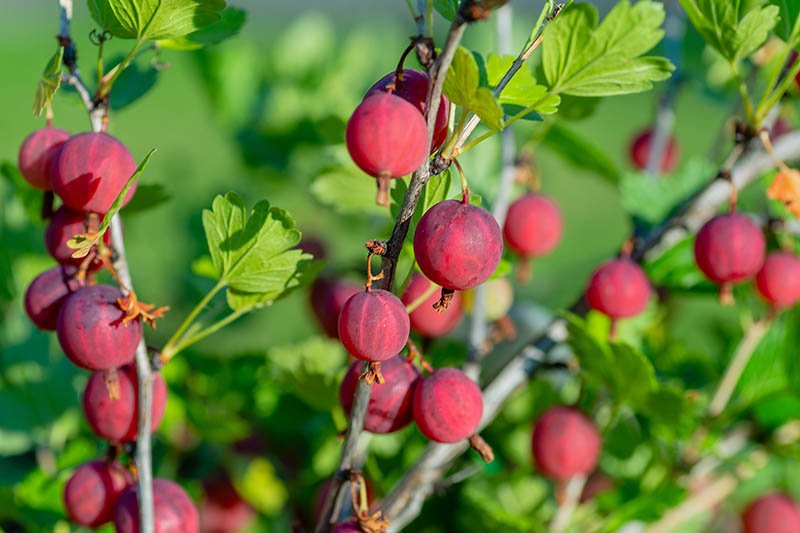
Once your gooseberry bush is established, it needs consistent care to ensure healthy growth and high yields.
Watering:
Keep the soil evenly moist, especially during flowering and fruiting. Avoid wetting the foliage excessively to prevent fungal diseases.

Fertilizing:
Feed your plants in early spring with a balanced organic fertilizer (10-10-10) or compost. Avoid high-nitrogen fertilizers as they promote leafy growth at the expense of fruit.
Mulching:
Mulch helps conserve moisture, suppress weeds, and protect roots from temperature extremes. Renew mulch each year for the best results.
Pruning and Training Gooseberries
Pruning is one of the most crucial tasks in gooseberry care. It helps shape the bush, improves airflow, and increases fruit quality.
How to Prune:
- In the first year, remove weak or crossing shoots, leaving 4–5 strong main branches.
- In subsequent years, cut back older wood to make way for new shoots.
- Prune in late winter or early spring, when the plant is dormant.
- Maintain an open, bowl-shaped structure to let in light and air.
Training Methods:
Some gardeners train gooseberries as cordons or fans along fences or wires. This method saves space, simplifies harvesting, and improves fruit exposure.
Common Pests and Diseases
Gooseberries are relatively hardy but can sometimes face pest or disease problems.
Common Pests:
- Aphids: Small insects that suck sap from young shoots. Use neem oil or insecticidal soap.
- Gooseberry Sawfly: Green caterpillars that strip leaves. Handpick or use biological control methods.
- Spider Mites: Thrive in dry conditions; increase humidity and spray with water.
Common Diseases:
- Powdery Mildew: White fungal coating on leaves and fruits. Prune affected branches and apply sulfur-based fungicides.
- Anthracnose: Leaf spots caused by fungus; improve air circulation and avoid overhead watering.
Choosing resistant varieties and proper pruning can prevent most issues naturally.
Pollination and Fruiting
Most gooseberry varieties are self-fertile, meaning you can get fruit from a single plant. However, growing multiple varieties nearby can increase yields through cross-pollination.
Flowers appear in spring, and fruits develop slowly over several months. By midsummer, the berries ripen and are ready to harvest.
Harvesting Gooseberries
Gooseberries can be harvested at two stages depending on how you plan to use them.
- Early Harvest (Green Berries): Picked when firm and tart — ideal for pies, jams, or preserves.
- Late Harvest (Ripe Berries): Allowed to ripen fully on the bush for sweeter flavor, great for fresh eating.
To harvest, gently pick the berries by hand. If your variety has thorns, wear gloves or use small scissors to snip the stems.
After harvesting, store gooseberries in a cool place. Fresh berries can last up to two weeks in the refrigerator or be frozen for long-term use.
Propagating Gooseberries
You can easily propagate gooseberries from hardwood cuttings:

- In late autumn, cut healthy stems about 8–10 inches long.
- Remove leaves and dip the cut end in rooting hormone.
- Insert the cuttings into a pot or bed with moist soil.
- Keep in a sheltered spot through winter.
- By spring, new roots will form — ready to plant outdoors.
This simple propagation method ensures a continuous supply of new plants.
Growing Gooseberries in Containers
If you’re short on space, gooseberries can grow beautifully in pots.
- Choose a container at least 18–24 inches deep and wide.
- Use a well-draining mix of garden soil, compost, and coarse sand.
- Water regularly and feed with liquid organic fertilizer every 4–6 weeks during the growing season.
- Prune annually to keep the plant compact.
Container-grown gooseberries are easy to manage and can even be moved to sunny spots as needed.
Health Benefits of Gooseberries
Beyond their delightful taste, gooseberries are packed with nutrients that benefit your health:
- High in Vitamin C: Boosts immunity and collagen production.
- Rich in Antioxidants: Fights inflammation and oxidative stress.
- Supports Heart Health: Helps lower cholesterol and blood pressure.
- Improves Digestion: High fiber aids gut health.
- Promotes Healthy Skin and Hair: The natural compounds in gooseberries enhance skin glow and strengthen hair.
Whether eaten fresh, dried, or cooked, gooseberries are a healthy addition to your diet.
Final Thoughts
Growing gooseberries at home is one of the most rewarding gardening experiences. They’re hardy, productive, and beautifully versatile — equally suited for containers, raised beds, or garden plots. By following the expert tips from Raintree Nursery’s guide, you can enjoy years of abundant harvests filled with tangy-sweet berries.
From soil preparation and pruning to pest management and harvesting, each step is simple and rewarding. With just a little attention and care, your gooseberry bushes will flourish — providing not only delicious fruit but also a beautiful addition to your garden landscape.

So, roll up your sleeves and start your gooseberry-growing journey today. Soon, you’ll be harvesting baskets of fresh, flavorful berries right from your own backyard.

Leave A Comment