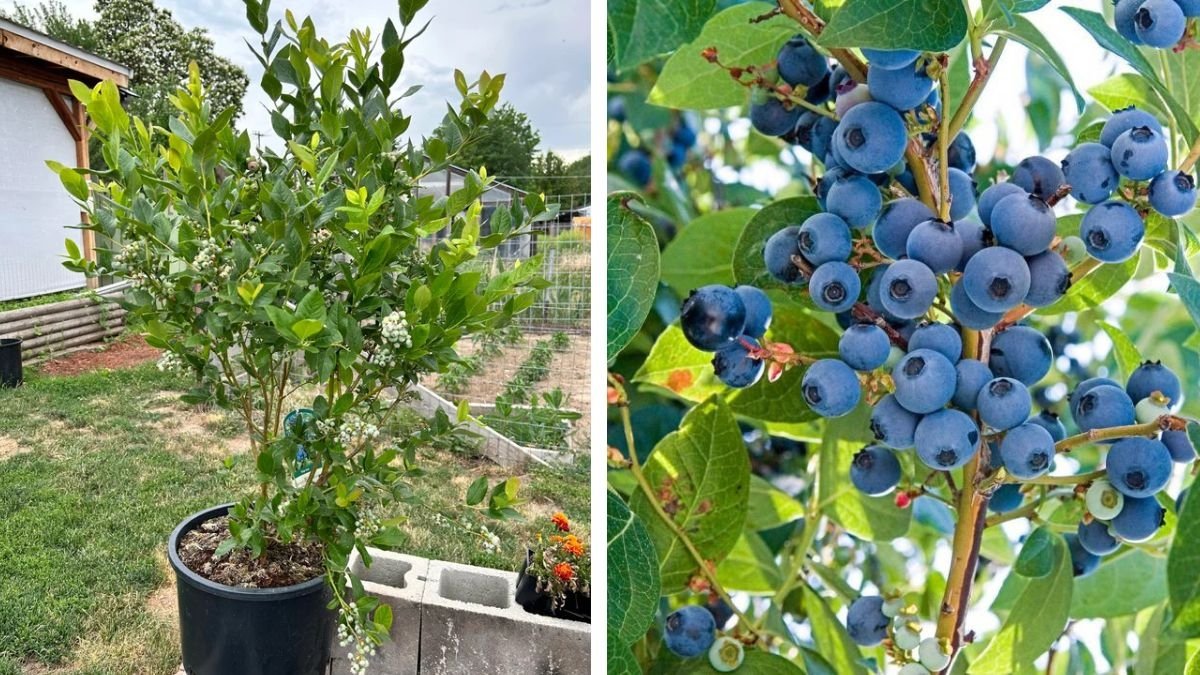
Blueberries are one of nature’s sweetest gifts — packed with flavor, antioxidants, and vibrant color. But did you know you can grow your own fresh blueberries even if you don’t have a garden or much space? Yes! With a few plastic bottles, the right soil mix, and proper care, you can enjoy homegrown blueberries right on your balcony, patio, or windowsill.
In this detailed guide, we’ll explore how to grow blueberries in plastic bottles, step by step. This budget-friendly and eco-conscious gardening method not only saves space but also turns discarded bottles into productive planters. You’ll learn the exact type of soil blueberries love, how to prepare the bottles, how to plant and maintain them, and even how to harvest your own juicy berries!
Why Grow Blueberries in Plastic Bottles?
Many people assume blueberries need large pots or garden beds, but in reality, they’re quite adaptable. Growing them in plastic bottles offers several unique advantages:
- Space-Saving: You can hang or stack the bottles vertically, making them perfect for balconies or compact patios.
- Eco-Friendly: Repurposing used bottles keeps plastic waste out of landfills.
- Cost-Effective: No need for expensive pots or containers — simple 2-liter bottles do the job!
- Portable: The lightweight bottles can be moved easily to chase sunlight or avoid rain.
- Controlled Soil Environment: Blueberries are picky about soil acidity; growing them in bottles lets you create and maintain the perfect conditions.
This clever technique combines sustainability with productivity — and the results are delicious!
Materials You’ll Need
Before you start your blueberry-growing project, gather these essential items:
- Large plastic bottles (2 to 5 liters) — transparent or semi-transparent
- Sharp scissors or knife for cutting
- Acidic potting mix (pH 4.5–5.5)
- Peat moss or coco peat for moisture retention
- Perlite or coarse sand for drainage
- Compost or pine bark chips
- Blueberry seedlings or young plants (preferably dwarf or container-friendly varieties like ‘Top Hat’ or ‘Sunshine Blue’)
- Watering can or spray bottle
- String or wire if you plan to hang the bottles
Once you’ve got your materials, you’re ready to transform simple plastic bottles into mini blueberry farms.
Step-by-Step Guide to Growing Blueberries in Plastic Bottles
1. Preparing the Plastic Bottles
Start by cleaning the bottles thoroughly. Remove all labels, wash out residues, and let them dry. Then, depending on your available space, you can choose two styles of planters:
- Vertical Bottle Planter:
Cut off the top portion (around 3–4 inches below the neck). This will serve as the planting space. - Horizontal Planter:
Lay the bottle sideways and cut a rectangular opening along one side for planting.
Next, make drainage holes at the bottom using a hot nail or skewer. This step is crucial — blueberries hate standing water.
If you’re making a hanging planter, punch two small holes near the top edge on opposite sides and thread a string or wire through for support.
2. Choosing the Right Soil
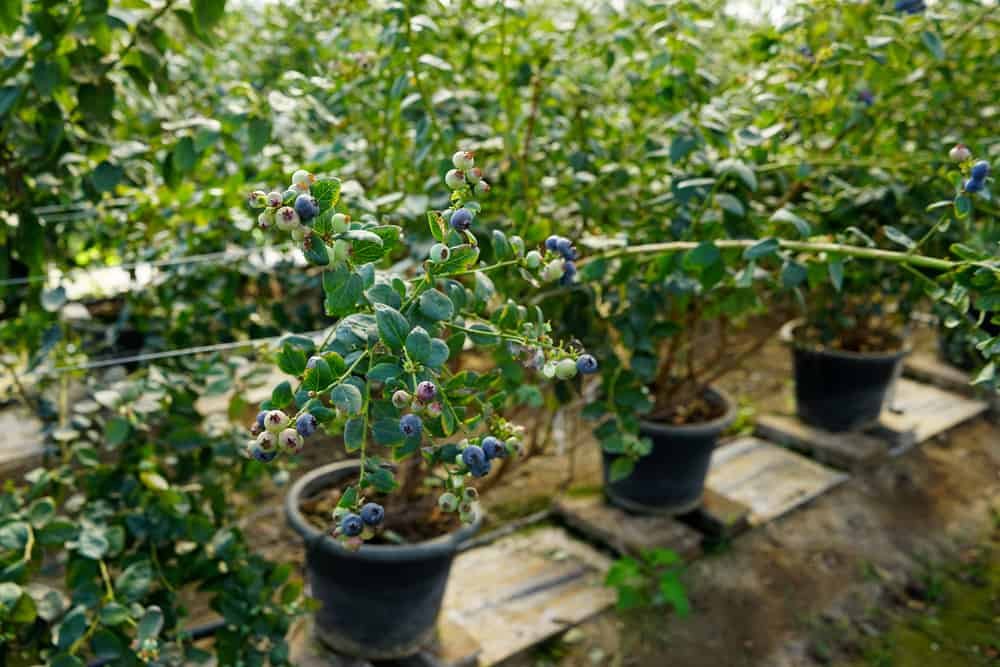
Blueberries have specific soil requirements. They thrive in acidic, well-draining soil rich in organic matter. The right pH level is between 4.5 and 5.5.
You can make your own blueberry-friendly potting mix using:
- 40% peat moss or coco peat
- 30% pine bark or composted leaves
- 20% perlite or coarse sand
- 10% organic compost
Mix these thoroughly before filling the bottles. Avoid garden soil, as it’s often too alkaline and may restrict blueberry growth.
3. Planting the Blueberries
Fill the bottle about three-quarters full with your prepared soil mix. Then follow these steps:
- Make a small hole in the center of the soil.
- Gently remove the blueberry plant from its nursery pot, taking care not to damage the roots.
- Place it in the hole and fill around the roots with soil, leaving about an inch from the bottle’s top edge.
- Water thoroughly until excess water drains out.
If you’re planting multiple bottles, space them at least 12–18 inches apart to allow air circulation and easy access.
4. Positioning and Sunlight Needs
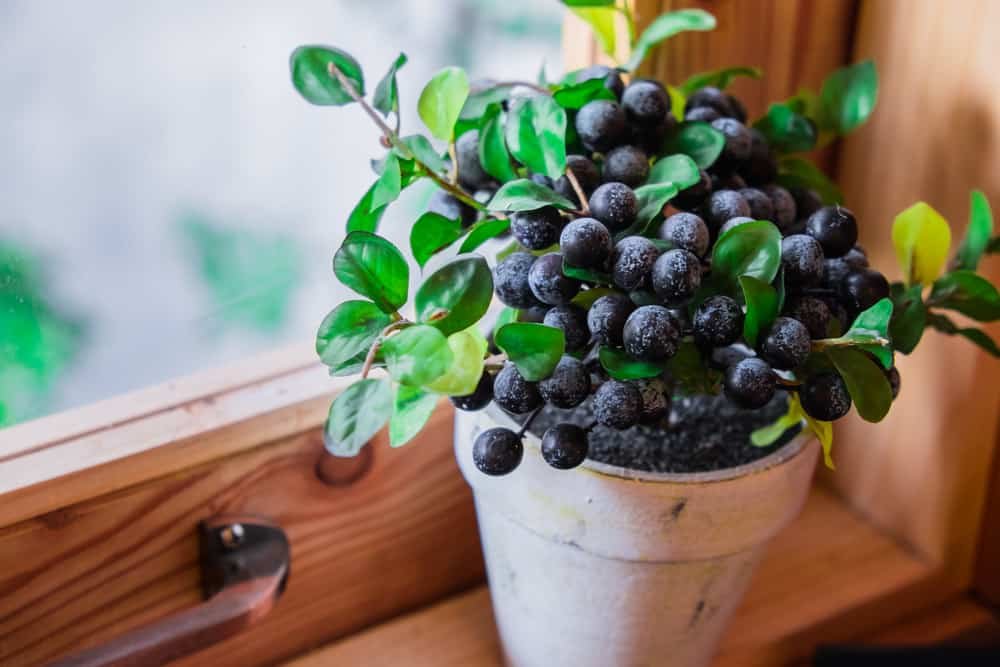
Blueberries love sunlight. Place your bottles in a location that receives at least 6–8 hours of direct sunlight daily.
If you live in a very hot region, consider partial shade during peak afternoon hours to prevent leaf scorch. For balcony setups, rotate the bottles every few days to ensure even light exposure on all sides.
5. Watering and Moisture Care
Blueberries prefer consistent moisture but dislike soggy conditions. In bottles, the small soil volume dries quickly, so water regularly — ideally once daily in summer and every other day in cooler months.
Use a spray bottle or gentle watering can to avoid disturbing the roots. The soil should feel damp but not waterlogged.
Tip: You can create a self-watering bottle system by cutting another bottle in half, inverting the top into the bottom, and filling the base with water. This design provides steady hydration through capillary action.
6. Feeding Your Blueberry Plants
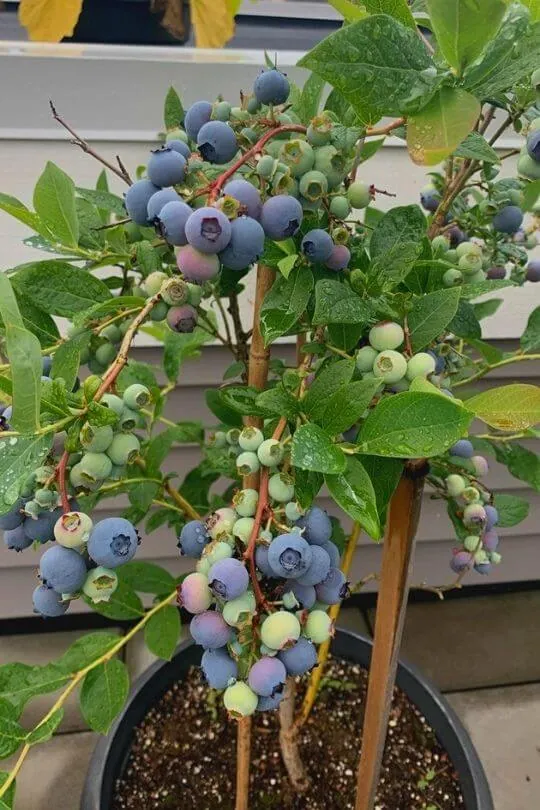
To ensure your plants produce sweet, plump berries, feed them every 3–4 weeks with a fertilizer formulated for acid-loving plants.
Organic options include:
- Compost tea made from decomposed leaves or pine bark.
- Fish emulsion or seaweed extract for balanced nutrition.
- Coffee grounds (used sparingly) to maintain soil acidity.
Avoid over-fertilizing — too much nitrogen encourages leaf growth instead of fruiting.
7. Pruning and Maintenance
Blueberries in containers or bottles need occasional pruning to stay healthy. After the first year:
- Remove any weak or dead branches in late winter.
- Thin out crowded stems to improve airflow.
- Pinch off flowers in the first season to encourage root and stem development.
Pruning also helps redirect the plant’s energy into producing bigger and sweeter berries in future seasons.

8. Pollination Tips
Most modern blueberry varieties are self-pollinating, but growing two different varieties nearby can significantly increase fruit yield.
If your plants are indoors, gently shake them or use a soft paintbrush to transfer pollen between flowers. Outdoors, bees and butterflies will take care of this naturally.
9. Common Problems and How to Fix Them
Even in bottles, blueberries can face a few challenges. Here’s how to handle them:
- Yellow Leaves: Usually caused by alkaline soil or hard water. Use rainwater or distilled water and maintain acidic soil.
- Poor Fruit Set: Ensure enough sunlight and regular feeding. Cross-pollination helps too.
- Fungal Issues: Avoid overwatering and ensure good drainage. Spray neem oil or a mild baking soda solution if needed.
- Pests: Aphids and spider mites can occasionally attack. Spray neem oil weekly to keep them at bay.
10. Harvesting Your Blueberries
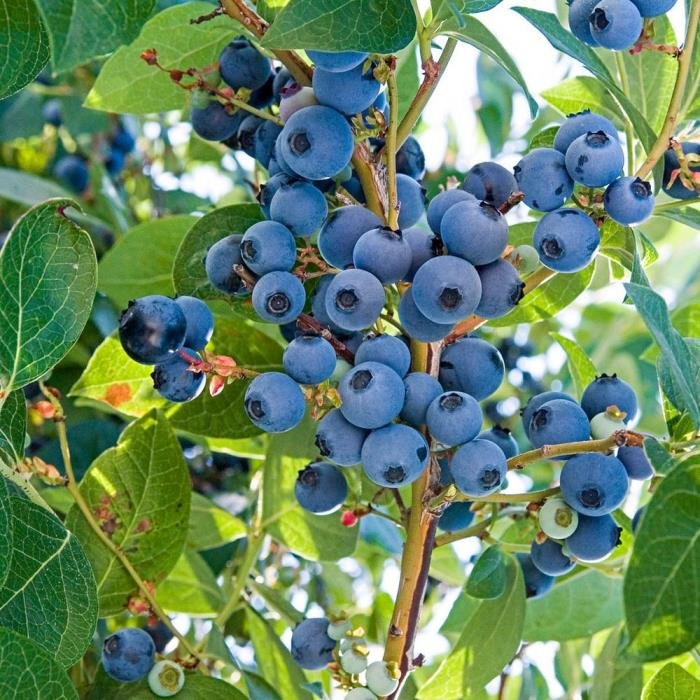
Depending on the variety, blueberries take 2–3 months after flowering to ripen. They’ll change from green to pink, then deep blue or purple.
Wait until the berries are fully colored and slightly soft before picking. They should detach easily when gently rolled between your fingers.
For continuous harvests, check your plants every few days during the season. Freshly picked blueberries can be eaten right away or stored in the refrigerator for up to a week.
Creative Ideas for Bottle Blueberry Gardens
- Vertical Blueberry Tower: Stack bottles on a pole or wall frame for a unique vertical fruit garden.
- Hanging Blueberry Baskets: Suspend bottles with wires to create a floating blueberry display.
- Kids’ Gardening Project: Growing blueberries in bottles is fun and educational for children — teaching sustainability and patience.
- Balcony Barrier Garden: Arrange bottle planters along balcony railings for beauty and privacy.
These ideas make your home look greener while giving you delicious rewards!
Pro Tips for Bigger and Sweeter Blueberries
- Add mulch: Use pine needles, dry leaves, or coco husk on top of the soil to retain moisture and maintain acidity.
- Avoid tap water: Use rainwater whenever possible — it’s naturally soft and ideal for blueberries.
- Re-pot annually: Refresh soil every year or two to prevent compaction and nutrient depletion.
- Winter care: If your region gets frosty, move the bottles indoors or wrap them in cloth to protect the roots.
- Patience pays: Blueberry plants take time to mature but can produce fruit for up to 10 years with proper care.
Final Thoughts
Growing blueberries in plastic bottles is a smart, affordable, and environmentally friendly way to enjoy one of the healthiest fruits on earth. You don’t need a big garden — just creativity, a few recycled bottles, and the right soil.
From preparing the containers to harvesting juicy berries, every step is simple and rewarding. This method proves that sustainability and productivity can go hand in hand — and even a small balcony can yield a basket of homegrown blueberries.
So, the next time you finish a bottle of water or soda, don’t throw it away — turn it into a mini blueberry planter and start your own eco-friendly fruit garden today!

Leave A Comment