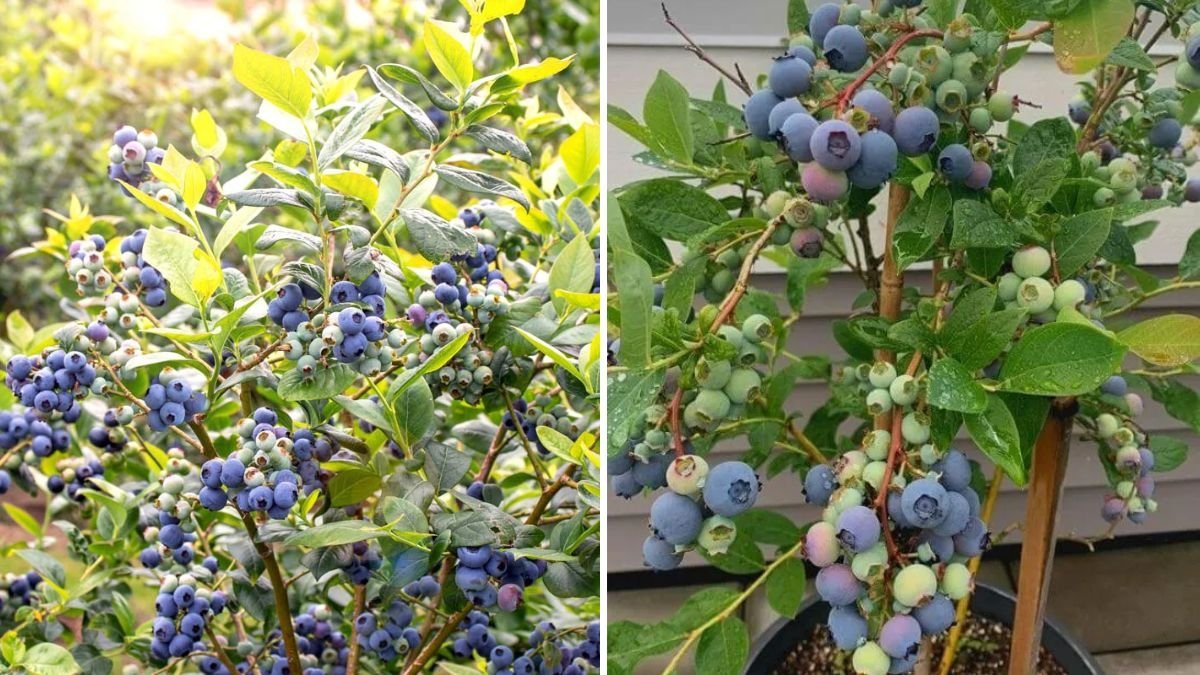
Fall is a magical season for gardeners, not just because of the colorful leaves, but also because it’s the perfect time to reap the rewards of a summer’s worth of care. For those looking to maximize their fruit production, huckleberries are one of the most rewarding crops to grow in a greenhouse. In fact, with the right approach, it’s entirely possible to harvest up to three gallons of garden huckleberries in a single season! Today, we’ll walk through everything you need to know to grow, maintain, and harvest huckleberries in your fall greenhouse.
Why Grow Huckleberries in a Greenhouse?
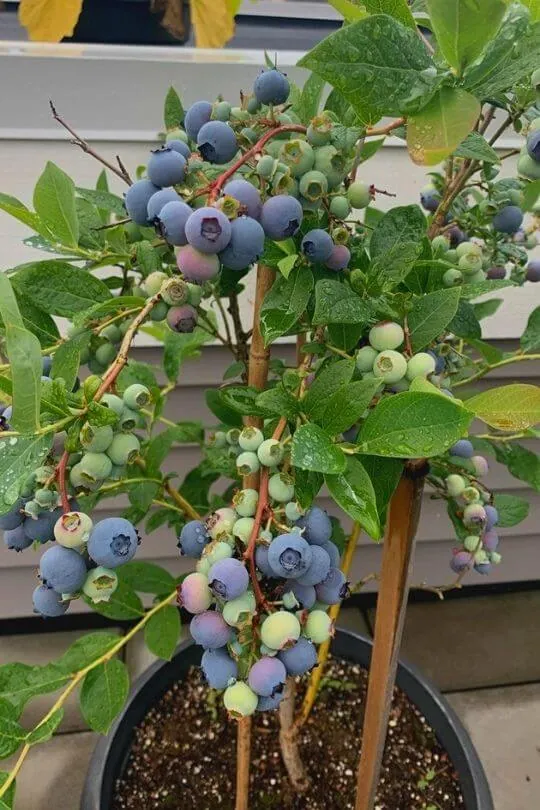
Huckleberries are native to North America and are closely related to blueberries. They are known for their vibrant flavor and antioxidant-rich profile. While these berries thrive in the wild, growing them in a controlled environment like a greenhouse offers several advantages:
- Extended Growing Season – Greenhouses allow you to start your plants earlier in the season and continue harvesting later into the fall.
- Protection from Weather – Rain, wind, and frost can damage delicate berries. A greenhouse provides a shield from harsh elements.
- Pest Control – While no environment is completely pest-free, greenhouses allow for better control over insects and other critters that may attack your plants.
- Optimized Growth – By controlling temperature, humidity, and soil conditions, huckleberries can thrive, producing larger yields than outdoor gardens in some climates.
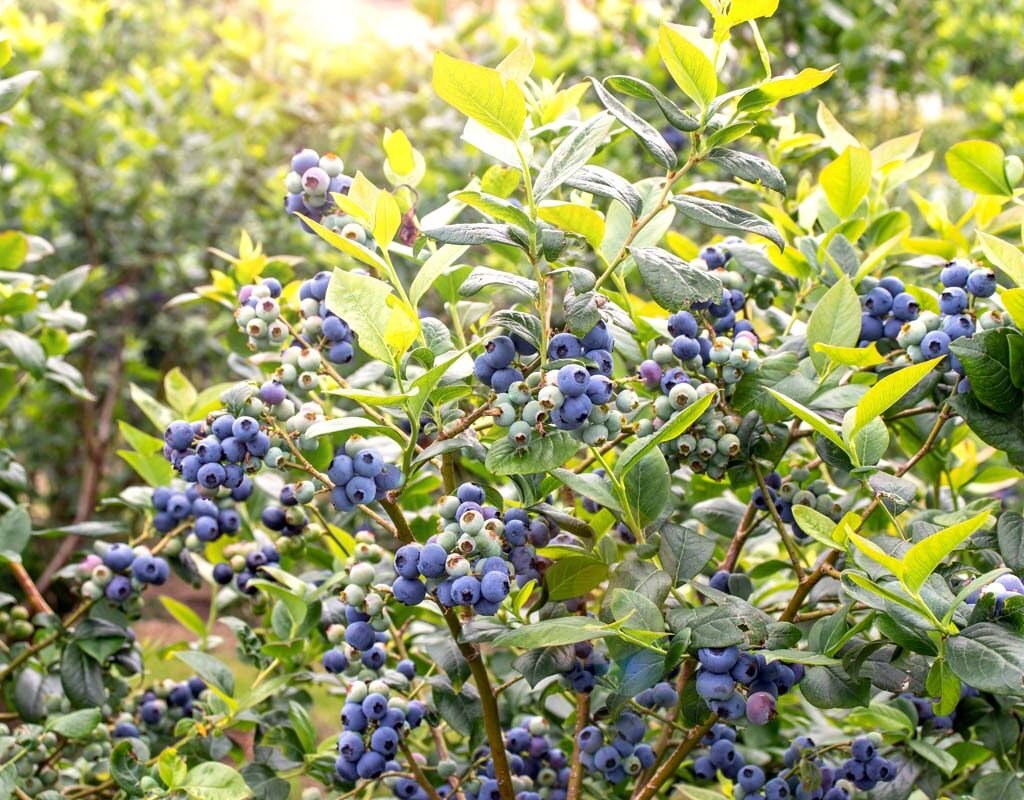
Choosing the Right Huckleberry Varieties
Not all huckleberries are created equal. When planning your fall greenhouse, consider varieties that are known for high yield and flavor. Some popular choices include:
- Vaccinium membranaceum – Known as the “wild” huckleberry, it produces small but intensely flavorful berries.
- Vaccinium ovatum – This variety has a more compact growth habit and is well-suited for greenhouse cultivation.
- Vaccinium corymbosum hybrids – These are often crosses between blueberries and huckleberries, offering larger fruits and reliable yields.
When selecting plants, look for healthy, disease-free specimens with well-developed root systems. Container-grown plants are ideal for greenhouse setups, as they allow you to adjust soil composition and moisture levels easily.
Preparing Your Greenhouse
A successful huckleberry harvest starts with proper greenhouse preparation. Here are the key steps:
- Temperature Control – Huckleberries thrive in temperatures ranging from 60–75°F during the day and slightly cooler at night. If you live in a cooler climate, consider using heaters or heat mats to maintain ideal conditions.
- Light Management – Huckleberries require full sun to produce abundant fruit. If your greenhouse doesn’t receive enough natural light in the fall, supplement with LED grow lights.
- Soil Composition – These plants prefer acidic soil with a pH of 4.5–5.5. Use a mix of peat moss, pine bark, and perlite to ensure good drainage while maintaining acidity.
- Spacing and Containers – Space your huckleberries at least 18–24 inches apart to allow air circulation and light penetration. Using deep pots (12–18 inches) helps promote strong root growth.
Planting and Care
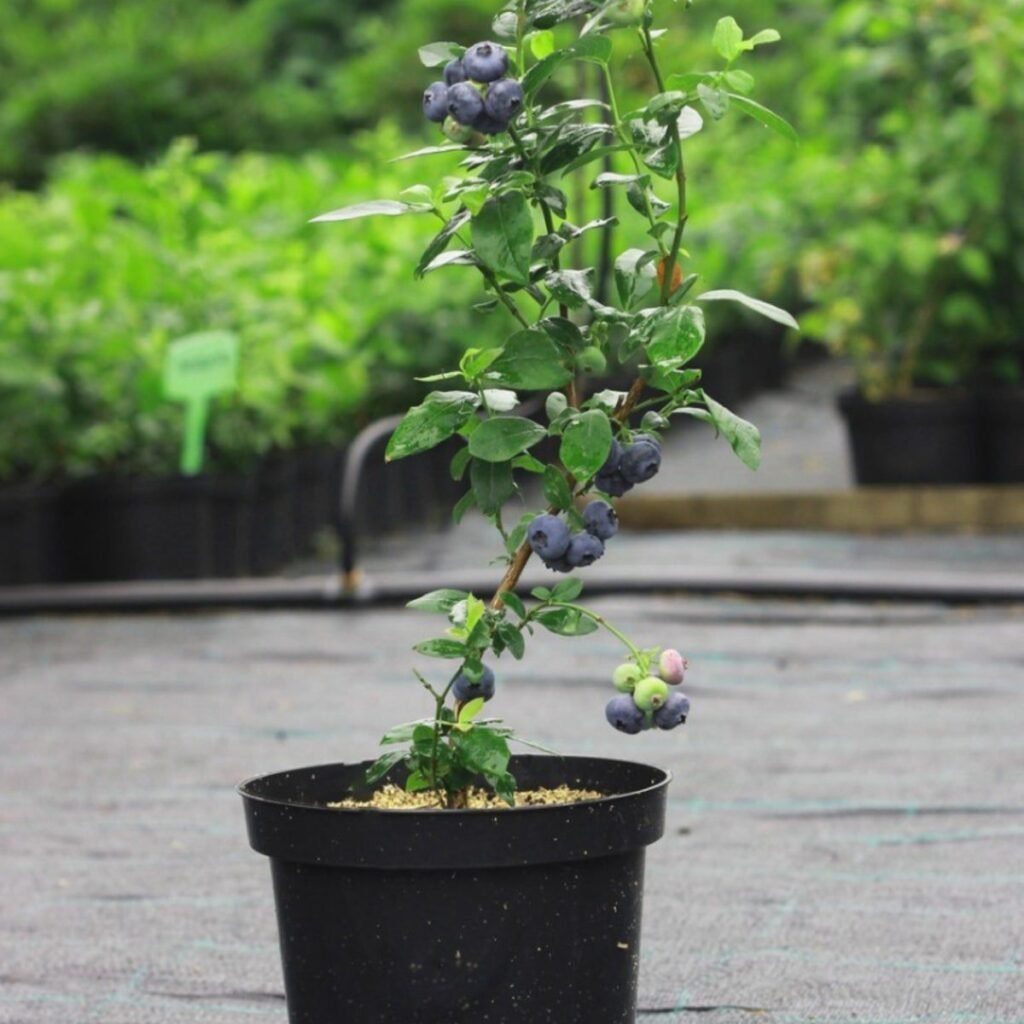
Planting huckleberries in your greenhouse isn’t difficult, but attention to detail ensures maximum yield.
- Planting – Fill your containers with the prepared soil mix and plant huckleberries at the same depth they were growing in their nursery pots. Water thoroughly to help the roots establish.
- Watering – Huckleberries prefer consistently moist soil but dislike waterlogged roots. Aim for deep watering once or twice a week, depending on your greenhouse conditions.
- Fertilization – Use a slow-release fertilizer formulated for acid-loving plants. Avoid high-nitrogen fertilizers, as these can encourage leaf growth at the expense of fruit production.
- Pruning – Light pruning encourages new growth and fruiting. Remove dead or weak branches in early spring and thin crowded branches to maintain airflow.
Maximizing Fruit Production
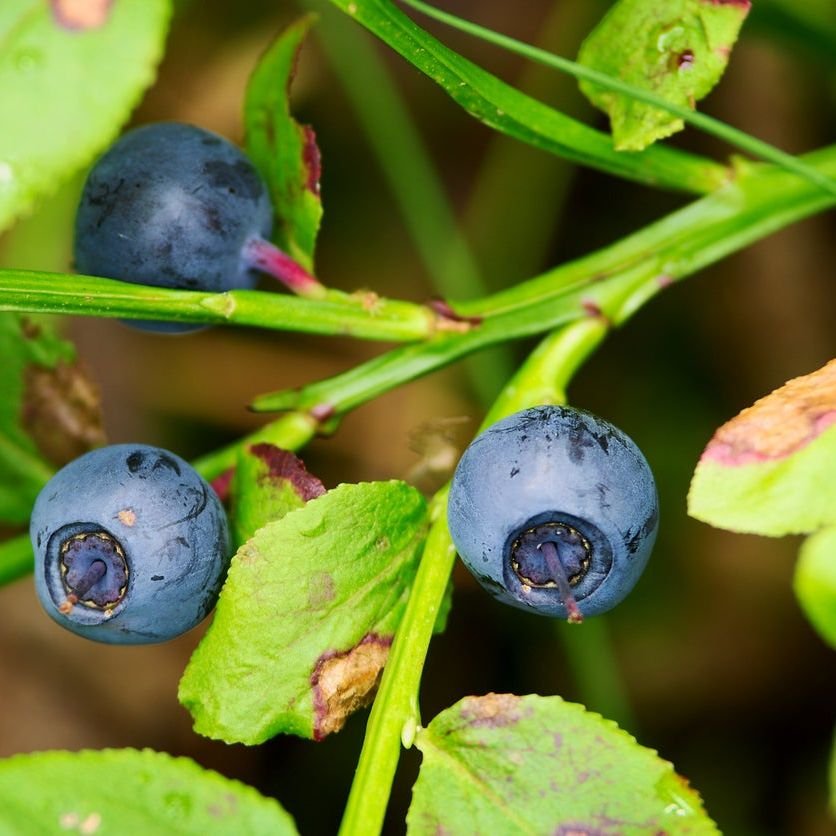
If your goal is to harvest three gallons of huckleberries in a single season, you’ll need to focus on both plant health and proper pollination.
- Pollination – While huckleberries are self-fertile, they produce more fruit when cross-pollinated. Consider planting multiple varieties to improve yields. Hand-pollination with a small brush or electric pollinator can also help increase berry set.
- Thinning Fruit – If a branch is overloaded with berries, gently thin them to prevent branches from breaking and to allow remaining berries to grow larger.
- Consistent Care – Monitor for pests and diseases regularly. Spider mites, aphids, and fungal infections can all reduce yields if left unchecked. Organic sprays and proper ventilation are key preventive measures.
Harvesting Huckleberries
One of the most rewarding parts of growing huckleberries in a greenhouse is the harvest. Here’s how to make the most of your fruits:
- Timing – Huckleberries are typically ready to harvest in late summer to early fall. Berries should be fully colored and slightly soft to the touch. Avoid harvesting underripe berries, as they will not continue to ripen off the plant.
- Technique – Gently roll berries between your fingers to remove them from the plant. Use a shallow container to avoid crushing the delicate fruit.
- Storage – Fresh huckleberries can be stored in the refrigerator for up to a week. For long-term storage, freeze them in a single layer on a baking sheet before transferring them to airtight containers.
Tips for a Record-Breaking Yield
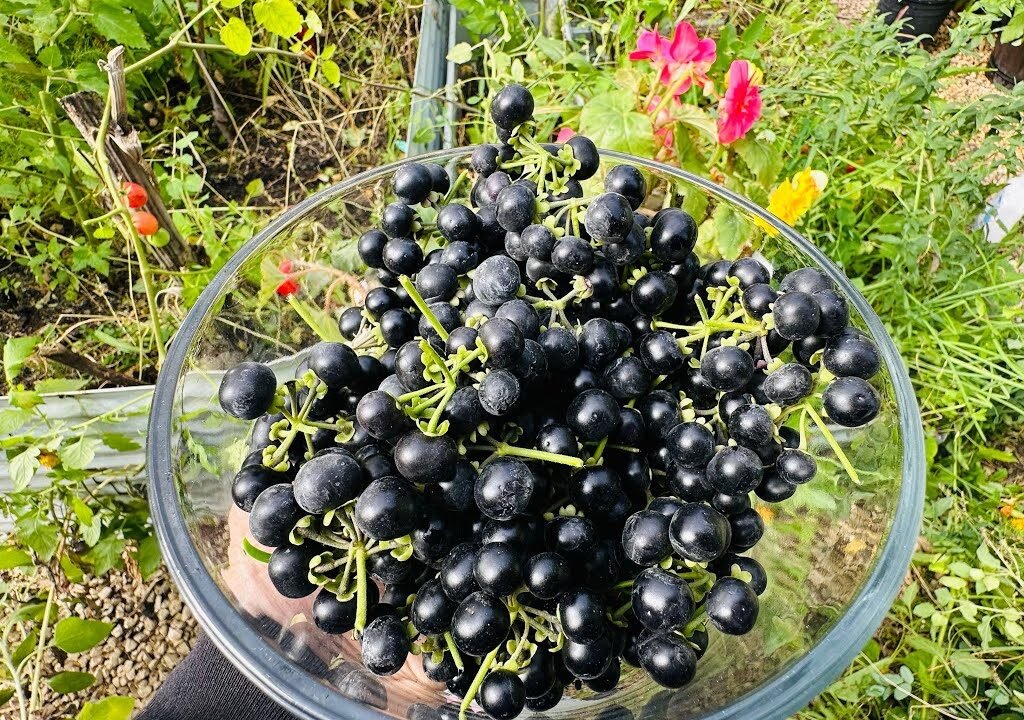
Growing three gallons of fruit per season may sound ambitious, but with careful planning, it’s achievable:
- Regular Feeding – Supplement slow-release fertilizers with liquid feed every few weeks to ensure nutrient availability.
- Monitor pH Levels – Acid-loving plants are sensitive to soil pH changes. Test your soil regularly and amend with sulfur or acidic fertilizers as needed.
- Optimize Light Exposure – Rotate containers if needed to ensure even light distribution. Proper lighting encourages flowering and fruit set.
- Use Growth Techniques – Consider espalier or vertical trellis systems in your greenhouse to maximize space and sunlight exposure.
Beyond the Harvest
Once your huckleberries are harvested, you can enjoy them in numerous ways:
- Freshly picked for snacking
- Made into jams, jellies, or preserves
- Added to smoothies, muffins, and desserts
- Frozen for year-round use
Moreover, the greenhouse setup allows you to plan for a second round of growth if you adjust pruning and feeding schedules carefully. By understanding your plants’ cycle, you can potentially extend the productive season even further.
Conclusion
Growing huckleberries in a fall greenhouse can be incredibly rewarding, especially when you plan carefully and follow proven strategies. With the right soil, lighting, watering, and pollination techniques, it’s entirely possible to harvest up to three gallons of fruit in a single season. Beyond the impressive yields, the satisfaction of nurturing these beautiful berries from start to finish is unparalleled.
Whether you’re a seasoned gardener or just starting out, huckleberries are a fantastic choice for anyone looking to maximize fruit production in a controlled environment. So, roll up your sleeves, prepare your greenhouse, and get ready to enjoy the sweet, tangy rewards of your hard work!

Leave A Comment