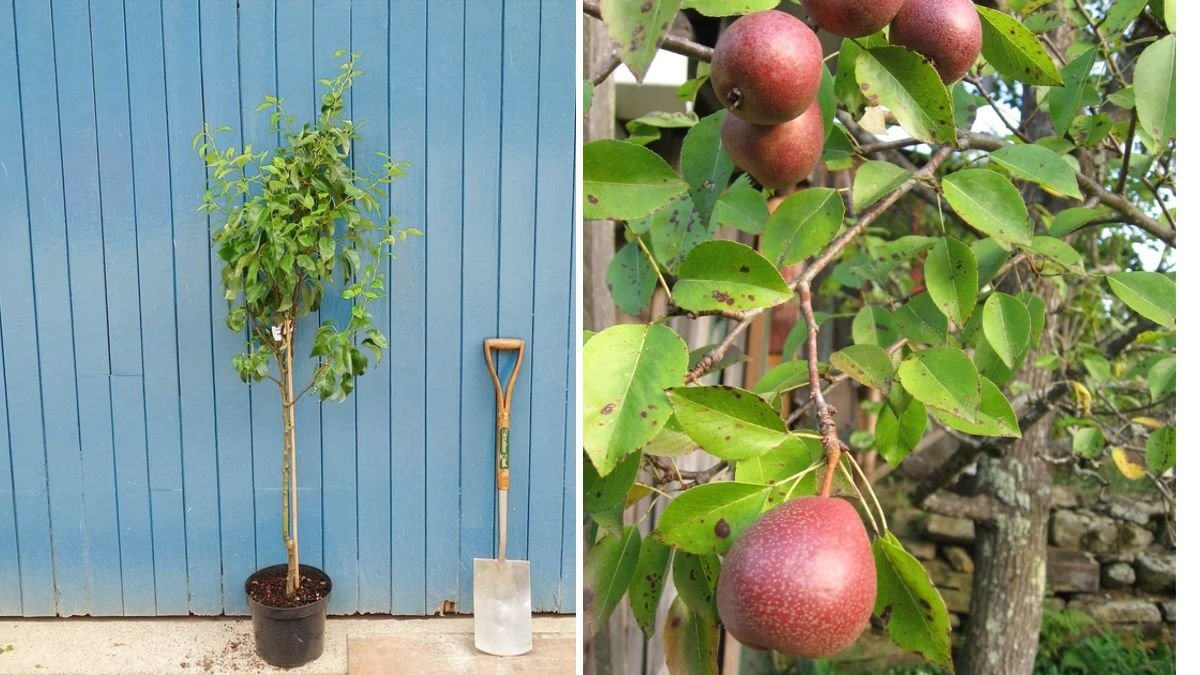
Growing your own fruit trees at home is one of the most rewarding gardening experiences, especially when it involves a classic variety like the Seckel pear. Known as the “sugar pear,” this small but mighty fruit is loved for its sweet flavor, crisp texture, and compact size—perfect for fresh eating, canning, or desserts.
In this post, we’ll dive deep into the Seckel Pear Tree Update using the Plug and Play Planting Method—a simple, effective way to establish a thriving pear tree in your backyard or orchard. Whether you’re an experienced gardener or just getting started with home fruit growing, this detailed guide will help you understand the process, the progress, and how to keep your Seckel pear tree healthy and productive for years to come.
What Makes the Seckel Pear So Special?
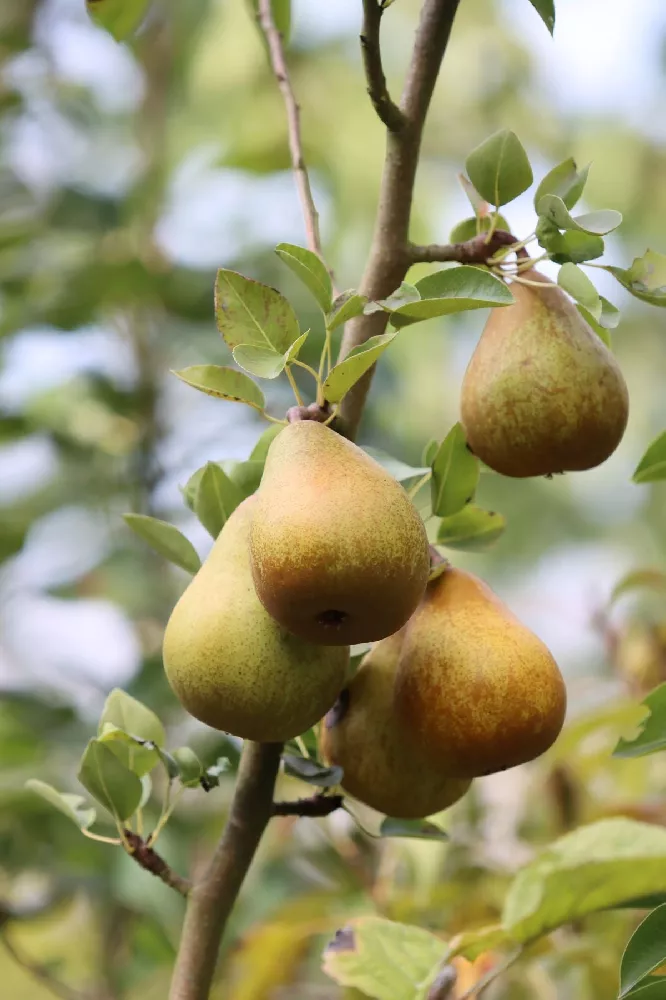
The Seckel pear (Pyrus communis) is a small dessert pear that originated in Pennsylvania in the late 1700s. Often called the “sugar pear,” its naturally sweet flavor sets it apart from other varieties. Unlike larger European pears such as Bartlett or Bosc, Seckel pears are petite and firm, making them ideal for snacking, lunchboxes, and gourmet dishes.
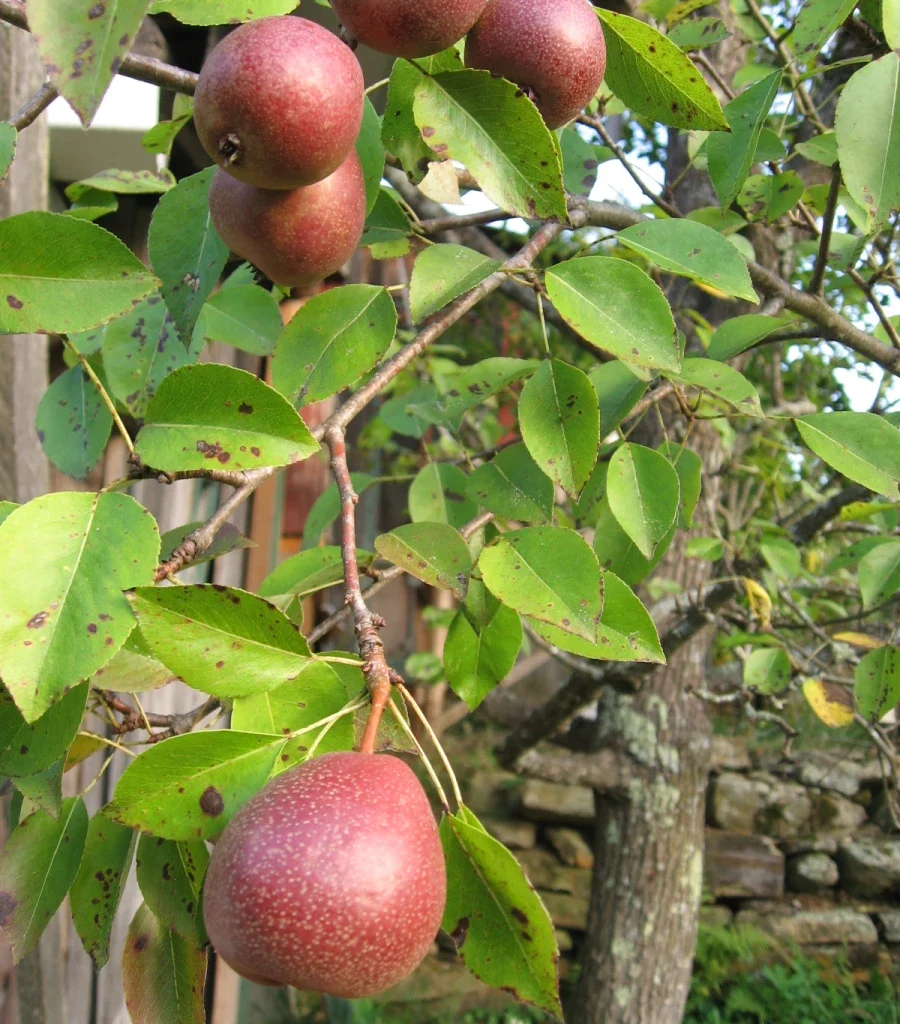
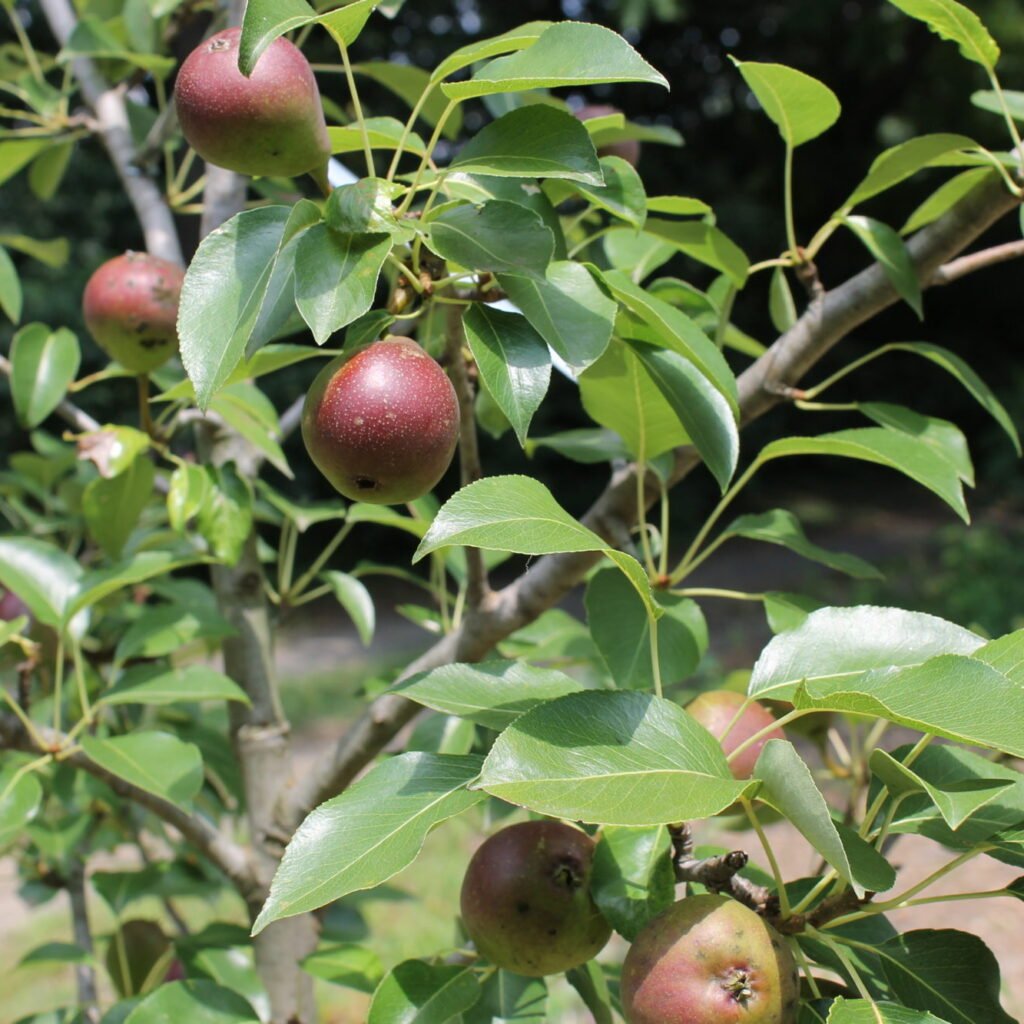
A mature Seckel pear tree produces fruit that’s yellow-green with a rosy blush, offering both beauty and function in the garden. The tree itself is moderately sized—perfect for small yards or backyard orchards. Additionally, it’s hardy, disease-resistant, and self-fertile, though it will produce better yields when cross-pollinated with another pear variety.
Understanding the Plug and Play Planting Method
The “Plug and Play” planting method is a modern approach that simplifies fruit tree establishment. Unlike traditional planting that involves extensive digging, soil amending, and staking, this method focuses on quick, efficient planting with minimal stress to the tree.
Here’s what makes the Plug and Play method so effective for a Seckel pear tree:
- Pre-grown Root Systems:
The tree is typically started in a controlled environment where roots are well-developed and compact, making transplanting easy. - Minimal Soil Disturbance:
Instead of digging a large hole, you simply create a space that matches the root plug’s size, ensuring the tree transitions smoothly into its new environment. - Efficient Water and Nutrient Uptake:
Since the root system remains largely undisturbed, the tree quickly adapts and begins absorbing nutrients right away. - Faster Growth and Establishment:
The reduced transplant shock helps the tree establish itself faster, leading to quicker growth and earlier fruiting.
This method is especially useful for gardeners who want reliable results without complicated soil preparation or for those planting multiple trees in an orchard setup.
Step-by-Step: Plug and Play Planting of a Seckel Pear Tree
1. Choose the Right Location
Seckel pear trees love full sun—at least six to eight hours of direct light daily. Choose a site with well-draining soil and good air circulation. Avoid low-lying areas where frost or standing water can affect root growth.
2. Prepare the Planting Hole
Instead of the traditional wide and deep hole, dig just enough to fit the plug or root ball snugly. The idea is to minimize disturbance while ensuring the roots have immediate contact with the surrounding soil.
3. Check the Root System
When removing the tree from its pot, inspect the roots. If they appear tightly coiled, gently loosen them. Healthy roots should spread naturally from the base.
4. Planting Depth
Position the tree so the graft union (the swollen area above the roots) sits just above the soil line. Planting too deep can lead to rot or graft failure.
5. Backfill and Water Thoroughly
Backfill the hole using native soil mixed with compost if necessary. Water generously to help the soil settle around the roots. This first watering is crucial to remove air pockets and promote strong root-to-soil contact.
6. Mulch and Protect
Apply a 2-3 inch layer of organic mulch—like straw, wood chips, or compost—around the base, keeping it a few inches away from the trunk. Mulch helps retain moisture, suppress weeds, and regulate soil temperature.
If you live in an area with deer or rodents, consider installing a tree guard or wire mesh to protect the young trunk.
Caring for Your Seckel Pear Tree After Planting
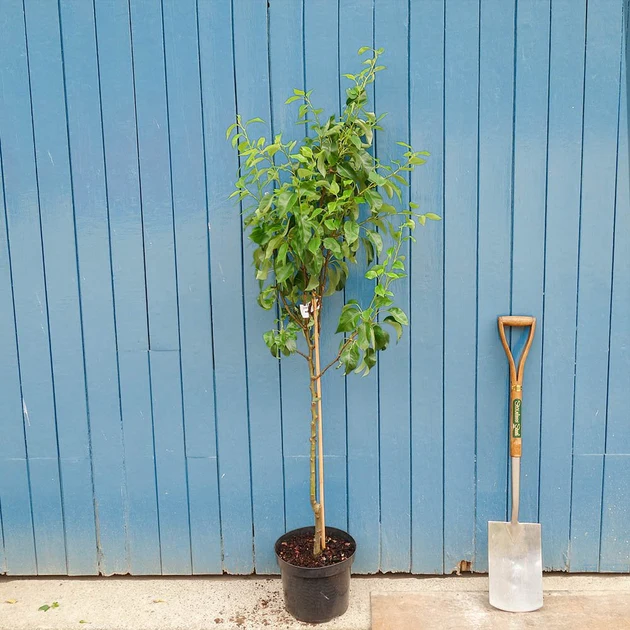
Once planted, your Seckel pear tree will require regular attention, especially in the first year. Here’s how to keep it healthy and growing:
1. Watering:
Consistent moisture is key. During the first season, water deeply once or twice a week, depending on rainfall and soil type. Overwatering should be avoided, as pear trees dislike soggy roots.
2. Fertilizing:
In early spring, apply a balanced organic fertilizer or compost to promote healthy growth. Avoid excessive nitrogen, as it encourages leaf growth at the expense of fruiting.
3. Pruning:
Prune your Seckel pear tree during late winter or early spring before new growth starts. Remove dead or crossing branches, and shape the canopy for good air circulation. This encourages strong structure and prevents disease.
4. Pest and Disease Management:
Seckel pear trees are relatively resistant to common pear diseases like fire blight, but regular inspection is important. Keep an eye out for aphids, pear psylla, or leaf spot. Use organic pest control methods when possible.
5. Mulching and Weeding:
Maintain your mulch layer and keep the area around the tree weed-free. Competing weeds can steal nutrients and water from young trees.

Growth and Seasonal Updates
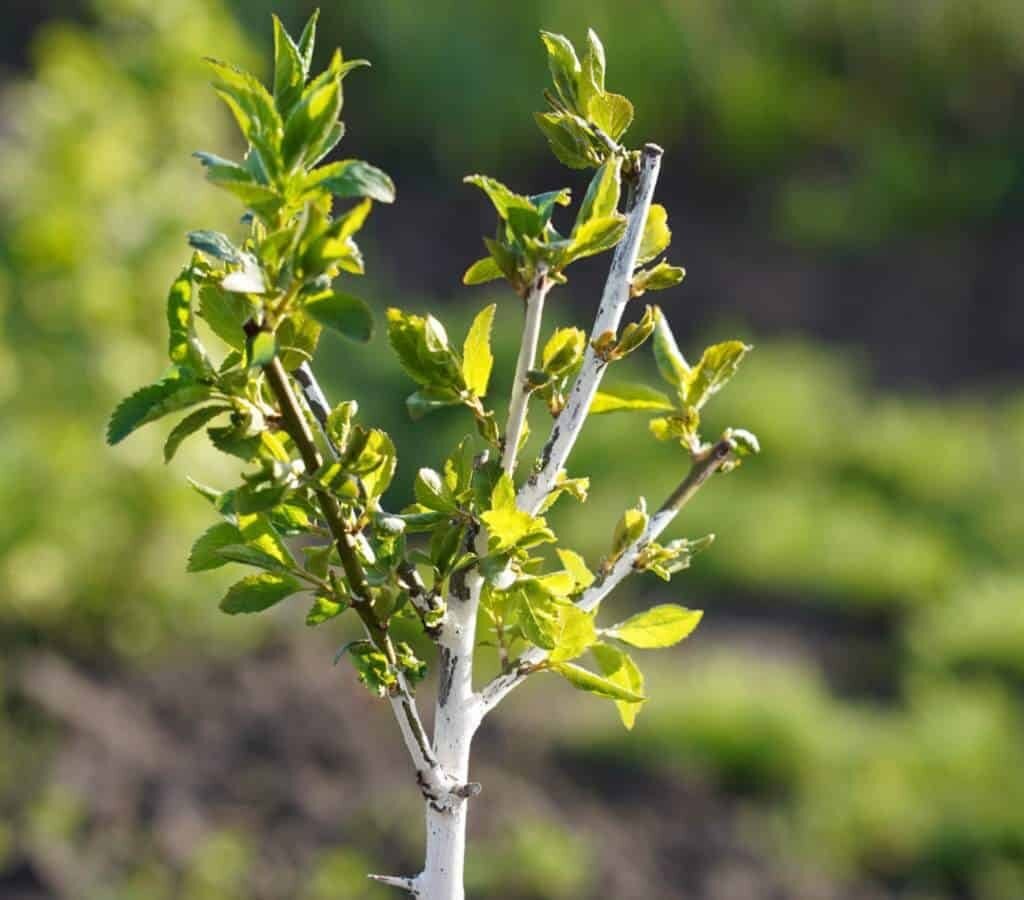
In the first year after planting using the Plug and Play method, your Seckel pear tree will focus primarily on root establishment. You may notice modest top growth, but that’s a good sign—the roots are developing a strong foundation.
By the second year, expect noticeable branching and the first signs of blossoms. While it can be tempting to let the tree fruit early, it’s often better to remove the first year’s blossoms to allow more energy for growth.
By the third or fourth year, you’ll likely start seeing a rewarding yield of small, sweet Seckel pears. Mature trees can produce abundant crops annually, often bearing hundreds of fruits once fully established.
Harvesting and Storing Seckel Pears
Seckel pears typically ripen in late summer to early fall. The fruit is small—about 2 inches long—but packed with flavor. The best way to determine ripeness is by checking the firmness and color. The skin turns yellow-green with a soft red blush when ready.
Unlike other pears that ripen off the tree, Seckel pears can be enjoyed directly after picking. They store well for several weeks in a cool, dry place or even longer in the refrigerator. For extended preservation, consider canning, poaching, or drying the fruit.
Benefits of Growing Seckel Pear Trees
Growing a Seckel pear tree isn’t just about enjoying its sweet fruit—it’s also about creating a sustainable, beautiful, and productive space in your garden. Here are some benefits:
- Compact Size: Perfect for small gardens or backyard orchards.
- Cold Hardy: Performs well in USDA zones 5–8.
- Low Maintenance: Naturally resistant to pests and diseases.
- Beautiful Blooms: White spring blossoms attract pollinators like bees.
- Versatile Fruit: Ideal for fresh eating, preserving, and baking.
Final Thoughts: Why the Plug and Play Method Works for Seckel Pears
The Plug and Play Planting Method simplifies what used to be a complex process. By minimizing root disturbance and ensuring immediate soil contact, it helps the Seckel pear tree settle in quickly and start thriving faster than traditional planting methods.
For home gardeners, this means less guesswork and more growth. And for orchard enthusiasts, it offers a reliable way to establish uniform, healthy trees across multiple planting sites.
If you’re looking for a sweet, hardy, and low-maintenance fruit tree to add to your collection, the Seckel pear—combined with the Plug and Play planting approach—is a winning choice. You’ll enjoy years of delicious harvests and the satisfaction of growing one of America’s oldest and finest pear varieties right in your backyard.

Leave A Comment