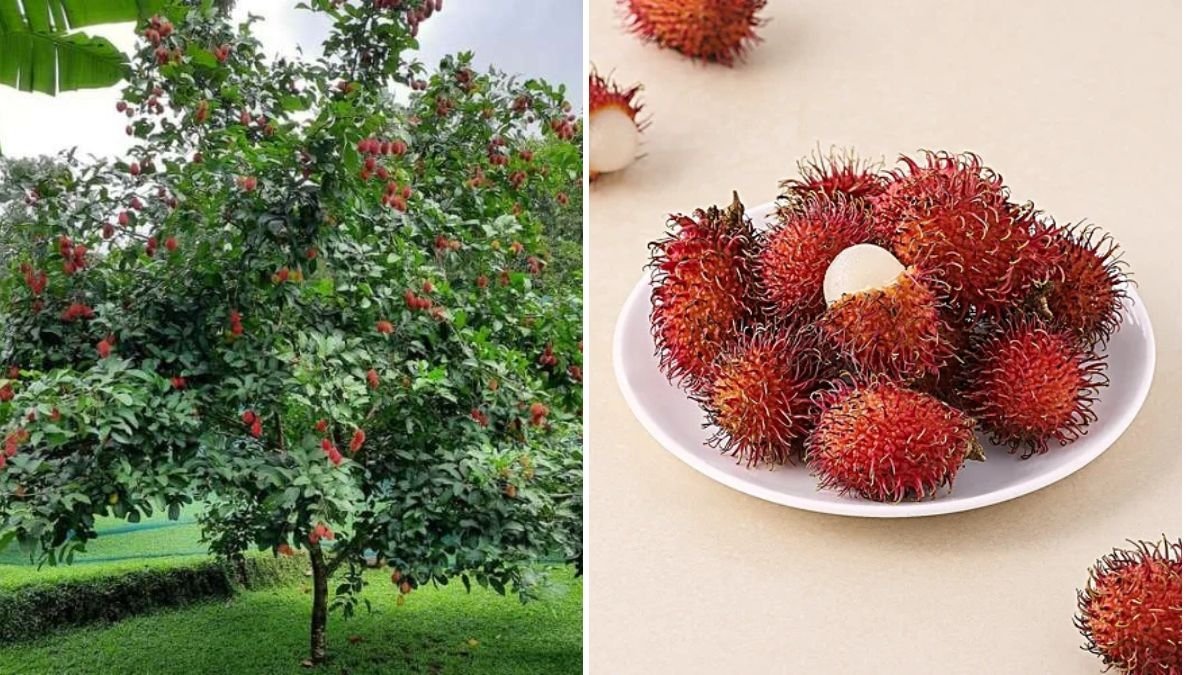
The rambutan (Nephelium lappaceum) is a tropical fruit that has captured the hearts of fruit lovers worldwide with its exotic appearance and juicy sweetness. Native to Southeast Asia, rambutan farming is gaining attention in tropical and subtropical regions due to its high market value, nutritional benefits, and export potential. Whether you’re a commercial farmer or a home gardener looking to cultivate this luscious fruit, this guide covers everything you need to know about rambutan farming — from planting and soil preparation to care, harvesting, and marketing.
1. Introduction to Rambutan
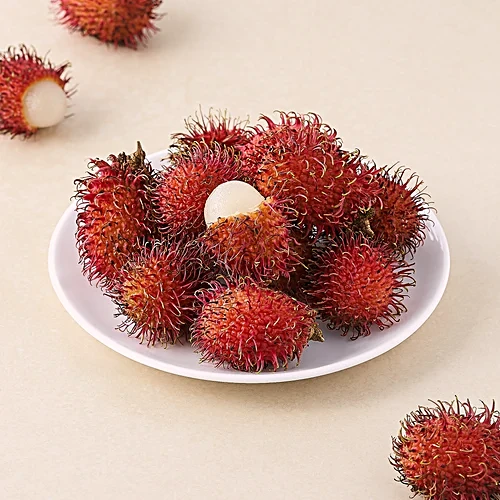
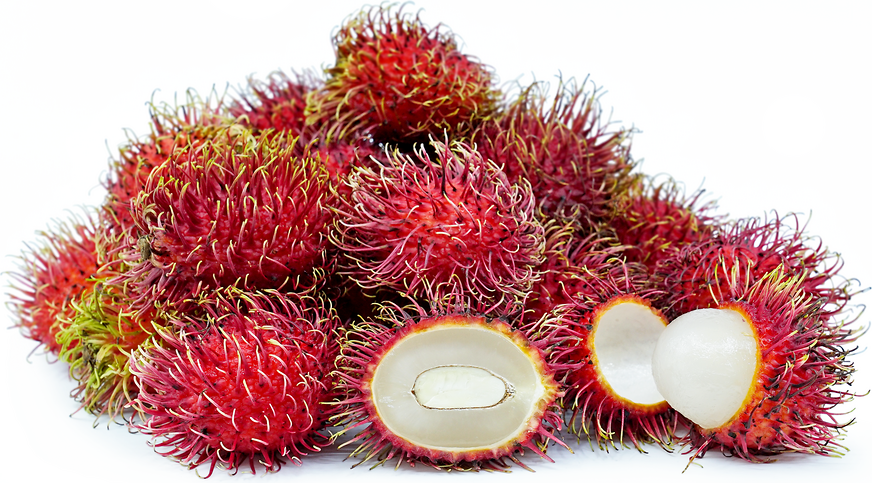
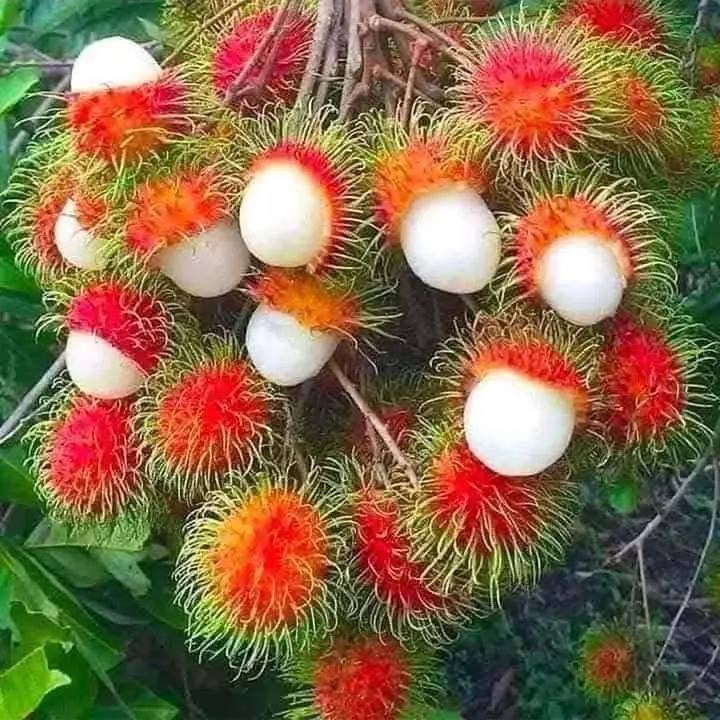
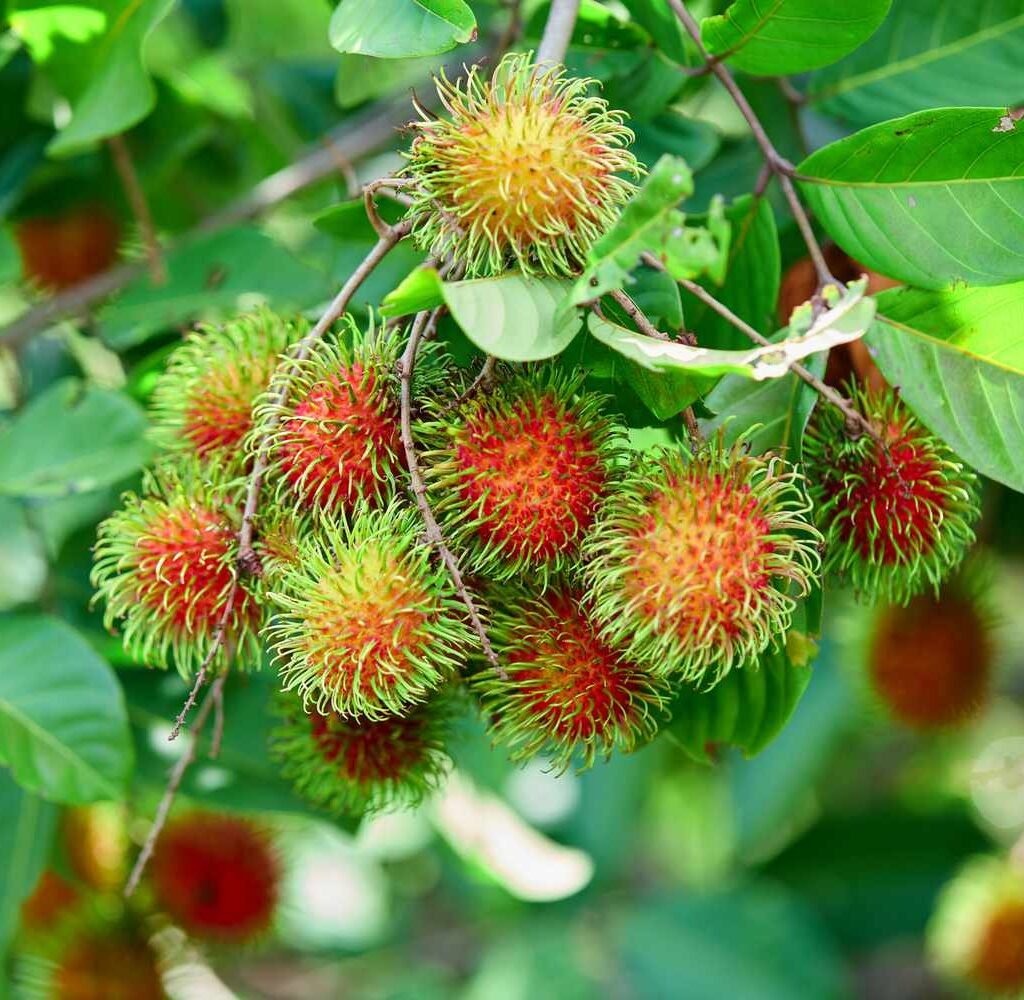
The word rambutan comes from the Malay word “rambut,” meaning “hair,” referring to the fruit’s hairy outer skin. The fruit resembles a lychee but has soft, hair-like spines on its red or yellow peel. Inside, the translucent flesh is juicy, sweet, and slightly acidic, with a taste similar to lychee and longan.
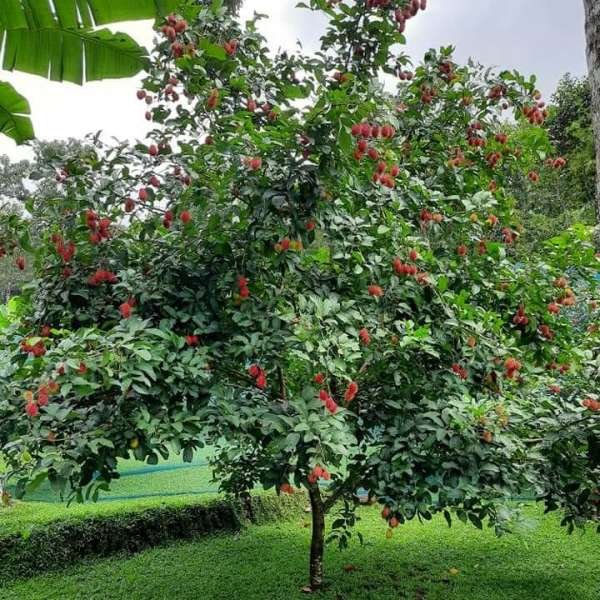
Rambutan trees are evergreen and can grow up to 12–20 meters tall. They belong to the Sapindaceae family, which also includes lychee and longan. Because of their high yield and adaptability to tropical climates, rambutan farming can be highly profitable when managed correctly.
2. Ideal Climate for Rambutan Farming
Rambutan thrives in warm, humid tropical climates with evenly distributed rainfall throughout the year. The key environmental factors for successful rambutan cultivation include:
- Temperature: The ideal range is between 22°C and 35°C. The trees are sensitive to cold and cannot tolerate frost or prolonged dry conditions.
- Rainfall: Annual rainfall of 2000–3000 mm is optimal, preferably well-distributed. Supplemental irrigation is necessary in dry periods.
- Humidity: Rambutan requires high humidity (around 75–80%) for good fruit development.
- Altitude: Best grown at sea level up to 600 meters, though some varieties can tolerate slightly higher elevations.
- Wind: Protect young trees from strong winds, which can damage branches and flowers.
3. Soil Requirements
The rambutan tree prefers deep, well-drained, fertile loamy soil rich in organic matter. Avoid heavy clay or saline soils that can cause waterlogging. The key soil requirements are:
- pH: Slightly acidic soil with a pH between 5.5 and 6.5.
- Drainage: Essential to prevent root rot; plant on raised beds if necessary.
- Soil depth: At least 2 meters deep for proper root development.
- Fertility: Organic compost or well-decomposed manure is recommended before planting.
Before establishing a rambutan orchard, conduct a soil test to determine nutrient status and correct deficiencies accordingly.
4. Propagation Methods
Rambutan can be propagated by seeds, air layering (marcottage), or grafting.
- Seed propagation: While easy, seed-grown trees take 8–10 years to bear fruit and may not retain the mother plant’s characteristics.
- Air layering or marcotting: Produces fruiting plants faster (in 3–4 years) and ensures identical genetic traits to the parent tree.
- Grafting: Commonly used for commercial cultivation. Cleft grafting or approach grafting helps maintain desirable fruit quality and early bearing.
For large-scale farming, grafted plants are recommended for better uniformity, productivity, and fruit quality.
5. Land Preparation and Planting
a. Land Preparation
Clear the land of weeds, stones, and debris. Plough deeply to improve aeration and water infiltration. Dig pits of 60 cm × 60 cm × 60 cm, spacing them about 8–10 meters apart to allow sufficient growth and sunlight.
b. Planting Season
The best time to plant rambutan is at the beginning of the rainy season. This ensures natural irrigation and helps the young plants establish their roots before the dry months.
c. Planting Method
- Fill the pits with a mixture of topsoil, compost, and organic manure (in a 2:1:1 ratio).
- Place the seedling in the center, ensuring the graft union remains above the soil line.
- Water immediately after planting to settle the soil.
- Mulch around the base to retain moisture and suppress weeds.
6. Irrigation and Water Management
Rambutan trees require consistent moisture for healthy growth and fruit development. While mature trees can tolerate short dry periods, young plants need regular watering.
- During dry months: Water once or twice a week depending on soil moisture.
- During flowering and fruiting: Maintain consistent irrigation to prevent fruit drop and splitting.
- Avoid overwatering: Waterlogging can damage roots and cause fungal diseases.
Drip irrigation systems are highly recommended for efficient water management and nutrient delivery.
7. Manuring and Fertilization
Proper nutrition is essential for vigorous growth and high yields. Apply organic manure during planting and continue annually to maintain soil fertility.
Fertilizer Schedule (per tree per year):
| Tree Age | Organic Manure (kg) | Urea (g) | Superphosphate (g) | MOP (g) |
|---|---|---|---|---|
| 1–2 years | 10–15 | 100 | 200 | 100 |
| 3–4 years | 20–30 | 200 | 400 | 200 |
| 5+ years | 40–50 | 400 | 800 | 400 |
Apply fertilizers in two equal doses — once at the start of the rainy season and again after fruit harvest. Incorporate them into the soil around the tree canopy and water immediately.
8. Pruning and Training
Pruning helps in shaping the tree, improving light penetration, and encouraging fruiting.
- During early growth: Train the plant to form a strong central leader with 3–4 main branches.
- Maintenance pruning: Remove dead, diseased, and crossing branches annually.
- After fruiting: Light pruning helps the tree recover and promotes new shoots.
Avoid heavy pruning as rambutan trees fruit on new growth.
9. Pest and Disease Management
Rambutan is susceptible to a few pests and diseases that can affect yield and fruit quality.
Common Pests:
- Fruit borers: Bore into the fruit and feed on the pulp. Use pheromone traps and remove infested fruits.
- Leaf miners: Cause curling and yellowing of leaves. Apply neem oil or biological control agents.
- Aphids and mealybugs: Suck sap from young shoots and inflorescences. Control with organic insecticidal soap.
Common Diseases:
- Root rot (Phytophthora spp.): Caused by poor drainage; improve soil aeration and apply fungicides.
- Anthracnose: A fungal disease that causes black spots on leaves and fruit. Use copper-based fungicides and maintain field hygiene.
Adopt integrated pest management (IPM) practices combining biological, cultural, and organic control methods for sustainable farming.
10. Flowering and Fruiting
Rambutan trees begin flowering after 2–4 years (grafted plants). Flowering usually occurs once a year, often after the dry season.
- Flowers appear in clusters and are pollinated by insects, especially bees.
- Rambutan is monoecious or dioecious, meaning some trees have both male and female flowers, while others have only one type. Planting both ensures better pollination and yield.
- Fruits mature 4–5 months after flowering, turning bright red or yellow when ripe.
11. Harvesting and Yield
Rambutan fruits are ready for harvest when they reach full color and the spines on the skin become less sharp. Fruits do not ripen after picking, so harvest at the right maturity stage.
- Harvesting method: Cut the fruit clusters carefully with pruning shears.
- Yield: A healthy mature tree can produce 80–150 kg of fruits per year under ideal conditions.
Harvest during the early morning or late afternoon to maintain fruit quality.
12. Post-Harvest Handling and Storage
Rambutan has a short shelf life, so post-harvest care is essential.
- Sorting and grading: Remove damaged or unripe fruits.
- Cleaning: Gently wash with clean water and dry before packaging.
- Packaging: Use ventilated baskets or crates to prevent crushing.
- Storage: Store at 10–12°C with 85–90% humidity to extend shelf life up to 10 days.
For export, rambutans can be packed in protective foam nets or small bunches for better presentation.
13. Economic Importance and Marketing
Rambutan farming offers excellent income potential for tropical farmers. It is highly demanded in domestic markets and increasingly in international trade due to its unique flavor and visual appeal.
Value-added products like rambutan jam, juice, jelly, and dried snacks also add to its profitability. Exporters from countries like Thailand, Indonesia, and Malaysia lead the global rambutan trade, with growing interest from India, Sri Lanka, and the Philippines.
To maximize returns, farmers should focus on quality production, branding, and cold-chain logistics for export markets.
14. Conclusion
Rambutan farming is a rewarding venture for growers in tropical climates, combining beauty, taste, and profitability. With the right soil, climate, and management practices, farmers can achieve impressive yields and stable income. From selecting the right variety to harvesting and marketing, each step plays a vital role in ensuring success.
By integrating sustainable methods, proper irrigation, and pest management, rambutan cultivation can thrive as both a commercial and eco-friendly farming venture — bringing the exotic sweetness of this tropical treasure to markets around the world.

Leave A Comment