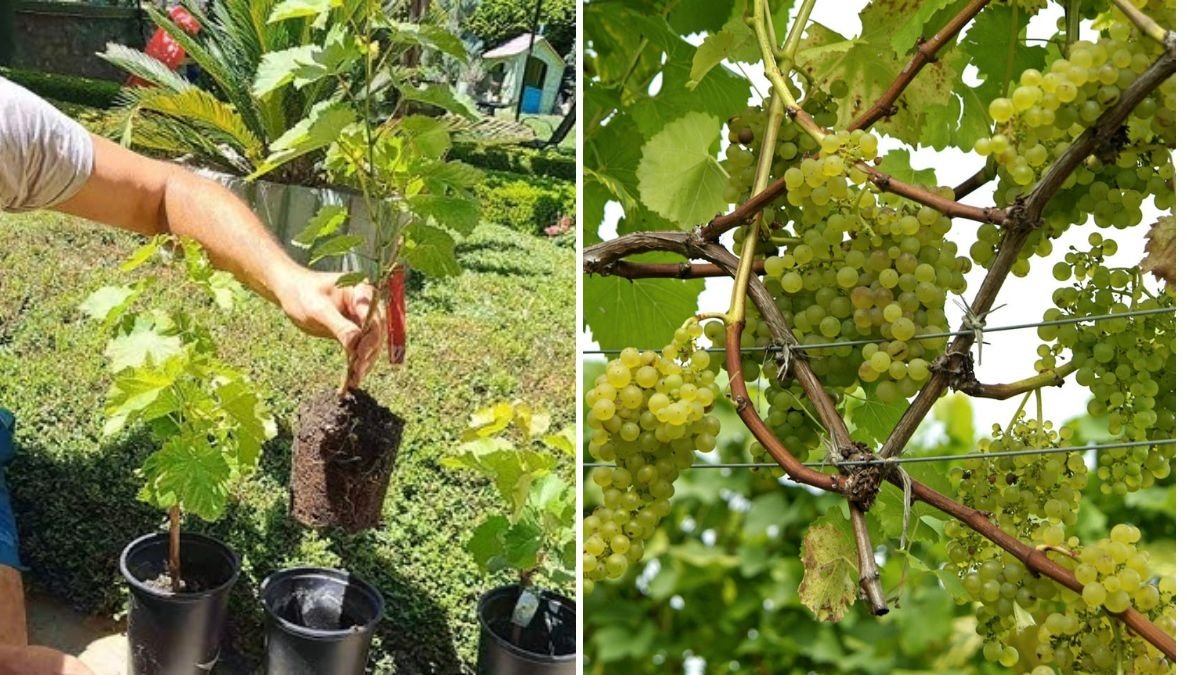
If you’ve ever dreamed of stepping into your backyard and picking plump, sweet grapes straight from the vine, you’re not alone. Grapes aren’t just a symbol of abundance — they’re surprisingly easy to grow, even for beginners. Whether you’re working with a small garden, a patio trellis, or a fence line, you can cultivate your own fruitful grapevine with minimal effort.
In this guide, we’ll cover everything you need to know about no-fuss backyard grape growing — from planting and pruning to propagating and harvesting. Once you understand the basics, grapes practically take care of themselves, rewarding you with clusters of delicious fruit for years to come.
Why Grow Grapes in Your Backyard?
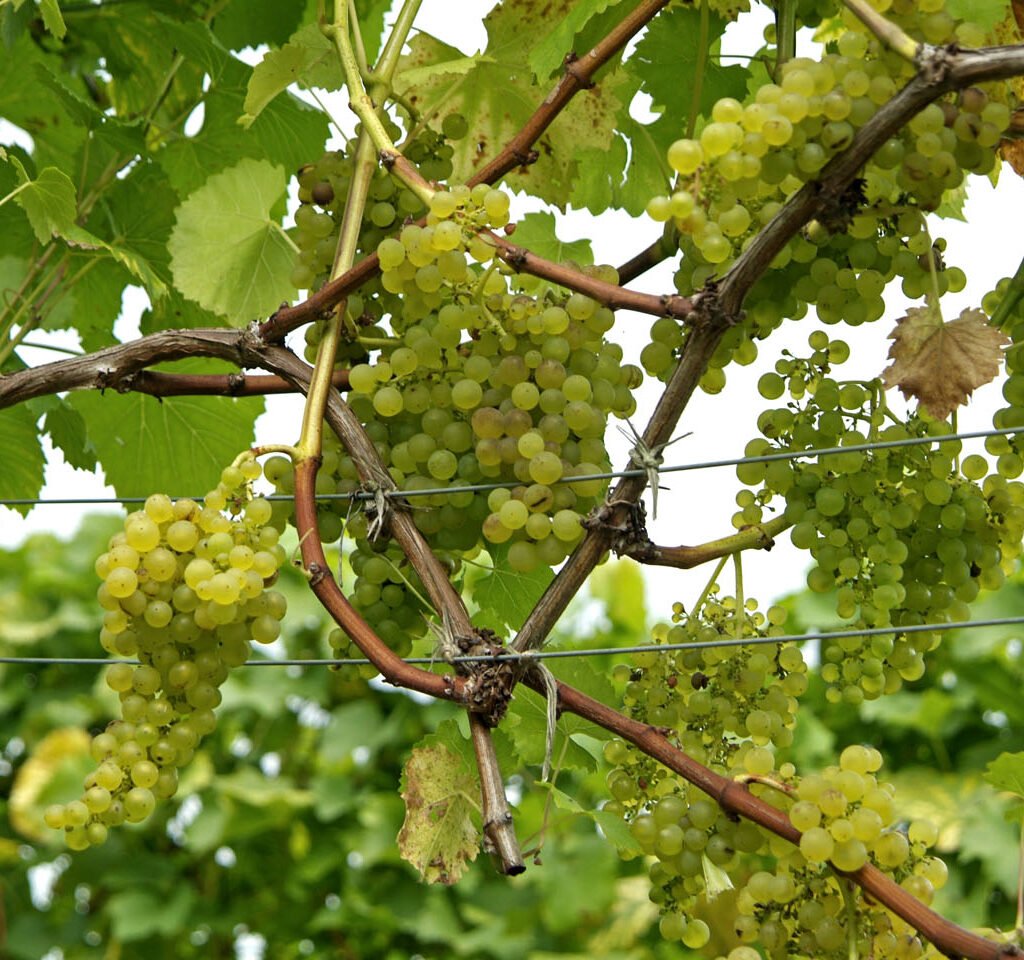
Grapes are one of the oldest cultivated fruits in human history, prized for their flavor, versatility, and beauty. A well-grown vine not only produces fruit but also provides shade, greenery, and structure to your garden.
Here are a few reasons to grow your own:
- Low Maintenance: Once established, grapevines require little attention.
- Longevity: A single vine can produce fruit for decades.
- Versatility: Grapes can be eaten fresh, turned into juice, jelly, wine, or dried as raisins.
- Decorative Appeal: Perfect for trellises, arbors, or fences, giving your yard a vineyard charm.
Choosing the Right Grape Variety
The first step to no-fuss grape growing is selecting the right variety for your region and purpose. Grapes fall into three main categories:
- American Grapes (Vitis labrusca) – Hardy and disease-resistant; includes favorites like Concord and Niagara.
- European Grapes (Vitis vinifera) – Used for wine and table grapes; includes Thompson Seedless, Cabernet Sauvignon, and Chardonnay.
- Hybrid Grapes – Crosses between species that combine flavor with resilience; includes Mars, Himrod, and Reliance.
Tip:
If you live in a region with cold winters or humid summers, opt for American or hybrid varieties since they handle these conditions better.
Ideal Conditions for Growing Grapes
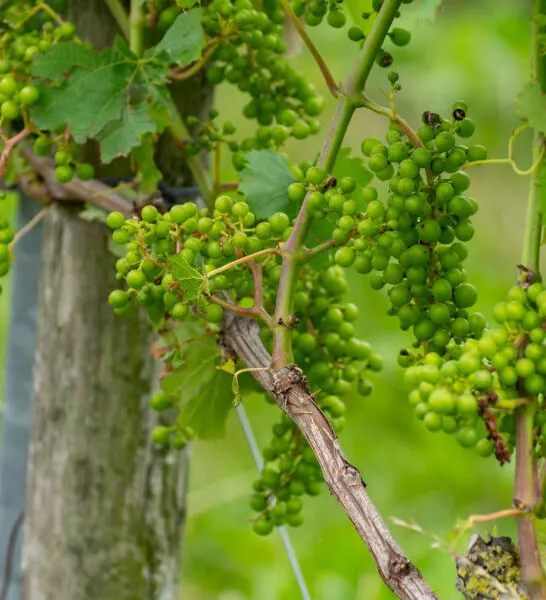
Grapes are remarkably adaptable, but they thrive best when given the right start.
1. Sunlight
Full sunlight is essential. Grapes love warmth, and without adequate sun (at least 6–8 hours daily), the fruit will be smaller and less flavorful.
2. Soil
- Grapes prefer well-drained loam or sandy soil.
- Slightly acidic to neutral pH (between 5.5 and 7.0) is ideal.
- Avoid heavy clay or waterlogged soil — poor drainage leads to root rot.
3. Space
Each vine needs 6–8 feet of space between plants. Proper spacing ensures good air circulation, which reduces disease risk and improves fruit quality.
Planting Grapes in the Backyard
1. When to Plant
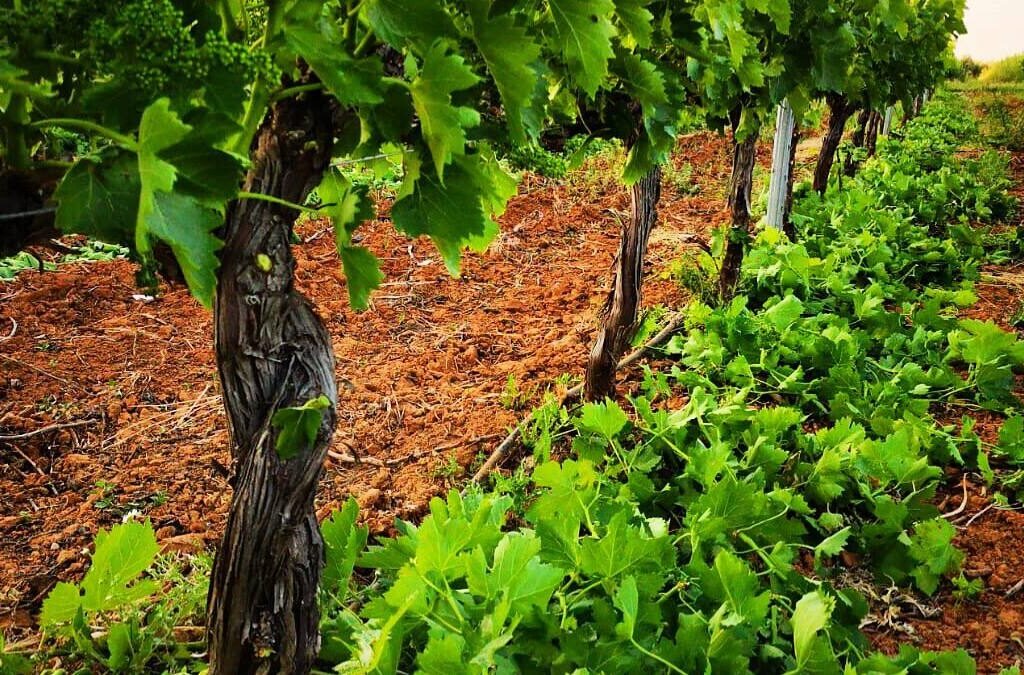
The best time to plant grapevines is early spring, after the last frost. You can also plant in late fall if winters are mild.
2. Preparing the Site
Choose a sunny, open spot. If you’re planting near a fence or trellis, make sure it faces south or west for maximum sunlight exposure.
- Loosen soil to a depth of 12–18 inches.
- Add compost or well-rotted manure to boost fertility.
- Mix in some sand or gravel if the soil retains too much water.
3. Planting Steps
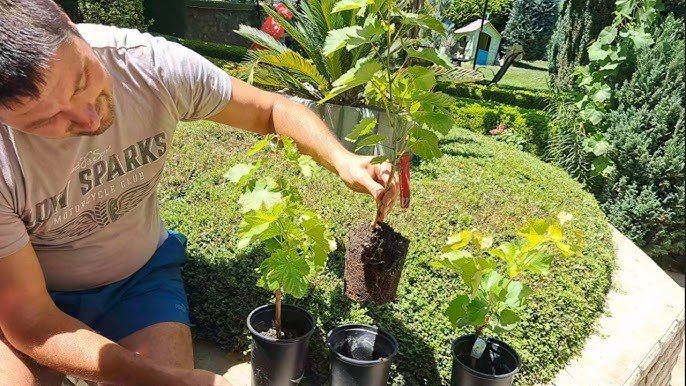
- Dig a hole large enough for the roots to spread freely.
- Place the vine in the hole with the roots pointing downward and outward.
- The crown (where the stem meets the roots) should sit level with the soil.
- Backfill and water thoroughly.
- Mulch around the base to keep soil moist and suppress weeds.
Supporting Your Vines
Grapevines are natural climbers and need support for proper growth.
Trellis Options:
- Single-Wire Trellis: A basic setup with one wire about 5–6 feet above ground.
- Two-Wire Trellis: Provides more space for canopy spread.
- Arbors or Pergolas: Perfect for decorative backyard use and shaded seating areas.
Tie the main stem (called the trunk) to the support and allow side shoots to spread horizontally.
Watering and Feeding
Watering
- Water regularly during the first year until vines are established.
- After that, grapes are drought-tolerant — water only during prolonged dry spells.
- Avoid overwatering; soggy roots can lead to fungal issues.
Fertilizing
- Use a balanced fertilizer like 10-10-10 in early spring.
- Avoid high nitrogen, as it encourages leafy growth over fruiting.
- Add compost yearly for natural nourishment.
Pruning Grapes Made Easy
Pruning might sound intimidating, but it’s the most important step in maintaining healthy, productive grapevines. Luckily, it’s simple once you know the basics.
Why Prune?
- Grapes produce fruit on new growth from last year’s canes.
- Without pruning, vines become tangled and produce fewer grapes.
When to Prune
- Prune in late winter or early spring, before buds start to swell.
How to Prune
- Identify the main trunk and two side arms (called cordons).
- Cut off about 90% of last year’s growth, leaving only a few strong canes.
- Leave 3–4 buds per spur (short side branches).
- Remove weak, dead, or crossing shoots.
Tip: It’s better to prune too much than too little. Grapes thrive with strong, open pruning that lets sunlight and air reach all parts of the vine.
Summer Maintenance
After spring pruning, your main tasks through the growing season are simple:
- Train new shoots to grow along the trellis.
- Pinch off side shoots that overcrowd the plant.
- Remove weeds around the base to prevent competition for nutrients.
- Thin clusters if the vine produces too many — this ensures larger, juicier grapes.
No-Fuss Grape Propagation
If you love your grapevine and want more, propagation is easy and nearly foolproof. You can grow new vines from cuttings, layering, or seeds — but cuttings are the simplest method.
How to Propagate Grapes from Cuttings
- In late winter, take 6–8 inch cuttings from healthy one-year-old canes.
- Each cutting should have 3–4 nodes (buds).
- Dip the cut end in rooting hormone (optional).
- Plant the cuttings in pots filled with a light soil mix or directly into garden soil.
- Keep the soil moist but not waterlogged.
- Place them in a sunny spot — roots should form in 6–8 weeks.
Once roots develop and new leaves appear, transplant the young vines to their permanent location in spring.
Dealing with Pests and Diseases
Grapes are relatively hardy, but a little prevention goes a long way.
Common Pests
- Japanese Beetles: Handpick or use traps.
- Aphids: Wash off with water or apply neem oil.
- Grape Berry Moth: Remove damaged fruit early.
Common Diseases
- Powdery Mildew: White powder on leaves — improve airflow and apply sulfur spray.
- Black Rot: Brown leaf spots and shriveled grapes — remove infected parts and prune regularly.
- Botrytis (Gray Mold): Avoid overhead watering; prune for ventilation.
Maintaining sunlight, air circulation, and clean pruning keeps vines naturally resistant.

Harvesting Backyard Grapes
When to Harvest
Grapes ripen from late summer to early fall, depending on variety and climate.
- Wait until grapes are fully colored and sweet to taste — once picked, they won’t ripen further.
- Taste a few before harvesting — sugar levels rise rapidly toward the end of the season.
How to Harvest
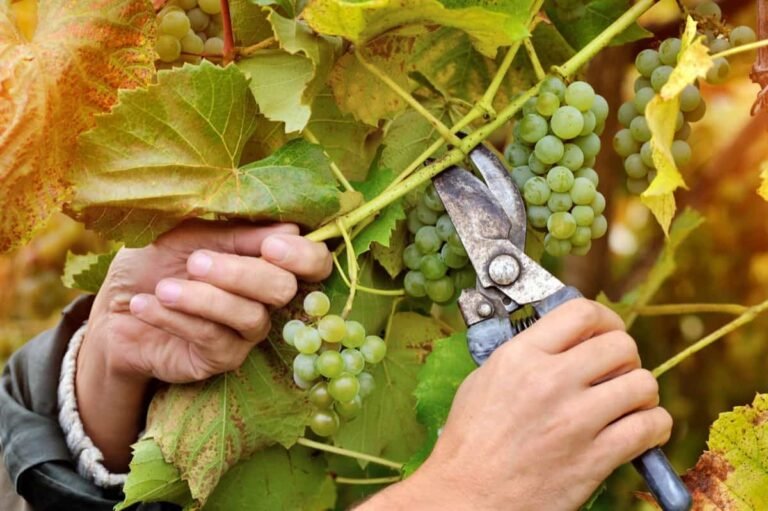
- Cut clusters with pruning shears, leaving a short stem attached.
- Handle gently to avoid bruising.
- Store in a cool, dry place or refrigerate to extend freshness.
Uses of Homegrown Grapes
Your backyard grapes can be enjoyed in countless ways:
- Fresh Eating: Sweet, juicy, and full of antioxidants.
- Juice & Jelly: Perfect for preserving flavor year-round.
- Wine & Vinegar: Homemade fermentation projects for adventurous gardeners.
- Snacks: Dry them into raisins using a dehydrator or sun drying.
Winter Care
Grapevines are hardy but appreciate a little protection in cold climates.
- Mulch heavily around the base to protect roots from freezing.
- Remove fallen leaves and debris to prevent overwintering diseases.
- Avoid pruning during severe cold — wait until late winter.
Health and Nutritional Benefits
Grapes are a natural source of:
- Resveratrol – a potent antioxidant for heart health.
- Vitamins C and K – essential for immunity and bone strength.
- Dietary Fiber – supports digestion.
- Polyphenols – improve blood flow and protect against inflammation.
Eating grapes regularly supports cardiovascular health, energy, and skin vitality.
Final Thoughts
Growing grapes in your backyard doesn’t have to be complicated. With a bit of sunlight, space, and seasonal pruning, you can enjoy abundant harvests of fresh fruit every year.
From training young vines to pruning mature ones and propagating new cuttings, every step is easy and deeply rewarding. The key to success lies in simplicity and consistency — give your grapes good sun, occasional pruning, and freedom to grow.
Before long, your backyard will transform into a mini vineyard, and you’ll be harvesting sweet, sun-warmed clusters that taste like summer itself — the no-fuss way.

Leave A Comment