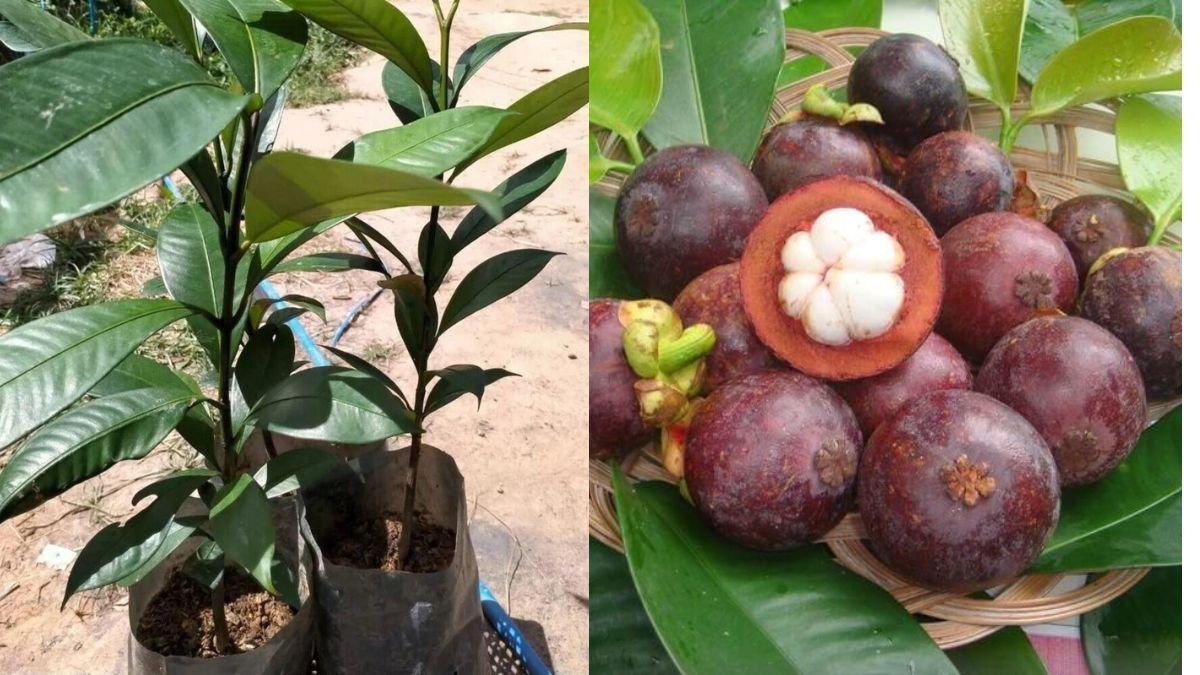
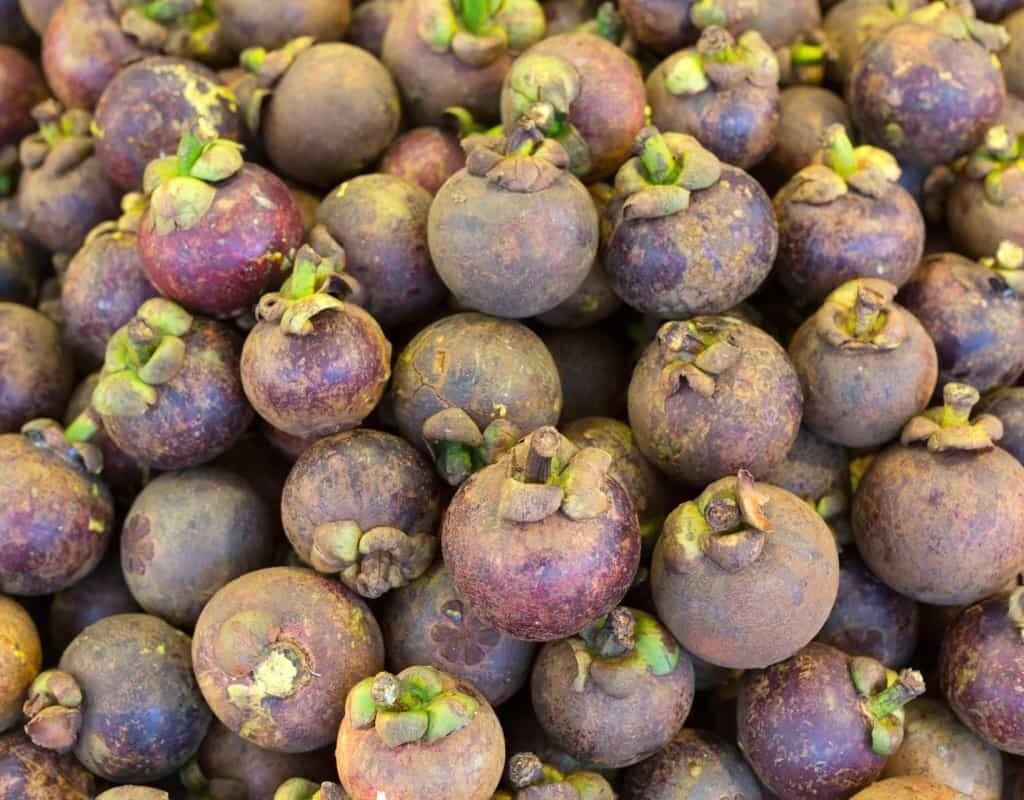
The mangosteen (Garcinia mangostana), often called the “Queen of Fruits,” is one of the most exotic and prized tropical fruits in the world. With its juicy, sweet, and slightly tangy white pulp enclosed in a thick purple rind, mangosteen is beloved for both its unique taste and its exceptional health benefits. Though traditionally grown in humid tropical regions, with patience, care, and the right techniques, you can successfully grow mangosteen at home from seed — even in containers. This comprehensive guide covers every detail you need to know about mangosteen farming, from seed germination to harvesting your first delicious fruits.
Understanding the Mangosteen Plant
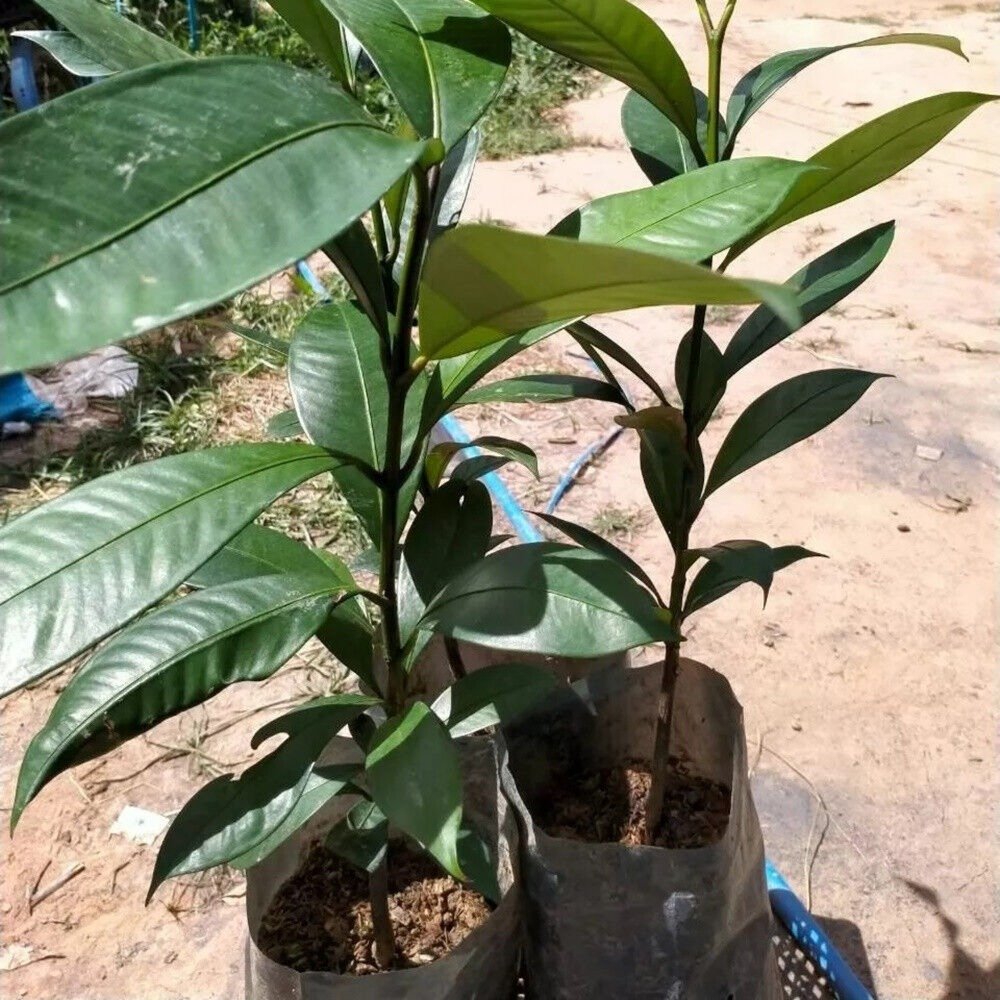
Mangosteen is a slow-growing evergreen tree native to Southeast Asia. It thrives in warm, humid climates with consistent rainfall. The tree can grow up to 20–80 feet tall under natural conditions, but in a controlled environment such as home gardening or pot cultivation, it can be maintained at a smaller size.
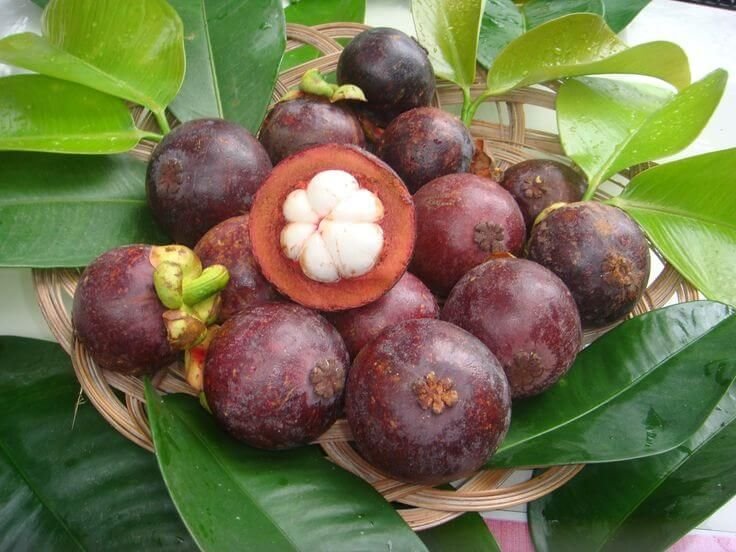
Its glossy green leaves, thick trunk, and reddish new growths make it an attractive ornamental plant as well. However, the real reward is its fruit — round, purple, and filled with soft, aromatic white segments that are incredibly sweet and refreshing.
Mangosteen is a dioecious plant, meaning male and female flowers usually exist on separate trees, but many cultivated varieties are capable of producing fruits without pollination (parthenocarpy).
Health Benefits of Mangosteen
Before diving into cultivation, it’s worth appreciating the nutritional value of mangosteen. This tropical fruit is rich in:
- Antioxidants (xanthones): Help fight inflammation and oxidative stress.
- Vitamin C: Boosts immunity and promotes healthy skin.
- Fiber: Supports digestion and gut health.
- Potassium and magnesium: Maintain heart and muscle health.
- Low in calories: Perfect for healthy, guilt-free snacking.
Regular consumption of mangosteen is associated with improved immunity, anti-aging properties, and better digestive health.
Step 1: Seed Collection and Preparation
Mangosteen seeds are recalcitrant — they lose viability quickly once removed from the fruit. Hence, fresh seeds must be planted within 3–5 days after extraction.
How to Prepare Seeds:
- Select ripe, dark purple mangosteens.
- Cut the fruit gently and remove the white flesh segments.
- Extract the seeds and wash off all pulp residues.
- Soak the seeds in clean water for 24 hours to promote germination.
- Wrap them in moist tissue or place them in a seed tray with a mix of cocopeat and sand to sprout.
Germination may take 2–4 weeks, depending on temperature and humidity.
Step 2: Germinating and Growing Seedlings
Once the seeds sprout, transplant them into small containers filled with a well-draining, nutrient-rich potting mix. An ideal mix includes:
- 40% garden soil
- 30% compost or organic manure
- 20% cocopeat or perlite
- 10% sand
Keep the soil consistently moist but not waterlogged. Mangosteen seedlings are delicate and sensitive to both drought and excess moisture.
Light Requirements:
Place the container in a partially shaded area where the seedlings receive bright but indirect sunlight. Direct harsh sunlight can damage the tender leaves.
Temperature:
Mangosteen prefers a warm environment with temperatures between 25°C–35°C (77°F–95°F) and high humidity. Avoid exposure to cold or dry winds.
Seedlings typically reach 15–20 cm in height within 3–5 months.
Step 3: Transplanting Seedlings to Larger Pots
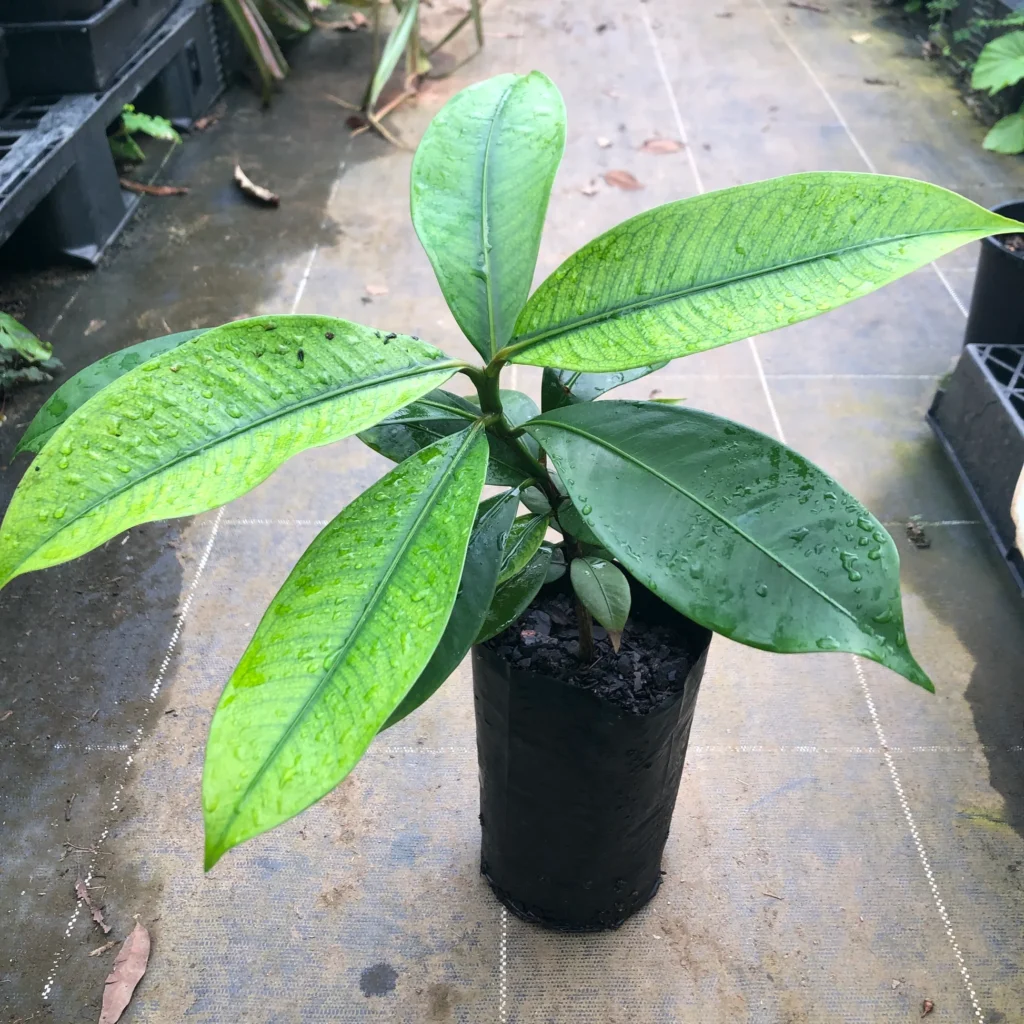
Once the seedlings have developed a strong root system, they can be transplanted into larger pots for long-term growth.
Pot Size:
Start with a 12–16 inch pot and gradually increase the size as the tree grows. Eventually, a 30–40 inch deep pot is ideal for a mature mangosteen tree.
Potting Mix:
Use a mix similar to the seedling stage but enriched with organic compost and bone meal to encourage root development. Make sure the pot has good drainage holes.
Transplanting Tips:
- Water the seedling thoroughly before transplanting.
- Gently remove it from the smaller container without damaging the roots.
- Place it in the new pot, ensuring the root collar remains at soil level.
- Fill in with fresh potting mix and press lightly.
- Water again and place the pot in a shaded area for a week to allow the plant to adapt.
Step 4: Caring for Mangosteen Plants
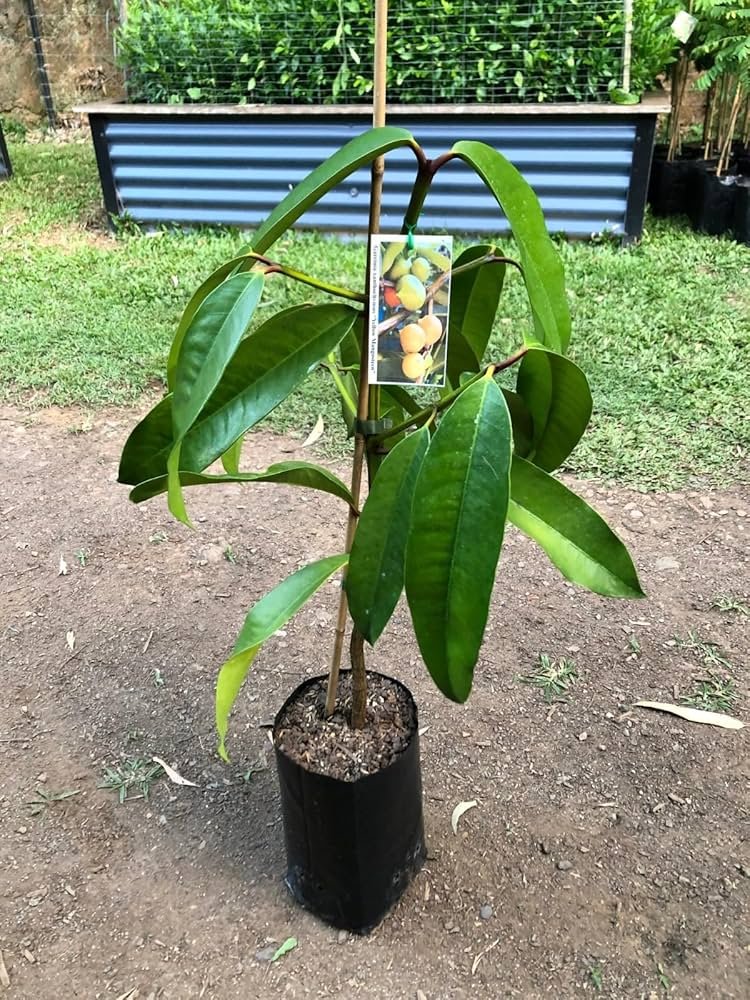
Mangosteen trees require consistent care, particularly in the early years.
1. Watering:
Keep the soil evenly moist. Avoid letting the soil dry out completely, but also prevent standing water, as mangosteen roots are prone to rot. In hot weather, water daily or every alternate day.
2. Fertilization:
Apply organic fertilizers such as compost, cow dung manure, or vermicompost every 2–3 months. During the growing phase, supplement with liquid seaweed extract or a balanced NPK fertilizer (10-10-10) for better leaf and root development.
3. Mulching:
Add a 2–3 inch layer of organic mulch (straw, dry leaves, or coco husk) around the base to retain moisture and regulate soil temperature.
4. Sunlight:
Provide 5–6 hours of bright indirect sunlight. In extremely hot regions, offer partial shade to prevent leaf scorching.
5. Pruning:
Prune the lower branches and dead leaves annually to promote air circulation and shape the plant for better growth.
6. Pest and Disease Control:
Mangosteen is generally pest-resistant, but it can occasionally face issues like aphids, mealybugs, or fungal leaf spots. Use neem oil spray or insecticidal soap to control infestations naturally.
Step 5: Flowering and Fruiting Stage
Mangosteen trees are slow to mature. When grown from seeds, they usually start flowering and fruiting after 7–10 years. However, with grafted or well-maintained plants, fruiting can occur as early as 5 years.
Flowering:
The tree produces small, waxy, pinkish-white flowers that appear at branch tips. These flowers are mostly female and can produce fruit without pollination.
Fruit Development:
Once pollinated, the fruit takes around 5–6 months to mature. The outer rind turns deep purple when ripe, while the inner pulp remains white and soft.
Each mangosteen fruit typically contains 4–8 juicy segments. The yield increases as the tree matures, with older trees producing dozens of fruits annually.
Step 6: Harvesting and Post-Harvest Care
Mangosteen fruits are ready to harvest when they turn a rich purple color and emit a sweet aroma. The fruit should be firm but slightly yield to pressure.
Harvesting Tips:
- Use pruning shears or scissors to cut the fruits rather than pulling them by hand.
- Handle gently to avoid damaging the thick rind.
- Store harvested fruits in a cool, dry place — they can last for several weeks under proper conditions.
Climate and Location Requirements
Mangosteen thrives best in tropical and subtropical regions. It prefers high humidity, well-distributed rainfall, and slightly acidic soil (pH 5.5–6.5).
If you live in a non-tropical area, it’s best to grow mangosteen in large pots and keep the plant indoors or in a greenhouse during winter. Consistent humidity and warmth are key to success.
Growing Mangosteen in Containers
Growing mangosteen in pots is ideal for home gardeners with limited space. Here are a few extra tips for container growers:
- Choose a large terracotta or plastic pot with good drainage.
- Use well-aerated soil enriched with organic compost.
- Keep the pot in a bright area but protected from harsh direct sunlight.
- Regularly mist the plant to maintain humidity.
- Repot every 2–3 years to refresh the soil and give roots more space.
Conclusion
Mangosteen farming is a rewarding experience for any gardener who loves rare tropical fruits. Though it requires patience — especially in waiting for the tree to bear fruit — the results are worth the effort. With proper care, warmth, and moisture, you can enjoy growing this magnificent fruit tree right at home, even in a pot.
By following this complete guide, from germinating seeds to harvesting ripe purple fruits, you can cultivate your own mangosteen tree and savor the “Queen of Fruits” from your very own garden.

Leave A Comment