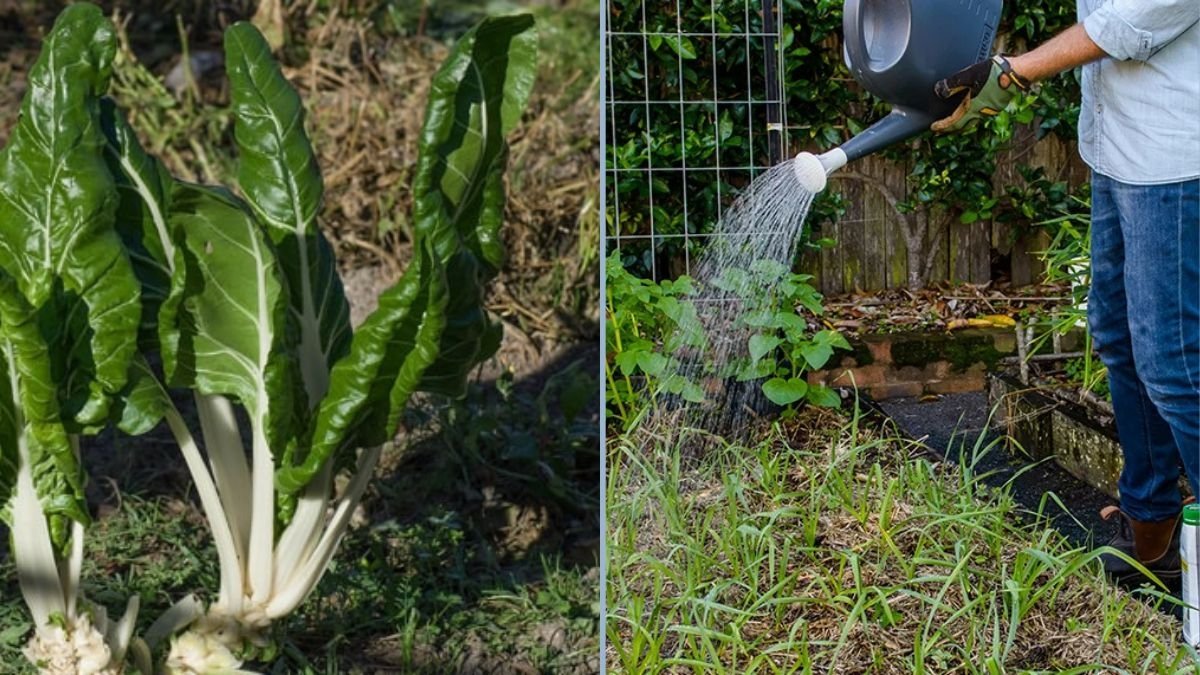
Seaweed, often seen washed up along the coastline, is not just a marine plant—it’s a gardeners’ secret weapon. Packed with minerals, trace elements, and natural growth hormones, seaweed can transform your garden into a lush, vibrant, and productive space. From enriching soil to boosting plant immunity, this natural, sustainable resource has been used for centuries in gardening.
In this guide, we’ll explore the benefits of using seaweed in your garden, different ways to apply it, and step-by-step instructions for creating your own seaweed-based fertilizers and soil conditioners.
Why Use Seaweed in Your Garden?
Seaweed is a powerhouse of nutrients that are often missing in regular garden soil. Some of the key benefits include:
- Rich in micronutrients: Contains potassium, magnesium, calcium, and trace elements essential for plant growth.
- Natural growth hormones: Includes auxins, cytokinins, and gibberellins that stimulate root and shoot development.
- Soil conditioner: Improves soil structure, water retention, and aeration.
- Pest and disease resistance: Helps plants develop resilience against fungal infections and pests.
- Sustainable and eco-friendly: A natural alternative to chemical fertilizers.
Using seaweed is a cost-effective, organic method to improve both plant health and soil fertility.
Types of Seaweed for Gardening
Not all seaweed is the same. Different types are used for different purposes:
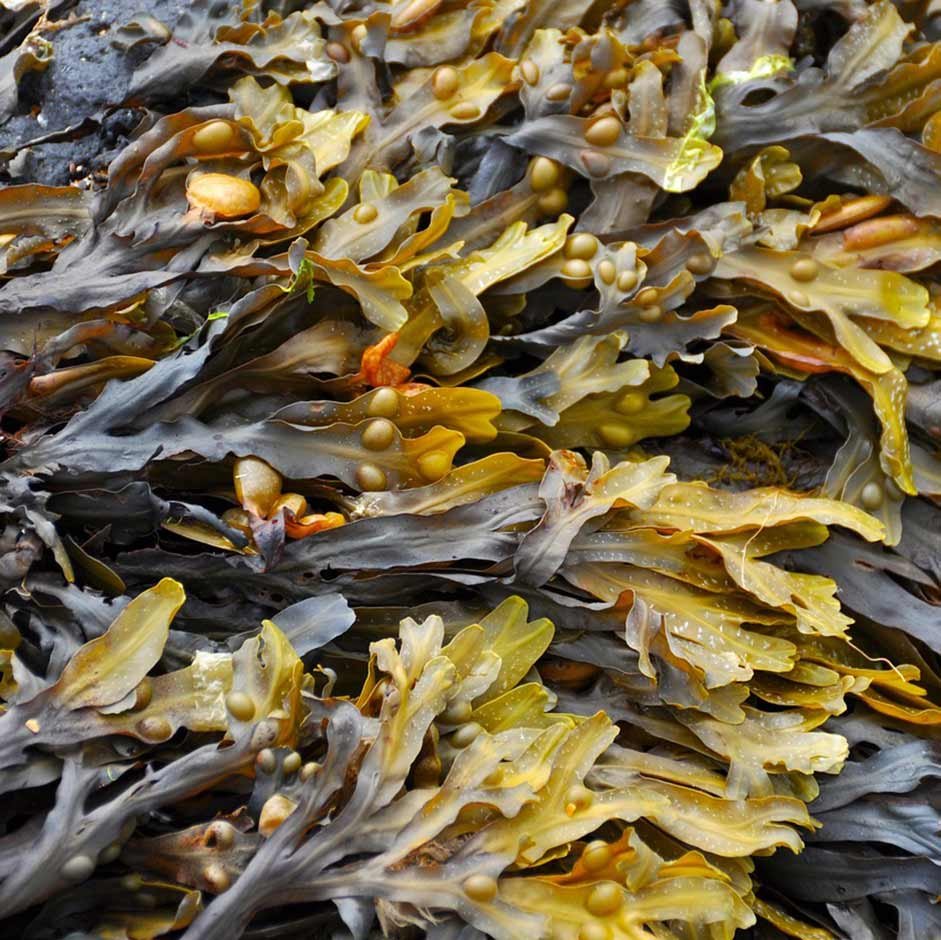
- Kelp: Highly nutritious, ideal for making liquid fertilizers and soil conditioners.
- Bladderwrack: Rich in potassium, often used in compost and mulch.
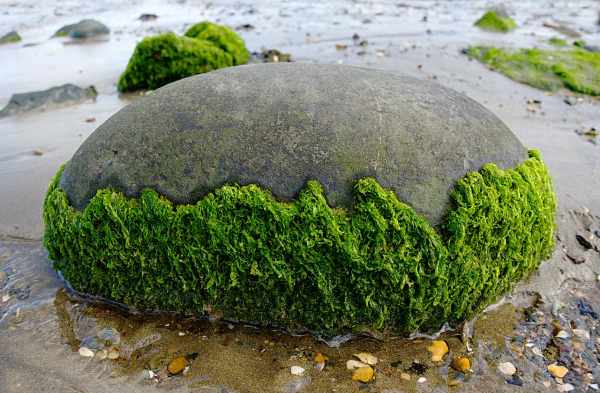
- Sea lettuce (Ulva): Soft and easily compostable, great for soil enrichment.
- Rockweed: Tough and fibrous, good for mulching.
Fresh or dried seaweed can both be used, but avoid seaweed from polluted areas, as it may contain harmful chemicals.
How to Prepare Seaweed for Garden Use
1. Fresh Seaweed
- Rinse thoroughly in fresh water to remove excess salt and sand.
- Chop into small pieces for easy handling.
- Use immediately in compost, mulch, or as a liquid fertilizer.
2. Dried Seaweed
- Can be stored for long periods.
- Rehydrate in water before use or crumble directly into compost or soil.
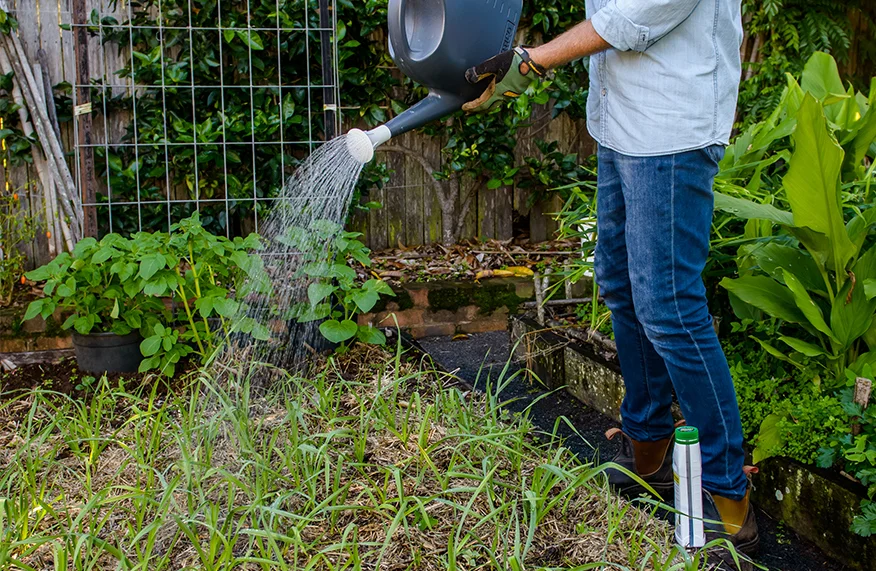
3. Seaweed Liquid Fertilizer (Seaweed Tea)
- Soak fresh or dried seaweed in a bucket of water for 2–4 weeks.
- Stir occasionally to release nutrients.
- Strain and dilute 1:10 before using as a foliar spray or soil drench.
Ways to Use Seaweed in Your Garden
1. As a Soil Conditioner
Seaweed improves soil structure and fertility:
- Chop fresh seaweed and mix it into garden beds.
- Apply dried seaweed as mulch around plants.
- Incorporate it into compost heaps for faster decomposition and nutrient enrichment.
This helps retain moisture, increase aeration, and boost microbial activity in the soil.
2. As a Fertilizer
Seaweed provides essential nutrients for plants:
- Use chopped or shredded seaweed directly around plant roots.
- Create liquid fertilizer (seaweed tea) and pour around the base of plants every 2–3 weeks.
- Seaweed fertilizers are gentle and safe, suitable for seedlings and mature plants alike.
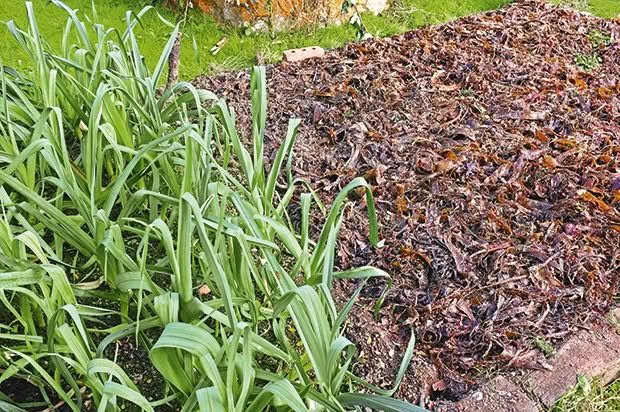
3. As Mulch
Mulching with seaweed protects plants and enriches soil:
- Lay a thin layer of seaweed around vegetable beds, flower borders, or fruit trees.
- Helps retain moisture, suppress weeds, and slowly release nutrients as it decomposes.
- Over time, seaweed adds organic matter, improving soil fertility naturally.
4. As a Foliar Spray
Seaweed tea can be sprayed directly on leaves:
- Apply in the early morning or late evening to avoid sunburn.
- Strengthens plant immunity and promotes vibrant leaf growth.
- Provides quick absorption of micronutrients.
5. In Compost
Seaweed is a valuable addition to compost piles:

- Mix with other organic materials like vegetable scraps, leaves, and grass clippings.
- Helps accelerate decomposition and balances nutrient content.
- Can also reduce the need for chemical compost accelerators.
Plants That Benefit Most from Seaweed
Seaweed can be used on almost any plant, but some benefit more than others:
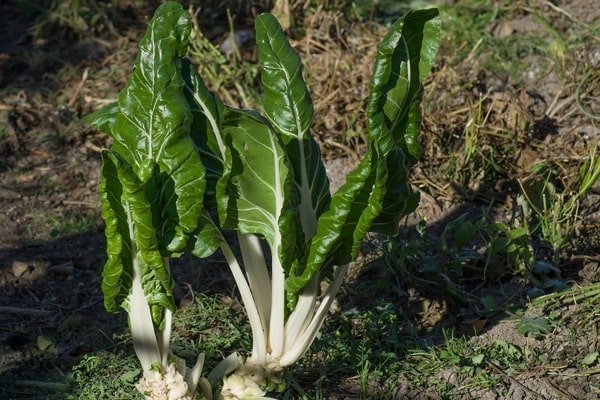
- Vegetables: Tomatoes, cucumbers, lettuce, spinach, and peppers thrive with seaweed enrichment.
- Fruits: Strawberries, blueberries, apples, and citrus show better flowering and fruit set.
- Flowers: Roses, marigolds, sunflowers, and hibiscus develop stronger stems and vibrant blooms.
- Lawns: Promotes green, lush grass while enhancing soil health.
Regular use ensures stronger plants, better yields, and vibrant foliage.
Tips for Using Seaweed Safely
- Avoid overuse: Excessive seaweed can increase soil salinity.
- Rinse thoroughly: Always rinse fresh seaweed to remove salt that can harm plants.
- Use organic sources: Harvest from unpolluted coasts or purchase certified organic seaweed products.
- Rotate use: Alternate seaweed with other organic fertilizers like compost or manure for balanced nutrients.
Making the Most of Seaweed Year-Round
- Store dried seaweed: Keep a supply for winter fertilization.
- Preserve liquid fertilizer: Seaweed tea can be stored for 1–2 weeks in a cool, dark place.
- Integrate into routine gardening: Apply every 2–4 weeks for continuous nutrient support.
- Combine with other organic inputs: Pair with compost, vermicompost, or liquid manure for optimal results.
Benefits Beyond Nutrients
Seaweed isn’t just about nutrition—it also provides:
- Improved soil structure: Increases aeration and water retention.
- Enhanced microbial activity: Stimulates beneficial bacteria and fungi.
- Pest resistance: Improves plant resilience against insects and diseases.
- Environmental sustainability: Reduces reliance on chemical fertilizers, promoting eco-friendly gardening.
Using seaweed aligns perfectly with organic and sustainable gardening practices.

Final Thoughts
Seaweed is a miracle ingredient for gardeners looking to enhance soil health, boost plant growth, and improve yields naturally. Whether used as a soil conditioner, mulch, compost additive, fertilizer, or foliar spray, seaweed provides essential nutrients, natural growth hormones, and environmental benefits.
By incorporating seaweed into your gardening routine, you can enjoy stronger plants, vibrant flowers, lush vegetables, and improved soil fertility, all while reducing chemical use. From small urban gardens to larger backyard setups, seaweed is an eco-friendly, versatile, and highly effective tool for a thriving, healthy garden.
Next time you spot seaweed by the shore, remember that this humble marine plant can transform your garden into a flourishing, nutrient-rich paradise.


Leave A Comment