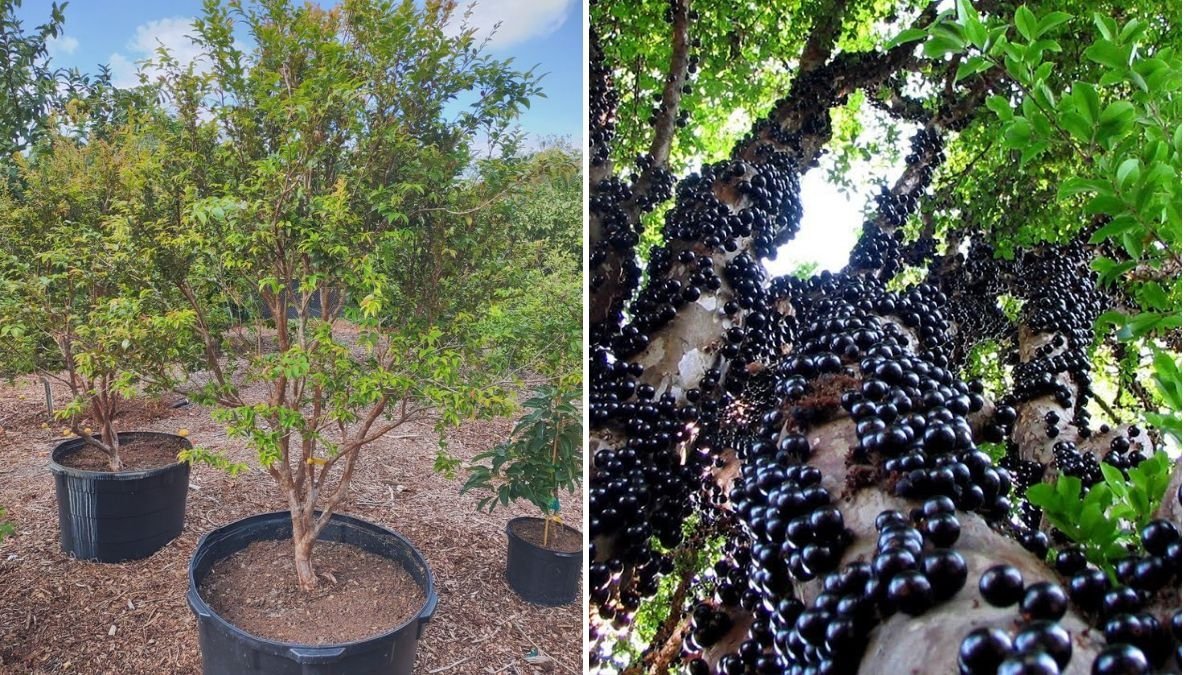
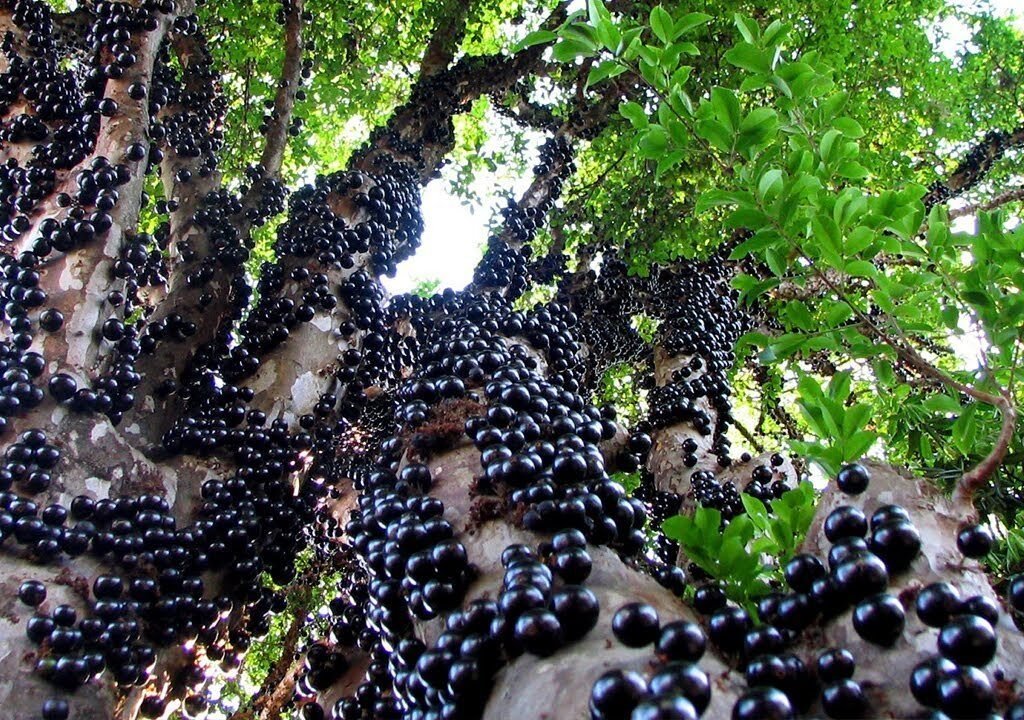
The Jabuticaba (Plinia cauliflora), also known as the Brazilian grape tree, is one of the most fascinating and beautiful fruit trees in the world. Native to Brazil, this tree is famous for its unique growth habit — the fruit grows directly on the trunk and larger branches, creating the appearance of a tree covered in shiny black pearls.
Loved for its deliciously sweet, grape-like fruit and ornamental beauty, Jabuticaba has captured the attention of gardeners, botanists, and fruit enthusiasts worldwide. If you are looking to cultivate this exotic treasure in your garden or orchard, this comprehensive guide will walk you through everything you need to know about growing Jabuticaba successfully — from soil preparation to harvest.
1. Introduction to Jabuticaba
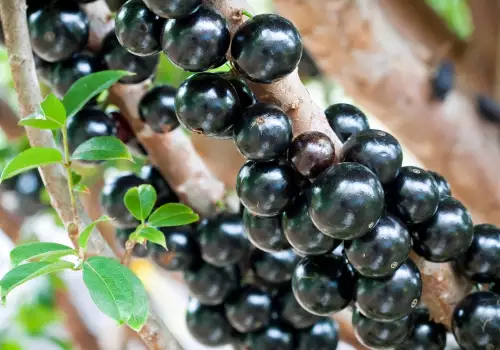
The word Jabuticaba comes from the Tupi-Guarani language, meaning “place of the jabuticaba.” The tree belongs to the Myrtaceae family, which also includes guava and eucalyptus. Jabuticaba is a slow-growing, evergreen tree that can reach up to 10–15 meters tall in the wild but is often smaller in cultivation (around 4–6 meters).
Its fruits are round, dark purple to black berries, about the size of grapes. The sweet, gelatinous pulp is white or pinkish, containing one to four seeds. Jabuticaba fruits are eaten fresh or used to make jellies, wines, juices, and liqueurs.
2. Unique Growth Habit
What makes Jabuticaba truly special is cauliflory — a rare botanical phenomenon where flowers and fruits grow directly from the trunk and mature branches instead of new shoots.
When in bloom, the tree is covered with clusters of small white flowers that later turn into shiny, grape-like fruits. This feature not only makes the tree ornamental but also easy to harvest.
3. Ideal Climate for Jabuticaba
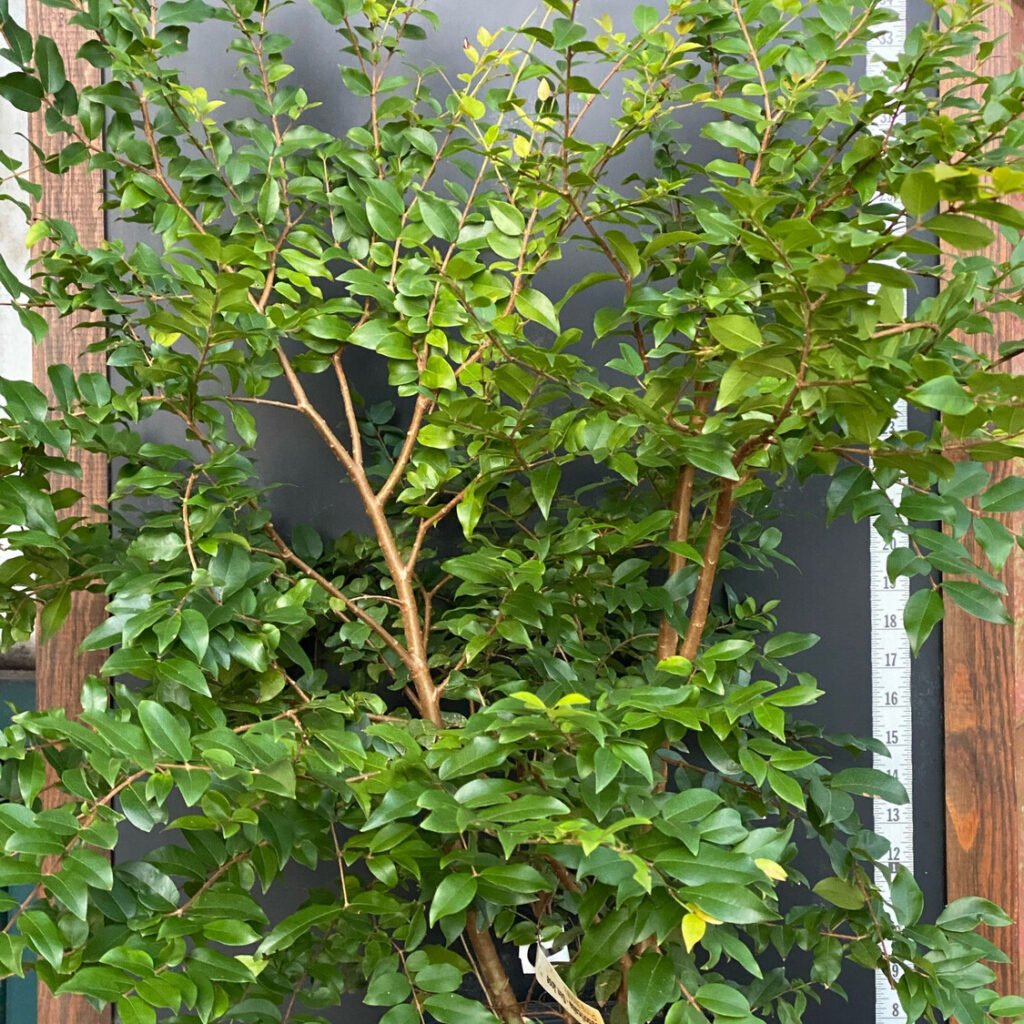
Jabuticaba thrives in warm, humid subtropical and tropical climates, similar to its native habitat in Brazil.
- Temperature: Ideal range is 20°C to 32°C. The plant can tolerate mild frost for short periods but not prolonged freezing temperatures.
- Rainfall: Prefers 1,500–2,000 mm annual rainfall with even distribution.
- Humidity: High humidity (70–85%) promotes better flowering and fruiting.
- Light: Prefers full sunlight but young plants benefit from partial shade during the first few years.
- Altitude: Can grow from sea level up to 900 meters.
In cooler regions, Jabuticaba can be grown successfully in containers or greenhouses, provided humidity and warmth are maintained.
4. Soil Requirements
Jabuticaba trees are not very demanding but grow best in rich, slightly acidic, well-draining soil.
- Soil Type: Sandy loam or loam rich in organic matter.
- pH Level: Between 5.5 and 6.5.
- Drainage: Essential to prevent root rot; the soil should retain some moisture but not remain soggy.
- Fertility: High organic content encourages vigorous growth. Add compost, decomposed manure, or peat moss regularly.
If planting in pots, use a mix of 2 parts garden soil, 1 part compost, and 1 part river sand for balanced drainage and nutrition.
5. Propagation Methods
Jabuticaba can be propagated by seeds, grafting, or air layering.
a. Seed Propagation
- Use fresh seeds from ripe fruits; they lose viability quickly.
- Clean and plant immediately in moist soil.
- Germination takes 30–45 days under warm, humid conditions.
- Seedlings grow slowly and may take 6–10 years to bear fruit.
b. Grafting or Air Layering
For quicker fruiting, vegetative propagation is preferred.
- Grafted plants bear fruit in 3–4 years.
- Air-layering produces clones of the parent plant, maintaining the same fruit quality.
Commercial growers usually choose grafted varieties for uniformity and faster returns.
6. Varieties of Jabuticaba
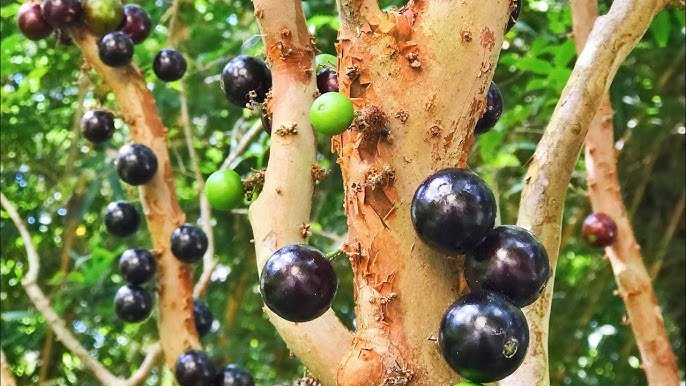
There are several species and cultivars, but the most popular ones for cultivation include:
- Plinia cauliflora (Sabará): The most common and best-tasting variety; small fruits but very sweet.
- Plinia jaboticaba (Paulista): Larger fruit and faster growth.
- Plinia trunciflora (Cabinho): Produces elongated fruit with slightly tart flavor.
- Plinia aureana (White Jabuticaba): Rare variety with pale-yellow fruit.
Among these, the Sabará Jabuticaba is most widely grown due to its rich flavor and high yield potential.
7. Planting and Spacing
a. Land Preparation
Clear weeds and loosen the soil deeply. Prepare pits 60 cm × 60 cm × 60 cm, spaced 5–6 meters apart for field planting.
b. Planting Time
The best time to plant is at the start of the rainy season to ensure good root establishment.
c. Planting Method
- Fill the pit with a mixture of soil, compost, and organic manure (2:1:1).
- Gently place the seedling and cover the roots with soil.
- Water immediately and mulch with dry leaves or straw.
- Provide partial shade for young plants for the first few months.
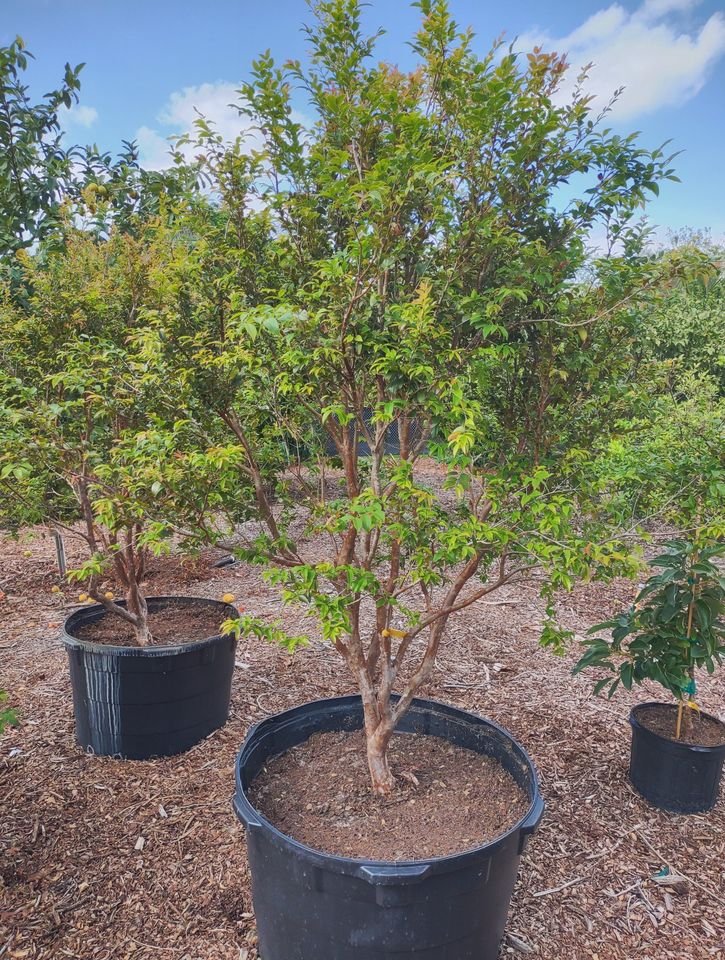
For container growing, choose a large pot (at least 20–25 inches in diameter) with drainage holes.
8. Watering and Irrigation
Jabuticaba loves moisture but not waterlogging. Regular and consistent watering is crucial, especially during dry periods.
- Young plants: Water daily or every alternate day.
- Mature trees: Deep watering once or twice a week, depending on weather.
- During flowering and fruiting: Maintain consistent soil moisture to prevent fruit drop.
Drip irrigation systems are ideal for maintaining uniform soil moisture.
9. Fertilization and Nutrient Management
Feed the tree with organic and mineral fertilizers to maintain steady growth and productivity.
Recommended Schedule:
| Age of Tree | Organic Manure (kg/tree/year) | NPK (10:10:10) (g/tree) | Application Frequency |
|---|---|---|---|
| 1–2 years | 5–10 | 100 | Every 3 months |
| 3–4 years | 15–20 | 200 | Every 3 months |
| 5+ years | 25–40 | 400 | Twice a year |
Supplement with micronutrients (iron, zinc, manganese) if leaves show chlorosis. Organic mulch helps retain nutrients and moisture.
10. Pruning and Tree Management
Pruning is minimal but important to shape the canopy and promote light penetration.
- Early stage: Train the tree with a strong central trunk and 3–4 main branches.
- Maintenance pruning: Remove dead, diseased, or crossing branches.
- Post-harvest pruning: Light trimming after each fruiting cycle helps new growth.
Avoid heavy pruning as Jabuticaba fruits form directly on old wood.
11. Flowering and Fruiting Cycle
Jabuticaba typically flowers 2–3 times a year, depending on climate and care.
- Flowering: Small white flowers appear directly on the trunk and branches.
- Fruiting: Fruits develop within 30–45 days after flowering.
- Harvest season: Main harvest occurs spring through late summer.
- Mature trees can bear fruit multiple times a year if kept well-watered and fertilized.
12. Pests and Diseases
Jabuticaba trees are fairly hardy but can be affected by certain pests and diseases.
Common Pests:
- Fruit fly: Lay eggs inside fruit. Use traps and remove infested fruits.
- Scale insects & mealybugs: Attack stems and leaves. Control with neem oil or horticultural soap.
Diseases:
- Anthracnose (Colletotrichum spp.): Causes black spots on fruits and leaves. Use copper-based fungicides.
- Root rot: Caused by poor drainage. Improve aeration and avoid overwatering.
Regular monitoring and integrated pest management keep the plants healthy.
13. Harvesting and Yield
Jabuticaba fruits mature about 4–6 weeks after flowering. The fruits should be harvested when fully ripe — deep purple to black and slightly soft to touch.
- Harvest method: Handpick or gently twist the fruits from the trunk.
- Yield: Mature trees can yield 40–100 kg of fruit annually, depending on care and variety.
- Post-harvest: Fruits have a short shelf life (2–3 days). Store in cool temperatures or process into wine, jelly, or juice soon after harvesting.
14. Economic Potential and Uses
Jabuticaba farming offers excellent commercial opportunities due to its high value and niche market demand.
- Fresh fruit: Sold in local and gourmet markets.
- Processed products: Jams, jellies, wines, liqueurs, and juices are highly profitable.
- Medicinal uses: The fruit is rich in antioxidants, vitamin C, anthocyanins, and anti-inflammatory compounds.
- Aesthetic value: Its ornamental appearance makes it popular in landscaping.
Countries like Brazil, Thailand, and the Philippines are promoting Jabuticaba as a high-value tropical fruit crop, with increasing interest in export markets.
15. Tips for Growing Jabuticaba in Pots
If you have limited space, Jabuticaba can be grown successfully in large containers:
- Use a 20–25 inch pot with drainage holes.
- Ensure slightly acidic soil.
- Keep the plant in full sun with partial afternoon shade.
- Water regularly to keep the soil moist.
- Fertilize lightly every 2–3 months.
- Prune lightly to maintain shape.
Container-grown Jabuticaba trees can bear fruit after 3–4 years, offering both beauty and bounty.
16. Conclusion
The Jabuticaba tree is truly a marvel of nature — ornamental, productive, and rewarding to grow. Its unusual trunk-borne fruits, sweet grape-like flavor, and cultural significance make it one of the most captivating fruit trees in the world.
By providing the right climate, soil, and consistent care, Jabuticaba can flourish in gardens or pots, offering delicious harvests multiple times a year. Whether for personal enjoyment or commercial cultivation, growing Jabuticaba is a journey of patience and beauty — one that brings the taste of Brazil right to your home.

Leave A Comment