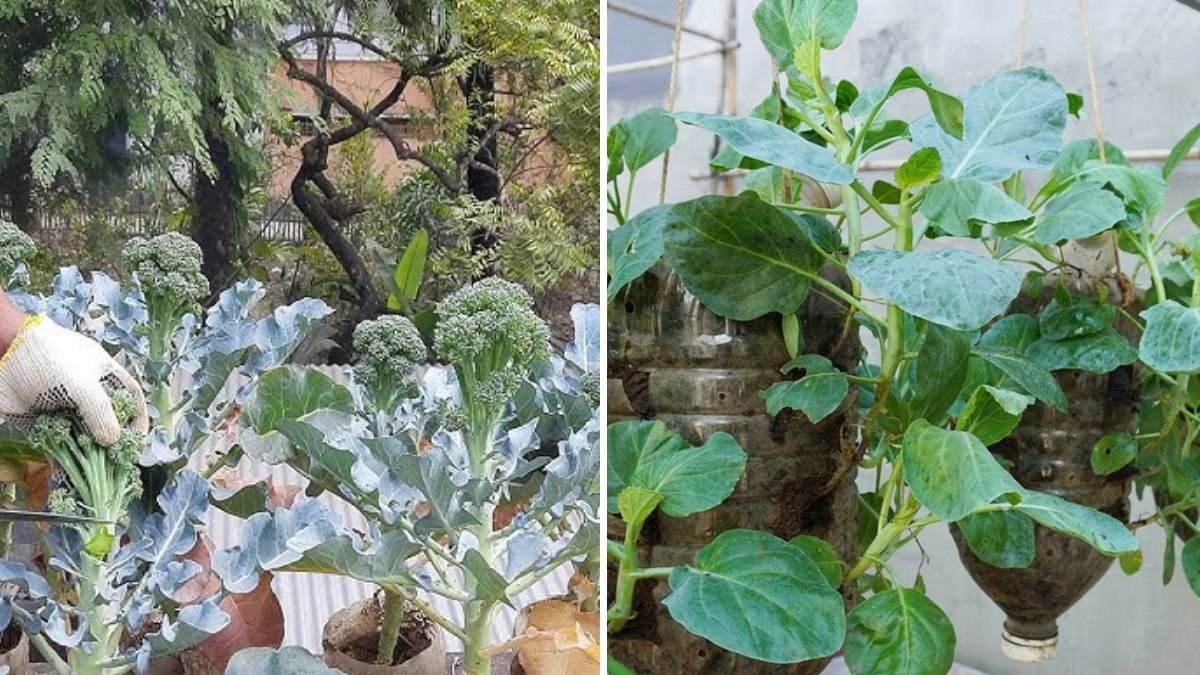
Imagine being able to grow fresh, nutritious vegetables at home without spending hours on gardening chores. With Chinese broccoli (Gai Lan) and a few simple materials, this is entirely possible. Using plastic bottles as mini-planters, you can cultivate fresh Chinese broccoli right on your balcony, terrace, or kitchen counter—even with minimal attention. This method is perfect for beginners, busy individuals, and anyone looking to enjoy homegrown, healthy greens without intensive care.
In this comprehensive guide, we’ll cover everything you need to know about growing Chinese broccoli in plastic bottles, including preparation, planting, care, and harvesting.
1. Why Grow Chinese Broccoli at Home?
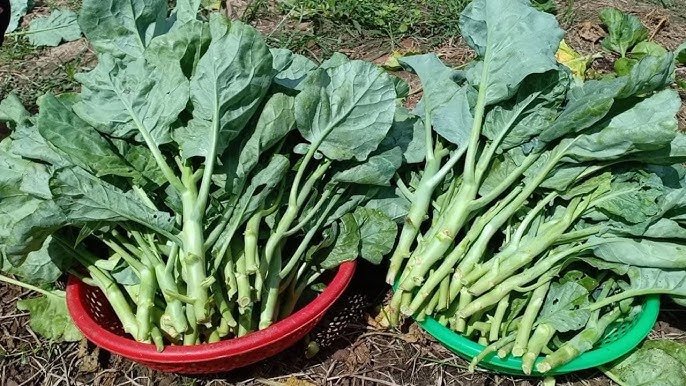
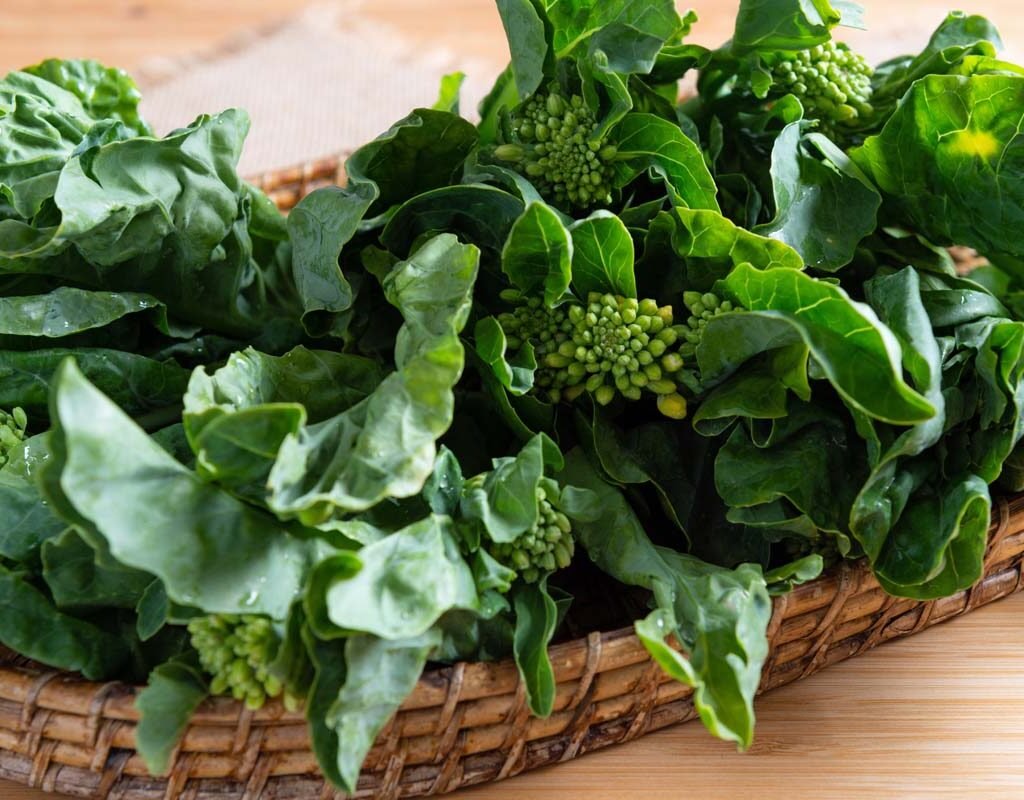
Chinese broccoli, also known as Gai Lan, is a leafy green vegetable with tender stems and flavorful leaves. It is widely used in Asian cuisine and is highly nutritious.
Nutritional benefits of Chinese broccoli include:
- Rich in vitamins A, C, and K
- High in calcium, iron, and fiber
- Contains antioxidants that support overall health
- Promotes bone health, immunity, and digestion
Growing it at home allows you to:
- Ensure fresh, pesticide-free vegetables
- Save money on grocery bills
- Reduce trips to the market
- Engage in sustainable, eco-friendly gardening
Even without constant care, Chinese broccoli is hardy and grows quickly, making it ideal for container gardening.

2. Why Use Plastic Bottles for Growing Vegetables?
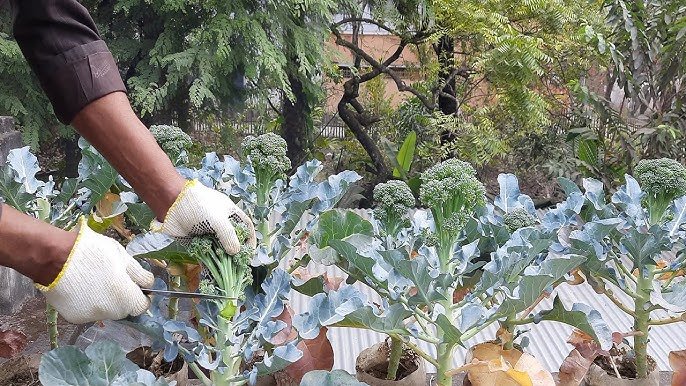
Plastic bottle gardening is a smart, eco-friendly solution for urban gardeners. Using recycled bottles for Chinese broccoli offers several advantages:
- Saves space: Ideal for balconies, terraces, and small kitchens.
- Eco-friendly: Recycles plastic, reducing environmental waste.
- Water-efficient: Soil in bottles retains moisture, requiring less frequent watering.
- Portable: Bottles can be moved for optimal sunlight or protection from harsh weather.
- Low-maintenance: Perfect for busy individuals who want fresh vegetables with minimal effort.
This approach allows you to grow organic vegetables anywhere, even if you don’t have a traditional garden.
3. Materials Needed for Plastic Bottle Gardening
Before starting, gather the following materials:
- Plastic bottles (1.5–2 liters work best)
- Potting soil or compost mix (well-draining, nutrient-rich)
- Chinese broccoli seeds or seedlings
- Scissors or a craft knife
- String, wire, or hooks (optional for hanging bottles)
- Watering can or spray bottle
Optional: liquid organic fertilizer to promote healthy growth and faster harvest.
With these simple materials, you can start growing Chinese broccoli right at home.
4. Preparing Plastic Bottles for Planting
Transforming a plastic bottle into a functional planter is easy:
- Clean the Bottles:
Wash thoroughly to remove labels and residues. - Cut an Opening:
Make a rectangular or circular hole on the side of the bottle for easy planting and harvesting. - Add Drainage Holes:
Punch small holes at the bottom to prevent waterlogging. - Optional Hanging Setup:
Use holes near the top and thread a string or wire to hang bottles vertically. This is great for space-saving vertical gardens. - Add Soil:
Fill the bottle with 3–4 inches of nutrient-rich soil, mixed with compost or perlite for better drainage.
Your bottle is now ready for planting Chinese broccoli seeds or seedlings.
5. Selecting Seeds or Seedlings
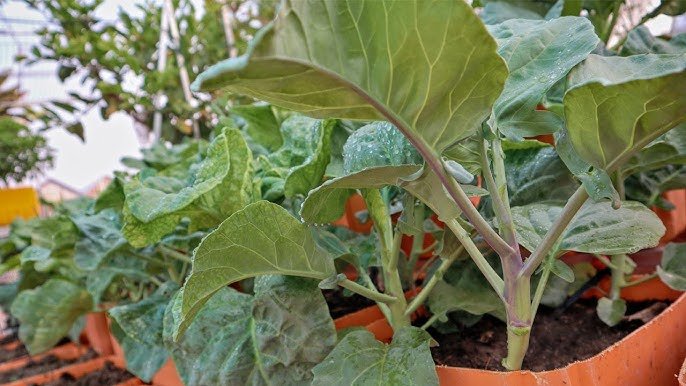
Choosing the right seeds or seedlings is crucial for a successful harvest:
- Look for healthy, disease-free seeds or seedlings from a reliable source.
- Seedlings with 2–3 leaves are ideal for transplanting into bottles.
- Compact varieties of Chinese broccoli are preferable for container growth.
Starting with healthy seeds or seedlings ensures robust growth with minimal care.
6. Sowing Chinese Broccoli Seeds
Growing from seeds is economical and satisfying. Follow these steps:
- Fill the Bottle:
Use potting soil and gently firm it. - Plant Seeds:
Make small holes about ½ inch deep. Place 2–3 seeds per hole and cover lightly with soil. - Water:
Mist lightly to keep soil moist but not waterlogged. - Sunlight:
Place the bottle in a bright location with 4–6 hours of sunlight daily.
Seeds usually germinate in 5–10 days, producing tender seedlings ready for growth.
7. Transplanting Seedlings in Bottles
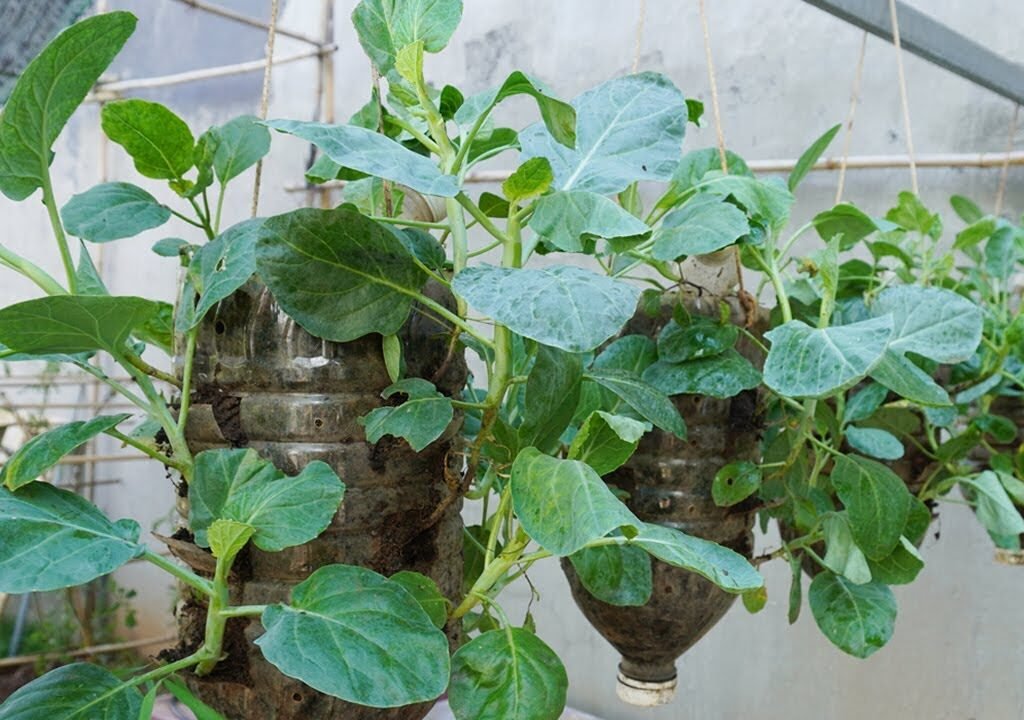
If starting seedlings indoors, transplant them into bottles once they have 2–3 true leaves:

- Dig a small hole in the soil-filled bottle.
- Gently place the seedling into the hole and firm the soil around it.
- Water lightly to settle the roots.
- Place in sunlight or under a grow light to encourage healthy growth.
Seedlings quickly adapt to the bottle environment and begin developing strong stems and leafy greens.
8. Caring for Chinese Broccoli in Bottles
Chinese broccoli is hardy and does not require constant attention, but minimal care ensures healthy growth:
- Watering: Keep soil moist. Bottles retain water well, reducing the need for frequent watering.
- Light: Ensure 4–6 hours of sunlight daily. Grow lights work if sunlight is insufficient.
- Fertilization: Use organic liquid fertilizer every 2 weeks for nutrient boost.
- Pruning: Remove yellow or damaged leaves to maintain airflow and prevent disease.
Even if you occasionally forget to water, Chinese broccoli will continue to grow, making it perfect for low-maintenance gardening.
9. Preventing Pests and Diseases
While hardy, Chinese broccoli can occasionally face issues:
- Aphids: Spray with neem oil or mild soapy water.
- Cabbage worms or caterpillars: Handpick or use natural deterrents.
- Fungal issues: Ensure proper drainage and avoid overwatering.
Routine observation is sufficient to keep your plants healthy, even with minimal gardening effort.
10. Harvesting Chinese Broccoli
Chinese broccoli grows quickly and can be harvested multiple times:

- Cut-and-come-again method: Snip outer stems and leaves when 4–6 inches long, leaving the center to continue growing.
- Full harvest: Cut entire plant if needed for cooking.
- Continuous harvest: Planting seeds every 2–3 weeks ensures a steady supply of fresh greens.
Leaves are tender, stems are crisp, and both can be used in stir-fries, soups, and salads.
11. Advantages of Growing Chinese Broccoli in Plastic Bottles
Using plastic bottles for Chinese broccoli offers several benefits:
- ✅ Space-efficient: Ideal for small terraces, balconies, or kitchen counters.
- ✅ Low-maintenance: Hardy plants grow with minimal care.
- ✅ Sustainable: Reuses plastic bottles and reduces food waste.
- ✅ Cost-effective: Saves money on grocery bills.
- ✅ Fresh and organic: Pesticide-free, nutrient-rich greens.
This method is perfect for busy urban gardeners who want fresh vegetables without intensive labor.
12. Tips for Maximizing Yield
To get the most from your terrace or balcony garden:
- Grow multiple bottles for continuous harvest.
- Use succession planting every 2–3 weeks for steady supply.
- Rotate bottles to ensure even sunlight exposure.
- Mix compost or organic fertilizer to enhance growth.
- Keep bottles elevated or hung to save space and improve airflow.
These simple tips allow even low-maintenance gardeners to enjoy abundant harvests.
13. Cooking Ideas for Homegrown Chinese Broccoli
Chinese broccoli is versatile in the kitchen:

- Stir-fried with garlic: Classic and flavorful.
- Boiled or steamed: Retains nutrients and crispness.
- Soups: Adds a healthy green boost.
- Salads: Lightly blanched leaves with dressing make a delicious side.
- Sautéed with soy sauce and sesame oil: Perfect for quick meals.
Freshly harvested leaves taste crisp and flavorful, much better than store-bought options.
14. Why Low-Maintenance Bottle Gardening Works
Plastic bottle gardening with hardy vegetables like Chinese broccoli works because:
- Bottles retain moisture, reducing the need for frequent watering.
- Hardy plants tolerate brief neglect without significant damage.
- Limited soil volume encourages compact, manageable growth.
- Vertical or container setup maximizes sunlight exposure.
Even busy individuals can grow vegetables without daily care, making this a perfect solution for urban homes.
Conclusion
Growing Chinese broccoli in plastic bottles is easy, sustainable, and rewarding. With minimal care, even beginners can enjoy fresh, nutritious vegetables right on their terrace, balcony, or kitchen counter. Plastic bottle gardening is not only eco-friendly but also space-efficient and cost-effective, perfect for city dwellers.
By following the steps for planting, caring, and harvesting, you can enjoy continuous harvests of leafy greens and tender stems. Start your plastic bottle Chinese broccoli garden today and experience the joy of homegrown, organic vegetables with minimal effort.

Leave A Comment