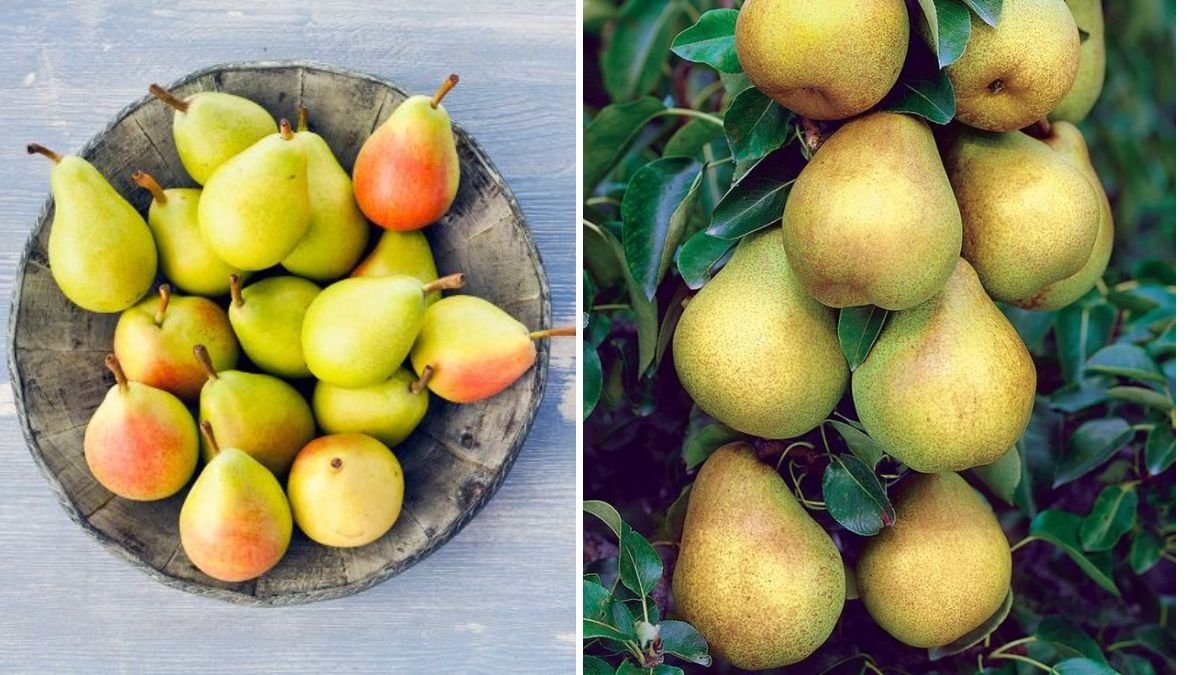
When it comes to reliable, sweet, and juicy pears, the Anjou pear stands out as a true favorite among fruit lovers and gardeners alike. Known for its smooth green or red skin, delicate flavor, and firm yet buttery texture, the Anjou pear (pronounced Ahn-joo) is one of the most versatile pears you can grow.
The Stark Brothers Anjou Pear Tree, offered by the legendary Stark Bro’s Nursery—a name trusted by American gardeners for over 200 years—is a proven performer that brings both beauty and bounty to your garden. Hardy, productive, and low-maintenance, this pear tree produces an abundance of fruit perfect for fresh eating, baking, and preserving.
In this guide, we’ll walk you through everything you need to know about growing your own Stark Brothers Anjou Pear Tree—from planting and care to harvest and beyond.
1. Meet the Anjou Pear: A Fruit of Subtle Elegance
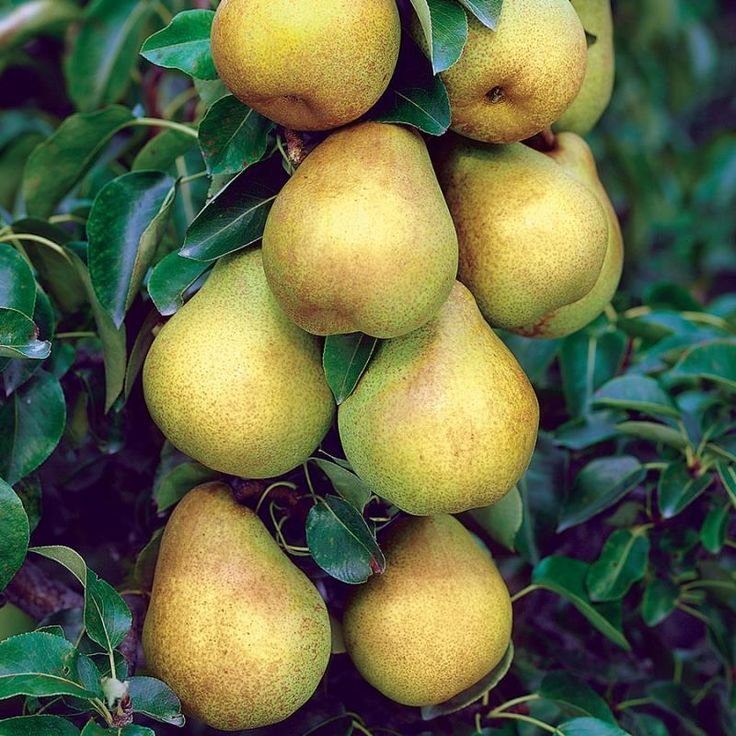
The Anjou pear (Pyrus communis ‘Anjou’) originated in France and quickly gained popularity across Europe before making its way to North America. Today, it’s one of the most widely grown pear varieties in the United States—especially prized for its long storage life, smooth skin, and delicate sweetness that intensifies as it ripens.
There are two main types:
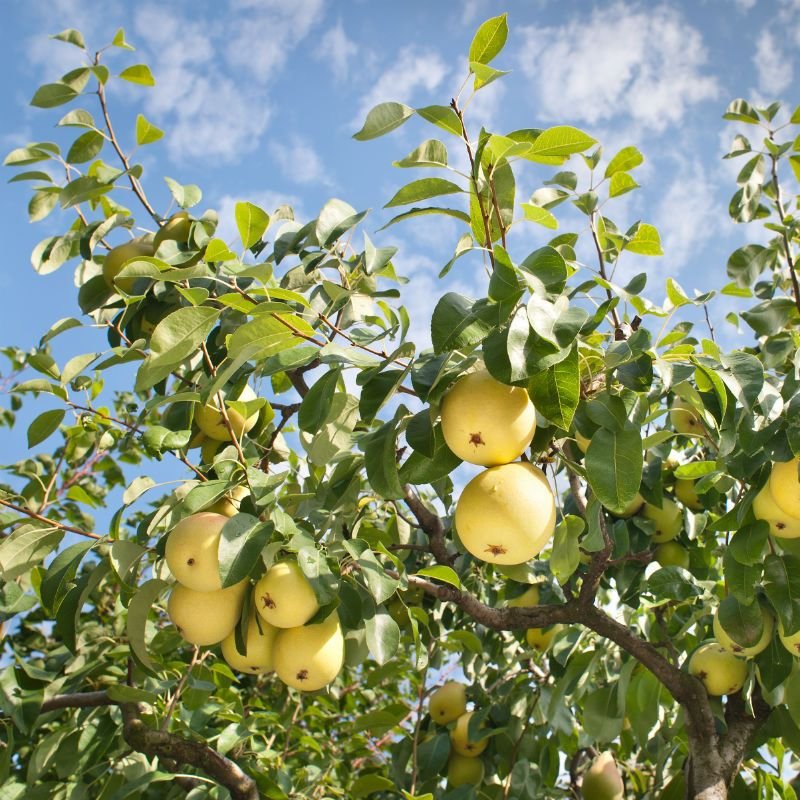
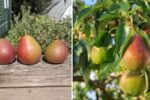
- Green Anjou: Classic and widely known, with bright green skin that turns slightly yellow when ripe.
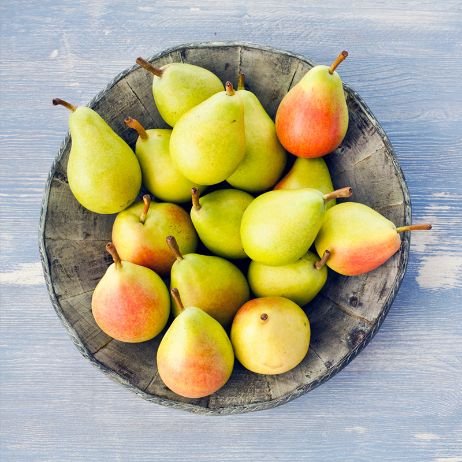
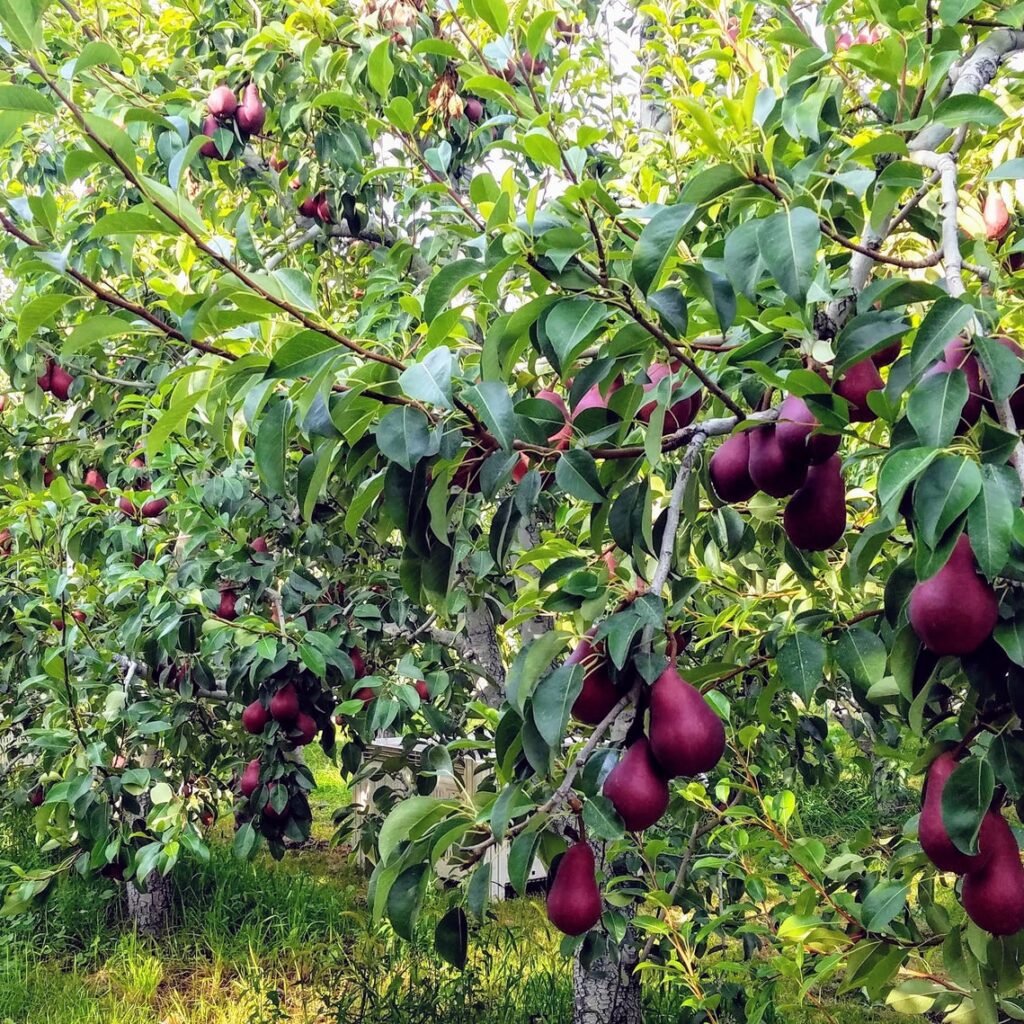
- Red Anjou: A natural mutation of the green type, offering the same flavor but with stunning deep red skin—great for ornamental appeal.
Both varieties share a mild, refreshing sweetness and a hint of citrus flavor, making them excellent for eating fresh, slicing into salads, or baking into tarts and crisps.
2. Why Choose Stark Brothers Anjou Pear Tree?
Stark Bro’s has a long-standing reputation for producing high-quality, disease-resistant, and productive fruit trees. Their Anjou pear trees are grafted on hardy rootstocks, ensuring strong growth, early bearing, and adaptability to a wide range of soil and climate conditions.
Here’s what makes the Stark Brothers Anjou pear tree special:
- Cold-hardy and adaptable from USDA Zones 5–8.
- Reliable producer, yielding abundant crops once established.
- Beautiful spring blossoms that attract pollinators.
- Excellent storage life, with pears that can last up to 3 months in cool storage.
- Versatile fruit—great for fresh eating, canning, and cooking.
Whether you’re planting one in your backyard or adding it to a small orchard, the Stark Brothers Anjou pear tree offers both aesthetic charm and practical rewards.
3. Choosing the Perfect Spot for Your Pear Tree
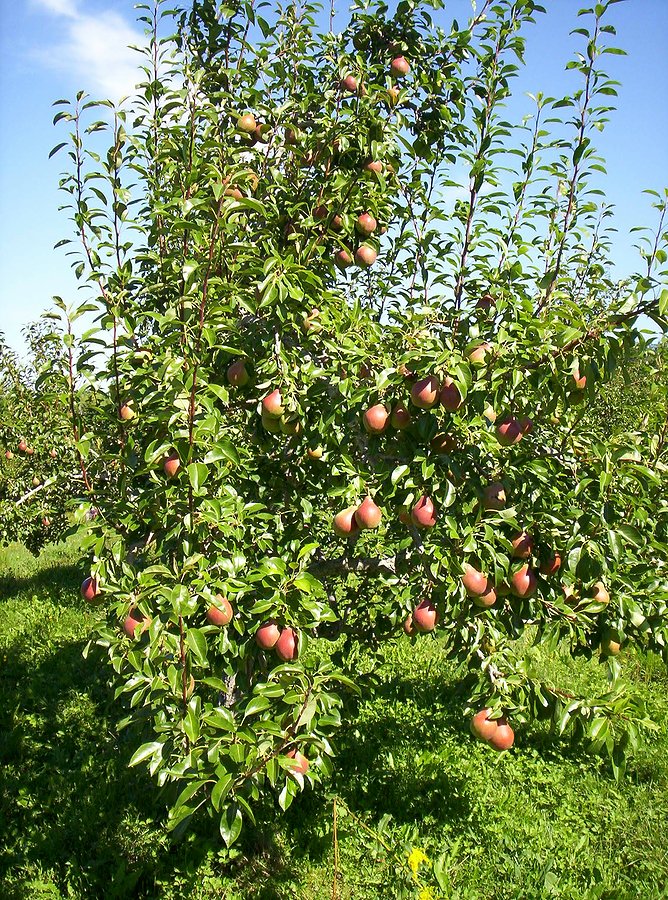
Like all fruit trees, Anjou pears thrive best when planted in the right location. Here’s what to look for:
a. Sunlight
Anjou pear trees love full sun—at least 6–8 hours of direct sunlight daily. More sunlight means more blossoms and better fruit development.
b. Soil
Choose well-draining, loamy soil that’s rich in organic matter. Pears dislike soggy roots, so avoid low spots where water collects. Ideal soil pH: 6.0 to 7.0.
c. Air Circulation
Good airflow helps prevent fungal diseases like fire blight. Avoid planting too close to fences or other trees—leave at least 15–20 feet of space around your tree.
4. When and How to Plant the Stark Brothers Anjou Pear Tree
Best Time to Plant
Plant your Anjou pear tree in early spring after the danger of frost has passed or in late fall before the ground freezes. This gives roots time to establish before active growth begins.
Step-by-Step Planting Guide
- Prepare the Site:
Loosen the soil in an area about 3 feet wide and 2 feet deep to help roots spread easily. - Dig the Hole:
Make a hole twice as wide and the same depth as the root ball. - Position the Tree:
Place your tree so the graft union (the swollen part near the base) sits about 2 inches above the soil line. - Backfill the Hole:
Fill halfway with soil, water to remove air pockets, then finish filling and gently tamp down. - Water Thoroughly:
Give your tree a deep watering to help settle it in. - Add Mulch:
Apply a 2–3 inch layer of mulch around the base, keeping it away from the trunk. Mulch conserves moisture and prevents weeds.
Spacing
- Standard trees: 20–25 feet apart.
- Semi-dwarf trees: 12–15 feet apart.
- Dwarf trees: 8–10 feet apart.
5. Pollination: The Secret to a Bountiful Harvest
Anjou pear trees are not self-pollinating, meaning they need another European pear variety nearby to produce fruit.
Ideal pollination partners include:
- Bartlett Pear
- Bosc Pear
- Comice Pear
Plant them within 50–100 feet to allow bees to transfer pollen effectively. Without a compatible pollinator, your Anjou pear tree may flower beautifully but yield little or no fruit.
6. Watering and Feeding for Healthy Growth
Watering
- First Year: Water deeply once or twice per week during dry weather.
- Established Trees: Water every 10–14 days during dry periods.
Deep watering encourages roots to grow downward and strengthens the tree’s structure. Avoid frequent, shallow watering—it promotes weak roots.
Feeding
- Apply a balanced fertilizer (10-10-10) or organic compost in early spring before new growth begins.
- Avoid over-fertilizing; too much nitrogen causes leafy growth instead of flowers and fruit.
7. Pruning and Training Your Anjou Pear Tree
Pruning shapes your tree, encourages air circulation, and improves fruit quality.
When to Prune
- Late winter or early spring (while dormant) is ideal.
How to Prune
- Use the central leader system (one main trunk with evenly spaced side branches).
- Remove dead, diseased, or crossing branches.
- Thin crowded limbs to allow light into the canopy.
Tip:
Once fruit sets, thin clusters to one or two pears per spur to improve size and flavor while preventing branches from breaking under heavy loads.
8. Blooming, Fruit Development, and Harvest Time
Anjou pear trees bloom in mid to late spring, producing clusters of white blossoms that fill the garden with a sweet fragrance. These flowers attract bees and other pollinators, setting the stage for a fall harvest.
Fruit Development
After pollination, small green pears begin forming and grow through summer. Anjou pears typically ripen in late September to October, depending on your region.
Harvesting
Anjou pears should be picked before they fully ripen on the tree. They ripen best off the tree at room temperature.
How to tell when to harvest:
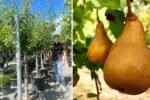
- The skin color turns from deep green to light green (or red for red varieties).
- The fruit feels firm but separates easily from the branch when lifted and twisted gently.
After harvest, let pears ripen indoors for 5–7 days. When the neck yields slightly to gentle pressure, they’re ready to eat—sweet, juicy, and aromatic.
9. Common Pear Tree Problems and Natural Solutions
Even with the best care, pear trees can encounter pests and diseases. Fortunately, most issues are manageable with good practices.
- Fire Blight: A bacterial infection causing blackened shoots. Prune infected branches well below the affected area and sterilize pruning tools after each cut.
- Pear Psylla: Tiny sap-sucking insects that weaken trees. Use neem oil or insecticidal soap.
- Codling Moth: A common pest in fruit trees; use pheromone traps or kaolin clay to deter them.
- Fungal Diseases: Maintain good air circulation and avoid overhead watering.
Healthy, well-pruned trees resist most diseases naturally.
10. Storing and Using Your Homegrown Anjou Pears
One of the Anjou pear’s greatest advantages is its excellent storage ability. When harvested slightly underripe and stored in a cool, dark place, they can last for 2–3 months without losing flavor.
Storage Tips:
- Store in the refrigerator or a cool cellar (30–32°F).
- Keep pears away from ethylene-producing fruits like apples or bananas to prevent over-ripening.
Culinary Uses:
- Fresh Eating: Slice and enjoy their crisp, juicy texture.
- Baking: Perfect for pies, crisps, and tarts.
- Poaching: Their shape holds beautifully when cooked.
- Salads: Combine with walnuts, blue cheese, or arugula for a gourmet touch.
- Canning: Preserve the sweetness of your harvest for winter enjoyment.
11. Patience Pays Off: When Your Tree Will Bear Fruit
Most Stark Brothers Anjou pear trees begin bearing fruit within 4 to 6 years after planting. Once mature, they can produce hundreds of pears annually for decades. With the right care—proper pruning, watering, and pollination—you’ll enjoy consistent yields year after year.
Conclusion: A Lifetime of Sweet Rewards
Planting a Stark Brothers Anjou Pear Tree is an investment in both flavor and tradition. With its graceful spring blossoms, rich autumn harvest, and delectable fruit, this tree brings joy and abundance to your garden for generations.
Whether you choose the green or red variety, the Anjou pear’s smooth skin, mild sweetness, and long shelf life make it one of the most rewarding fruits you can grow.
So, grab your shovel, choose your sunny spot, and plant your own Stark Brothers Anjou pear tree today. In just a few seasons, you’ll be savoring homegrown pears that are not only delicious but also a testament to your care, patience, and love for gardening.

Leave A Comment