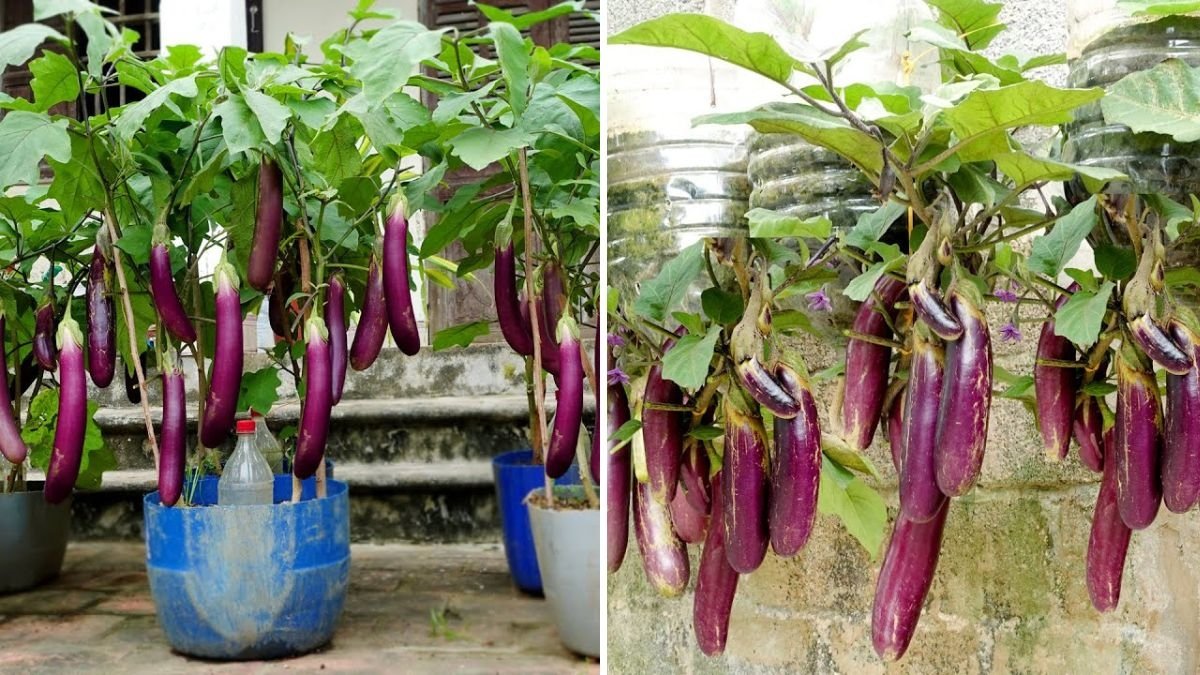
Japanese eggplants are a favorite among gardeners and cooks alike for their slender shape, tender skin, and delicate, sweet flavor. Unlike traditional eggplants, these compact varieties thrive in smaller spaces, making them perfect for container gardening or balcony gardens. But what if you could grow Japanese eggplants in a way that produces more fruit than you ever imagined?
The secret lies in proper seed selection, container choice, soil preparation, and care techniques that encourage continuous flowering and fruiting. In this comprehensive guide, we’ll take you step by step through the process of growing Japanese eggplants, from sowing seeds to harvesting abundant fruits in your home garden, using even small containers or plastic bottles.
Why Japanese Eggplants Are Ideal for Container Gardening
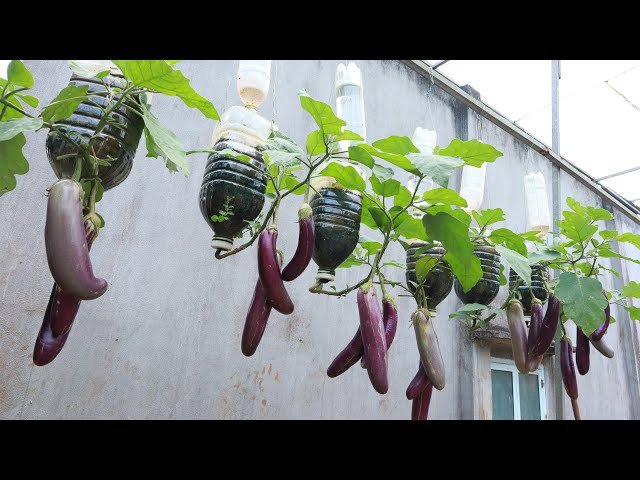
Japanese eggplants are particularly suitable for small-space gardening because:
- Compact Growth: Most varieties grow 18–24 inches tall, perfect for containers.
- High Yield: With proper care, a single plant can produce multiple fruits continuously.
- Pest Tolerance: Generally hardy and less prone to diseases compared to larger eggplant varieties.
- Fast Fruiting: They flower and fruit quickly, ideal for short growing seasons.
This makes Japanese eggplants perfect for balcony gardens, patios, or urban spaces, giving you a bountiful harvest without needing a traditional garden plot.
Step 1: Selecting the Right Seeds
Seed selection is crucial for a successful Japanese eggplant harvest.
- Varieties: Popular Japanese eggplants include Ichiban, Nakate, and White Icicle. Dwarf or compact varieties work best in containers.
- Seed Quality: Choose fresh, viable seeds with a high germination rate for strong seedlings.
- Fruit Preference: Decide if you want longer slender fruits or slightly shorter ones for stir-frying or grilling.
High-quality seeds ensure strong germination, vigorous growth, and maximum fruit production.
Step 2: Preparing Containers or Plastic Bottles
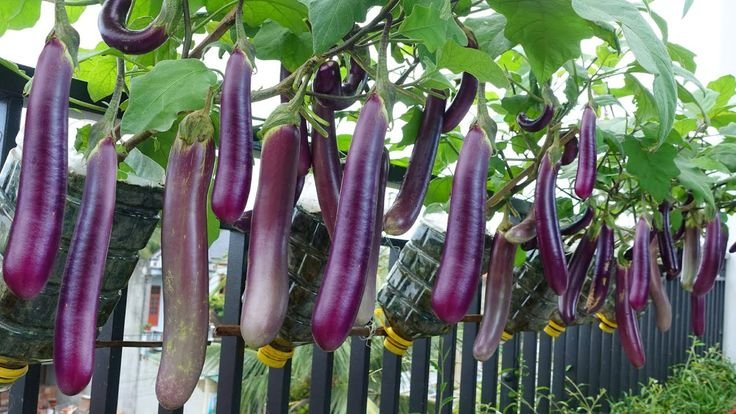
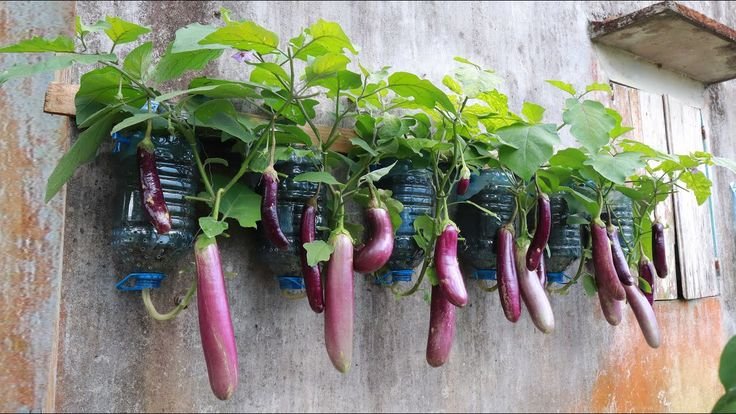
You can grow Japanese eggplants in traditional pots, raised beds, or even plastic bottles with proper modifications.
Materials Needed:
- 2–5 liter plastic bottles or medium-sized pots
- Scissors or craft knife (if using bottles)
- Cotton string for self-watering (optional)
- Well-draining soil and compost
Steps to Prepare Bottles:
- Cut bottles in half and make drainage holes at the bottom.
- For self-watering, thread a cotton wick through the bottom into a water reservoir.
- Fill containers with nutrient-rich soil and compost mix.
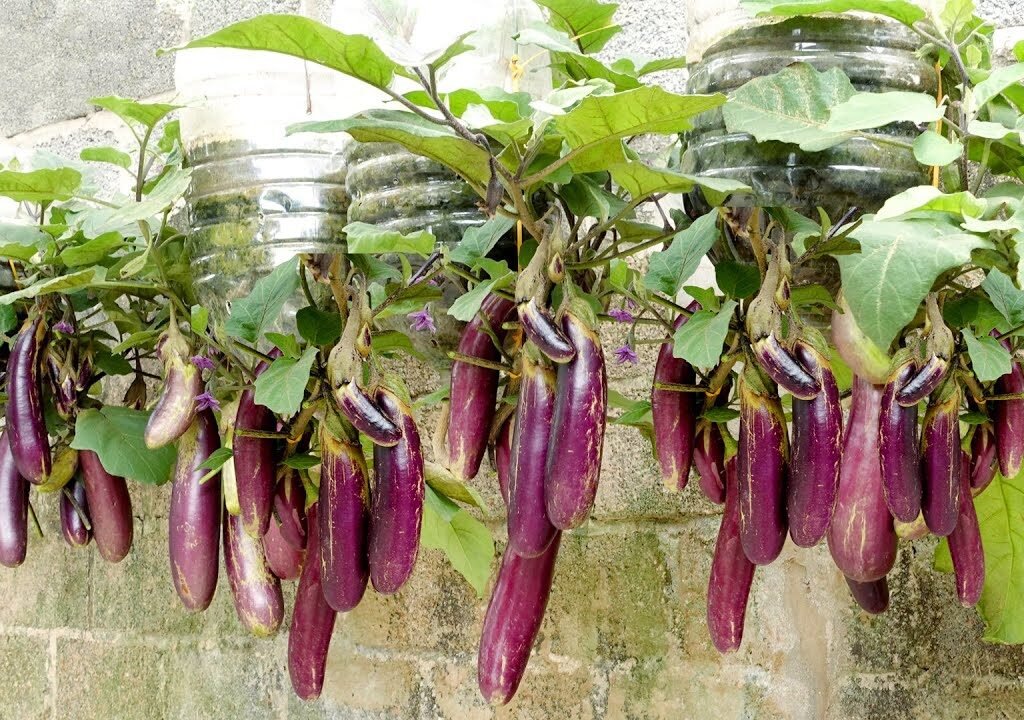
Proper containers and drainage ensure healthy root development, which directly impacts fruit yield.
Step 3: Preparing Fertile Soil
Japanese eggplants are heavy feeders, so fertile, well-draining soil is key.
Recommended soil mix:

- 1 part potting soil
- 1 part compost or organic matter
- 1 part perlite, sand, or coco peat for aeration
Optional Additions:
- Banana peels, coffee grounds, or diluted compost tea provide potassium and phosphorus to promote flowering and fruiting.
A nutrient-rich soil mix ensures vibrant foliage, strong stems, and continuous fruit production.
Step 4: Sowing Seeds
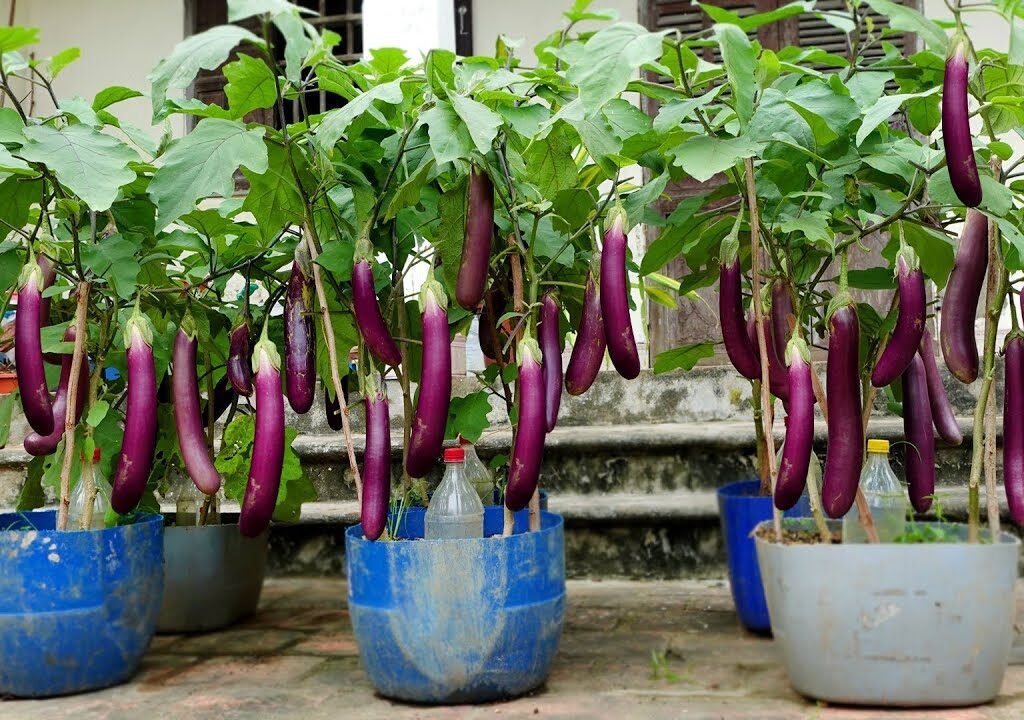
Starting Japanese eggplants from seeds is simple:
- Fill your container or bottle with soil.
- Make small holes about 1/4 inch deep and place 2–3 seeds per hole.
- Cover lightly with soil and water gently.
- Place the container in a warm, sunny spot (70–85°F) for germination.
Seeds typically germinate in 7–12 days. Once seedlings appear, thin to one strong plant per container to maximize energy for flowering and fruiting.
Step 5: Providing Adequate Sunlight
Japanese eggplants require plenty of light for healthy growth and fruit production:
- Sunlight: 6–8 hours of direct sunlight per day.
- Indoor Growth: Use grow lights if natural sunlight is limited.
- Rotate Containers: Turn containers occasionally to ensure even light exposure.
Adequate sunlight ensures robust stems, abundant flowering, and continuous fruiting.

Step 6: Watering
Consistent watering is critical for container-grown Japanese eggplants:
- Water when the top 1–2 inches of soil feel dry.
- Ensure proper drainage to prevent root rot.
- Mulch with straw, leaves, or coconut husk to retain moisture.
- For self-watering setups, refill the water reservoir every 3–5 days.
Proper moisture encourages strong root systems and prolific fruiting.
Step 7: Fertilization for Maximum Fruit Production
Even fertile soil may need additional nutrients to produce more fruit than you imagined:
- Early Growth: Apply a balanced liquid fertilizer every 2–3 weeks to promote leaf and stem growth.
- Flowering & Fruiting: Use fertilizers rich in phosphorus and potassium to encourage flowers and fruit set.
- Organic alternatives include compost tea, diluted cow manure, or banana peel mulch.
Avoid excessive nitrogen, as this promotes leafy growth at the expense of fruit production.
Step 8: Supporting Plants
Japanese eggplants can become top-heavy when flowering and fruiting:
- Use bamboo stakes or small trellises to support the main stem.
- Tie branches gently with soft cloth or garden ties to prevent bending or breakage.
- Prune unnecessary side shoots to focus energy on fruit production.
Proper support prevents plant damage and ensures healthy, abundant fruits.
Step 9: Flowering and Pollination
Japanese eggplants produce purple flowers that transform into fruits after pollination:
- Outdoor plants are usually pollinated naturally by bees and insects.
- Indoor or balcony-grown plants may require hand pollination using a soft brush or by gently shaking the flowers.
- Adequate sunlight and nutrients enhance flower frequency, which leads to higher yields.
Pollination is essential to ensure well-formed, high-quality fruits.
Step 10: Harvesting Japanese Eggplants
Japanese eggplants are ready to harvest when they reach their ideal size, usually 6–10 inches long depending on the variety:
- Use a sharp knife or scissors to cut the fruit without damaging the stem.
- Harvest regularly to promote continuous flowering and fruiting.
- Avoid leaving fruits on the plant too long, as this can reduce quality and flavor.
Frequent harvesting ensures multiple crops from a single plant.
Step 11: Troubleshooting Common Issues
Even container gardening may present challenges:
- Yellow Leaves: Often caused by overwatering, nutrient deficiency, or pests. Adjust watering and fertilization.
- Stunted Growth: May result from inadequate sunlight or cramped roots. Thin seedlings and ensure proper lighting.
- Pests: Aphids, whiteflies, or caterpillars may appear. Use natural solutions such as neem oil or mild soap water.
Regular monitoring helps maintain healthy plants and maximum yields.

Step 12: Benefits of Growing Japanese Eggplants at Home
- Fresh and Organic: Enjoy pesticide-free, homegrown vegetables.
- Space-Efficient: Perfect for small urban spaces.
- Water-Saving: Self-watering bottles or containers reduce water usage.
- Continuous Harvest: Produces fruits throughout the season with proper care.
- Cost-Effective: Save money while enjoying abundant, high-quality vegetables.
Japanese eggplants in containers allow you to maximize fruit production in small spaces while enjoying fresh, delicious produce.
Conclusion
Growing Japanese eggplants in containers or plastic bottles is a practical and rewarding method for urban gardeners. By carefully selecting seeds, preparing nutrient-rich soil, providing consistent water, sunlight, and support, you can enjoy more fruit than you ever imagined.
With proper care and attention, a single container-grown Japanese eggplant plant can provide continuous harvests, giving you fresh vegetables for cooking all season long. Start your container garden today and experience the joy of abundant Japanese eggplants right on your balcony or terrace!

Leave A Comment