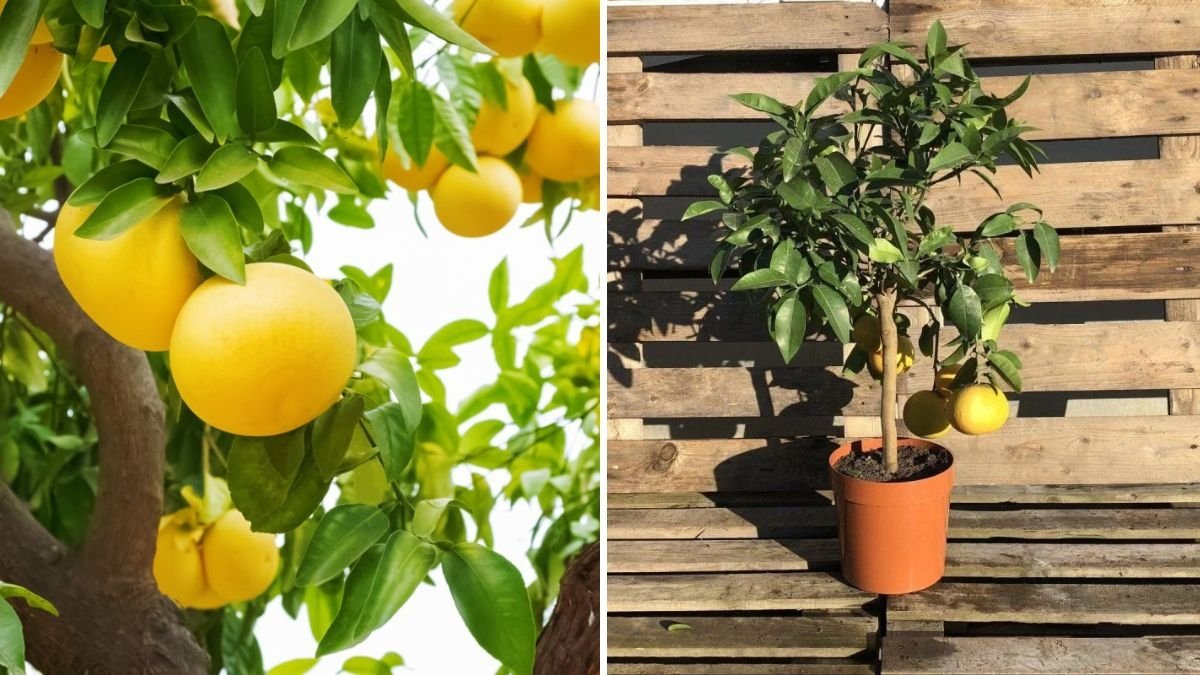
Grapefruit is a tangy, juicy citrus fruit loved by many for its refreshing flavor and numerous health benefits. Whether you enjoy it as a breakfast staple, in salads, or as fresh juice, nothing beats the satisfaction of growing your own grapefruit at home. Growing grapefruit from seeds may seem challenging, but with the right guidance, anyone can cultivate a thriving grapefruit tree in a backyard garden or even in containers. In this guide, we’ll explore everything you need to know about grapefruit farming at home, from seed selection to harvesting your first fruit.
Why Grow Grapefruit at Home?
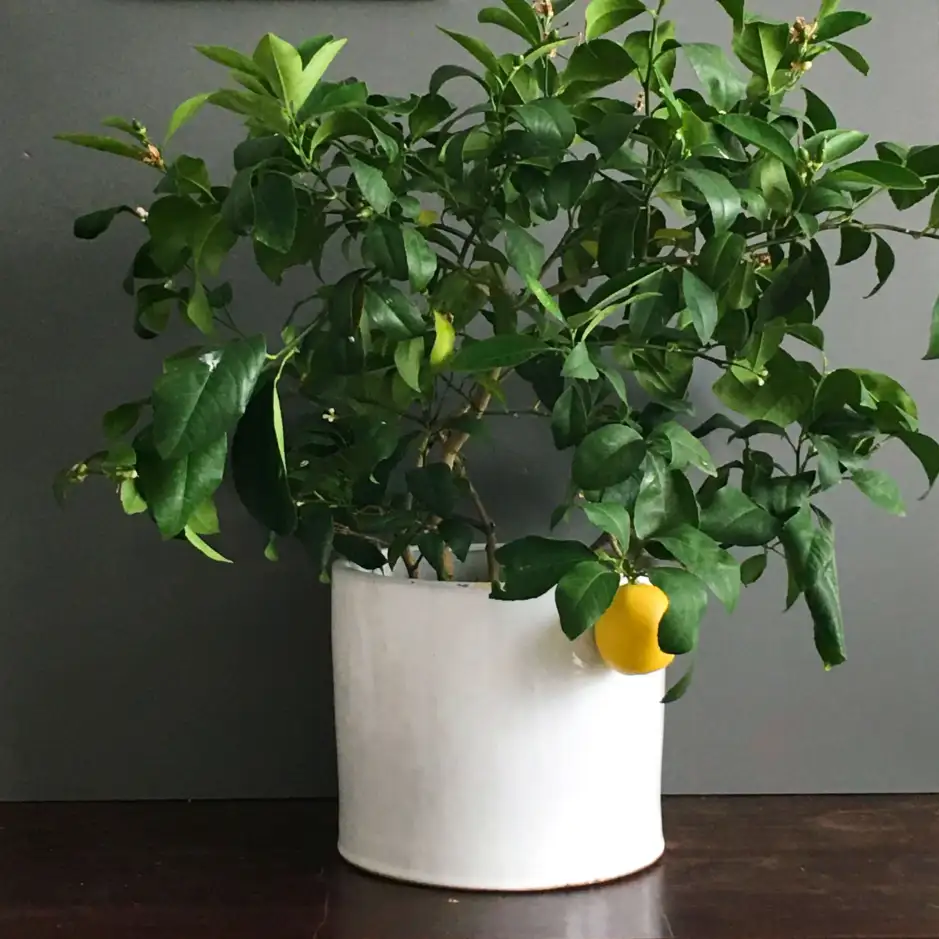
Grapefruit is not only delicious but also packed with vitamins, antioxidants, and fiber. Growing it at home has several advantages:
- Freshness: Homegrown grapefruit is fresher than store-bought options.
- Cost-Effective: Seeds are inexpensive and can yield multiple trees over time.
- Health Benefits: Grapefruit supports weight loss, boosts immunity, and helps maintain heart health.
- Sustainable Gardening: Growing your own reduces reliance on commercial agriculture and transportation emissions.
Even if you have limited space, grapefruit can thrive in large pots or containers, making it perfect for balcony or patio gardens.
Step 1: Choosing the Right Grapefruit Seeds
The first step in successful grapefruit farming is selecting quality seeds. Here’s how:
- Source: Buy seeds from fresh, organic grapefruit or a trusted nursery.
- Variety: Common varieties include Ruby Red, Pink, and White grapefruit. Choose based on taste preference and climate adaptability.
- Freshness: Use seeds from recently harvested fruit for better germination. Dried or old seeds have lower success rates.
Step 2: Preparing the Seeds for Germination
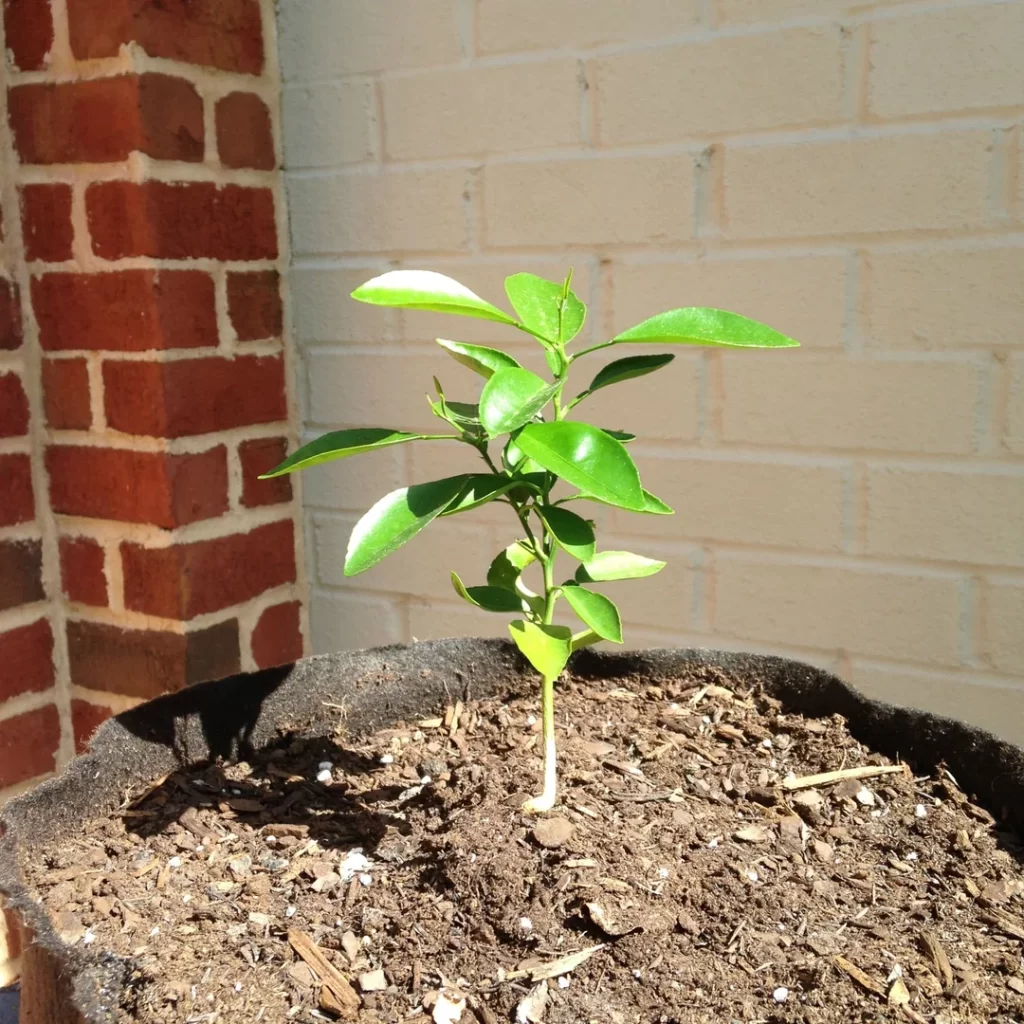
Before planting, grapefruit seeds require proper preparation to encourage germination:
- Cleaning: Remove the seeds from the fruit and wash them thoroughly to remove any pulp.
- Soaking: Soak seeds in lukewarm water for 24 hours. This softens the seed coat and improves germination rates.
- Scarification (Optional): Lightly scratch the seed surface with sandpaper to help water penetrate and accelerate growth.
Step 3: Planting Grapefruit Seeds
Planting seeds properly is crucial for healthy seedlings:
- Container Selection: Use small pots or seed trays with good drainage holes.
- Soil: Choose a well-draining, fertile soil mix. A combination of garden soil, sand, and compost works well.
- Planting Depth: Plant seeds about ½ inch (1–2 cm) deep.
- Watering: Moisten the soil but avoid waterlogging. Seeds need consistent moisture to germinate.
Step 4: Germination and Early Care
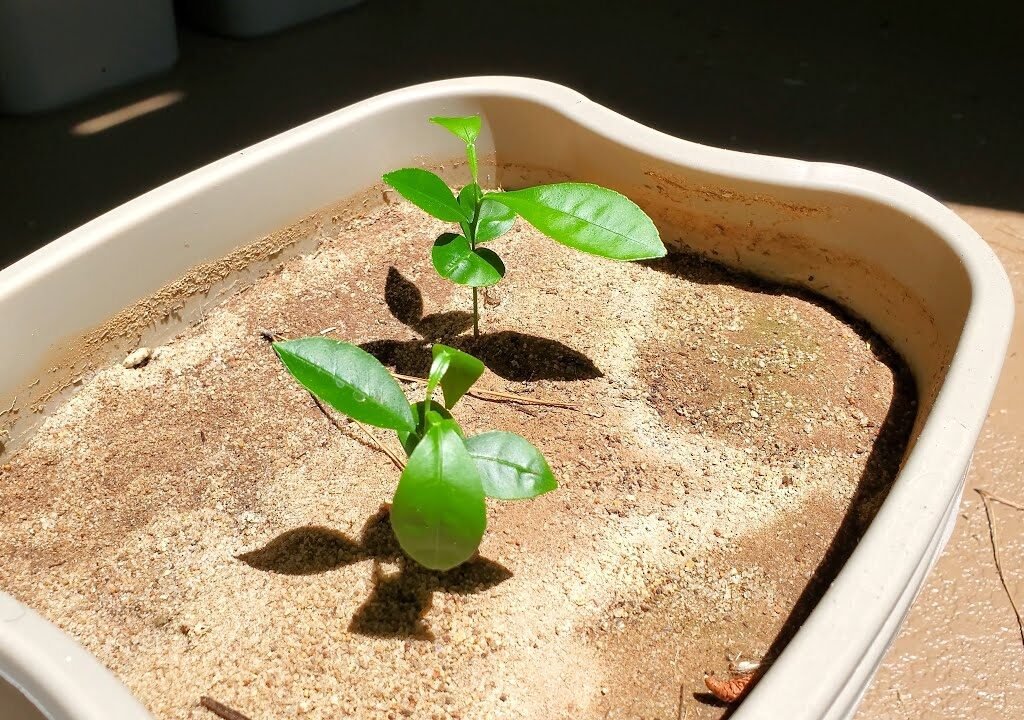
Grapefruit seeds usually take 2–4 weeks to germinate under optimal conditions. Here’s how to care for them:
- Temperature: Maintain a warm environment between 70–85°F (21–29°C).
- Sunlight: Place pots in bright, indirect sunlight. Too much direct sun can scorch delicate seedlings.
- Humidity: Covering pots with a plastic wrap or dome helps retain moisture and improves germination rates.
- Watering: Keep the soil consistently damp but not soggy. Overwatering can cause seeds to rot.
Once seedlings emerge, gradually remove the plastic cover to acclimate them to open air.
Step 5: Transplanting Seedlings
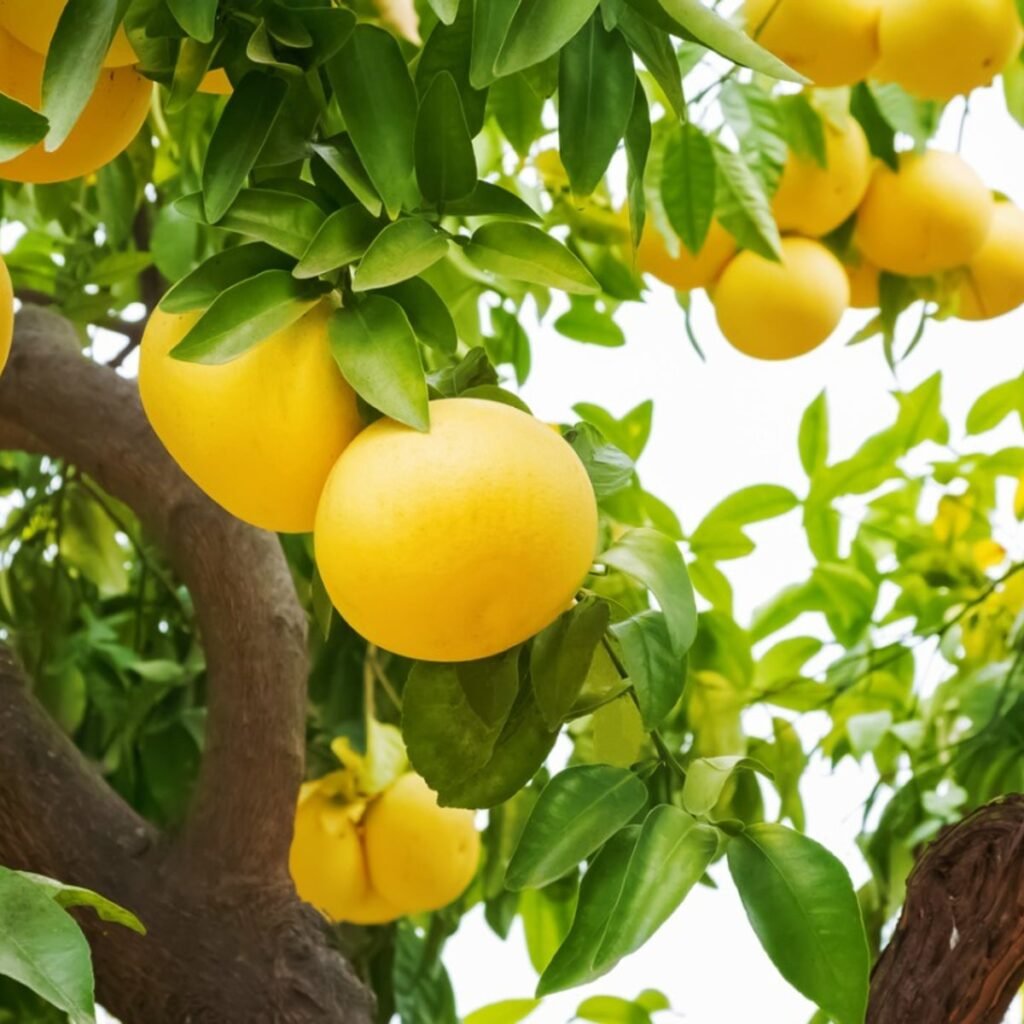
After 2–3 months, seedlings grow stronger and develop 2–3 sets of true leaves. It’s time to transplant:

- Pot Size: Start with medium-sized pots (10–12 inches) for growing seedlings.
- Soil Preparation: Use rich, well-draining soil with organic compost.
- Planting Technique: Gently remove seedlings from the original pot and transplant without damaging roots.
- Watering: Water immediately after transplanting to reduce transplant shock.
Step 6: Ongoing Care for Young Grapefruit Trees
Young grapefruit plants need proper care to grow healthy and strong:
- Sunlight: Grapefruit trees thrive in full sunlight, ideally 6–8 hours daily.
- Watering: Water deeply once or twice a week depending on climate and soil type. Ensure soil is moist but not waterlogged.
- Fertilizing: Use a balanced citrus fertilizer rich in nitrogen, phosphorus, and potassium. Fertilize every 6–8 weeks during the growing season.
- Pruning: Prune dead or weak branches to encourage a strong structure and better fruit production.
Step 7: Pest and Disease Management
Like all citrus trees, grapefruit can face pests and diseases:
- Common Pests: Aphids, spider mites, and scale insects.
- Prevention: Regularly inspect leaves and use neem oil or insecticidal soap as a natural remedy.
- Diseases: Fungal infections like root rot or citrus canker. Avoid overwatering and maintain good air circulation.
- Protection: Mulching around the base keeps soil moist and reduces weeds, but avoid piling mulch against the trunk.
Step 8: Flowering and Fruit Development
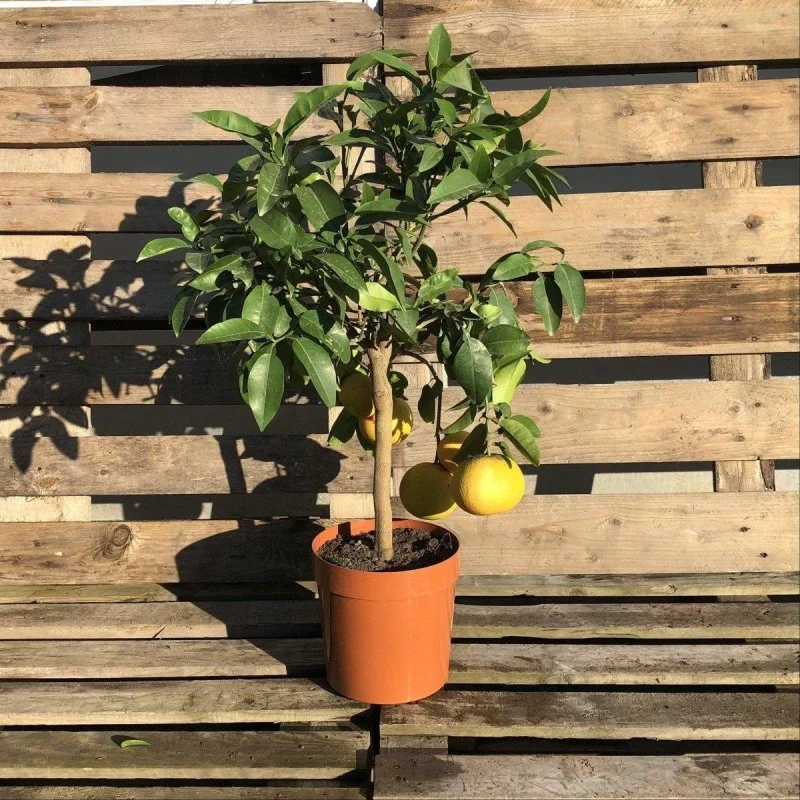
Grapefruit trees may take 2–3 years to flower and bear fruit from seed. Patience is key.

- Pollination: Bees and other pollinators help fertilize flowers. If grown indoors, hand pollination using a soft brush may be necessary.
- Fruit Thinning: Remove small or crowded fruits to ensure larger, sweeter grapefruit.
Step 9: Harvesting Grapefruit
When your grapefruit tree starts bearing fruit, it’s time for the most exciting part: harvesting.
- Maturity: Grapefruit is usually ready to harvest 8–12 months after flowering.
- Color: Fruit color changes from green to yellow or pink depending on the variety.
- Taste Test: The best indicator is taste—ripe grapefruit will be juicy and slightly sweet with tangy notes.
- Harvesting Method: Gently twist or cut the fruit from the branch to avoid damaging the tree.
Tips for Growing Grapefruit in Containers
- Use large pots (15–20 gallons) to allow roots to expand.
- Ensure excellent drainage to prevent root rot.
- Move container plants indoors or to sheltered areas during frost or extreme cold.
- Prune roots occasionally to maintain size and health.
Health Benefits of Grapefruit
Growing grapefruit at home not only provides delicious fruit but also contributes to better health:
- Rich in Vitamin C: Boosts immunity and skin health.
- Low-Calorie Fruit: Supports weight management.
- Heart Health: Helps lower cholesterol and blood pressure.
- Digestive Aid: High fiber content promotes good digestion.
- Hydration: Contains 90% water, perfect for hot climates.
Final Thoughts
Growing grapefruit from seed at home is a rewarding experience that combines patience, care, and sustainable gardening. By following proper germination, planting, and care techniques, you can cultivate a healthy grapefruit tree in your garden or containers, eventually enjoying fresh, juicy fruits right from your backyard. Not only does this elevate your home gardening skills, but it also contributes to a healthier, more self-sufficient lifestyle.

Start today, nurture your seedlings with care, and look forward to the day you pluck your very first homegrown grapefruit—a sweet reward for your dedication.

Leave A Comment