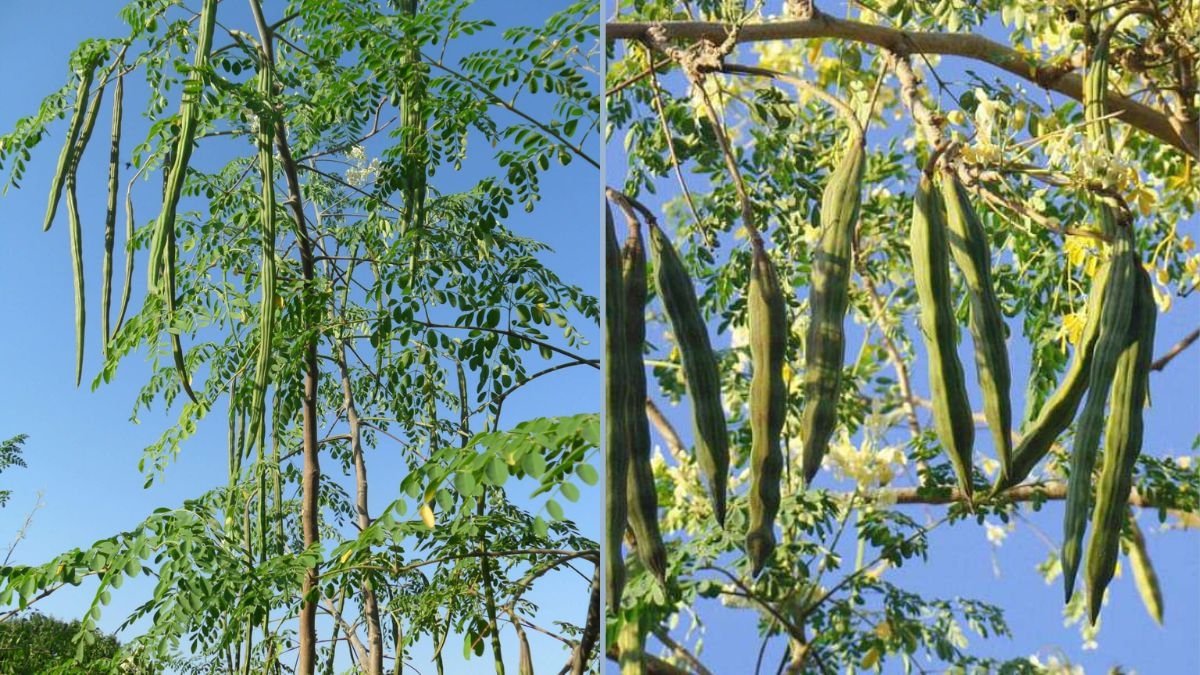
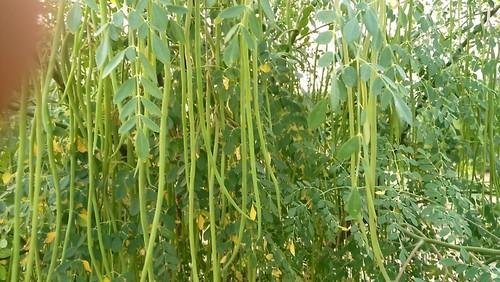
Drumstick, also known as Moringa oleifera or Nuggekayi in some regions, is one of the most versatile and nutrient-rich trees cultivated across tropical and subtropical regions. Its long, slender pods—commonly referred to as drumsticks—are a staple in Indian cuisine, used in curries, soups, stir-fries, and pickles. Beyond culinary uses, drumsticks are celebrated for their immense health benefits, including vitamins A, C, and K, calcium, potassium, and antioxidants.
While growing drumsticks is relatively straightforward, harvesting them at the right time is crucial to maximize flavor, tenderness, and nutrition. In this guide, we’ll explore everything you need to know about drumstick harvesting, including timing, techniques, and tips for a continuous and productive harvest.
Understanding Drumsticks (Moringa Pods)
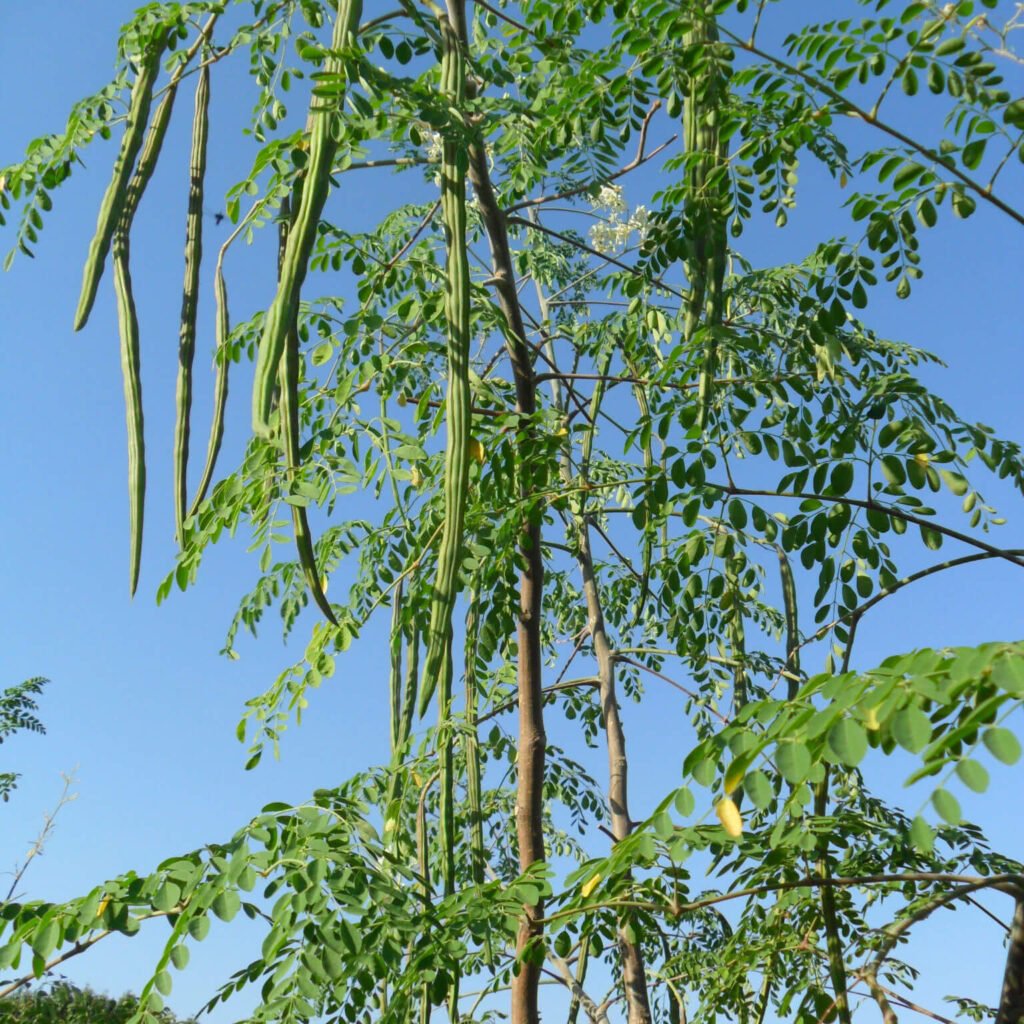
Drumsticks are the elongated seed pods of the Moringa tree. A single tree can produce hundreds of pods in a season if properly cared for. The tree is fast-growing, drought-tolerant, and can thrive even in less fertile soil, making it ideal for home gardens and small-scale cultivation.
- Botanical Name: Moringa oleifera
- Family: Moringaceae
- Uses: Culinary (curries, soups, stir-fries), medicinal, and nutritional supplements
- Nutritional Benefits: Rich in vitamins, minerals, protein, and antioxidants
The tender pods are the most commonly consumed part of the tree, but leaves, flowers, and seeds are also edible and nutritionally valuable.
Why Proper Harvesting Matters
Harvesting drumsticks at the right time is essential for several reasons:
- Flavor and tenderness: Young pods are tender and less fibrous. Overripe pods become tough and woody.
- Continuous production: Regular harvesting encourages the tree to produce more flowers and pods.
- Seed collection: Properly timed harvesting ensures high-quality seeds for propagation.
- Nutrient retention: Younger pods retain more vitamins and antioxidants.
Understanding the ideal stage for harvesting is key to maximizing yield and quality.
When to Harvest Drumsticks
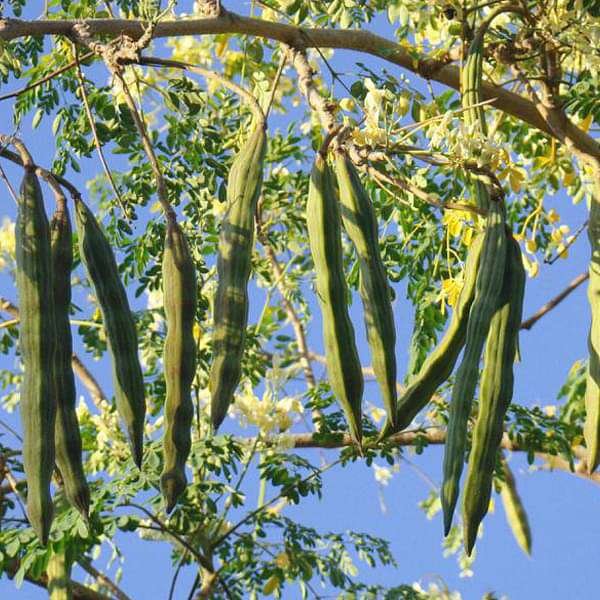
Drumsticks are ready to harvest 6–8 months after planting, depending on the tree’s age and growth conditions. Here are some key indicators:
- Length: Pods are typically 10–12 inches long when tender. Some varieties may grow slightly longer.
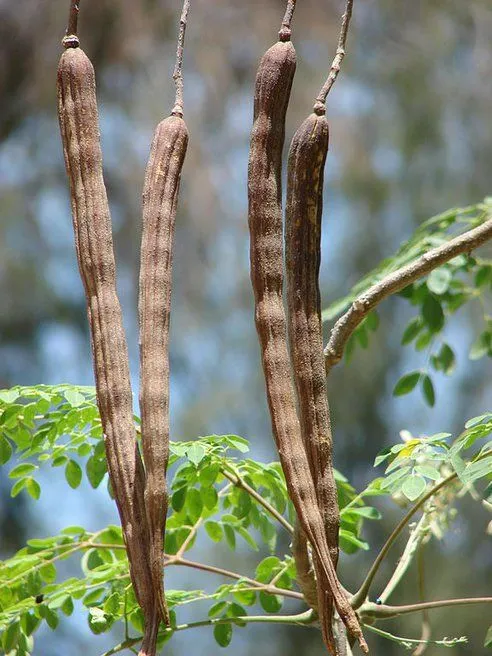
- Color: Young pods are bright green. Avoid pods that turn yellow or brown.
- Texture: Tender pods are soft and flexible. Overripe pods are tough and fibrous.
- Time of year: In tropical regions, harvesting can continue year-round, but peak production usually occurs during warm months.
For seed saving, leave a few mature pods to ripen fully on the tree, then collect seeds once the pods dry.
Tools Needed for Harvesting
To harvest drumsticks efficiently, you’ll need:
- Sharp scissors or pruning shears: For clean cuts without damaging the tree.
- Gloves: To protect your hands from scratches.
- Basket or container: To collect harvested pods gently.
- Ladder or stool: For reaching higher branches on mature trees.
Using proper tools ensures a safe and efficient harvest while preventing damage to the tree.
Step 1: Preparing the Tree for Harvest
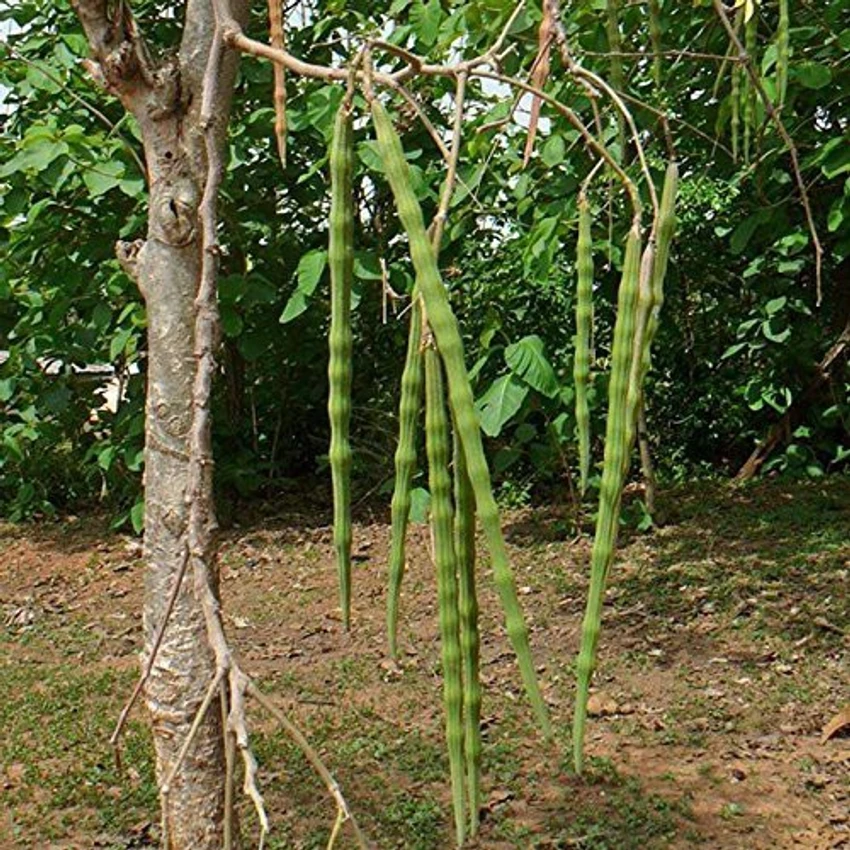
Before you start harvesting:
- Inspect the tree for healthy, mature pods.
- Remove any damaged or diseased pods to prevent pests and disease spread.
- Ensure the tree is free of pests like aphids or caterpillars, which can affect pod quality.
Proper preparation reduces post-harvest losses and improves yield quality.
Step 2: Harvesting Techniques
Drumsticks can be harvested in the following ways:
Using Hands:
- Ideal for smaller trees or easily accessible pods.
- Gently twist and pull the pod from the branch to avoid damage.
- Only use this method for tender, flexible pods.
Using Scissors or Pruning Shears:
- Recommended for larger trees or pods on higher branches.
- Cut the pod at the stem junction without cutting the branch.
- This method prevents accidental damage to the tree and ensures a clean harvest.
Ladder or Elevated Harvesting:
- For tall, mature trees, use a ladder carefully.
- Ensure safety while reaching upper branches.
- Harvest pods methodically from top to bottom.
Step 3: Frequency of Harvest
- Harvest every 3–5 days during peak production to ensure pods are harvested at the right stage.
- Regular harvesting encourages the tree to produce more flowers and new pods.
- Avoid leaving pods on the tree too long, as overripe pods reduce overall productivity.
Step 4: Handling and Storage
Proper handling after harvest ensures freshness:
- Gentle handling: Avoid dropping pods to prevent bruising.
- Storage: Keep pods in a cool, shaded place. Refrigerate if not using immediately.
- Shelf life: Fresh drumsticks can last 5–7 days in the refrigerator.
- Freezing: Blanch and freeze for long-term storage without losing flavor.
Proper handling ensures maximum nutritional value and maintains tenderness.
Tips for Increasing Drumstick Yield
- Regular pruning: Trim weak or old branches to encourage new growth.
- Watering: Ensure consistent moisture during flowering and pod formation.
- Fertilization: Apply compost, organic manure, or liquid fertilizer every 2–3 weeks during the growing season.
- Pest control: Monitor for aphids, fruit borers, and caterpillars; use organic sprays if needed.
- Pollinator attraction: Plant flowers nearby to attract bees for better pollination and fruit set.
Following these practices helps ensure a healthy tree with abundant pods.
Culinary Uses of Drumsticks
Drumsticks are versatile and can be incorporated into various dishes:
- Curries: Popular in South Indian dishes like sambar and kootu.
- Soups: Adds flavor and nutrients to clear broths and vegetable soups.
- Stir-fries: Quickly sautéed with onions, garlic, and spices.
- Pickles: Young pods can be pickled with spices for a tangy treat.
- Leaves: Can be cooked like spinach or added to smoothies for extra nutrition.
Tender pods are best for cooking, while mature pods can be used for seed extraction or dried for later use.
Common Mistakes to Avoid
- Harvesting too late: Overripe pods become tough and fibrous.
- Damaging branches: Always cut or gently twist pods without harming the vine.
- Ignoring pests: Aphids and fruit borers can reduce pod quality and yield.
- Neglecting regular harvest: Pods left on the tree can reduce flower and pod formation.
Avoiding these mistakes ensures a high-quality, productive harvest.
Final Thoughts
Drumstick harvesting is a simple yet rewarding process that allows gardeners to enjoy fresh, nutritious pods year-round. By understanding the right timing, techniques, and care, you can maximize yield, maintain tree health, and enjoy a continuous supply of delicious drumsticks.
Whether you are a home gardener with a small backyard or managing a larger farm, consistent harvesting, proper handling, and regular care are key to successful drumstick cultivation. Start harvesting today and enjoy the taste, nutrition, and satisfaction of fresh, homegrown Moringa pods!

Leave A Comment