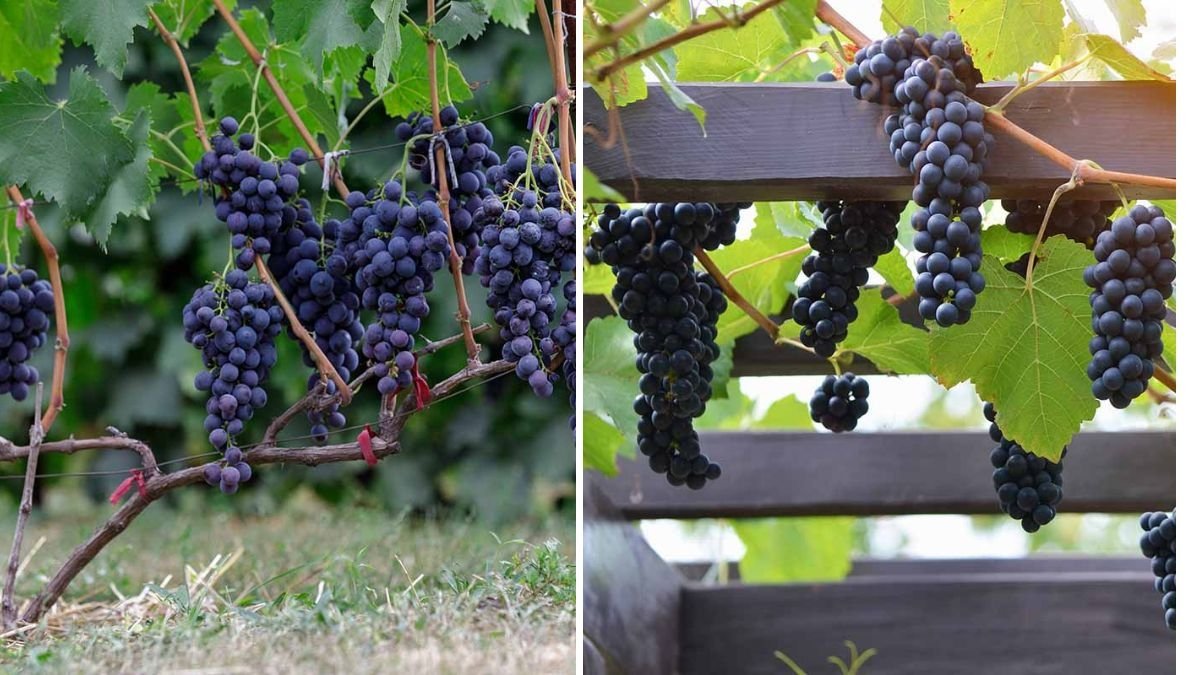
When most people think of grapes in America—grape juice, jelly, or even that nostalgic backyard vine—the name Concord comes to mind. The Concord grape (Vitis labrusca ‘Concord’) isn’t just a fruit; it’s an American original that carries a legacy of heritage, flavor, and resilience.
From its humble beginnings in 19th-century Massachusetts to its role as the foundation for one of the most popular juices and jellies in the world, the Concord grape has earned its reputation as a timeless favorite. But beyond its fame, the Concord grape is also an excellent vine for home gardeners — robust, easy to grow, and highly rewarding.
In this comprehensive guide, we’ll explore everything about Concord grapes — their history, characteristics, planting methods, care, and harvesting tips — so you can grow your own vine and enjoy its legendary sweetness at home.
The Story of the Concord Grape
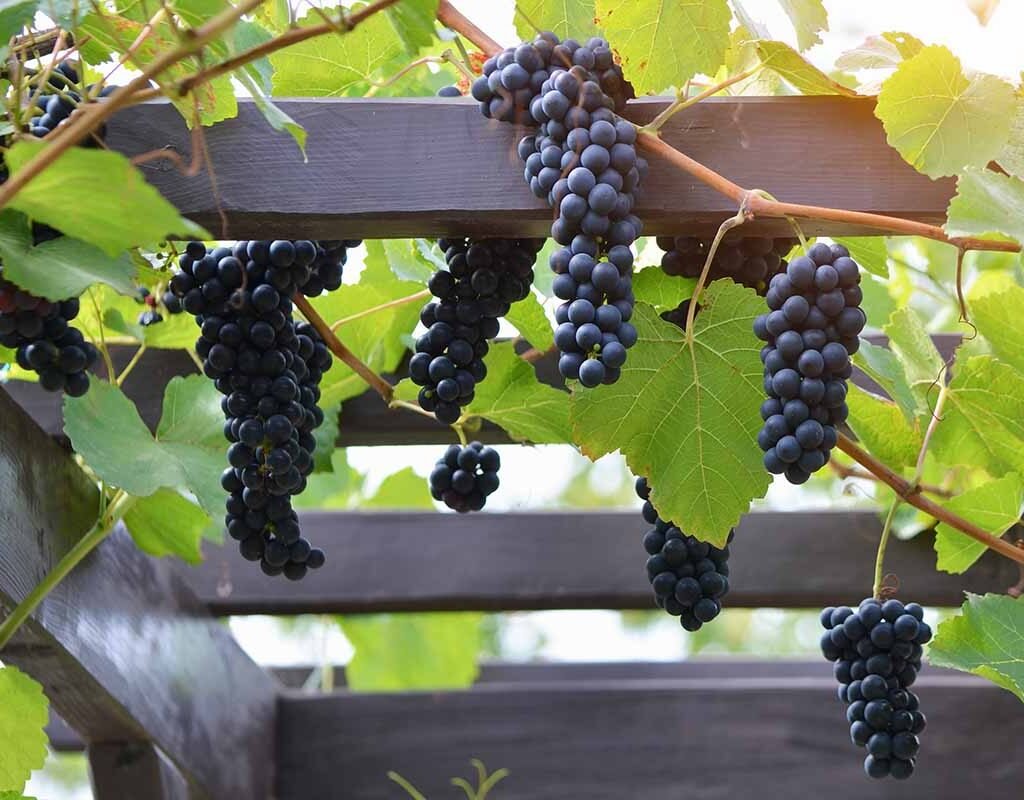
The Concord grape has a uniquely American history. It was first cultivated in Concord, Massachusetts, in 1849 by Ephraim Wales Bull, who spent years experimenting with native grape species to create a variety that could withstand New England’s cold climate.
His goal was simple yet ambitious: to develop a hardy grape with rich flavor and disease resistance. After planting thousands of seedlings, Bull finally found one that stood out — a vine producing dark purple, aromatic, and flavorful fruit. That grape became the Concord.
By the late 1800s, Concord grapes became the backbone of the American grape industry. They were used for fresh eating, winemaking, juice, and — most famously — grape jelly, which became a household staple thanks to Welch’s, founded in 1869.
Today, Concord grapes are not only a symbol of American agriculture but also a beloved fruit for gardeners and families alike.
Characteristics of Concord Grapes
Appearance
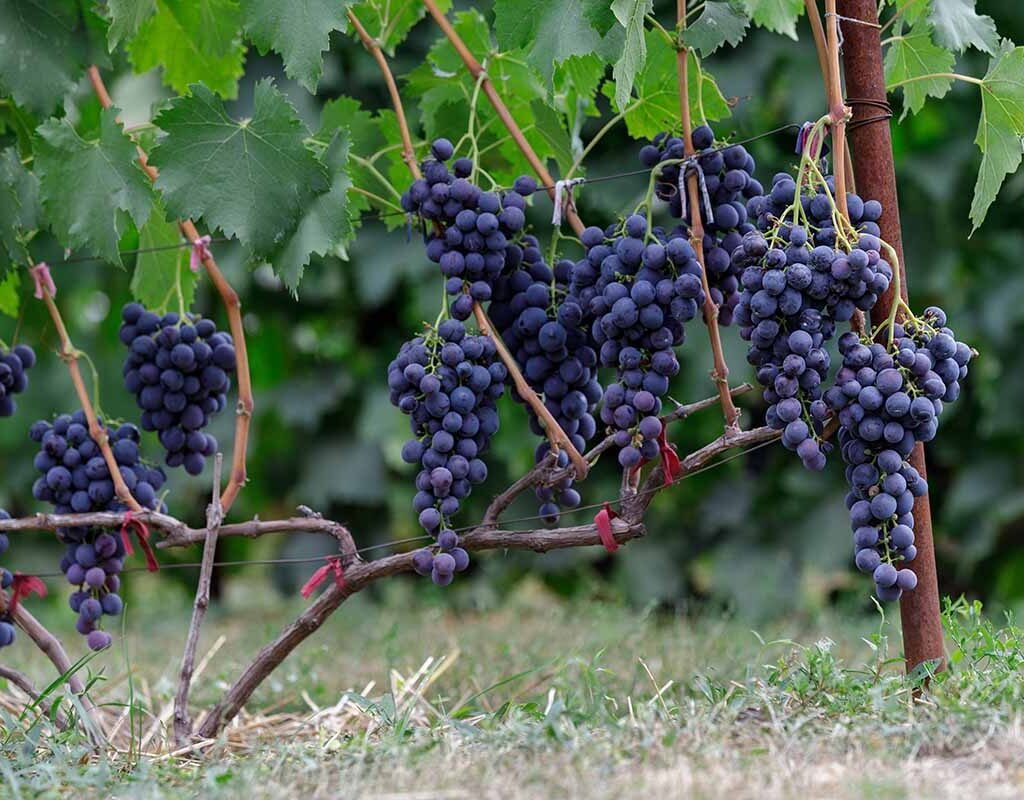
Concord grapes are medium-sized with a deep blue to purple skin and a light whitish bloom (a natural protective coating). The skin easily separates from the pulp — a hallmark trait of native American grapes.
Flavor
The flavor is distinct — sweet, tangy, and musky, often described as “grapey.” This unmistakable taste is what gives Concord juice and jelly their iconic aroma.
Growth Habit
Concord grapes are vigorous, fast-growing vines that can reach 15–20 feet in a single season. They are cold-hardy up to USDA Zone 4, making them one of the most reliable varieties for northern growers.
Fruit Season
Concord grapes typically ripen in late summer to early autumn (August–September), depending on the climate.
Ideal Growing Conditions
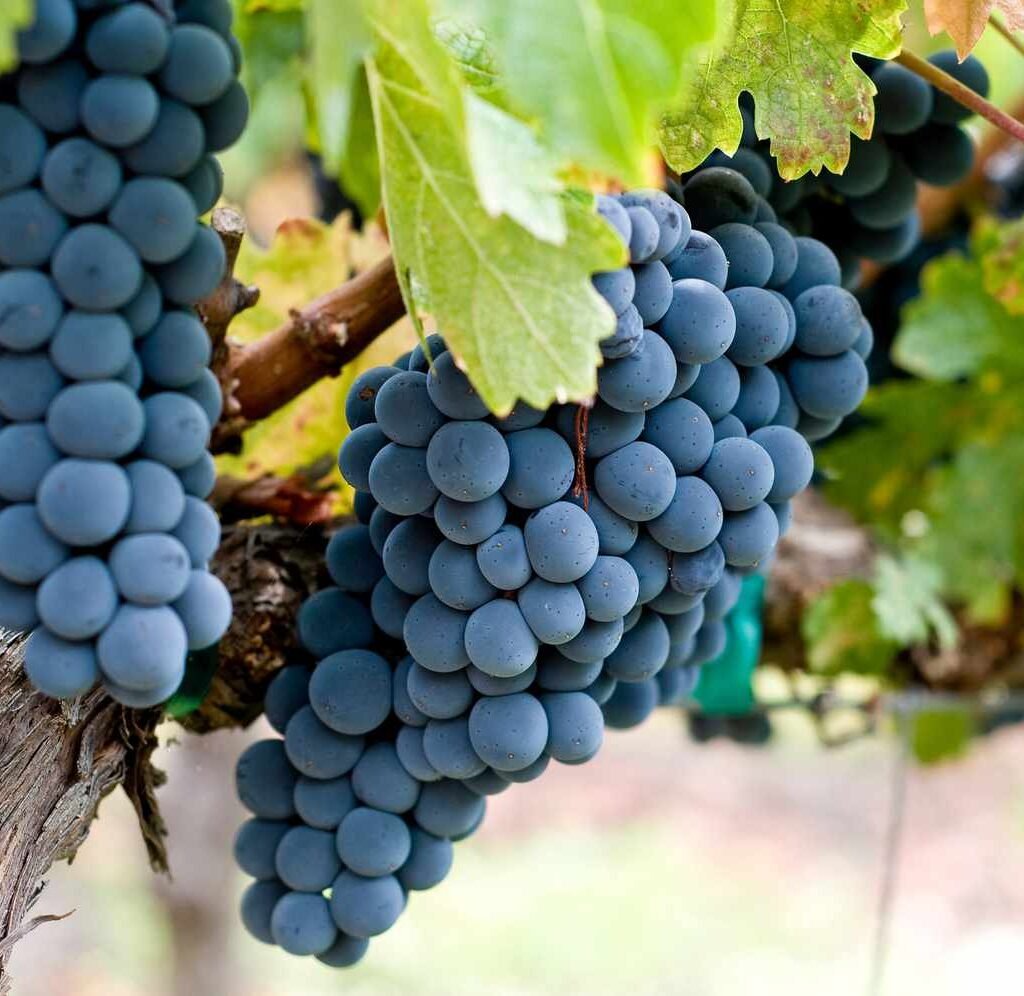
Concord grapes are adaptable, but to achieve the best yields and flavor, it’s essential to understand their preferred growing conditions.
Climate
- Best suited for cool to temperate climates with cold winters and warm summers.
- Can tolerate temperatures as low as -20°F (-29°C).
- Requires a frost-free growing season of about 150–180 days.
Sunlight
Full sun is crucial. Aim for 6–8 hours of direct sunlight daily to ensure healthy growth, proper ripening, and strong vine structure.
Soil
- Well-drained loamy or sandy soil is ideal.
- Slightly acidic pH between 5.5 and 6.5 is best.
- Avoid low-lying or waterlogged areas, as standing water can damage roots.
If your soil is heavy, consider planting on raised rows or mounds to improve drainage.
How to Plant Concord Grapes
1. When to Plant
- Early spring (after the last frost) is the best time for planting bare-root vines.
- In warmer climates, you can also plant in late fall before the ground freezes.
2. Selecting the Site
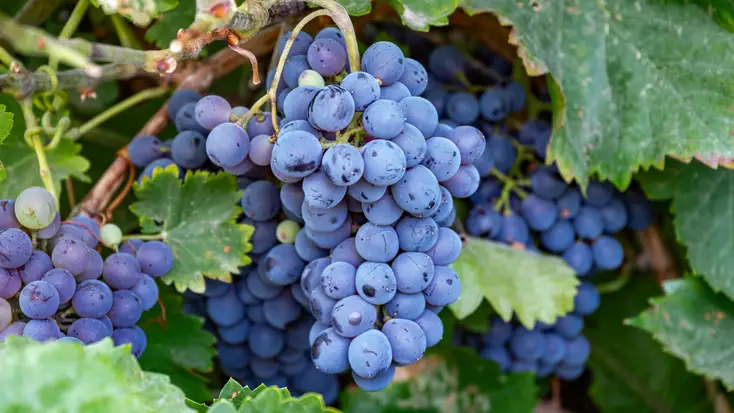
Choose a sunny, open area with good air circulation to reduce fungal problems. Avoid shaded or crowded spaces where humidity can build up.
3. Preparing the Soil
Before planting:
- Loosen the soil to a depth of 12–18 inches.
- Mix in compost or aged manure for fertility.
- Test pH and adjust if necessary with lime (to raise) or sulfur (to lower).
4. Planting Steps
- Dig a hole wide enough to spread the roots naturally.
- Place the vine so the roots spread outward and the crown sits at soil level.
- Backfill gently with soil, firming it around the roots.
- Water thoroughly to settle the soil.
- Add mulch around the base to conserve moisture and prevent weeds.
5. Spacing
- Space vines 8–10 feet apart in rows spaced 9–10 feet apart.
- Proper spacing ensures airflow, sunlight, and easier maintenance.
Supporting and Training Your Vine
Concord grapes are vigorous climbers and need a strong trellis or arbor to support their weight.
Trellis Systems
The two most common systems are:
- Single-Wire Trellis:
- Simple and ideal for backyard growers.
- Stretch a galvanized wire 5–6 feet above ground between sturdy posts.
- Two-Wire or T-Bar Trellis:
- Provides more space for canopy growth.
- Place the top wire at 6 feet and a lower one at 3 feet.
Training the Vine
During the first year:
- Train one strong shoot up a stake to the wire.
- Once it reaches the top, pinch the tip to encourage side growth.
- In the second year, develop two main cordons (arms) growing horizontally from the main stem.
This structure allows for maximum sunlight exposure and efficient fruiting in later years.
Watering and Fertilizing
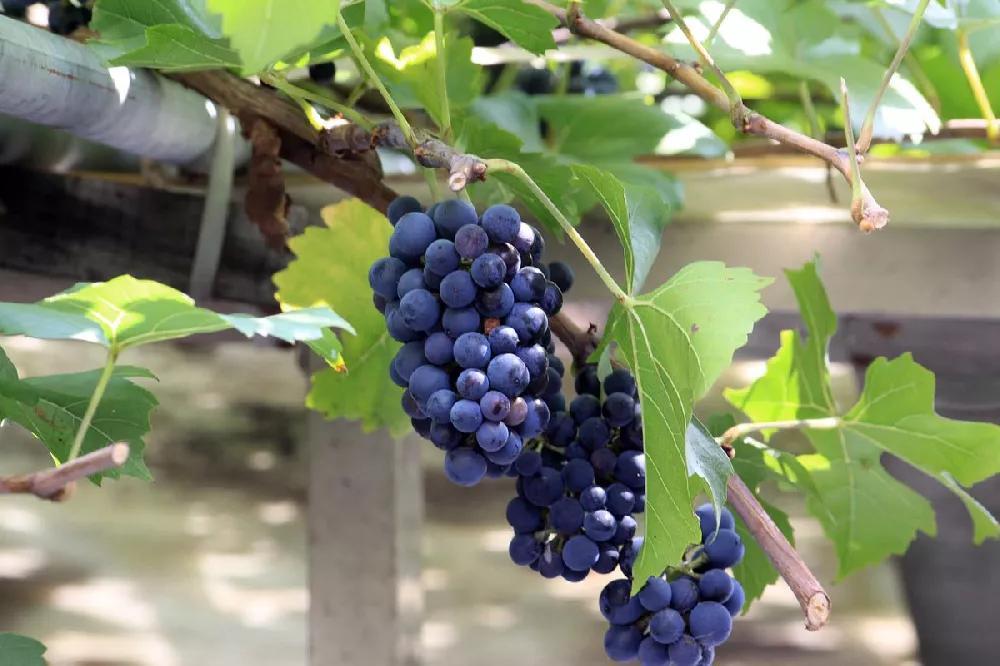
Watering
- Water deeply once per week during the first growing season.
- Mature vines need watering mainly during dry spells and fruiting.
- Avoid overwatering — grapes dislike soggy soil.
Fertilizing
- Apply a balanced fertilizer (10-10-10) in early spring before new growth.
- Avoid excess nitrogen; it encourages foliage growth at the expense of fruit.
- Add compost or leaf mulch annually for natural nutrition.
Pruning: The Key to Healthy Concord Grapes
Pruning is the secret to abundant grape harvests. Concord vines bear fruit on new shoots growing from last year’s wood, so pruning keeps vines productive and manageable.
When to Prune
- Late winter or early spring (before buds swell).
How to Prune
- Remove 90% of the previous year’s growth.
- Leave 3–4 buds per spur (short branch).
- Cut out weak, dead, or crossing canes.
- Keep the main cordons and renew fruiting spurs annually.
Regular pruning improves airflow, light penetration, and fruit quality.
Pests and Diseases
While Concord grapes are hardy, they can be affected by certain pests and fungal issues.
Common Pests
- Japanese beetles: Feed on leaves — handpick or use organic traps.
- Grape berry moths: Lay eggs in clusters — remove infected fruit early.
- Aphids: Control with insecticidal soap or neem oil.
Common Diseases
- Black rot: Brown spots on leaves and shriveled fruit — prune infected areas and apply copper fungicide if necessary.
- Powdery mildew: White film on leaves — improve airflow and apply sulfur-based sprays.
- Downy mildew: Yellow leaf spots — reduce moisture around vines.
Good sanitation, pruning, and sunlight are your best defenses.
Harvesting Concord Grapes
When to Harvest
Concord grapes are typically ready in late August to September, depending on your location.
- Look for deep purple-blue fruit.
- Ripe grapes are fragrant, plump, and separate easily from the stem.
- Taste a few — the flavor should be rich and sweet.
How to Harvest
- Cut or gently twist clusters off the vine.
- Handle carefully to avoid bruising.
- Refrigerate immediately — they’ll keep for up to 2 weeks.
Uses of Concord Grapes
The Concord grape is one of the most versatile fruits you can grow.
1. Fresh Eating
Their sweet, tangy flavor makes them a delicious snack right off the vine.
2. Juice and Jelly
Their deep color and aromatic taste make the best grape juice and jelly — rich, natural, and full of antioxidants.
3. Wine and Vinegar
Concord grapes produce sweet, robust wines and natural vinegars popular in home fermentation.
4. Baking and Cooking
Use them in pies, tarts, sauces, and even savory dishes to add natural sweetness and depth.
Nutritional Benefits
Concord grapes are a powerhouse of nutrients:
- Antioxidants: High in resveratrol and flavonoids for heart health.
- Vitamin C and K: Strengthen immunity and bones.
- Polyphenols: Support brain and circulatory health.
- Dietary Fiber: Aids digestion and satiety.
Regular consumption has been linked to better cardiovascular health and reduced inflammation.
Winter Care
Concord vines are cold-hardy but benefit from winter protection:
- Mulch around the base to protect roots from freezing.
- Prune only after the coldest part of winter has passed.
- Remove fallen leaves and debris to prevent disease carryover.
Conclusion
The Concord grape is more than just a fruit—it’s a living symbol of American perseverance, flavor, and innovation. Hardy, productive, and full of character, it thrives where other grapes struggle and rewards growers with bountiful, aromatic harvests year after year.
Whether you grow it for fresh eating, homemade juice, or traditional jelly, the Concord grape adds beauty and purpose to any home garden. Its deep purple clusters tell a story that began over a century ago but continues to flourish in backyards today.
Plant one vine, and you’ll quickly discover why the Concord grape remains America’s most beloved grape—a true classic that connects us to both the soil and our heritage.

Leave A Comment