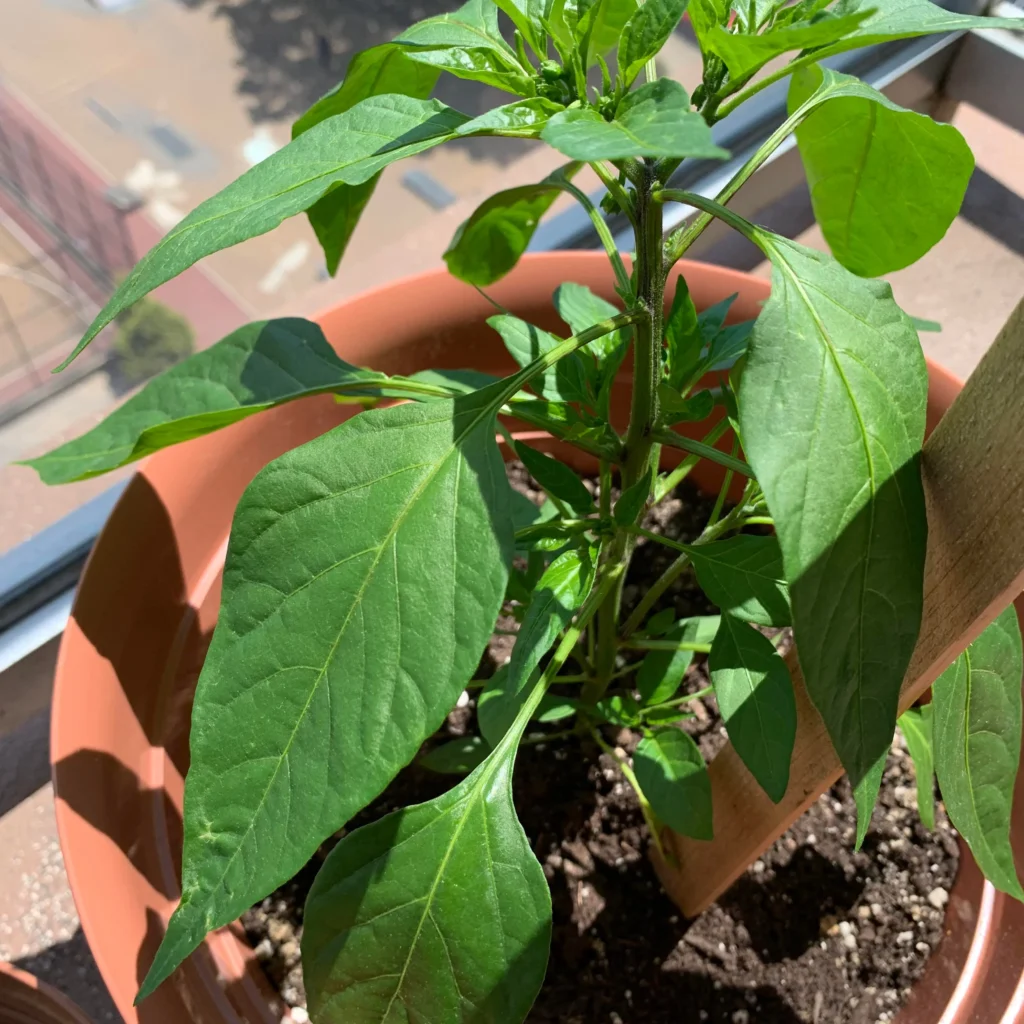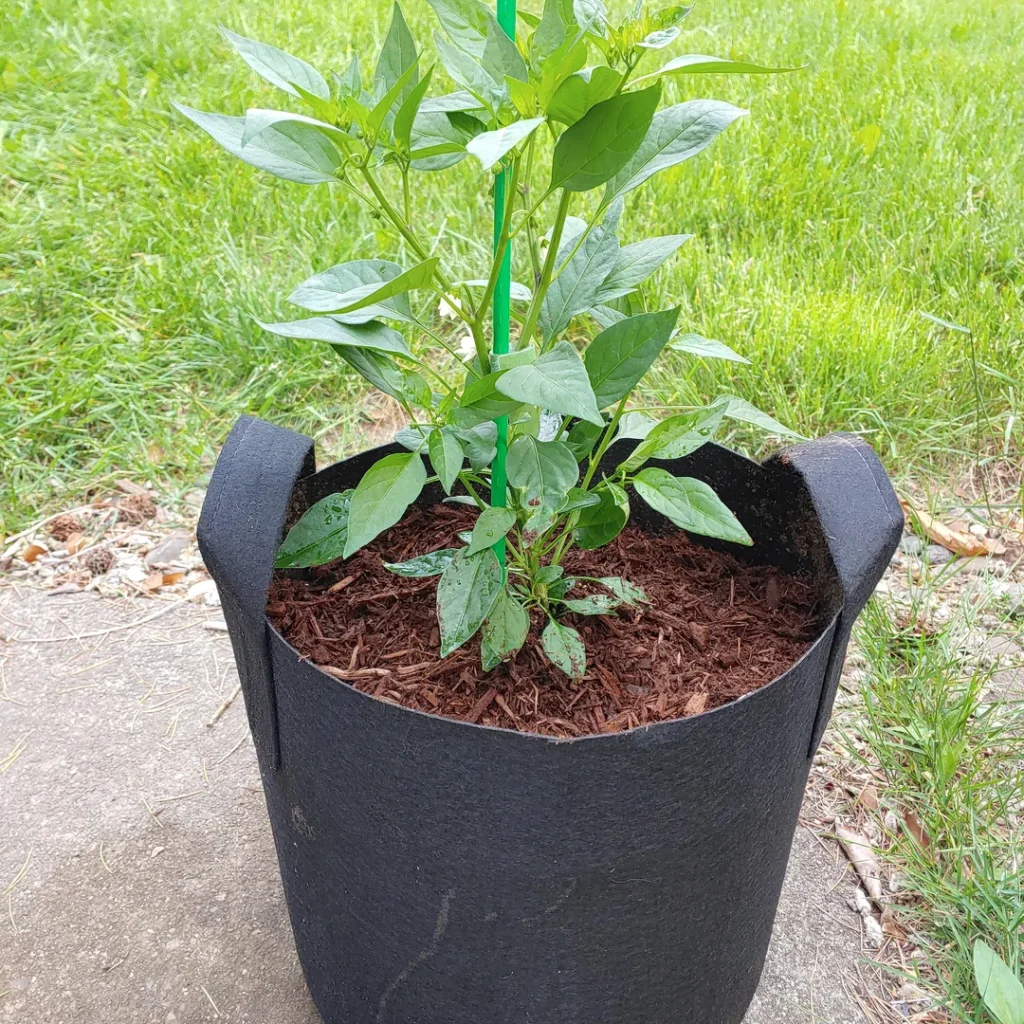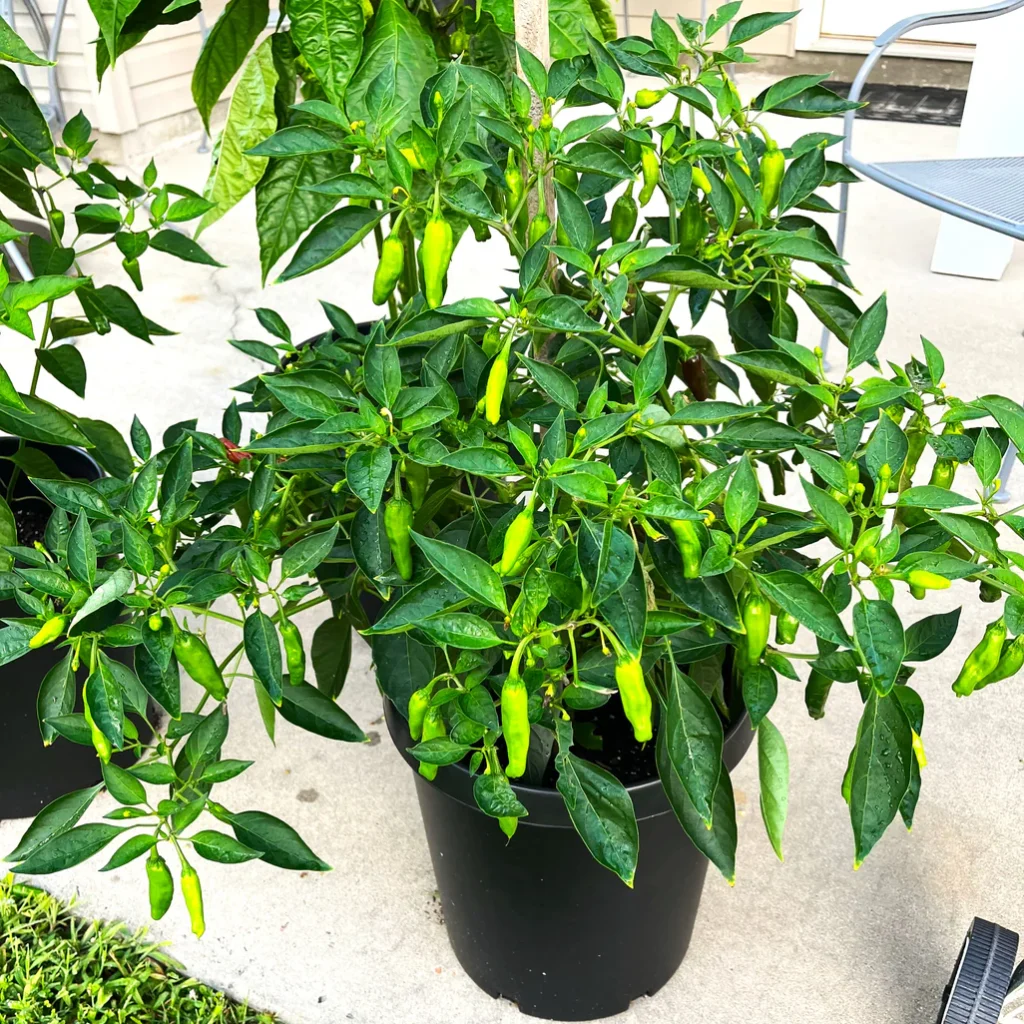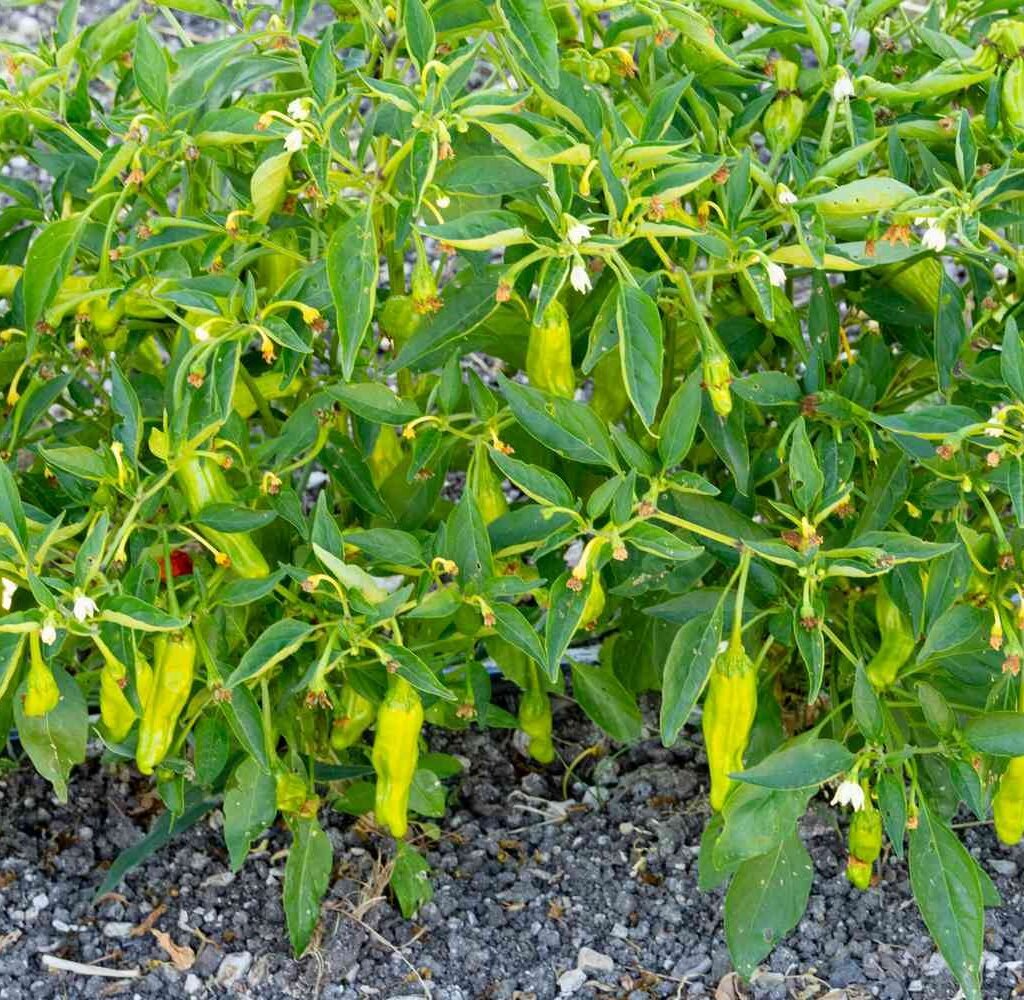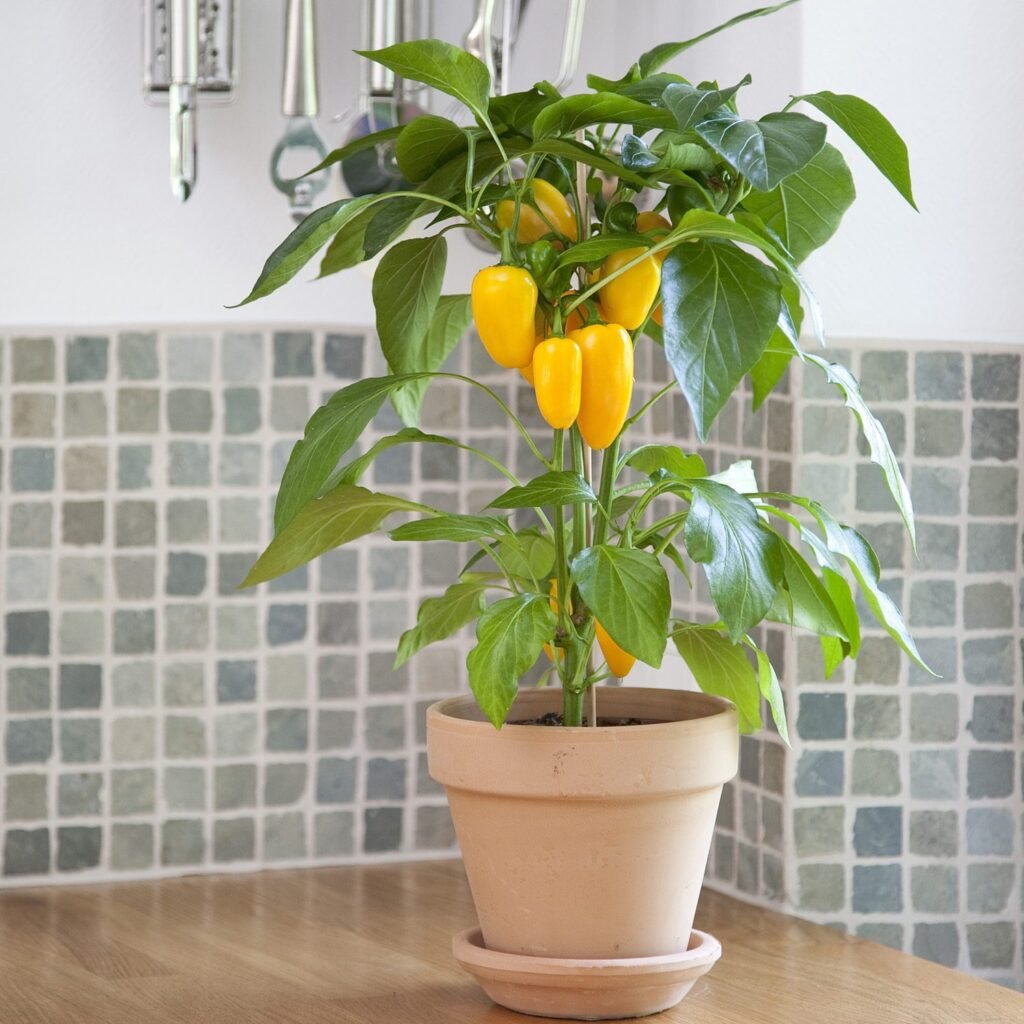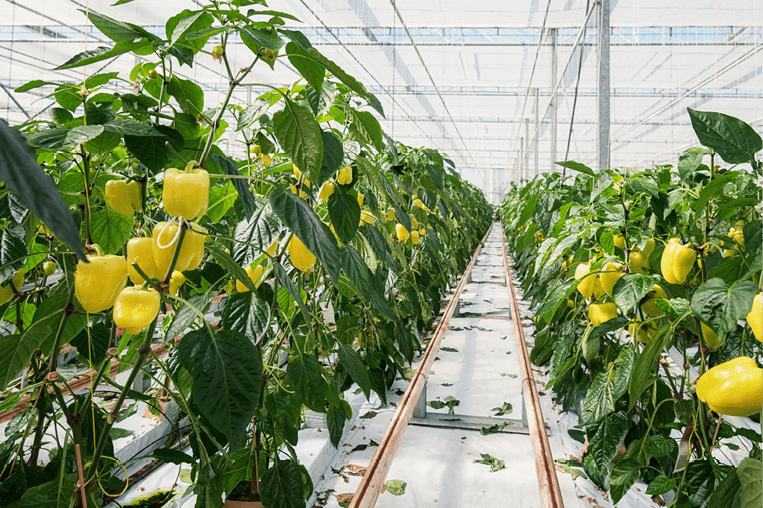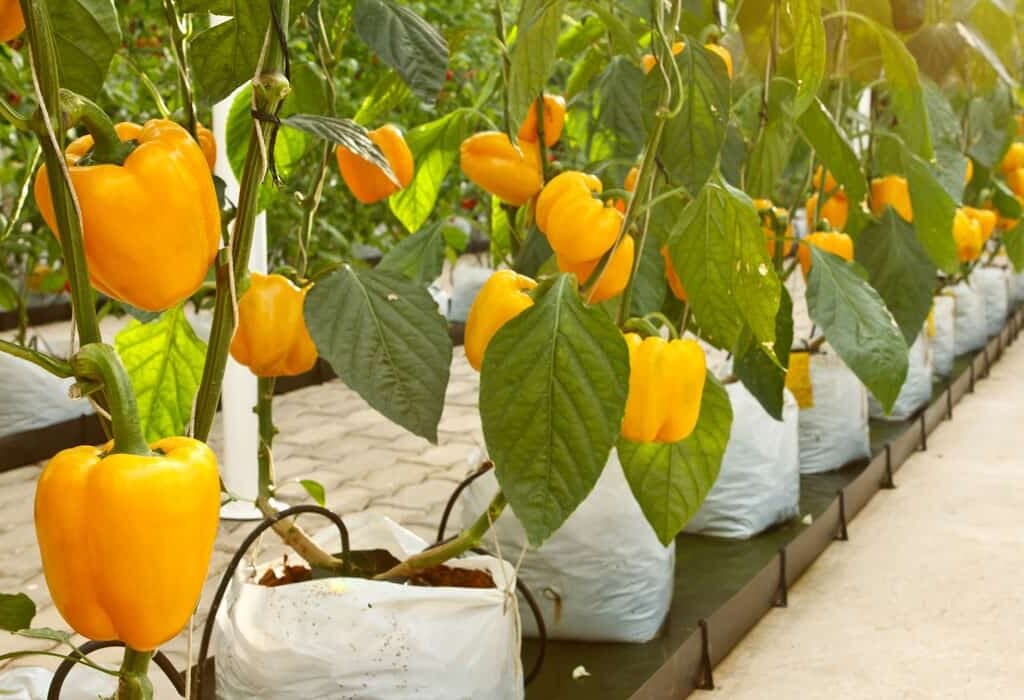
How We Harvested Over 200 Hungarian Peppers in a Self-Growing Planter Torpedopot – The Ultimate Organic Growing Guide

How We Harvested Over 200 Hungarian Peppers in a Self-Growing Planter Torpedopot – The Ultimate Organic Growing Guide

If you’ve ever dreamed of growing a huge harvest of flavorful, colorful Hungarian peppers without spending endless hours in the garden, then you’re in for a treat. Imagine harvesting over 200 healthy peppers from just a few plants—all grown in a self-growing planter like the Torpedopot. Sounds too good to be true? It’s not!

This guide will walk you through how it’s possible to grow hundreds of Hungarian peppers—lush, spicy, and delicious—in a self-watering, self-aerating system like the Torpedopot. We’ll dive into everything from setting up the planter, planting and caring for the peppers, to organic feeding tips and maximizing yield. Whether you’re a gardening enthusiast or a beginner with limited space, you’ll see how this modern, eco-friendly system makes high-yield gardening simple and sustainable.


Understanding Hungarian Peppers
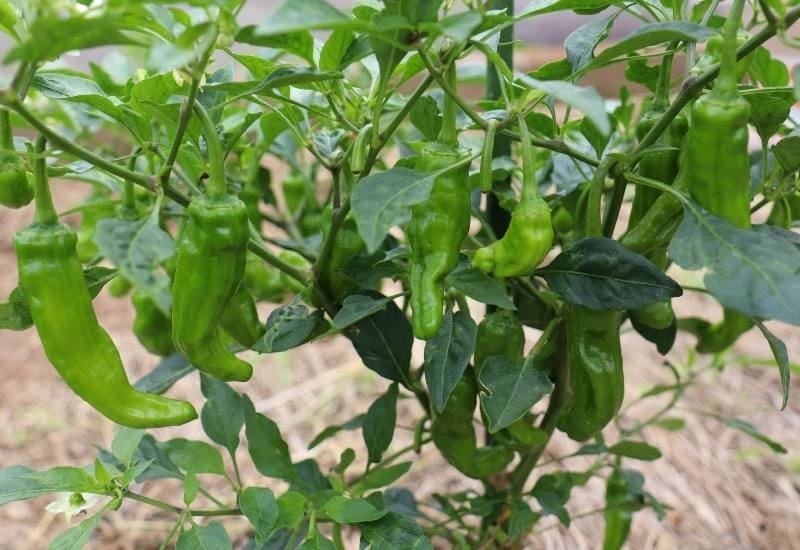
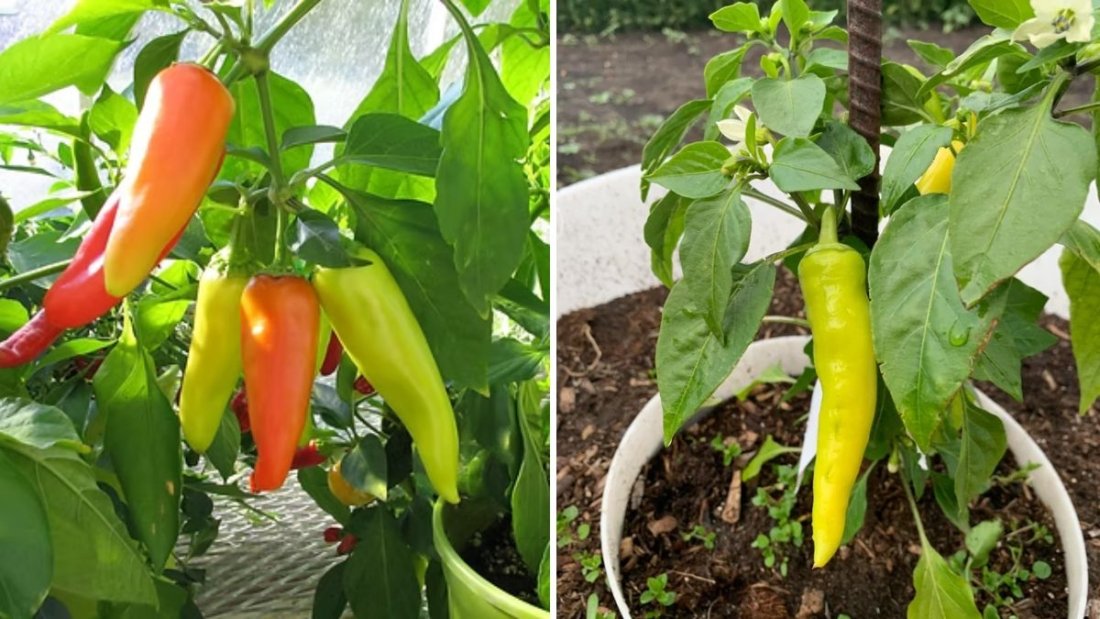
Hungarian peppers, sometimes called Hungarian Wax Peppers, are medium-hot chili peppers that range between 5,000–10,000 Scoville Heat Units (SHU)—just enough heat to excite your taste buds without overpowering your food.

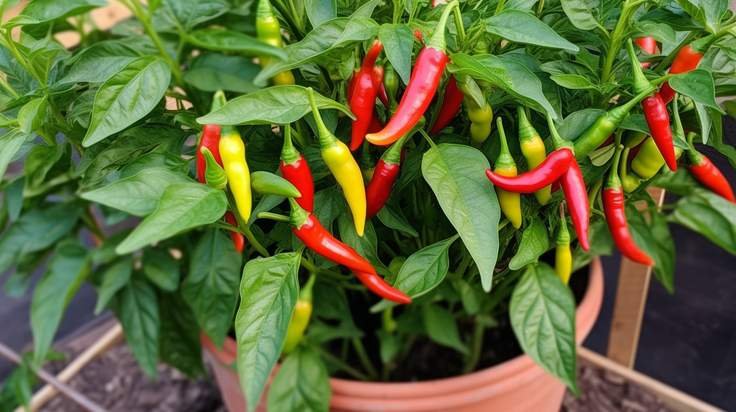
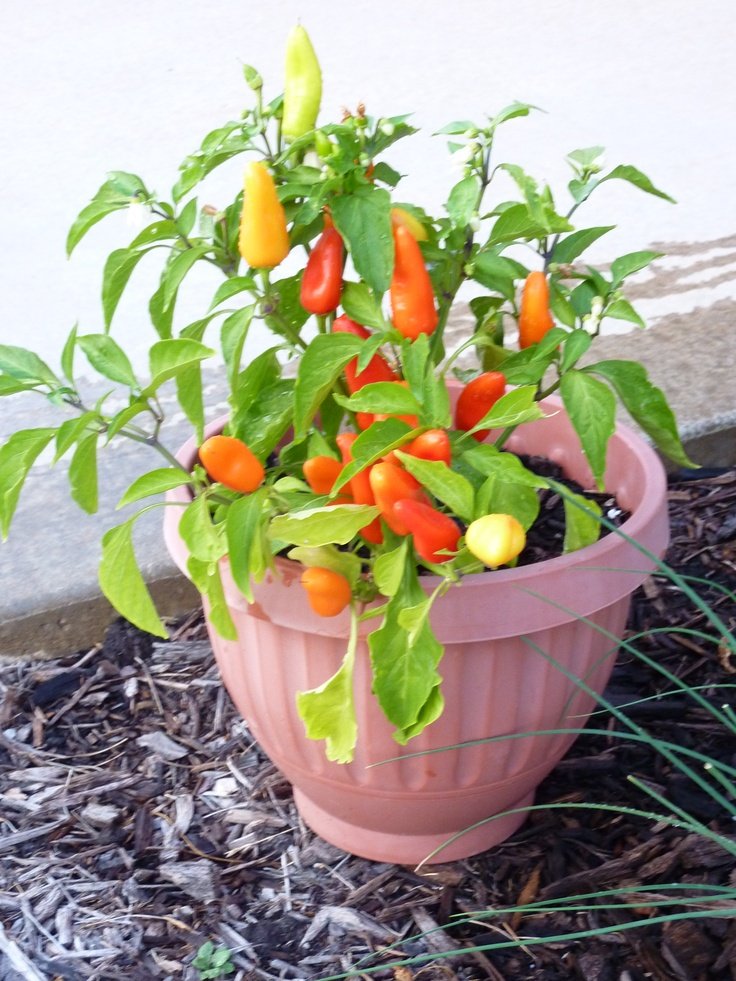
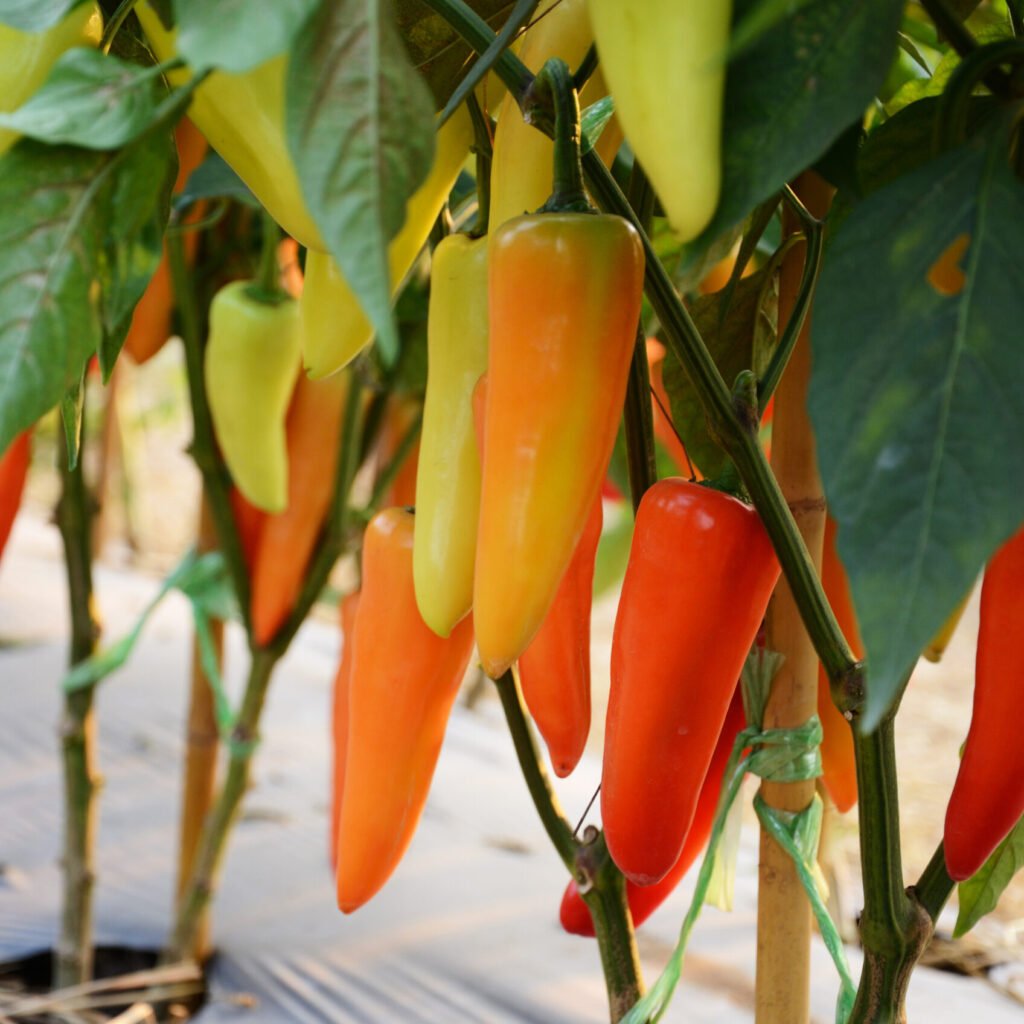
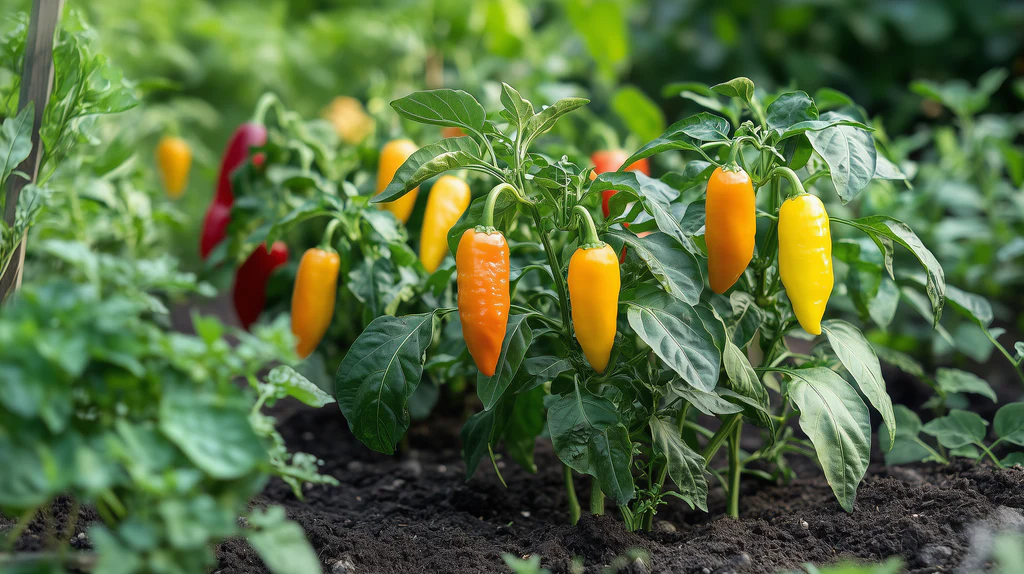
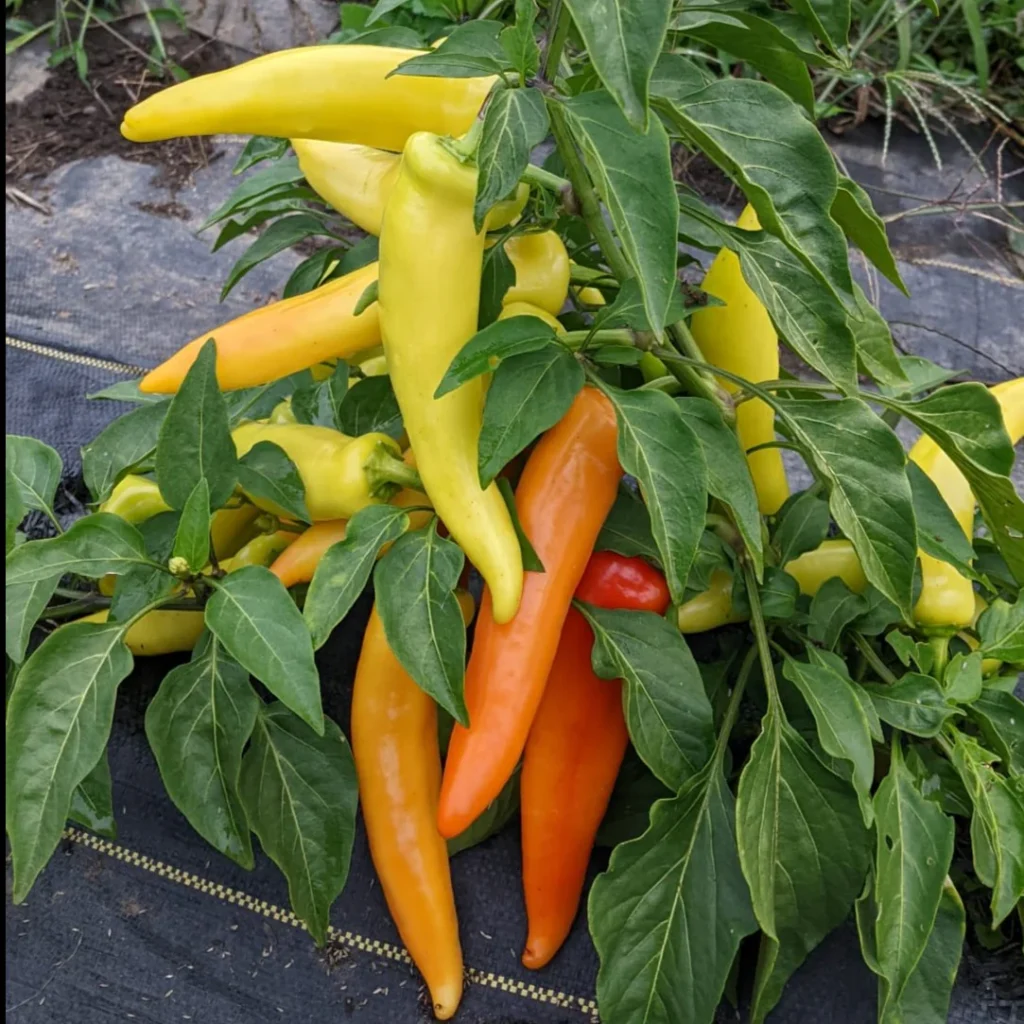
They’re known for their smooth, waxy skin that ripens from light green to orange, then bright red. These peppers are perfect for pickling, roasting, or stuffing and make a vibrant addition to any dish.

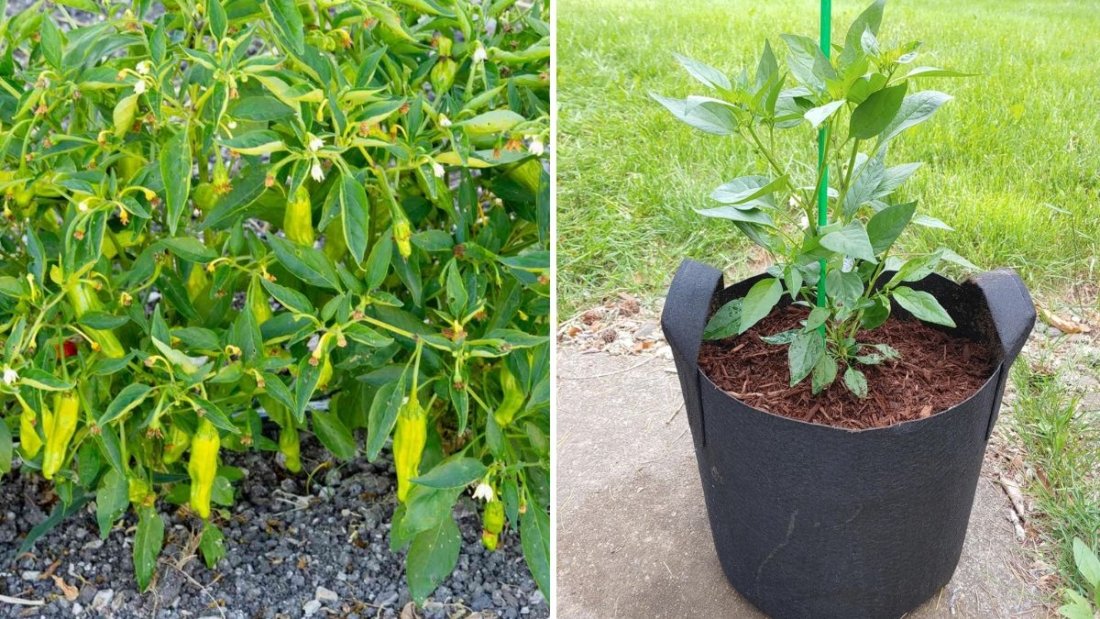
Hungarian pepper plants are compact, ideal for container gardening, and can produce generously when grown under the right conditions—especially in systems like the Torpedopot, which provides a controlled environment for optimal growth.


What Is a Torpedopot?
The Torpedopot is a revolutionary self-growing planter designed to automate much of the work gardeners usually do manually. It’s a self-watering, self-feeding, and self-aerating system that mimics a natural ecosystem, allowing plants to thrive with minimal effort.

It works by distributing water and nutrients directly to the roots in a controlled manner, ensuring plants get what they need without overwatering or nutrient loss.

Key benefits of the Torpedopot system include:

  • Consistent moisture for strong root development
  • Oxygen-rich soil to prevent root rot
  • Efficient nutrient delivery
  • Reduced maintenance and weeding
  • Exceptional yield per plant

For Hungarian peppers—which love consistent warmth, moisture, and nutrients—this planter creates the perfect growing environment.


Getting Started: Setting Up Your Torpedopot
1. Choose the Right Pot Size

Hungarian peppers have a moderate root system. A medium-sized Torpedopot (around 14–16 inches deep) works perfectly. Ensure it has the built-in watering and aeration system properly connected before adding soil.

2. Prepare the Organic Soil Mix

Even though the Torpedopot manages moisture and aeration, using rich organic soil is essential. Create a blend like this:

  • 40% organic compost or aged cow manure
  • 30% coco coir or peat moss
  • 20% garden loam or topsoil
  • 10% perlite or coarse sand for aeration

Add a handful of bone meal or neem cake powder for natural nutrients and pest protection.

3. Add Seeds or Seedlings

You can start Hungarian peppers from seeds or purchase healthy seedlings from a nursery. If starting from seed:

  • Sow them indoors in small pots 8–10 weeks before the growing season.
  • Once seedlings are 5–6 inches tall, transplant them into the Torpedopot.

For faster results, start with transplants. Space them about 8–10 inches apart if growing multiple plants in one large system.


The Perfect Growing Conditions
Light Requirements

Hungarian peppers thrive in 6–8 hours of direct sunlight each day. Position your Torpedopot in a bright area, preferably a south-facing wall, balcony, or patio.

Temperature

Peppers love warmth. Ideal temperature:

  • Daytime: 25–32°C (77–90°F)
  • Night: not below 18°C (64°F)

If you’re growing in cooler regions, use a greenhouse cover or place your Torpedopot in a sunlit indoor area during early growth.


Watering the Smart Way

One of the best advantages of the Torpedopot is its automated watering system. Unlike traditional pots where water tends to pool on top or drain too quickly, the Torpedopot delivers water evenly at the root zone, ensuring steady hydration.

Here’s what makes the difference:

  • Consistent moisture helps prevent blossom end rot and fruit cracking.
  • Oxygenated roots encourage faster nutrient absorption.
  • No risk of overwatering—perfect for busy gardeners.

Still, monitor the soil occasionally. If the surface feels dry, adjust the water flow slightly higher for a day or two.


Feeding Your Pepper Plants Organically
To achieve a yield of over 200 peppers, consistent feeding is essential—but organically, of course. Use slow-release organic fertilizers or liquid feeds every 2–3 weeks during the growing season.

Top organic feeding options:

  • Vermicompost tea: rich in beneficial microbes and balanced nutrients.
  • Banana peel fertilizer: packed with potassium for flowering and fruiting.
  • Seaweed extract: promotes healthy foliage and enhances fruit flavor.
  • Compost mulch: helps retain soil moisture and suppress weeds.

Avoid chemical fertilizers; they can upset the delicate ecosystem inside your Torpedopot and alter the natural pepper flavor.


From Flowers to Fruits

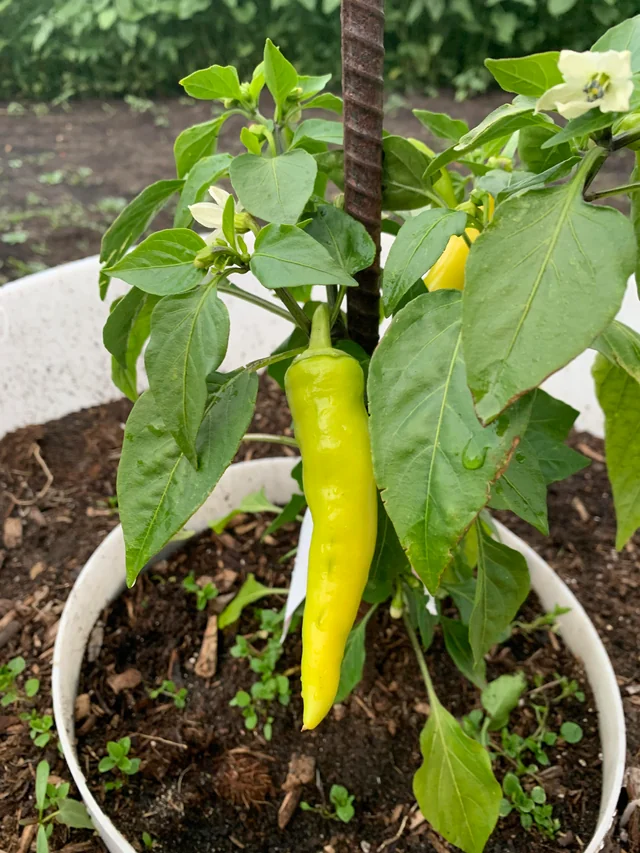
After about 50–60 days, your Hungarian pepper plants will start flowering. Small white blooms appear, which then transform into tender green peppers.

To encourage continuous fruiting:

  • Pollination: In open spaces, bees will help. Indoors, gently tap or shake the stems to aid pollination.
  • Pruning: Trim lower leaves and suckers to allow airflow and direct energy toward fruit growth.
  • Consistent feeding: Use compost tea when flowering begins for optimal yields.

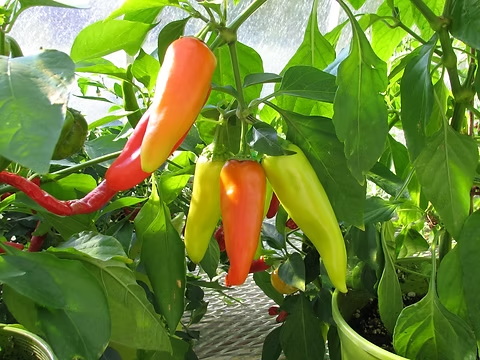
Soon, your Torpedopot will be full of glossy, elongated peppers—first green, then turning a stunning golden yellow to red as they ripen.


Organic Pest Management

Even in controlled systems, pests can appear, especially aphids or spider mites. But chemical sprays aren’t needed—organic care works perfectly.

Try these natural remedies:

  • Neem oil spray: Mix 5 ml neem oil, 1 liter of water, and a few drops of mild soap. Spray once a week.
  • Garlic-chili spray: Blend garlic and chili with water, strain, and apply on leaves.
  • Companion planting: Grow marigolds or basil nearby to repel pests naturally.

Maintaining good air circulation and removing yellowing leaves regularly will also prevent fungal diseases.


Harvest Time – 200+ Peppers and Counting!

The moment of reward comes around 70–80 days after planting. Hungarian peppers can be harvested when they’re:

  • Light green or yellow for a mild flavor.
  • Red and fully ripe for a deeper, sweeter, slightly hotter taste.

Use clean scissors to clip the peppers off the stems, leaving a small portion of stem attached to each fruit. Frequent harvesting encourages the plant to produce more.

With optimal care, each plant can yield 40–60 peppers, and multiple plants in a Torpedopot can easily surpass 200 fruits in one growing season!


Post-Harvest Uses

Hungarian peppers are incredibly versatile. You can:

  • Slice them fresh into salads or stir-fries.
  • Pickle them for long-term storage.
  • Roast and stuff them with cheese or rice.
  • Dry them to make homemade chili powder or flakes.

Their mild-to-medium heat makes them perfect for both spicy food lovers and those who prefer gentle warmth in their meals.


End-of-Season Care

When the growing season ends or plants slow down production:

  1. Trim dead foliage and compost it.
  2. Empty and refresh the soil if needed.
  3. Clean your Torpedopot system thoroughly to prevent residue buildup.
  4. Save seeds from the healthiest ripe peppers for next season.

Proper maintenance ensures your system stays productive for many years, supporting multiple harvest cycles with minimal effort.


Why the Torpedopot System Excels for Peppers

Let’s recap why this self-growing system yields such impressive results:

FeatureBenefit for Peppers
Self-wateringPrevents under or overwatering
Oxygenation systemPromotes robust root development
Nutrient deliverySteady, balanced feeding for heavy fruiting
Minimal soil compactionEasier nutrient uptake
Eco-friendlySupports organic growing principles

The Torpedopot allows nature and technology to work in harmony, giving your plants an almost ideal environment—especially beneficial for heat-loving crops like Hungarian peppers.


Final Thoughts

Harvesting over 200 Hungarian peppers may sound ambitious, but with the right system and organic care, it’s absolutely achievable. The self-growing Torpedopot makes the process not only efficient but also deeply rewarding.

By combining modern growing technology with traditional organic methods, you get the best of both worlds—lush plants, abundant harvests, and chemical-free produce bursting with natural flavor.

Whether you’re growing on a small balcony, backyard, or greenhouse, this method proves that sustainable, high-yield gardening is within everyone’s reach. So get your hands on a Torpedopot, some Hungarian pepper seeds, and watch your next spicy, colorful harvest come alive—one pepper at a time.
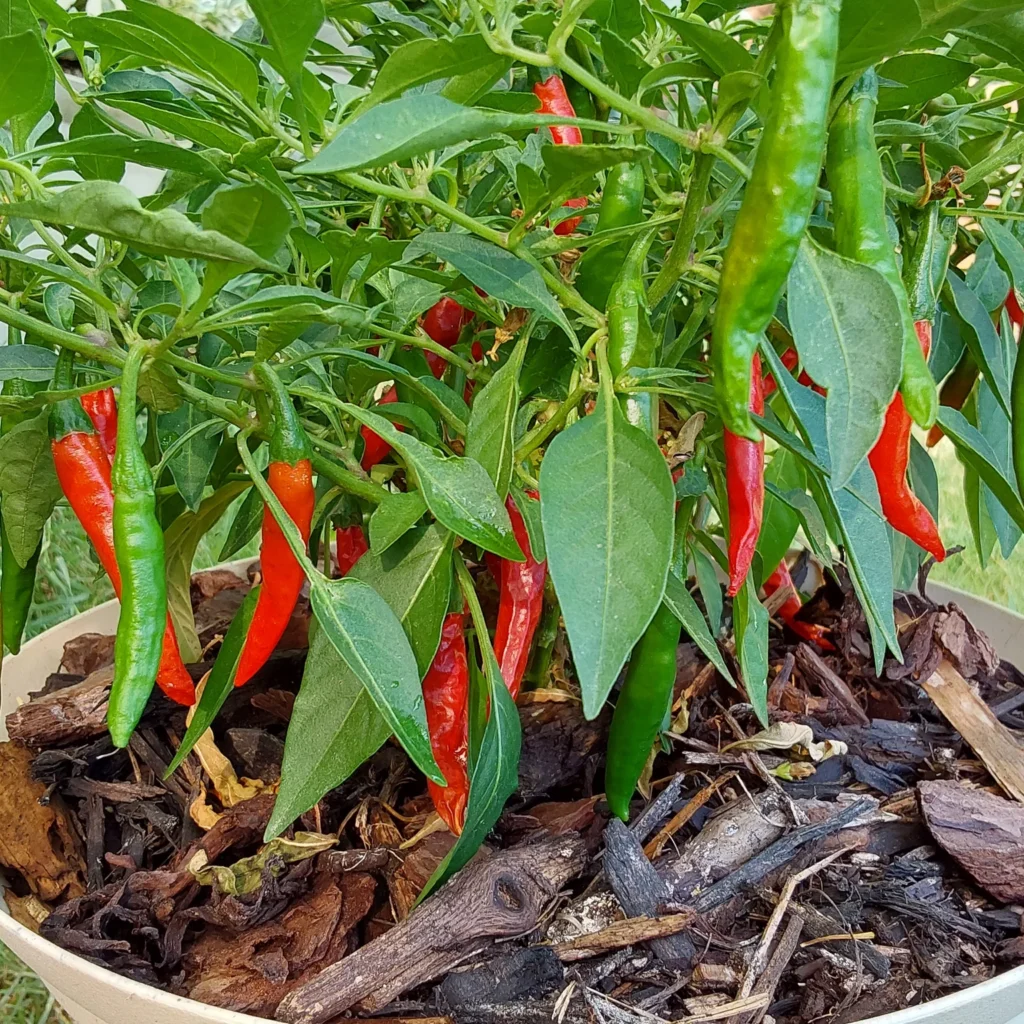
How to Grow Bird’s Eye Chili (Thai Chili Pepper) Organically in Containers – A Complete Guide

How to Grow Bird’s Eye Chili (Thai Chili Pepper) Organically in Containers – A Complete Guide

If you love spicy food or enjoy adding a fiery kick to your dishes, growing your own Bird’s Eye Chili (Thai Chili Pepper) is an absolute treat. These compact plants are perfect for container gardening, produce an abundance of small yet incredibly hot peppers, and thrive even in limited spaces like balconies or patios. What’s more, you can grow them organically, ensuring pure, chemical-free heat straight from your garden to your kitchen.

In this complete guide, we’ll explore everything you need to know about growing Bird’s Eye Chili organically in containers—from choosing the right pot and soil mix to harvesting, pest control, and even saving seeds for next season.


Understanding the Bird’s Eye Chili (Thai Chili Pepper)

The Bird’s Eye Chili, also known as Thai Chili, is a small but mighty pepper native to Southeast Asia. It’s a staple in Thai, Vietnamese, Filipino, and Indian cuisines, known for its intense heat that ranges between 50,000 to 100,000 Scoville Heat Units (SHU)—much hotter than the average jalapeño!

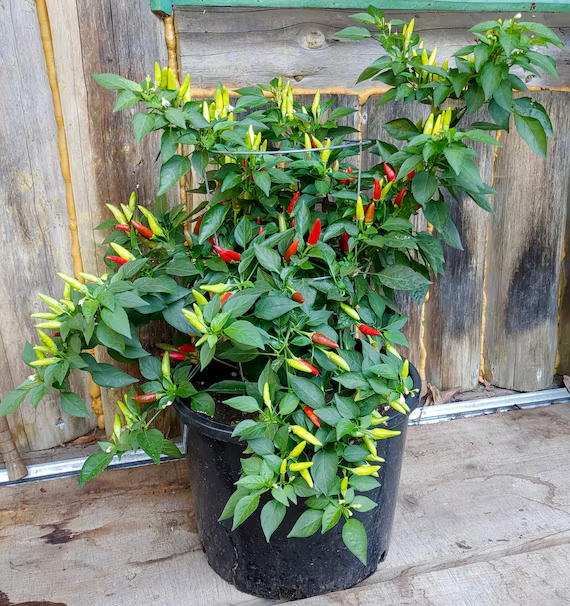
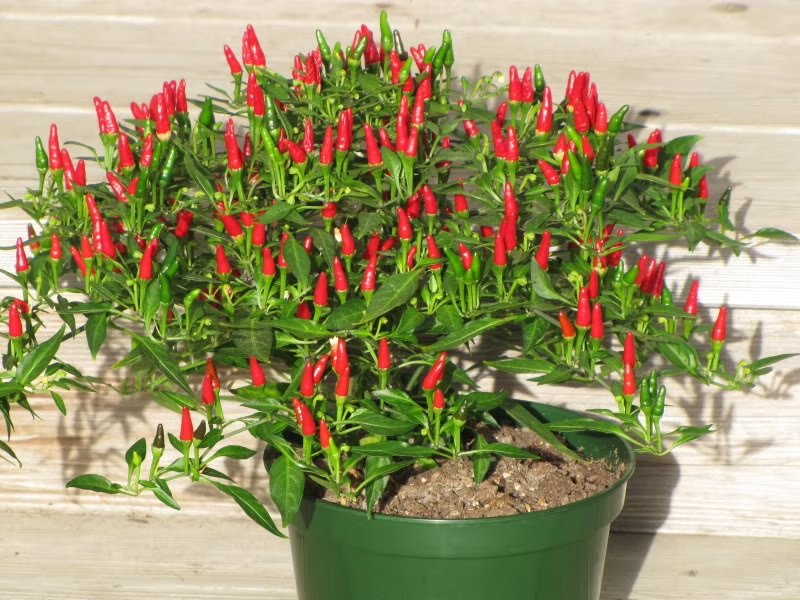
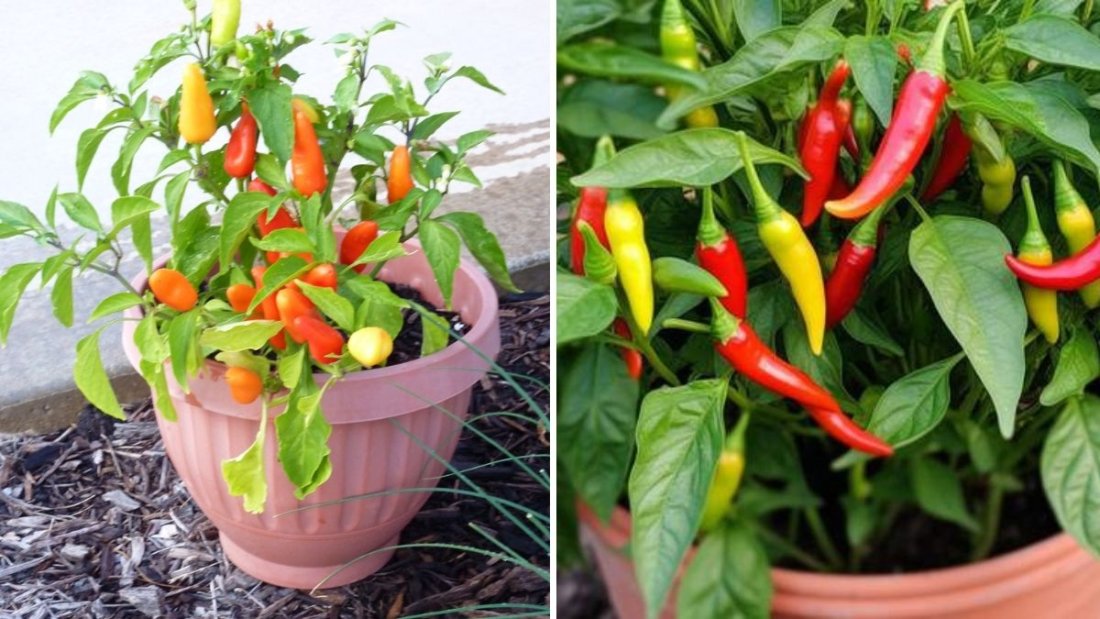
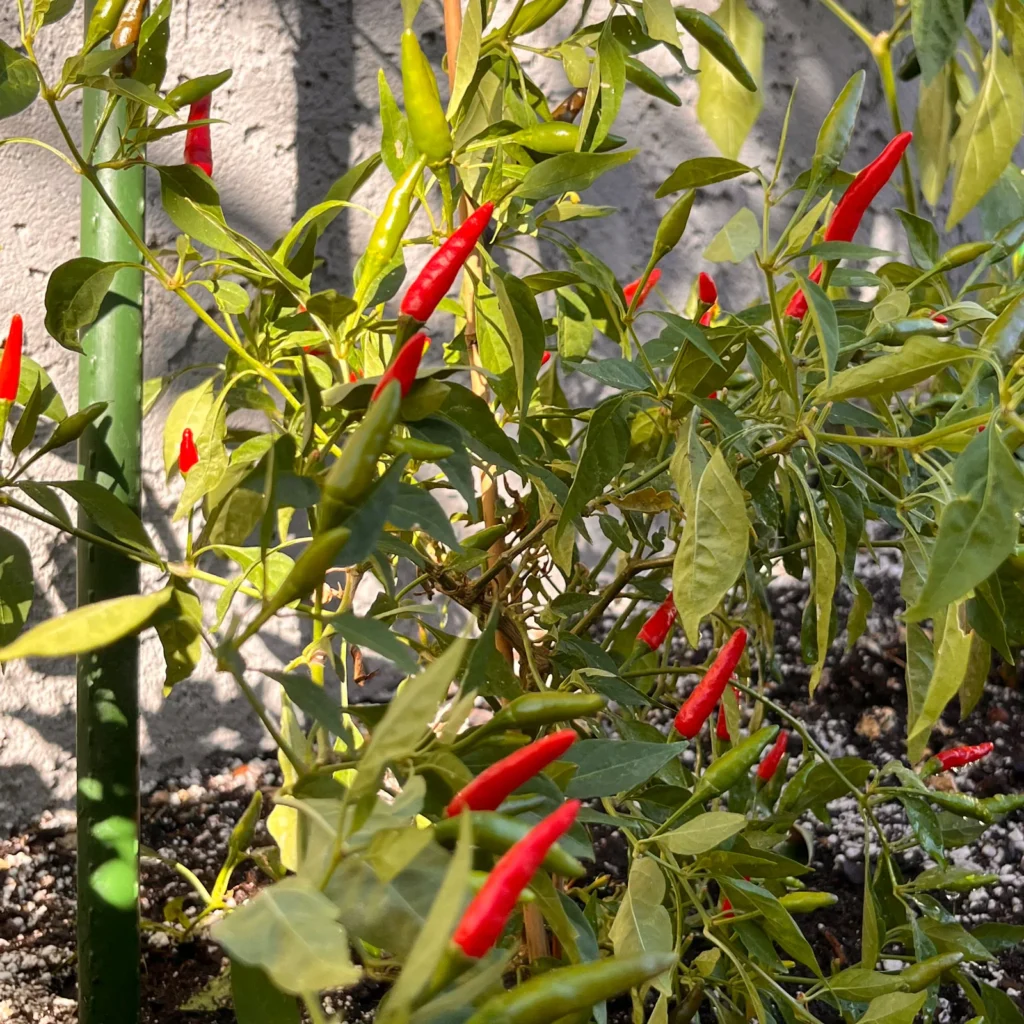
The plant itself is small, bushy, and highly productive. Each plant can produce dozens of slender, colorful fruits that start green and ripen to bright red. Bird’s Eye Chilis are perfect for container gardening, as they don’t need much space yet provide continuous harvests for months.


Choosing the Right Container

One of the most important steps in container gardening is selecting the right pot. Bird’s Eye Chili plants grow best in containers that are at least 12 to 14 inches deep and wide enough to support their root system.

Tips for container selection:

  • Use pots made of terracotta, fabric grow bags, or food-grade plastic.
  • Ensure there are drainage holes at the bottom to prevent waterlogging.
  • If you plan to grow multiple plants, give each one its own pot to avoid overcrowding.

Place the container in a sunny location—Bird’s Eye Chili thrives in 6–8 hours of direct sunlight each day.


Preparing the Organic Soil Mix

Healthy soil is the foundation of an organic garden. Bird’s Eye Chili prefers well-draining, nutrient-rich soil with a slightly acidic pH between 6.0 and 6.8.

Here’s an ideal organic potting mix recipe:

  • 40% garden soil or composted cow dung manure
  • 30% coco peat or coconut coir (for water retention)
  • 20% organic compost or vermicompost
  • 10% perlite or coarse sand (for drainage and aeration)

You can also mix in a handful of neem cake powder or bone meal to enrich the soil with slow-release nutrients and natural pest resistance.


Sowing the Seeds

You can start Bird’s Eye Chili either from seeds saved from ripe chilies or from store-bought seed packets.

How to sow seeds:

  1. Soak the seeds in warm water for 8–10 hours to soften the seed coat.
  2. Fill small seed trays or cups with your prepared potting mix.
  3. Sow the seeds about ¼ inch deep, two per cell, and lightly cover with soil.
  4. Mist with water and cover the tray with clear plastic or cling wrap to retain moisture.
  5. Place in a warm area with indirect sunlight (25–30°C).

Seeds usually germinate in 7–14 days. Once seedlings develop 3–4 true leaves, transplant them into your prepared containers.


Caring for Bird’s Eye Chili Plants

1. Sunlight and Temperature

These chili peppers are tropical plants that love warmth. Place your container where it receives plenty of sun—a south-facing balcony or terrace is ideal.

  • Optimal temperature: 22–32°C (72–90°F)
  • Avoid exposing them to cold drafts or frost.

2. Watering

Overwatering is a common mistake. Bird’s Eye Chili prefers slightly moist but never soggy soil.

  • Water only when the top 1 inch of soil feels dry.
  • In hot weather, you may need to water daily; in cooler conditions, every 2–3 days is sufficient.
  • Use rainwater or dechlorinated water for best results.

3. Feeding Organically

For steady growth and fruiting, feed your chili plant every 15–20 days with:

  • Compost tea or vermicompost tea for overall nutrition.
  • Banana peel fertilizer for potassium boost during flowering.
  • Fish emulsion or seaweed extract for micronutrients.

Avoid using chemical fertilizers, as they can harm soil microbes and affect the flavor of the chilies.

4. Pruning and Support

Once the plant grows about 10–12 inches tall, pinch off the growing tip to encourage bushy growth and more branching.
You can use bamboo sticks or small stakes to support the plant as it becomes heavy with fruit.


Organic Pest and Disease Control

Even when grown organically, Bird’s Eye Chili plants can attract pests like aphids, whiteflies, and spider mites. Luckily, natural remedies work wonders:

  • Neem oil spray: Mix 5 ml neem oil with 1 liter of water and a few drops of liquid soap. Spray every 7–10 days.
  • Garlic-chili spray: Blend 5 cloves of garlic, 2 hot chilies, and water; strain and spray on leaves.
  • Marigold companion planting: Growing marigolds near your chili plants helps deter common pests.

Watch out for leaf curling, yellowing, or black spots, which may indicate nutrient deficiency or fungal disease. Prune affected leaves and ensure good air circulation around the plants.


Flowering and Fruit Development

After about 60–70 days, the plant will start producing small white flowers. These flowers eventually turn into tiny green chilies that ripen to bright red. To encourage strong fruit set:

  • Keep the plant well-fed with compost tea.
  • Avoid water stress during flowering.
  • If you’re growing indoors, gently shake the plant to aid pollination.

Within 80–100 days from transplanting, you’ll start harvesting your first batch of Bird’s Eye Chilies!


Harvesting the Chilies

Bird’s Eye Chilies can be harvested when they are green for milder flavor or fully red for maximum heat.

  • Use scissors or pruning shears to avoid damaging the plant.
  • Regular harvesting encourages the plant to produce more fruits.
  • Each plant can yield 50–100 chilies during a productive season.

You can use them fresh, sun-dry them for storage, or make your own chili flakes, powders, and spicy sauces.


Saving Seeds for Next Season

Saving seeds from your organically grown Bird’s Eye Chilies ensures you have a steady supply for years.

  1. Choose the healthiest, fully ripe red chilies.
  2. Split them open and scoop out the seeds.
  3. Dry the seeds on a paper towel for 4–5 days.
  4. Store them in a labeled paper envelope or airtight glass jar in a cool, dry place.

Properly stored seeds can remain viable for up to 3 years.


Benefits of Growing Bird’s Eye Chili Organically

Growing organically offers numerous benefits—for your health, the environment, and your taste buds!

  • Chemical-free produce: No synthetic pesticides or fertilizers.
  • Better flavor: Organically grown chilies have a richer, more complex heat.
  • Soil health: Compost and organic inputs promote long-term fertility.
  • Pollinator-friendly: Natural growing methods attract bees and beneficial insects.
  • Sustainability: You can reuse soil, compost kitchen waste, and create a closed-loop garden system.

Common Problems and Quick Fixes

ProblemLikely CauseOrganic Solution
Yellowing leavesOverwatering or nitrogen deficiencyWater less often, feed compost tea
No floweringLack of sunlightMove container to sunnier spot
Flowers droppingWater stress or temperature fluctuationMaintain consistent watering, provide partial shade
Small chiliesLow nutrientsAdd banana peel or fish fertilizer
Leaf curlAphid attackNeem oil spray weekly

Final Thoughts

Growing Bird’s Eye Chili (Thai Chili Pepper) organically in containers is a rewarding and practical way to bring heat and color into your garden—and your kitchen! These compact plants are easy to care for, incredibly productive, and thrive even in small urban spaces.

By following the steps in this guide—using organic soil, natural fertilizers, and eco-friendly pest control—you’ll enjoy a steady harvest of flavorful, chemical-free chilies.

So, roll up your sleeves, grab a pot, and start growing your own fiery Bird’s Eye Chilies. Once you taste that homegrown spice, you’ll never go back to store-bought again!

How to Plant and Grow Hungarian Hot Wax Peppers in Your Garden — A Complete Step-by-Step Guide for Spicy Success

How to Plant and Grow Hungarian Hot Wax Peppers in Your Garden — A Complete Step-by-Step Guide for Spicy Success

If you love growing peppers that strike the perfect balance between heat and sweetness, Hungarian Hot Wax Peppers are a must-have for your garden. These vibrant yellow-to-red peppers not only add fiery flavor to your dishes but also bring a burst of color to your vegetable patch. Whether you’re a beginner gardener or a seasoned pepper enthusiast, learning how to plant and care for these peppers properly can reward you with a plentiful, spicy harvest.

Inspired by the video “How-to Plant Hungarian Hot Wax Peppers in Your Garden!”, this complete 1200-word guide will take you through every step—from choosing seeds and preparing soil to transplanting, caring, and harvesting. Let’s dive into how you can successfully grow Hungarian Hot Wax Peppers right in your backyard or containers.


What Makes Hungarian Hot Wax Peppers Special?

Hungarian Hot Wax Peppers (Capsicum annuum) are known for their distinctive, mildly hot flavor and versatile culinary use. They typically measure 5–6 inches long and have a Scoville heat rating between 5,000 and 10,000 SHU, similar to a milder jalapeño.

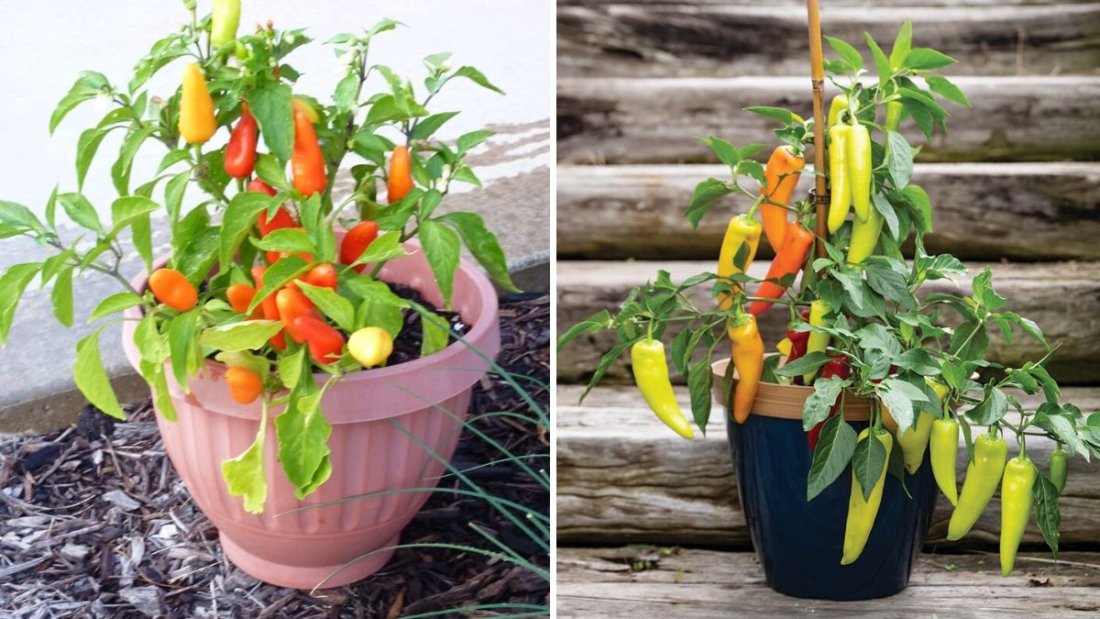
The peppers start off a bright yellow, mature to orange, and finally turn a deep red when fully ripe. This color transformation is not just beautiful—it also signals changes in flavor, from tangy and slightly hot to sweeter and more complex as they ripen.

They’re perfect for pickling, stuffing, grilling, or adding to fresh salads and sauces. Plus, they’re hardy, fast-growing, and adaptable to different climates, making them ideal for home gardeners.


Step 1: Starting Hungarian Hot Wax Peppers from Seeds

1. When to Start Seeds

Begin indoors about 8–10 weeks before your last frost date. Pepper seeds need warm soil and consistent heat to germinate.

2. Seed Starting Setup

You’ll need:

  • Seed trays or small pots
  • Seed-starting mix (light, well-draining)
  • A heating mat (for consistent warmth)
  • Grow lights or a sunny windowsill

3. Planting Seeds

  • Fill trays with moistened seed mix.
  • Plant each seed about ¼ inch deep.
  • Cover lightly and mist with water.
  • Maintain soil temperature between 75°F–85°F (24°C–29°C).

4. Germination Time

Seeds typically germinate in 10–14 days, but some may take longer if temperatures fluctuate. Keep the mix moist but never soggy—overwatering can cause damping-off disease.


Step 2: Transplanting Seedlings Outdoors

Once seedlings are about 3–4 inches tall and have at least two sets of true leaves, they’re ready to be hardened off for transplanting.

1. Hardening Off

Gradually introduce the plants to outdoor conditions over 7–10 days. Start by placing them in a shaded, sheltered spot for a few hours daily, then slowly increase sun exposure.

2. Choosing a Location

Peppers thrive in full sun—at least 6–8 hours of direct light daily. Choose a spot with rich, well-draining soil that warms up quickly in spring.

3. Soil Preparation

Amend the soil with compost or well-rotted manure. The ideal pH range is 6.0 to 6.8.

Before transplanting, mix in a handful of organic fertilizer or slow-release balanced feed (like 10-10-10 NPK) to give the plants a nutrient boost.

4. Planting Spacing and Depth

  • Space plants 18–24 inches apart in rows about 24–30 inches apart.
  • Transplant them at the same depth they were growing in pots.
  • Water thoroughly after planting to settle the roots.

If you’re using containers, choose pots that are at least 12 inches deep with good drainage holes.


Step 3: Caring for Hungarian Hot Wax Peppers

1. Watering

Peppers prefer consistent moisture but hate waterlogged soil. Water deeply once or twice a week, allowing the top inch of soil to dry between waterings.

Mulch around the base with straw or shredded leaves to retain moisture and regulate soil temperature.

2. Fertilizing

Feed your plants every 3–4 weeks with a balanced fertilizer early on. Once they start flowering, switch to a low-nitrogen, high-potassium formula to promote fruiting instead of excessive foliage growth.

Homemade compost tea or liquid seaweed also works wonders for healthy fruit production.

3. Sunlight and Temperature

Hungarian Hot Wax Peppers love warmth. Keep them in areas where daytime temperatures range between 70°F–85°F (21°C–29°C).

If nighttime temperatures drop below 55°F (13°C), cover them with row covers or garden fabric for protection.

4. Pruning and Staking

  • Pinch off early flowers if your plant is still small—this encourages stronger root and leaf growth first.
  • As the plant grows, prune lower leaves to improve airflow and prevent fungal diseases.
  • Use small stakes or cages to support heavy fruit-laden branches.

Step 4: Flowering and Pollination

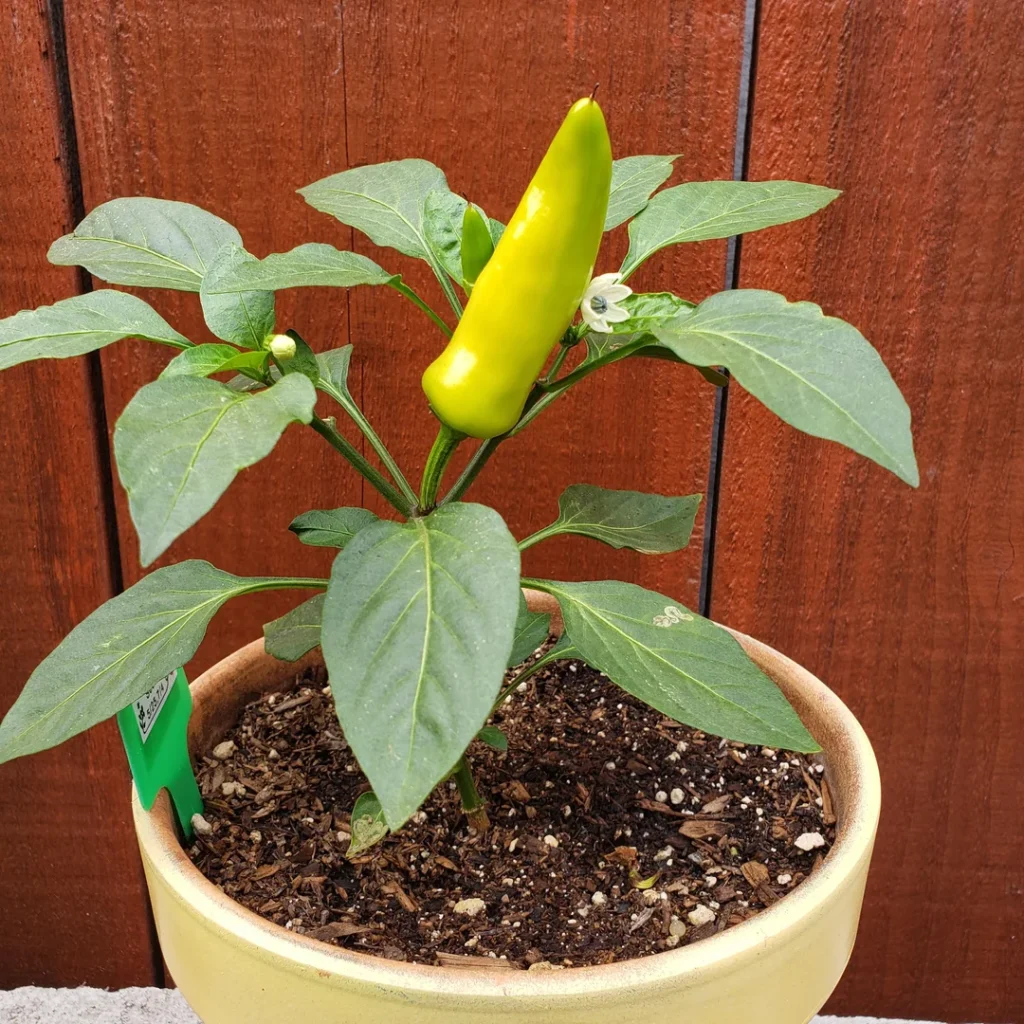
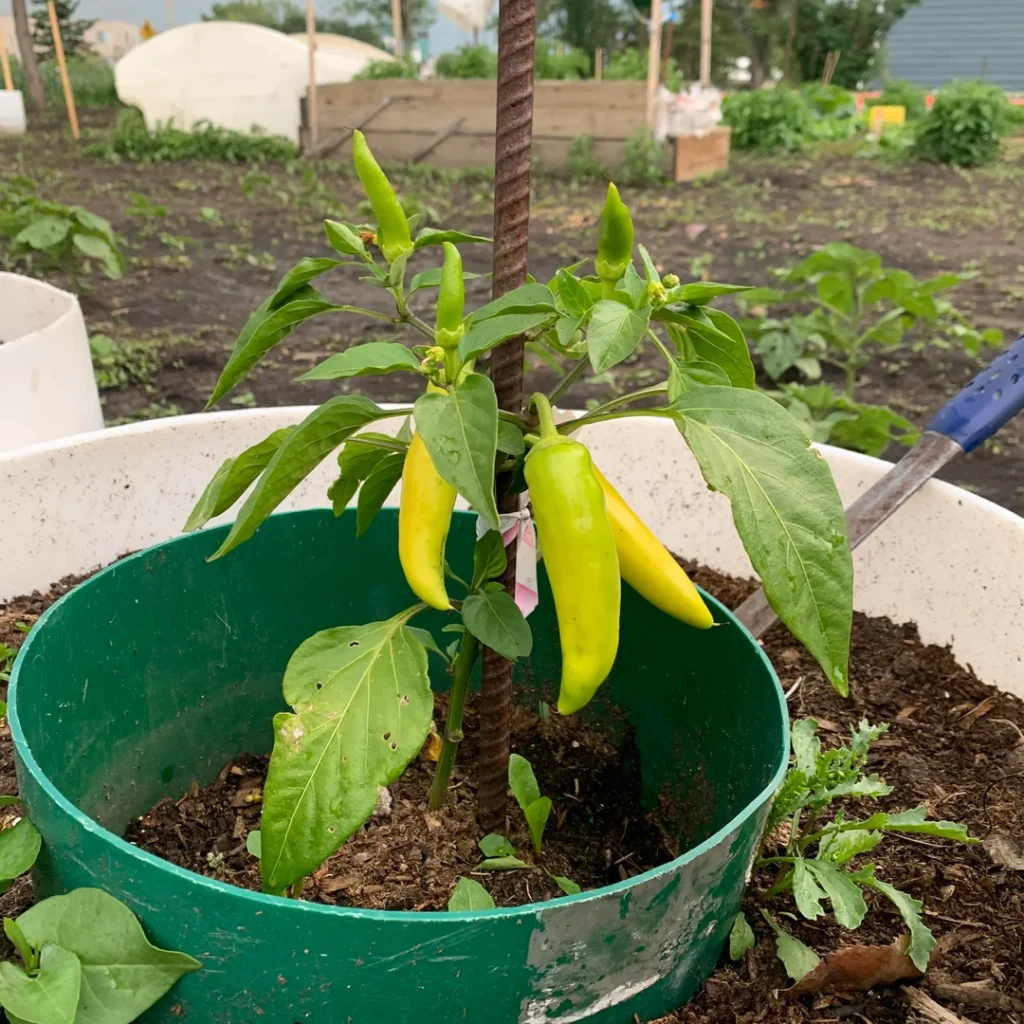
Hungarian yellow wax pepper in fruiting stage ** Note: Shallow depth of field

Hungarian Hot Wax Pepper plants will start flowering 6–8 weeks after transplanting. The small white flowers soon give way to tiny green peppers.

Peppers are self-pollinating, but gentle shaking of the flowers or the presence of pollinators like bees can improve fruit set.

If you’re growing indoors or in a greenhouse, you can use a small brush to transfer pollen between flowers manually.


Step 5: Harvesting Hungarian Hot Wax Peppers

1. When to Harvest

You can start harvesting when peppers reach about 4–6 inches long and have turned a bright yellow shade. For a sweeter and slightly less tangy flavor, wait until they turn red.

  • Yellow stage: Tangy, moderately hot
  • Orange stage: Balanced flavor, more sweetness
  • Red stage: Sweetest, fully mature, and slightly hotter

2. How to Harvest

Use scissors or pruning shears to cut peppers from the plant, leaving a short stem attached. This prevents damage to the main plant and encourages continuous fruiting.

3. Continuous Harvesting

The more you pick, the more the plant produces! Frequent harvesting encourages the plant to channel energy into new fruits.


Common Growing Problems and Solutions

1. Yellow Leaves

Usually a sign of overwatering or nitrogen deficiency. Check soil moisture and supplement with a balanced fertilizer.

2. Blossom Drop

Often caused by temperature extremes or lack of pollination. Keep the environment stable and ensure adequate pollination.

3. Aphids and Spider Mites

Spray leaves with neem oil or a mild insecticidal soap. Introducing ladybugs can also help manage pests naturally.

4. Sunscald

Occurs when peppers are suddenly exposed to harsh sunlight. Gradually acclimate plants and ensure enough leaf cover to shade the fruit.


Enjoying Your Harvest: Delicious Ways to Use Hungarian Hot Wax Peppers

Once harvested, Hungarian Hot Wax Peppers can be used fresh or preserved. Here are a few favorite ideas:

  • Pickled Peppers: Slice and pickle them in vinegar, salt, and garlic for tangy toppings.
  • Stuffed Peppers: Fill with cheese, meat, or grains, and bake until tender.
  • Grilled or Roasted: Perfect for sandwiches, salsas, or as a side dish.
  • Fermented Hot Sauce: Blend ripe red peppers with salt and ferment for a few days before mixing into a flavorful homemade sauce.

Their mild-to-medium heat makes them incredibly versatile in cuisines ranging from Mediterranean to Mexican and Eastern European dishes.


End-of-Season Care and Seed Saving

As the growing season ends, you can overwinter your plants or save seeds for next year.

1. Overwintering Plants

If you live in a mild climate, prune your pepper plants and move them indoors before the first frost. Place them in a sunny spot and water sparingly through winter.

2. Saving Seeds

Allow a few peppers to fully ripen and turn red on the plant. Remove the seeds, rinse them clean, and let them dry for 5–7 days on a paper towel. Store them in a cool, dark place in labeled envelopes. Properly dried seeds stay viable for up to 3 years.


Quick Growing Tips Recap

Start seeds indoors 8–10 weeks before the last frost.
Transplant when soil is warm and frost-free.
Provide full sun and rich, well-draining soil.
Water consistently but avoid overwatering.
Harvest regularly to boost production.
Protect from cold and pests for optimal yields.


Final Thoughts

Growing Hungarian Hot Wax Peppers is one of the most rewarding gardening experiences. These bright, cheerful peppers offer a delightful combination of mild heat and sweetness that elevates any meal. With just a bit of care, sunshine, and regular watering, your garden can be filled with dozens of peppers throughout the season.

So grab a packet of seeds, prepare your garden bed, and get ready to spice up your summer with homegrown Hungarian Hot Wax Peppers—straight from your garden to your plate!

How to Grow, Harvest, and Cook Shishito Peppers – From Garden to Table with the Easiest Recipe Ever

How to Grow, Harvest, and Cook Shishito Peppers – From Garden to Table with the Easiest Recipe Ever

If you’ve ever enjoyed a plate of blistered shishito peppers at a restaurant, you already know how addictive these mild, slightly smoky, and occasionally spicy little peppers can be. What many don’t realize is how easy they are to grow at home. Whether you have a backyard garden, balcony pots, or even a hydroponic setup, shishito peppers thrive with minimal effort and reward you with an abundant harvest.
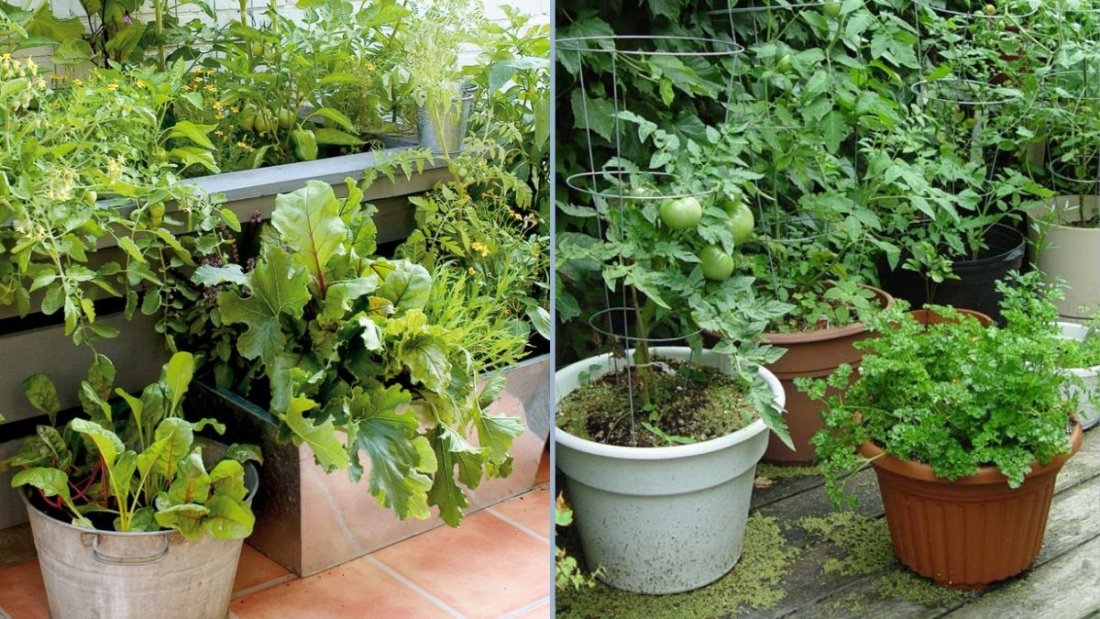
Inspired by the video “Shishito Peppers – Grow, Harvest, Cook, Eat, and Easiest Recipe Ever,” this detailed guide walks you through the complete life cycle of shishito peppers—from planting seeds and caring for the plants to harvesting and whipping up a quick, mouthwatering dish you’ll want to make again and again.


What Makes Shishito Peppers So Special?

Shishito peppers (Capsicum annuum) are a Japanese heirloom variety known for their slender, wrinkled shape and mild flavor. About one in ten carries a surprising bit of heat—just enough to keep things interesting! They’re often pan-blistered and sprinkled with sea salt for a simple yet irresistible appetizer.

These peppers are typically 2–4 inches long, bright green when young, and turn red as they ripen. The green stage is best for harvesting when you want that signature mild, sweet flavor with a hint of smokiness.


Growing Shishito Peppers from Seed

1. Start Indoors for a Head Start

Shishito peppers love warm weather, so start your seeds indoors about 8–10 weeks before your region’s last frost date. Use a quality seed-starting mix and shallow trays or small pots.
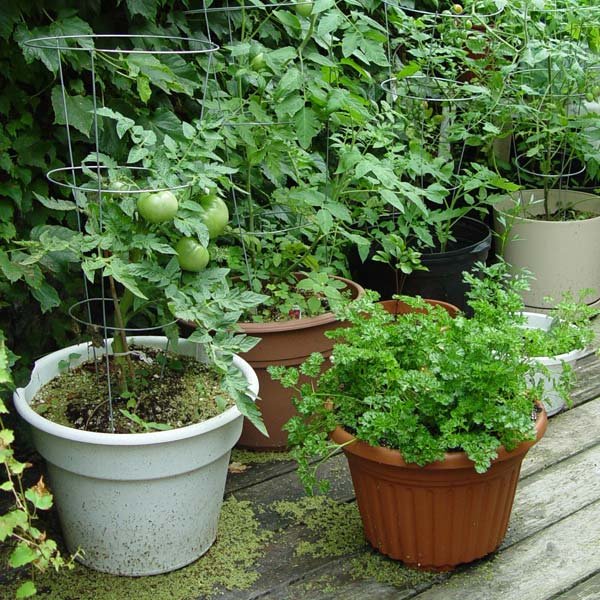
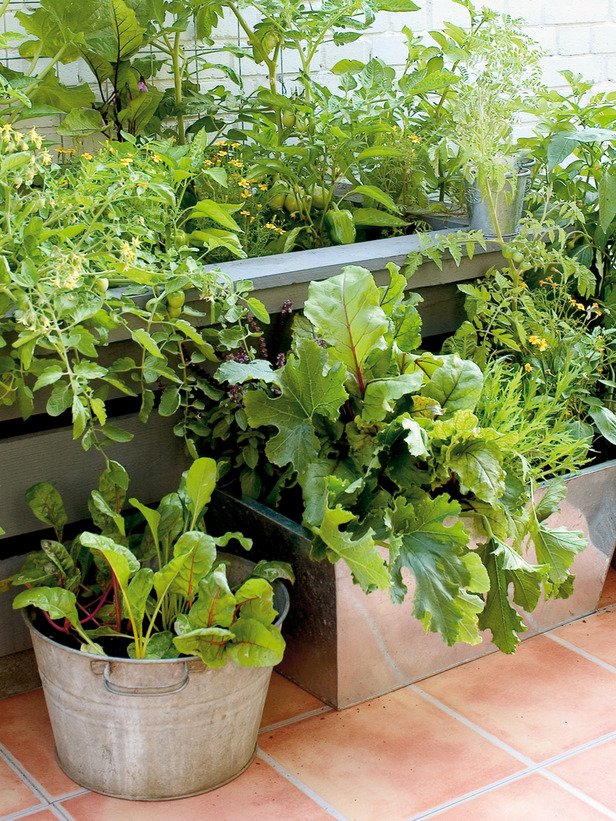
  • Planting Depth: About ¼ inch deep
  • Temperature: Keep between 75°F–85°F (24°C–29°C) for best germination
  • Light: Provide 14–16 hours of bright grow light daily

You’ll see sprouts in about 10–14 days. Once seedlings are 3–4 inches tall and have at least two sets of true leaves, they’re ready to be hardened off.


2. Transplanting Outdoors or in Containers

Once the danger of frost has passed and nighttime temperatures stay above 60°F (15°C), it’s time to move your shishitos outside.

  • Container Size: At least 12–14 inches deep with good drainage
  • Soil: Rich, loamy soil with compost or organic matter
  • pH Range: 6.0 to 6.8 for optimal nutrient absorption

If growing in garden beds, space the plants 12–18 inches apart. In containers, one plant per pot is ideal.


3. Sunlight and Watering

Shishito peppers are sun-lovers! Provide at least 6–8 hours of direct sunlight daily. More sun equals more peppers.

Water consistently but don’t overdo it. Peppers like slightly moist soil—not soggy. Water deeply when the top inch feels dry, and always allow excess water to drain out.


4. Fertilizing for Healthy Growth

Feed your pepper plants every 2–3 weeks with a balanced organic fertilizer (something like 10-10-10 NPK) or compost tea. During the flowering stage, switch to a fertilizer higher in potassium and phosphorus to encourage more blooms and fruiting.

You can also use Epsom salt (1 tablespoon per gallon of water) every month to boost magnesium and prevent yellowing leaves.


5. Supporting Your Plants

Though shishito plants are compact, they can become heavy with fruit. A small stake or tomato cage helps keep the stems upright and prevents breakage.


Flowering and Fruit Formation

In about 8–10 weeks after transplanting, you’ll start seeing small white flowers. These will soon give way to tiny green pods that grow rapidly in warm weather.

Make sure bees and pollinators can access your plants—or gently shake the stems to encourage self-pollination if you’re growing indoors.

Within 2–3 weeks, the peppers will reach full size, about 3–4 inches long, and you can start harvesting!


Harvesting Shishito Peppers

You don’t need to wait for the peppers to turn red. In fact, the best time to harvest is when they’re green and glossy, about 3 inches long.

  • Harvest Method: Use scissors or pruners to cut the pepper off with a small stem attached.
  • Frequency: The more often you pick, the more the plant will produce!

Shishito pepper plants are prolific; one healthy plant can produce 50–70 peppers in a single growing season.


Common Problems and Fixes

Even though shishitos are low-maintenance, a few issues can arise. Here’s how to handle them:

  • Flowers Falling Off: Usually due to temperature fluctuations or underwatering. Keep soil consistently moist.
  • Yellowing Leaves: Could be nitrogen deficiency or overwatering. Adjust feeding or watering schedule.
  • Aphids or Spider Mites: Spray with neem oil or a mild soap solution.

Cooking and Eating Shishito Peppers

Once your plants start producing, you’ll likely have more peppers than you can eat fresh—so it’s time to cook! Shishitos are incredibly versatile: grill them, sauté them, or toss them into stir-fries. But the easiest and most popular way to enjoy them is the classic blistered shishito pepper recipe.


The Easiest Blistered Shishito Pepper Recipe

Ingredients:

  • 2 cups of fresh shishito peppers
  • 1 tablespoon of olive oil
  • Sea salt (to taste)
  • Optional: Lemon wedges or soy sauce drizzle

Instructions:

  1. Heat the Pan: Place a heavy skillet (cast iron works best) over medium-high heat until it’s very hot.
  2. Add Oil: Pour in the olive oil and swirl to coat the pan evenly.
  3. Toss the Peppers: Add the whole shishito peppers. Make sure they’re dry—water causes splattering.
  4. Blister the Skin: Cook for 5–7 minutes, tossing occasionally until the skin blisters and chars slightly.
  5. Season and Serve: Sprinkle with sea salt, squeeze a bit of lemon juice, or drizzle with soy sauce for extra flavor.

Result: Smoky, slightly sweet, and irresistible! Serve immediately as an appetizer or snack.


Flavor Variations

  • Garlic Butter Shishitos: Add a knob of butter and minced garlic during the last minute of cooking.
  • Asian Style: Toss with sesame oil and a sprinkle of sesame seeds.
  • Spicy Twist: Mix with a dash of chili oil or crushed red pepper flakes.
  • Citrus Zest: Add lime or orange zest for a refreshing tang.

Saving Seeds for Next Season

If you want to grow shishitos again (and you will!), let a few peppers ripen fully on the plant until they turn bright red.

  • Cut open the ripe pepper and collect the seeds.
  • Dry them on a paper towel for 5–7 days.
  • Store them in a cool, dark place in a labeled envelope.

Properly dried seeds can remain viable for up to 3 years.


Nutritional Benefits of Shishito Peppers

Beyond their flavor, shishito peppers are a powerhouse of nutrients:

  • Rich in Vitamin C: Boosts immunity and promotes glowing skin.
  • Low in Calories: Perfect for guilt-free snacking.
  • Antioxidants: Help fight inflammation and free radicals.
  • Fiber and Minerals: Support digestion and heart health.

They’re a healthy alternative to chips or fried snacks—and the quick blistering method keeps their nutrients intact.


Pro Tips for Bigger Harvests

  1. Consistent Feeding: Alternate between compost tea and balanced fertilizer every two weeks.
  2. Warm Soil = Happy Peppers: Use black mulch or fabric grow bags to retain heat.
  3. Prune Lower Leaves: This improves air circulation and prevents fungal diseases.
  4. Harvest Often: Frequent picking encourages continuous fruiting.
  5. Rotate Your Crop: Avoid planting peppers in the same spot each year to reduce pest buildup.

From Garden to Table

Growing shishito peppers isn’t just about producing food—it’s about the joy of nurturing plants that give back abundantly. From tiny seeds sprouting indoors to harvesting a basket full of green pods, the process is deeply rewarding. And when you finally toss those peppers into a hot pan and watch them blister, you’ll realize just how satisfying homegrown food can be.

With minimal effort and a sunny spot, anyone can grow shishito peppers successfully. Whether you’re an experienced gardener or a first-timer, these little green gems are the perfect addition to your edible garden.

So grab a packet of seeds, a pot, and a sunny window—and soon you’ll be growing, harvesting, cooking, and eating your own delicious shishito peppers with the easiest recipe ever!

Why I Chopped My Hydroponic Mini Sweet Bell Pepper — The Secret to Stronger Growth and Bigger Yields

Why I Chopped My Hydroponic Mini Sweet Bell Pepper — The Secret to Stronger Growth and Bigger Yields

Growing mini sweet bell peppers hydroponically is one of the most satisfying indoor gardening experiences. The vibrant, colorful fruits, sweet flavor, and compact plant size make them perfect for home growers. But if you’ve ever seen someone deliberately chop off the top of a thriving pepper plant, you might have wondered—why would anyone do that? Isn’t pruning supposed to be for maintenance, not destruction?

In this guide, inspired by the video “Why I Chopped My Hydroponic Mini Sweet Bell Pepper,” we’ll explore the reasons behind this bold move. You’ll learn how topping (cutting the plant’s growing tip) can actually stimulate better growth, bushier structure, and higher yields. We’ll also go over how to care for your hydroponic pepper plant before and after pruning to ensure it thrives.


Understanding Hydroponic Mini Sweet Bell Peppers

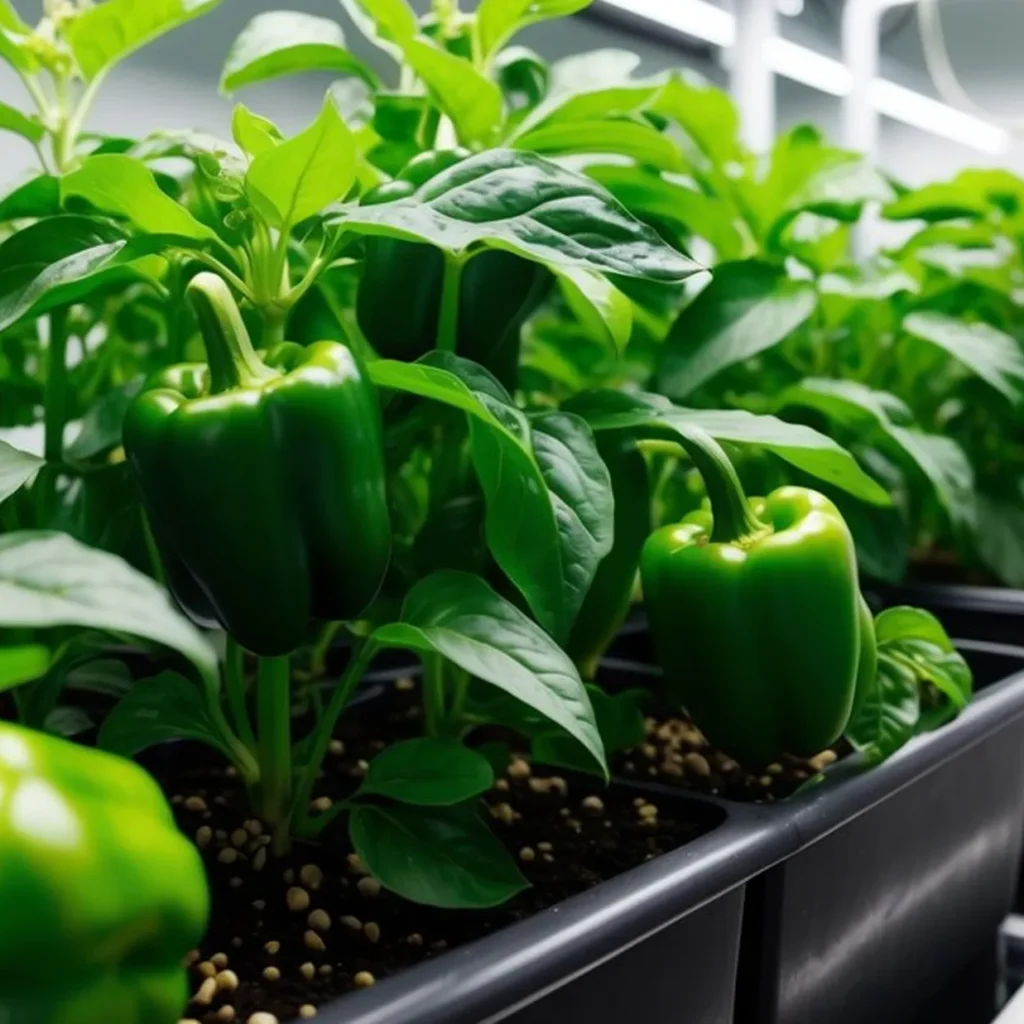
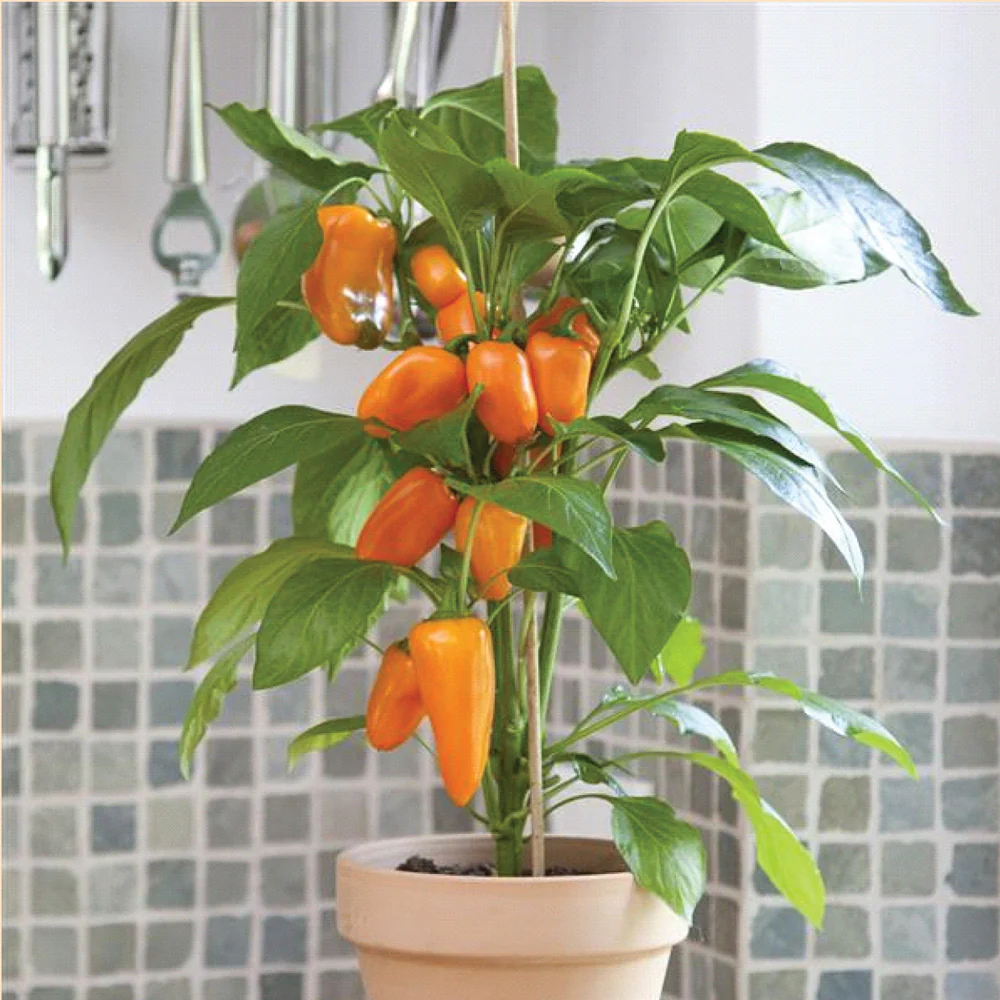
Mini sweet bell peppers are compact, productive plants that can produce dozens of colorful, bite-sized fruits. They’re typically grown for their mild, sweet flavor and crisp texture, making them perfect for snacking or salads. When grown hydroponically, they can thrive year-round with the right balance of water, nutrients, and light.

However, hydroponic systems encourage rapid vegetative growth. Without pruning or topping, pepper plants can grow tall and spindly, with fewer side branches. This results in a weaker structure and reduced fruiting sites. That’s where strategic topping comes in.


Why Top Your Hydroponic Pepper Plant?

Topping is a simple pruning technique where the top portion of a plant—usually the main growing tip—is snipped off. It may sound counterintuitive, but this action redirects the plant’s energy toward side branches and root growth, leading to a bushier, sturdier, and more productive plant.

Here are the main reasons growers choose to chop their hydroponic mini sweet bell peppers:

1. To Encourage Bushier Growth

When you remove the top of the plant, the dormant buds along the stem are stimulated to grow. These side shoots become new branches, which means more leaves, more flowers, and ultimately more peppers.

2. To Prevent Leggy Growth

Hydroponic setups with strong nutrient solutions and bright LED lighting often push peppers to grow upward quickly. Without topping, the plant may become tall but weak, unable to support heavy fruit loads later on. Topping keeps the plant compact and balanced.

3. To Increase Flower and Fruit Production

Every new branch is a potential flowering site. By promoting branching, topping essentially multiplies your future yield. A single topped plant can often produce twice as many fruits as an unpruned one.

4. To Improve Airflow and Light Penetration

A bushier, shorter plant allows better airflow between leaves, reducing disease risk. It also ensures that light reaches lower parts of the plant—crucial for photosynthesis and fruit ripening in dense hydroponic setups.

5. To Strengthen the Root System

After topping, the plant temporarily shifts energy from upward growth to root expansion. This leads to a stronger root network capable of absorbing more nutrients and water—a huge advantage in hydroponics.


When to Chop Your Hydroponic Mini Sweet Bell Pepper

Timing is key. The best time to top your plant is when it has developed 5–6 true leaves or stands about 6–8 inches tall. At this stage, it’s strong enough to recover from pruning but still young enough to redirect growth effectively.

Avoid topping too early, as young seedlings don’t yet have the energy reserves to bounce back. Similarly, avoid topping when the plant is already flowering—it could set back fruit production.


How to Top Your Hydroponic Pepper Plant (Step-by-Step)

Topping peppers is simple, but precision matters. Here’s how to do it right:

  1. Inspect the Plant:
    Choose a healthy plant with a strong main stem and several sets of true leaves.
  2. Identify the Growth Tip:
    Look for the newest growth at the top—this is the apical meristem, or main growing point.
  3. Sterilize Your Tools:
    Use clean, sharp scissors or pruning shears. Dip them in alcohol or a mild bleach solution to prevent infections.
  4. Make the Cut:
    Snip just above a node (the point where leaves or branches emerge). This ensures that dormant buds below the cut are stimulated to grow.
  5. Monitor Recovery:
    Within 5–10 days, you’ll notice new branches forming from the nodes below the cut. These will become the plant’s main fruiting stems.
  6. Provide Support:
    As side branches grow, use soft ties or stakes to keep them upright. This prevents them from bending under fruit weight later on.

Aftercare: Helping Your Plant Recover

Topping can be a shock, even for a hardy pepper plant. Proper post-pruning care ensures a quick recovery and vigorous new growth.

  • Adjust Lighting: Keep grow lights about 12–14 inches above the canopy to prevent leaf burn while promoting even growth.
  • Maintain Nutrient Levels: Provide a balanced nutrient solution rich in nitrogen for vegetative growth (before flowering).
  • Monitor pH and EC: Maintain a pH between 5.8–6.5 and electrical conductivity (EC) between 1.8–2.2 for optimal nutrient uptake.
  • Ensure Good Air Circulation: Gentle airflow prevents mold and strengthens stems.
  • Don’t Overwater: While hydroponics runs on water, ensure roots get enough oxygen. Aerate the nutrient solution or use air stones.

The Results: What to Expect After Topping

After a week or two, your plant will start branching out beautifully. You’ll see two or more strong side shoots emerging from below the cut point. These will soon grow into sturdy stems capable of supporting multiple fruits.

As the plant matures, it will naturally produce more flowers and, consequently, more peppers. The result? A compact, bushy plant loaded with colorful, sweet bell peppers ready for harvest.

Many hydroponic gardeners report that topped plants not only produce higher yields but also have better fruit quality—larger, thicker-walled, and sweeter peppers.


Troubleshooting Common Issues After Topping

Even with the best care, you may encounter a few hiccups. Here’s how to fix them:

  • Slow Recovery: Ensure your nutrient solution isn’t too strong; high EC can stress the plant. Lower it slightly for a week.
  • Yellowing Leaves: Could be a nitrogen deficiency—boost your nutrients slightly or check pH levels.
  • Weak Branches: Provide light airflow or support with stakes to encourage stronger growth.
  • No New Growth: Ensure the cut was made above a healthy node. If not, new buds might not develop properly.

Pro Tip: Combine Topping with Light Pruning

Once your plant becomes bushy, you can lightly prune excess inner leaves to improve airflow. Remove any small, shaded leaves or unproductive stems to direct energy toward main fruiting branches.

Hydroponic systems make this process easier because plants recover faster and continue growing steadily without soil limitations.


The Takeaway

Chopping your hydroponic mini sweet bell pepper might look drastic, but it’s actually one of the smartest moves you can make. This simple topping technique transforms a tall, spindly plant into a bushy, productive powerhouse bursting with sweet, colorful peppers.

By understanding the timing, method, and aftercare of topping, you can take full advantage of your hydroponic system’s potential—achieving faster growth, stronger plants, and heavier yields.

So next time you find yourself hesitating with the scissors in hand, remember: a little chop today means a lot more peppers tomorrow!

How to Use Seaweed in Your Garden: A Complete Guide for Healthy Plants

How to Use Seaweed in Your Garden: A Complete Guide for Healthy Plants

Seaweed, often seen washed up along the coastline, is not just a marine plant—it’s a gardeners’ secret weapon. Packed with minerals, trace elements, and natural growth hormones, seaweed can transform your garden into a lush, vibrant, and productive space. From enriching soil to boosting plant immunity, this natural, sustainable resource has been used for centuries in gardening.

In this guide, we’ll explore the benefits of using seaweed in your garden, different ways to apply it, and step-by-step instructions for creating your own seaweed-based fertilizers and soil conditioners.


Why Use Seaweed in Your Garden?

Seaweed is a powerhouse of nutrients that are often missing in regular garden soil. Some of the key benefits include:

  1. Rich in micronutrients: Contains potassium, magnesium, calcium, and trace elements essential for plant growth.
  2. Natural growth hormones: Includes auxins, cytokinins, and gibberellins that stimulate root and shoot development.
  3. Soil conditioner: Improves soil structure, water retention, and aeration.
  4. Pest and disease resistance: Helps plants develop resilience against fungal infections and pests.
  5. Sustainable and eco-friendly: A natural alternative to chemical fertilizers.

Using seaweed is a cost-effective, organic method to improve both plant health and soil fertility.


Types of Seaweed for Gardening

Not all seaweed is the same. Different types are used for different purposes:

  • Kelp: Highly nutritious, ideal for making liquid fertilizers and soil conditioners.
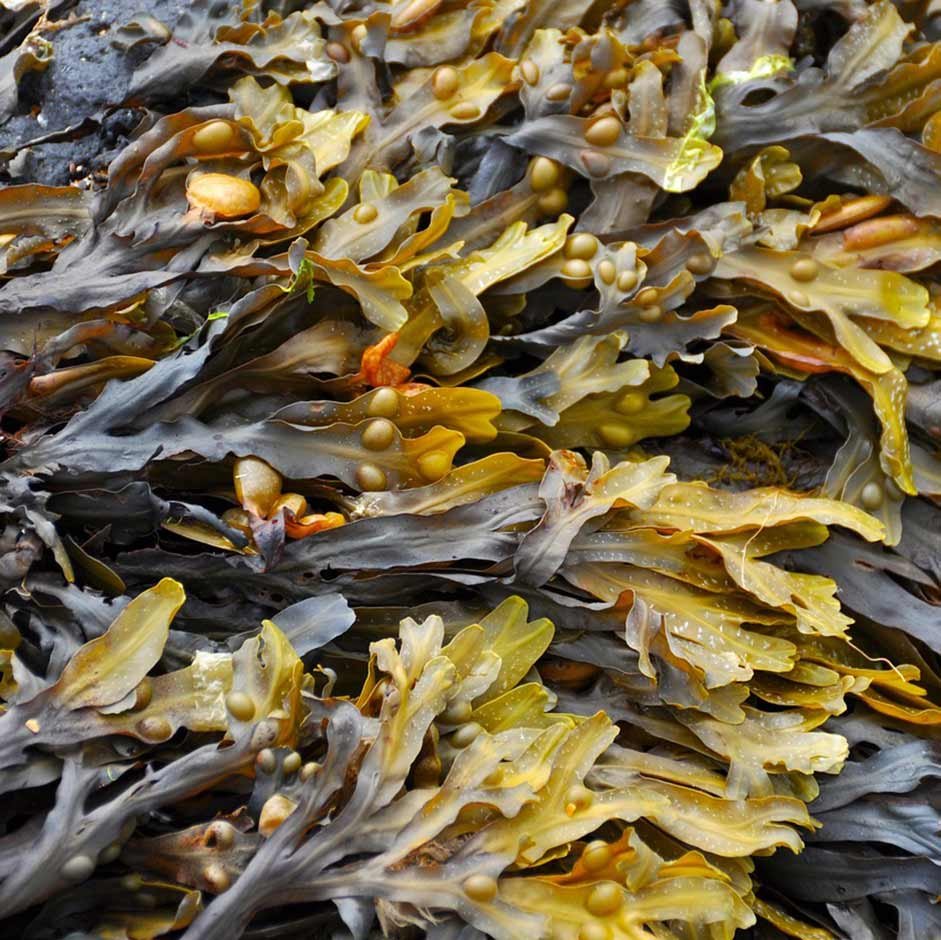
  • Bladderwrack: Rich in potassium, often used in compost and mulch.
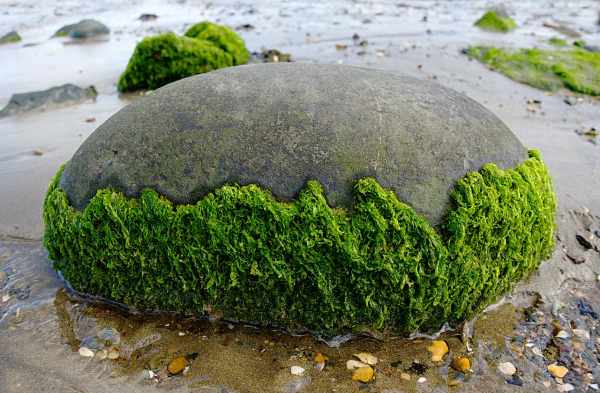
  • Sea lettuce (Ulva): Soft and easily compostable, great for soil enrichment.
  • Rockweed: Tough and fibrous, good for mulching.

Fresh or dried seaweed can both be used, but avoid seaweed from polluted areas, as it may contain harmful chemicals.


How to Prepare Seaweed for Garden Use

1. Fresh Seaweed

  • Rinse thoroughly in fresh water to remove excess salt and sand.
  • Chop into small pieces for easy handling.
  • Use immediately in compost, mulch, or as a liquid fertilizer.

2. Dried Seaweed

  • Can be stored for long periods.
  • Rehydrate in water before use or crumble directly into compost or soil.

3. Seaweed Liquid Fertilizer (Seaweed Tea)

  • Soak fresh or dried seaweed in a bucket of water for 2–4 weeks.
  • Stir occasionally to release nutrients.
  • Strain and dilute 1:10 before using as a foliar spray or soil drench.

Ways to Use Seaweed in Your Garden

1. As a Soil Conditioner

Seaweed improves soil structure and fertility:

  • Chop fresh seaweed and mix it into garden beds.
  • Apply dried seaweed as mulch around plants.
  • Incorporate it into compost heaps for faster decomposition and nutrient enrichment.

This helps retain moisture, increase aeration, and boost microbial activity in the soil.


2. As a Fertilizer

Seaweed provides essential nutrients for plants:

  • Use chopped or shredded seaweed directly around plant roots.
  • Create liquid fertilizer (seaweed tea) and pour around the base of plants every 2–3 weeks.
  • Seaweed fertilizers are gentle and safe, suitable for seedlings and mature plants alike.

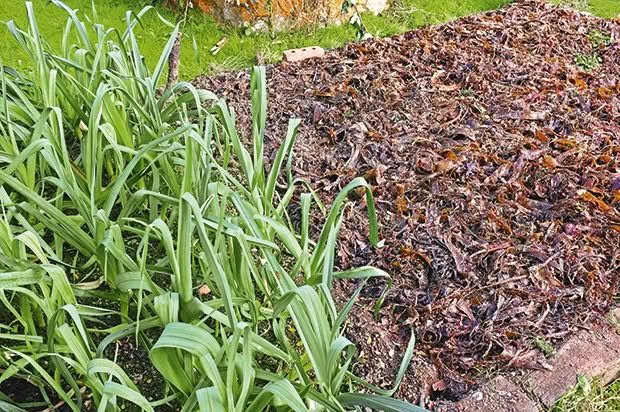
3. As Mulch

Mulching with seaweed protects plants and enriches soil:

  • Lay a thin layer of seaweed around vegetable beds, flower borders, or fruit trees.
  • Helps retain moisture, suppress weeds, and slowly release nutrients as it decomposes.
  • Over time, seaweed adds organic matter, improving soil fertility naturally.

4. As a Foliar Spray

Seaweed tea can be sprayed directly on leaves:

  • Apply in the early morning or late evening to avoid sunburn.
  • Strengthens plant immunity and promotes vibrant leaf growth.
  • Provides quick absorption of micronutrients.

5. In Compost

Seaweed is a valuable addition to compost piles:

  • Mix with other organic materials like vegetable scraps, leaves, and grass clippings.
  • Helps accelerate decomposition and balances nutrient content.
  • Can also reduce the need for chemical compost accelerators.

Plants That Benefit Most from Seaweed

Seaweed can be used on almost any plant, but some benefit more than others:

  1. Vegetables: Tomatoes, cucumbers, lettuce, spinach, and peppers thrive with seaweed enrichment.
  2. Fruits: Strawberries, blueberries, apples, and citrus show better flowering and fruit set.
  3. Flowers: Roses, marigolds, sunflowers, and hibiscus develop stronger stems and vibrant blooms.
  4. Lawns: Promotes green, lush grass while enhancing soil health.

Regular use ensures stronger plants, better yields, and vibrant foliage.


Tips for Using Seaweed Safely

  • Avoid overuse: Excessive seaweed can increase soil salinity.
  • Rinse thoroughly: Always rinse fresh seaweed to remove salt that can harm plants.
  • Use organic sources: Harvest from unpolluted coasts or purchase certified organic seaweed products.
  • Rotate use: Alternate seaweed with other organic fertilizers like compost or manure for balanced nutrients.

Making the Most of Seaweed Year-Round

  1. Store dried seaweed: Keep a supply for winter fertilization.
  2. Preserve liquid fertilizer: Seaweed tea can be stored for 1–2 weeks in a cool, dark place.
  3. Integrate into routine gardening: Apply every 2–4 weeks for continuous nutrient support.
  4. Combine with other organic inputs: Pair with compost, vermicompost, or liquid manure for optimal results.

Benefits Beyond Nutrients

Seaweed isn’t just about nutrition—it also provides:

  • Improved soil structure: Increases aeration and water retention.
  • Enhanced microbial activity: Stimulates beneficial bacteria and fungi.
  • Pest resistance: Improves plant resilience against insects and diseases.
  • Environmental sustainability: Reduces reliance on chemical fertilizers, promoting eco-friendly gardening.

Using seaweed aligns perfectly with organic and sustainable gardening practices.


Final Thoughts

Seaweed is a miracle ingredient for gardeners looking to enhance soil health, boost plant growth, and improve yields naturally. Whether used as a soil conditioner, mulch, compost additive, fertilizer, or foliar spray, seaweed provides essential nutrients, natural growth hormones, and environmental benefits.

By incorporating seaweed into your gardening routine, you can enjoy stronger plants, vibrant flowers, lush vegetables, and improved soil fertility, all while reducing chemical use. From small urban gardens to larger backyard setups, seaweed is an eco-friendly, versatile, and highly effective tool for a thriving, healthy garden.

Next time you spot seaweed by the shore, remember that this humble marine plant can transform your garden into a flourishing, nutrient-rich paradise.


How to Grow Lotus in Pots from Lotus Roots: A Beginner’s Guide to Growing Lotus at Home

How to Grow Lotus in Pots from Lotus Roots: A Beginner’s Guide to Growing Lotus at Home

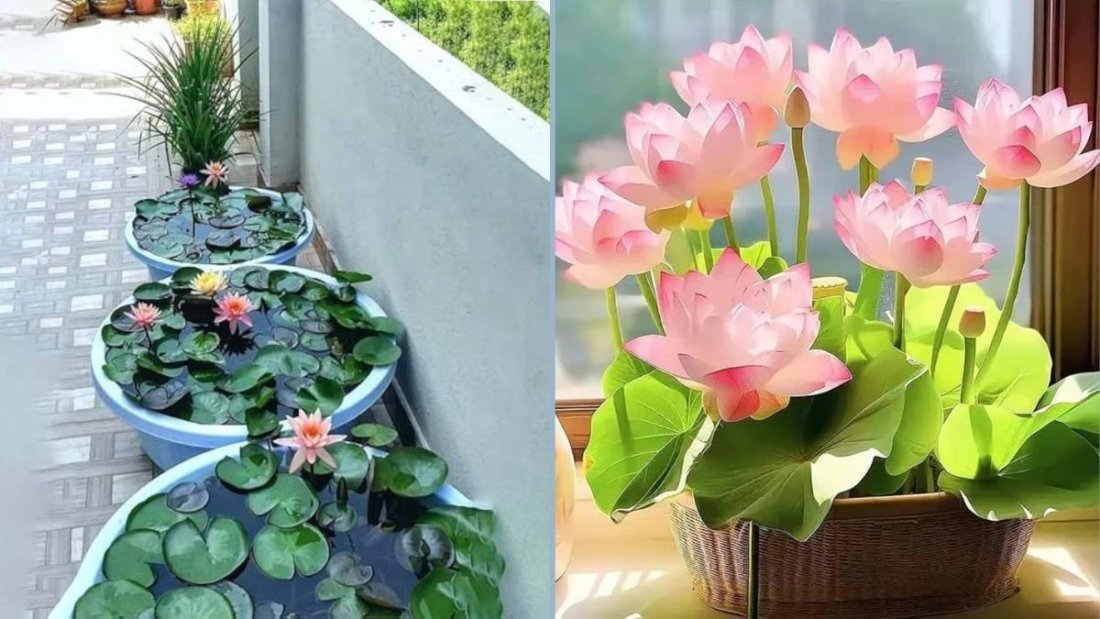
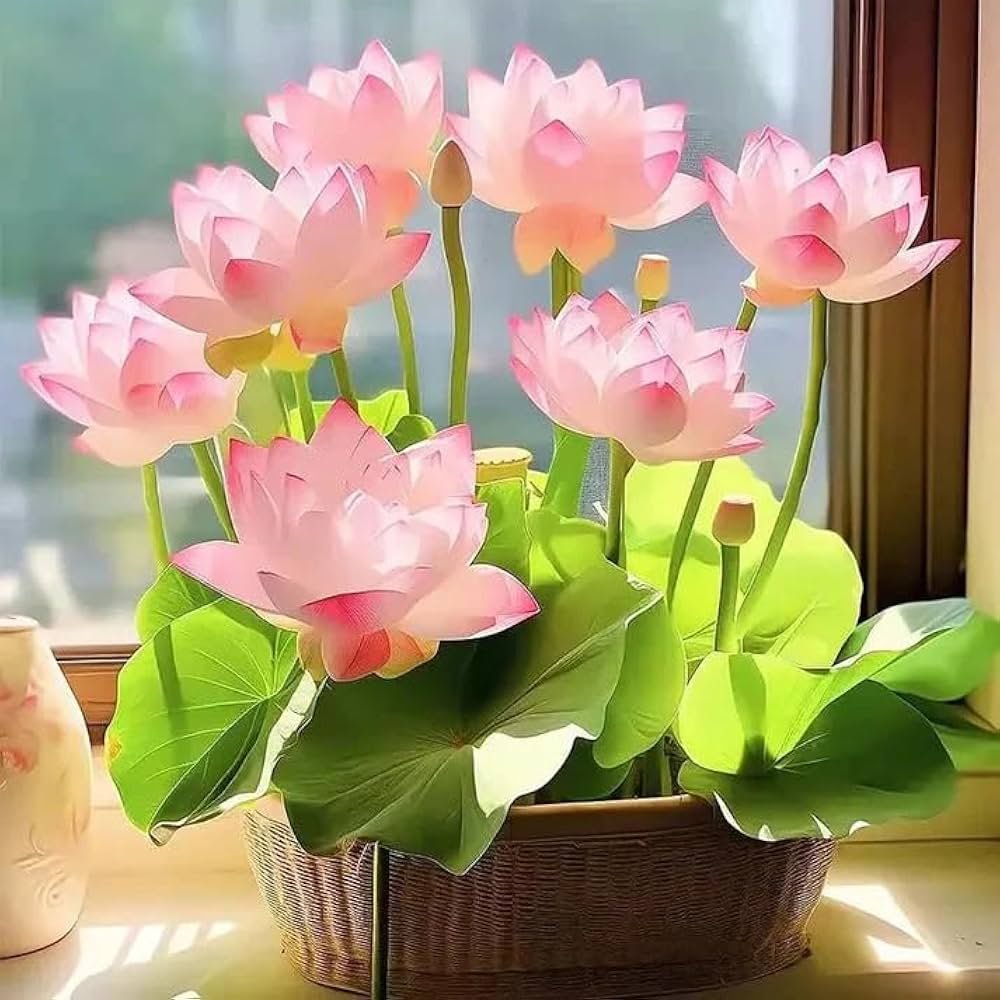
The lotus plant (Nelumbo nucifera) is a symbol of purity, beauty, and serenity. Known for its majestic flowers and large floating leaves, it is not only a stunning addition to gardens and water features but also has cultural and medicinal significance in many parts of the world. Growing lotus at home may seem daunting, but with the right guidance, even beginners can cultivate these aquatic beauties in pots or containers.

In this guide, we will explore step-by-step instructions for growing lotus from lotus roots (rhizomes), discuss care tips, and share advice on creating a thriving container lotus garden at home.


Why Grow Lotus at Home?

Growing lotus in pots offers several advantages:

  1. Compact and manageable: Ideal for small spaces, balconies, and patios.
  2. Aesthetic appeal: Adds elegance to any home garden or water feature.
  3. Therapeutic benefits: Lotus gardens provide a calming and peaceful environment.
  4. Edible and medicinal uses: Lotus seeds, leaves, and roots are edible and nutritious.
  5. Easy to maintain: Once established, lotus plants are hardy and require minimal care.

A potted lotus can transform your home into a serene, water-inspired sanctuary with its large leaves and striking flowers.


Understanding Lotus Plants

The lotus is a perennial aquatic plant with three main parts:

  • Rhizomes (roots): Horizontal stems from which leaves and flowers emerge.
  • Leaves: Large, circular, and water-repellent, floating on the surface or held above water.
  • Flowers: Bloom during warm months and are available in shades of pink, white, and yellow.

Lotus thrives in shallow water, full sunlight, and nutrient-rich soil. Understanding its growth habit is key to successful cultivation.


Materials Needed

Before starting, gather the following essentials:

  • Healthy lotus roots (rhizomes): Choose plump, firm rhizomes with visible growth nodes.
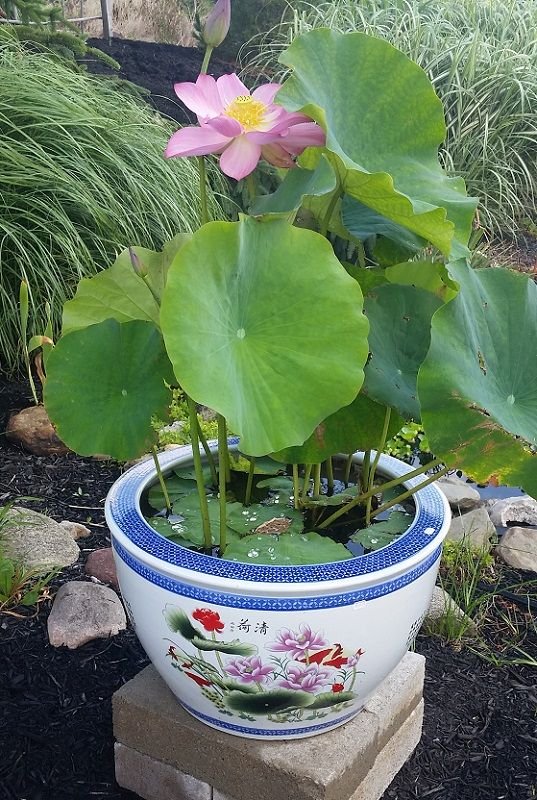
  • Large pot or container: Minimum 12–18 inches deep and wide for proper growth.
  • Clay or loamy soil: Heavy garden soil works best. Avoid light potting mixes that float.
  • Water: To maintain the aquatic environment.
  • Fertilizer: Aquatic plant fertilizer for promoting leaves and flower growth.

Optional: Gravel or small stones to secure rhizomes in the soil and prevent floating.


Step 1: Selecting Lotus Roots

Choosing healthy lotus rhizomes is critical:

  • Look for plump, firm rhizomes with healthy green tips.
  • Avoid rhizomes that are shriveled, soft, or have mold.
  • Ideally, choose rhizomes with 1–2 growth nodes, as these will develop into leaves and flowers.

Healthy rhizomes ensure fast growth and abundant blooms in your container garden.


Step 2: Preparing the Container

Lotus plants require specific conditions:

  1. Choose a wide, shallow container: 12–18 inches deep and wide for proper spreading.
  2. Add soil: Fill the bottom with 4–6 inches of heavy garden soil or clay soil. Avoid using potting mix that floats in water.
  3. Optional layer of gravel: Place 1–2 inches of gravel over the soil to anchor the rhizome and prevent it from floating.
  4. Water level: Initially, keep 1–2 inches of water above the soil to help rhizomes establish.

Proper container preparation ensures a stable environment for lotus growth.


Step 3: Planting Lotus Rhizomes

  • Lay the rhizome horizontally on the soil surface.
  • Position the growth tips (nodes) slightly above the soil, pointing toward the sunlight.
  • Cover the base lightly with soil to anchor the rhizome. Avoid burying the tip entirely.
  • Gently add water to cover the soil by 1–2 inches, ensuring the rhizome remains submerged but the growth tips are above soil level.

Planting correctly is essential for healthy leaf and flower development.


Step 4: Choosing the Right Location

Lotus plants thrive in full sunlight and warm conditions:

  • Sunlight: Minimum 6–8 hours of direct sunlight per day.
  • Temperature: Ideal for tropical and subtropical climates; water should stay above 20°C (68°F).
  • Indoor or balcony gardening: Place pots in sunny spots; consider a greenhouse or sheltered area in cooler climates.

Sunlight and warmth are critical for vibrant leaves and flowers.


Step 5: Watering and Fertilizing

Lotus is an aquatic plant, so water management is key:

  • Keep a consistent water level above the soil (1–2 inches).
  • As the plant grows, you may increase water level to cover the rhizome completely.
  • Fertilize once the plant establishes:
    • Use slow-release aquatic fertilizer or nutrient-rich fertilizer tablets.
    • Apply every 3–4 weeks during the growing season.

Proper watering and fertilization promote strong leaves, robust stems, and vibrant blooms.


Step 6: Managing Growth and Care

  • Leaf care: Remove yellowing or decaying leaves to prevent disease.
  • Pruning: Trim dead or damaged stems to encourage new growth.
  • Pest management: Watch for aphids, snails, and algae; handpick pests or use gentle organic treatments.
  • Winter care: In colder climates, move pots indoors or insulate containers to protect rhizomes from frost.

Consistent care ensures healthy growth and prolonged flowering.


Step 7: Encouraging Flowering

  • Lotus plants typically flower 2–3 months after planting rhizomes.
  • Sunlight and warmth are critical for blooms.
  • Fertilization with phosphorus-rich aquatic fertilizer enhances flower production.
  • Remove spent flowers to encourage more blooms.

With patience and proper care, your lotus will produce beautiful flowers throughout the growing season.


Common Challenges for Beginners

  1. Rhizome rot: Avoid overwatering and burying the rhizome tips.
  2. Yellowing leaves: May indicate nutrient deficiency or insufficient sunlight.
  3. Slow growth: Usually due to low temperatures, insufficient sunlight, or weak rhizomes.
  4. Algae growth: Reduce light exposure in water and maintain cleanliness.

Understanding these challenges helps beginners prevent common mistakes and maintain healthy plants.


Harvesting and Using Lotus

  • Leaves: Can be used fresh in teas, soups, or salads.
  • Flowers: Often used for decoration, spiritual purposes, or dried for tea.
  • Rhizomes: Edible and used in cooking, stir-fries, and soups.
  • Seeds: Nutritious and can be roasted or sprouted.

A well-maintained potted lotus offers multiple uses, making it a rewarding addition to your home garden.


Benefits of Growing Lotus at Home

  1. Aesthetic beauty: Large leaves and colorful flowers elevate home décor.
  2. Stress relief: Watching lotus grow in serene water settings is therapeutic.
  3. Culinary value: Edible leaves, seeds, and rhizomes add nutrition and flavor.
  4. Cultural significance: Lotus symbolizes purity, peace, and spiritual growth.
  5. Environmental benefit: Improves air quality and supports small pollinators.

Growing lotus in pots combines beauty, utility, and wellness in a compact home garden setup.


Final Thoughts

Growing lotus in pots from rhizomes is an accessible and fulfilling hobby for beginners. By selecting healthy lotus roots, preparing the container properly, ensuring adequate sunlight and water, and providing consistent care, anyone can cultivate stunning lotus plants at home.

Whether you’re looking to add beauty to your balcony, enjoy fresh lotus leaves in your cooking, or create a calming water garden, potted lotus is a perfect choice. With patience and attention, your lotus plants will reward you with lush foliage and magnificent flowers, transforming your home into a tranquil and vibrant oasis.

Rooftop Kitchen Garden Sunday Vlog: Growing Maithi, Beetroot, and Mustard Seeds – October Update

Rooftop Kitchen Garden Sunday Vlog: Growing Maithi, Beetroot, and Mustard Seeds – October Update

Gardening in small urban spaces is both a rewarding and therapeutic hobby, especially when you can grow fresh, organic vegetables right on your rooftop. A rooftop kitchen garden allows city dwellers to enjoy homegrown produce while maximizing limited space. In this October kitchen garden update, we focus on three versatile and nutritious crops: Maithi (Fenugreek), Beetroot, and Mustard Seeds. These vegetables are not only easy to grow but also thrive in containers and raised beds, making them perfect for urban gardeners.

In this blog, we’ll walk through planting, care, and harvesting tips for your rooftop kitchen garden and share insights on maintaining a productive garden during October.


Why Grow a Rooftop Kitchen Garden?

Rooftop gardening is more than just a hobby—it’s a lifestyle choice that brings multiple benefits:

  1. Fresh and organic produce: Grow chemical-free vegetables and herbs.
  2. Space utilization: Transform unused rooftop areas into productive gardens.
  3. Stress relief: Gardening is therapeutic and promotes mental well-being.
  4. Environmental impact: Green rooftops reduce heat and help with urban biodiversity.
  5. Nutritional benefits: Access to fresh, vitamin-rich vegetables like beetroot and fenugreek.

A well-maintained rooftop garden can provide fresh vegetables all year round, even in urban settings.


Crops Focused on in October

1. Maithi (Fenugreek)

Maithi, or Fenugreek, is a leafy green widely used in Indian cuisine. Its small, aromatic leaves are rich in vitamins A, C, and iron. Fenugreek is easy to grow in containers, making it ideal for rooftop gardens.

  • Planting: Sow seeds directly in well-draining soil in shallow containers. Plant seeds about ½ inch deep and keep the soil moist.
  • Sunlight: Requires 4–6 hours of sunlight daily.
  • Growth: Germination occurs within 5–7 days, and leaves can be harvested in 2–3 weeks.
  • Harvesting: Pick the outer leaves first, leaving the inner leaves to continue growing. Regular harvesting encourages lush, continuous growth.

Fenugreek leaves can be used in curries, parathas, or as fresh garnishing for dishes.


2. Beetroot

Beetroot is a nutrient-dense root vegetable high in fiber, vitamins, and antioxidants. Both the roots and leaves are edible and nutritious.

  • Planting: Sow beet seeds ½–1 inch deep in fertile, well-drained soil. Container gardens should be at least 8–10 inches deep to allow proper root development.
  • Spacing: Maintain 3–4 inches between seeds to prevent overcrowding.
  • Sunlight: Requires full sunlight for 6–8 hours daily.
  • Watering: Keep soil consistently moist but avoid waterlogging.
  • Growth: Beetroot takes about 50–60 days to mature. Young leaves can be harvested early for salads or cooking.
  • Harvesting: Pull roots gently when they reach 1–2 inches in diameter. Mature roots can become woody, so timely harvesting is key.

Beetroot adds vibrant color to salads, smoothies, and cooked dishes, making it a staple in a rooftop kitchen garden.


3. Mustard Seeds

Mustard seeds are primarily grown for their leafy greens and tiny seeds used as spices. The greens are highly nutritious and easy to grow.

  • Planting: Sow seeds thinly in shallow containers or raised beds. Lightly cover with soil.
  • Sunlight: Mustard greens require 4–6 hours of sunlight daily.
  • Watering: Keep soil moist, as mustard grows best in cool, well-watered conditions.
  • Growth: Germination occurs in 3–5 days, and leaves can be harvested in 3–4 weeks.
  • Harvesting: Pick outer leaves regularly to promote new growth. Seed pods can be collected later for culinary use.

Mustard greens are a staple in stir-fries, soups, and traditional Indian dishes like sarson ka saag.


Container Gardening Tips for Rooftop Gardens

Rooftop gardens rely heavily on container gardening, which requires attention to soil, watering, and sunlight:

  1. Container selection: Choose pots or trays with good drainage. Plastic, ceramic, or grow bags work well.
  2. Soil preparation: Use a mix of garden soil, compost, and cocopeat for optimal growth. This ensures nutrients and proper water retention.
  3. Watering: Containers dry out faster than ground soil, so water regularly, preferably in the morning.
  4. Sunlight: Position containers in areas that receive sufficient sunlight for each crop.
  5. Fertilizing: Organic fertilizers or compost can be applied every 2–3 weeks to replenish nutrients.

Proper container care ensures your rooftop garden remains lush and productive, even in smaller spaces.


Managing Pests in a Rooftop Garden

Urban gardens are generally less prone to pests, but vigilance is necessary:

  • Aphids: Spray neem oil or use insecticidal soap.
  • Leaf miners: Remove affected leaves to prevent spread.
  • Caterpillars: Handpick or use organic pest control sprays.
  • Powdery mildew: Ensure proper spacing and airflow between containers.

Regular inspection of plants helps prevent infestations and keeps the garden healthy and thriving.


Seasonal Care for October

October is an ideal month for planting leafy greens and root vegetables in moderate climates:

  • Temperature: Cooler temperatures encourage robust growth of mustard, fenugreek, and beetroot.
  • Watering: Moderate watering is sufficient; avoid overwatering as temperatures drop.
  • Pruning: Regularly harvest outer leaves and remove any yellowing foliage.
  • Mulching: Apply organic mulch to retain moisture and regulate soil temperature.

Seasonal care ensures your garden remains productive and vibrant throughout the month.


Benefits of Growing These Crops Together

Growing Maithi, Beetroot, and Mustard together in a rooftop garden provides several advantages:

  1. Companion planting: These crops do not compete aggressively for nutrients, making them compatible for mixed planting.
  2. Space efficiency: Different growth habits (roots vs. leafy greens) maximize container space.
  3. Nutritional diversity: Offers a balanced supply of vitamins, minerals, and fiber for your diet.
  4. Continuous harvest: Staggered sowing allows for regular harvesting, keeping your kitchen stocked.

This combination is perfect for gardeners who want a mix of roots and leafy greens in a small space.


Tips for a Thriving October Rooftop Kitchen Garden

  1. Regular Harvesting: Pick leaves and vegetables frequently to encourage continuous growth.
  2. Sunlight Management: Rotate containers if necessary to ensure all plants get adequate sunlight.
  3. Fertilization: Use compost tea or organic liquid fertilizer every 2–3 weeks for nutrient boost.
  4. Pest Monitoring: Early detection prevents damage and promotes healthy growth.
  5. Seasonal Adjustments: Prepare for cooler nights by moving containers closer together or covering sensitive plants if needed.

By following these tips, you can maintain a healthy, productive rooftop garden all month long.


Final Thoughts

Rooftop kitchen gardening is a fulfilling way to grow fresh, organic vegetables in urban spaces. October is an ideal month to plant Maithi (Fenugreek), Beetroot, and Mustard Seeds, offering a mix of leafy greens and nutritious root vegetables. By focusing on container care, proper sunlight, regular harvesting, and pest management, you can enjoy a productive, vibrant garden right on your rooftop.

A well-maintained rooftop garden not only provides fresh food but also enhances your living space, promotes sustainability, and encourages a healthy lifestyle. Start sowing these crops in October, and enjoy the taste, nutrition, and joy of homegrown vegetables all season long.

Drumstick Harvesting: How to Harvest Moringa Pods (Nuggekayi) Successfully

Drumstick Harvesting: How to Harvest Moringa Pods (Nuggekayi) Successfully

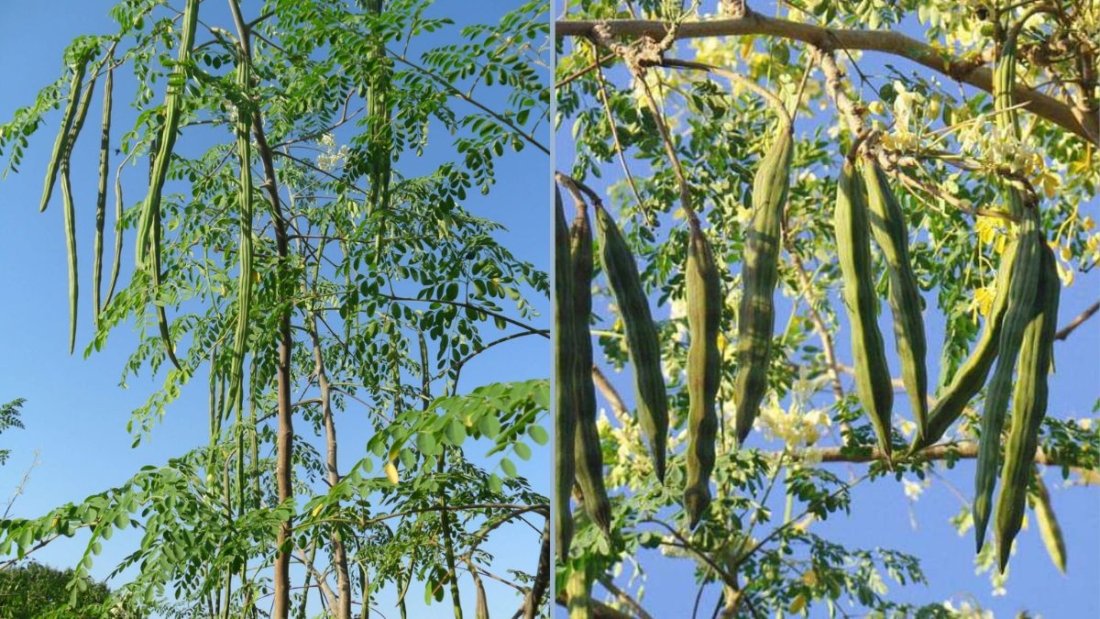
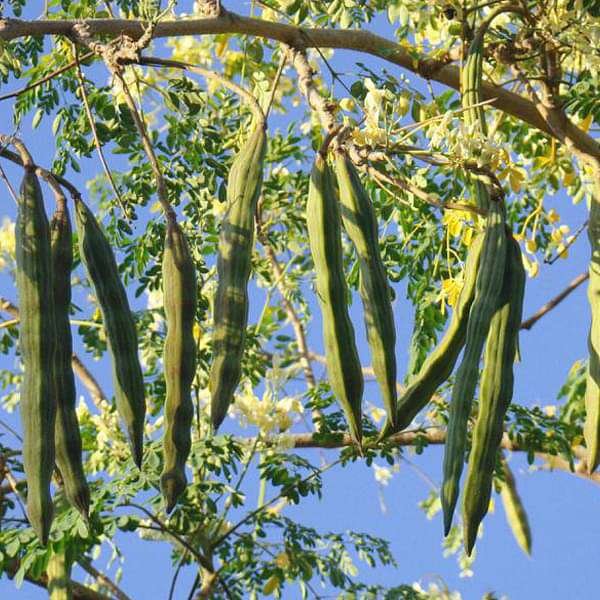
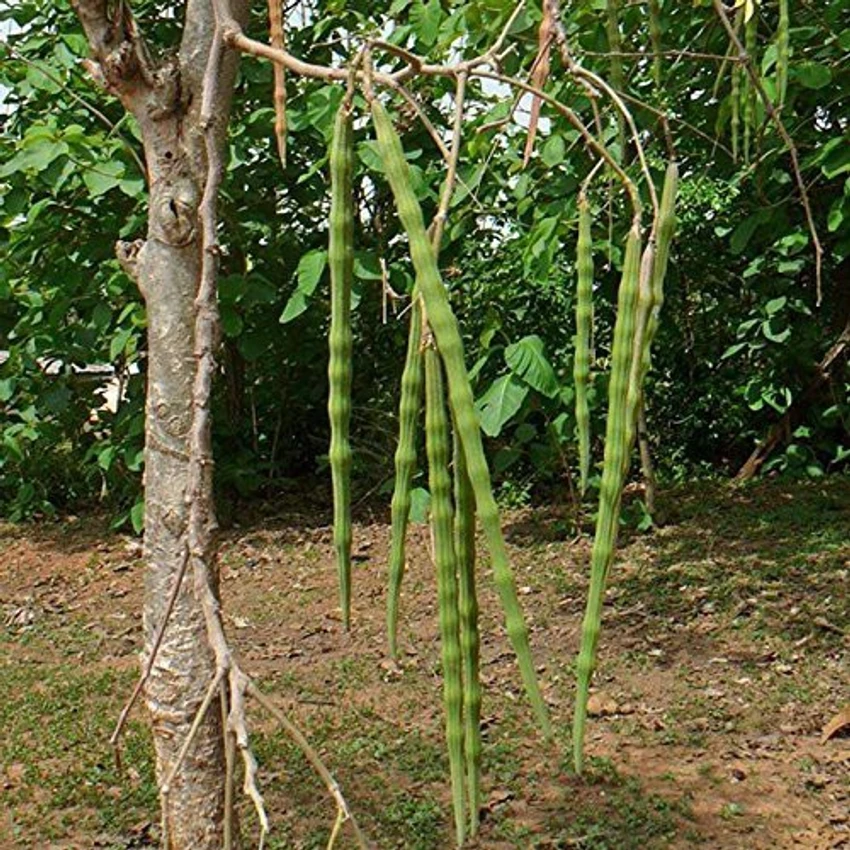
Drumstick, also known as Moringa oleifera or Nuggekayi in some regions, is one of the most versatile and nutrient-rich trees cultivated across tropical and subtropical regions. Its long, slender pods—commonly referred to as drumsticks—are a staple in Indian cuisine, used in curries, soups, stir-fries, and pickles. Beyond culinary uses, drumsticks are celebrated for their immense health benefits, including vitamins A, C, and K, calcium, potassium, and antioxidants.

While growing drumsticks is relatively straightforward, harvesting them at the right time is crucial to maximize flavor, tenderness, and nutrition. In this guide, we’ll explore everything you need to know about drumstick harvesting, including timing, techniques, and tips for a continuous and productive harvest.


Understanding Drumsticks (Moringa Pods)

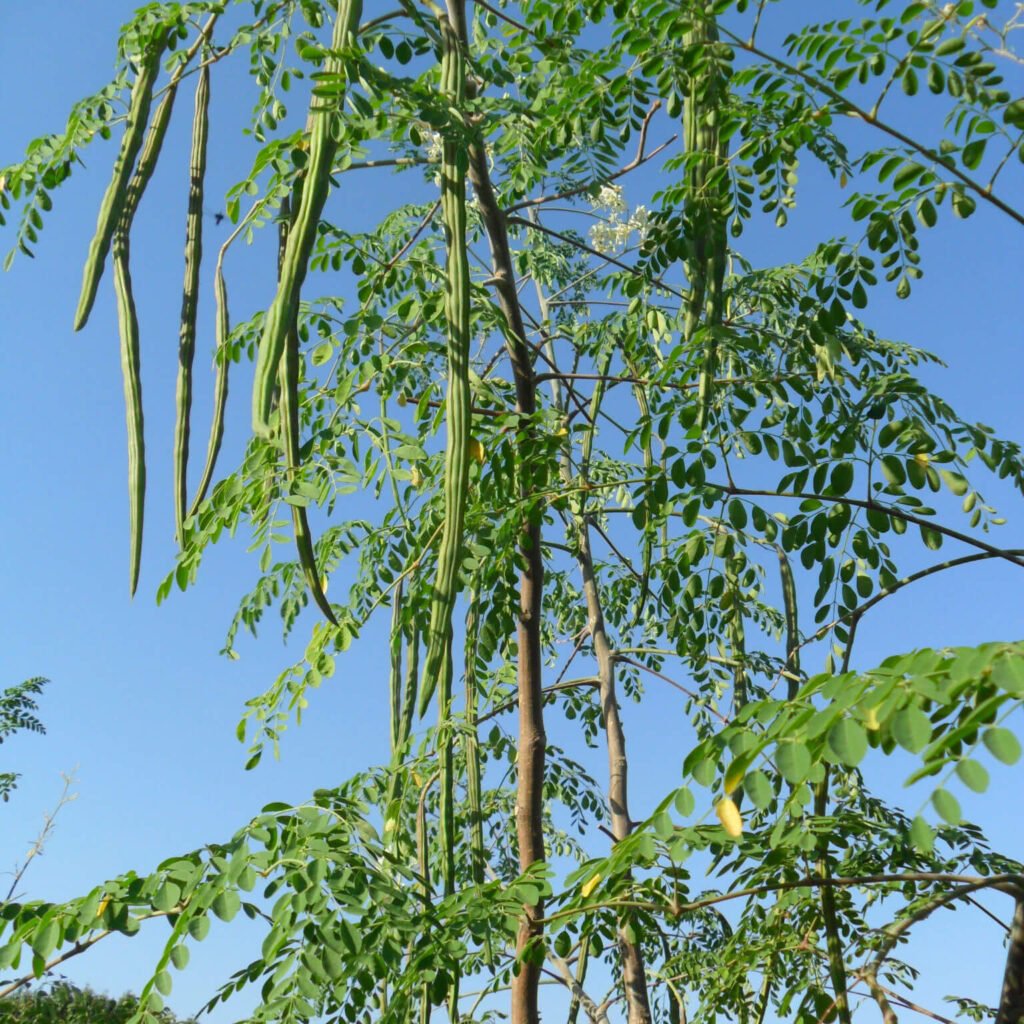
Drumsticks are the elongated seed pods of the Moringa tree. A single tree can produce hundreds of pods in a season if properly cared for. The tree is fast-growing, drought-tolerant, and can thrive even in less fertile soil, making it ideal for home gardens and small-scale cultivation.

  • Botanical Name: Moringa oleifera
  • Family: Moringaceae
  • Uses: Culinary (curries, soups, stir-fries), medicinal, and nutritional supplements
  • Nutritional Benefits: Rich in vitamins, minerals, protein, and antioxidants

The tender pods are the most commonly consumed part of the tree, but leaves, flowers, and seeds are also edible and nutritionally valuable.


Why Proper Harvesting Matters

Harvesting drumsticks at the right time is essential for several reasons:

  1. Flavor and tenderness: Young pods are tender and less fibrous. Overripe pods become tough and woody.
  2. Continuous production: Regular harvesting encourages the tree to produce more flowers and pods.
  3. Seed collection: Properly timed harvesting ensures high-quality seeds for propagation.
  4. Nutrient retention: Younger pods retain more vitamins and antioxidants.

Understanding the ideal stage for harvesting is key to maximizing yield and quality.


When to Harvest Drumsticks

Drumsticks are ready to harvest 6–8 months after planting, depending on the tree’s age and growth conditions. Here are some key indicators:

  • Length: Pods are typically 10–12 inches long when tender. Some varieties may grow slightly longer.
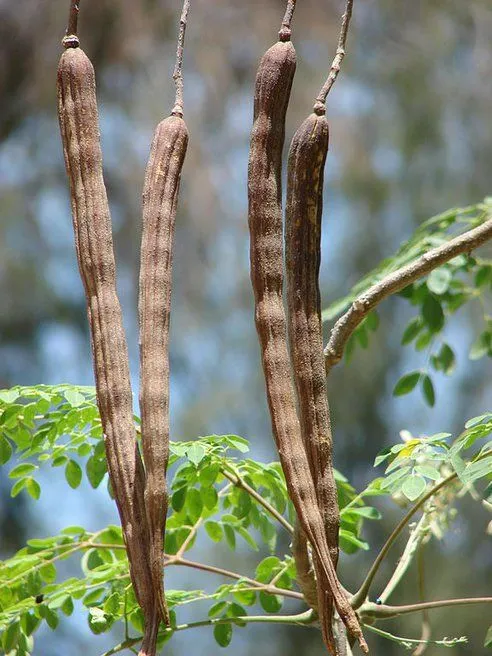
  • Color: Young pods are bright green. Avoid pods that turn yellow or brown.
  • Texture: Tender pods are soft and flexible. Overripe pods are tough and fibrous.
  • Time of year: In tropical regions, harvesting can continue year-round, but peak production usually occurs during warm months.

For seed saving, leave a few mature pods to ripen fully on the tree, then collect seeds once the pods dry.


Tools Needed for Harvesting

To harvest drumsticks efficiently, you’ll need:

  • Sharp scissors or pruning shears: For clean cuts without damaging the tree.
  • Gloves: To protect your hands from scratches.
  • Basket or container: To collect harvested pods gently.
  • Ladder or stool: For reaching higher branches on mature trees.

Using proper tools ensures a safe and efficient harvest while preventing damage to the tree.


Step 1: Preparing the Tree for Harvest

Before you start harvesting:

  1. Inspect the tree for healthy, mature pods.
  2. Remove any damaged or diseased pods to prevent pests and disease spread.
  3. Ensure the tree is free of pests like aphids or caterpillars, which can affect pod quality.

Proper preparation reduces post-harvest losses and improves yield quality.


Step 2: Harvesting Techniques

Drumsticks can be harvested in the following ways:

Using Hands:

  • Ideal for smaller trees or easily accessible pods.
  • Gently twist and pull the pod from the branch to avoid damage.
  • Only use this method for tender, flexible pods.

Using Scissors or Pruning Shears:

  • Recommended for larger trees or pods on higher branches.
  • Cut the pod at the stem junction without cutting the branch.
  • This method prevents accidental damage to the tree and ensures a clean harvest.

Ladder or Elevated Harvesting:

  • For tall, mature trees, use a ladder carefully.
  • Ensure safety while reaching upper branches.
  • Harvest pods methodically from top to bottom.

Step 3: Frequency of Harvest

  • Harvest every 3–5 days during peak production to ensure pods are harvested at the right stage.
  • Regular harvesting encourages the tree to produce more flowers and new pods.
  • Avoid leaving pods on the tree too long, as overripe pods reduce overall productivity.

Step 4: Handling and Storage

Proper handling after harvest ensures freshness:

  • Gentle handling: Avoid dropping pods to prevent bruising.
  • Storage: Keep pods in a cool, shaded place. Refrigerate if not using immediately.
  • Shelf life: Fresh drumsticks can last 5–7 days in the refrigerator.
  • Freezing: Blanch and freeze for long-term storage without losing flavor.

Proper handling ensures maximum nutritional value and maintains tenderness.


Tips for Increasing Drumstick Yield

  1. Regular pruning: Trim weak or old branches to encourage new growth.
  2. Watering: Ensure consistent moisture during flowering and pod formation.
  3. Fertilization: Apply compost, organic manure, or liquid fertilizer every 2–3 weeks during the growing season.
  4. Pest control: Monitor for aphids, fruit borers, and caterpillars; use organic sprays if needed.
  5. Pollinator attraction: Plant flowers nearby to attract bees for better pollination and fruit set.

Following these practices helps ensure a healthy tree with abundant pods.


Culinary Uses of Drumsticks

Drumsticks are versatile and can be incorporated into various dishes:

  • Curries: Popular in South Indian dishes like sambar and kootu.
  • Soups: Adds flavor and nutrients to clear broths and vegetable soups.
  • Stir-fries: Quickly sautéed with onions, garlic, and spices.
  • Pickles: Young pods can be pickled with spices for a tangy treat.
  • Leaves: Can be cooked like spinach or added to smoothies for extra nutrition.

Tender pods are best for cooking, while mature pods can be used for seed extraction or dried for later use.


Common Mistakes to Avoid

  • Harvesting too late: Overripe pods become tough and fibrous.
  • Damaging branches: Always cut or gently twist pods without harming the vine.
  • Ignoring pests: Aphids and fruit borers can reduce pod quality and yield.
  • Neglecting regular harvest: Pods left on the tree can reduce flower and pod formation.

Avoiding these mistakes ensures a high-quality, productive harvest.


Final Thoughts

Drumstick harvesting is a simple yet rewarding process that allows gardeners to enjoy fresh, nutritious pods year-round. By understanding the right timing, techniques, and care, you can maximize yield, maintain tree health, and enjoy a continuous supply of delicious drumsticks.

Whether you are a home gardener with a small backyard or managing a larger farm, consistent harvesting, proper handling, and regular care are key to successful drumstick cultivation. Start harvesting today and enjoy the taste, nutrition, and satisfaction of fresh, homegrown Moringa pods!

How to Grow Tindora (Ivy Gourd) at Home: A Complete Gardening Guide

How to Grow Tindora (Ivy Gourd) at Home: A Complete Gardening Guide

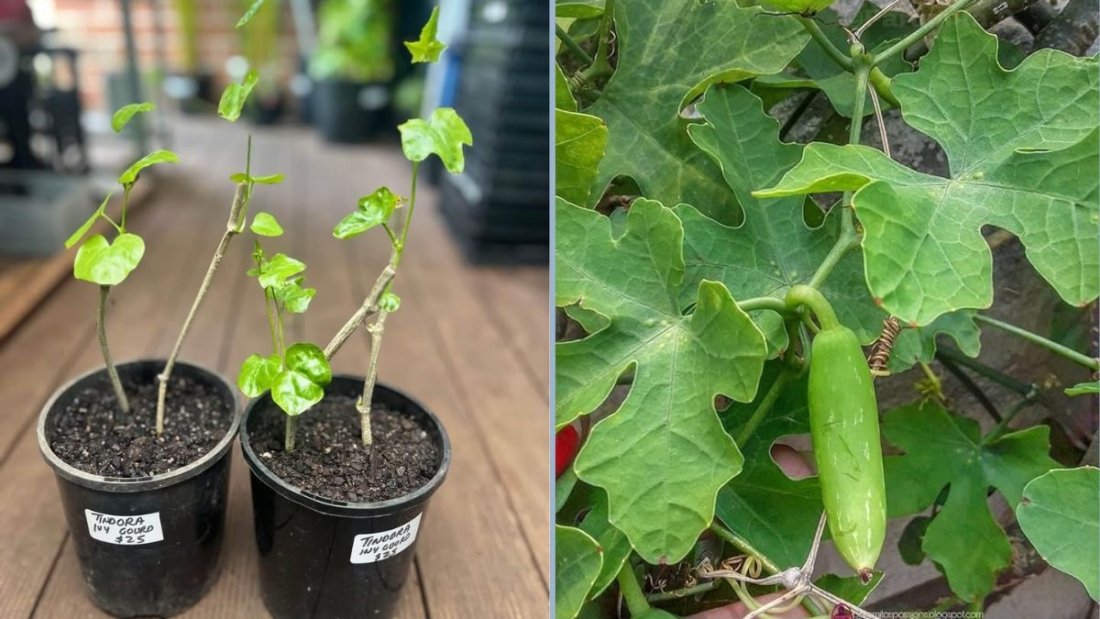
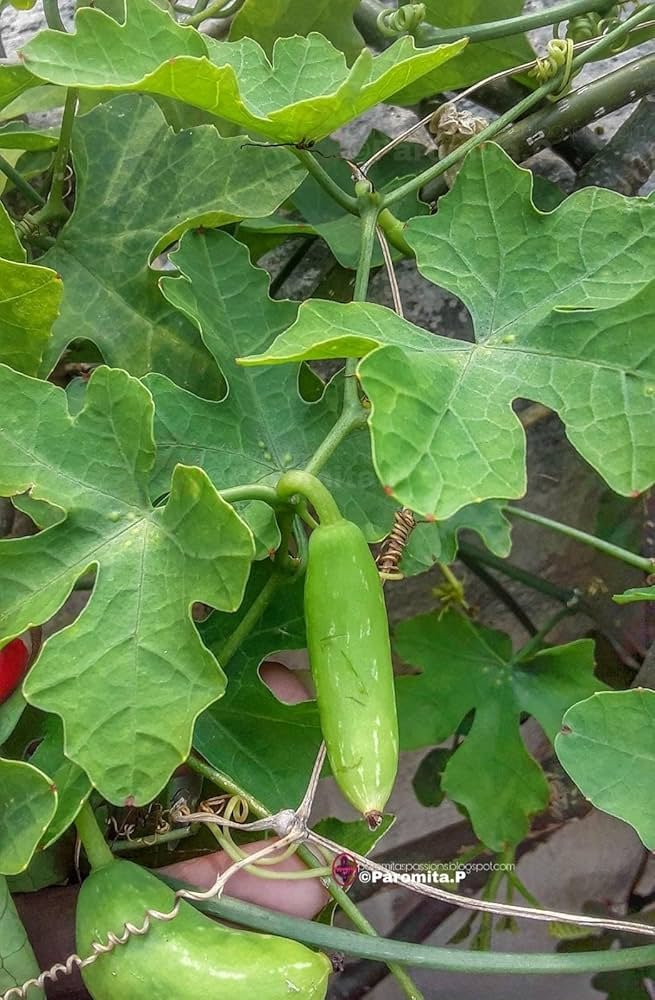
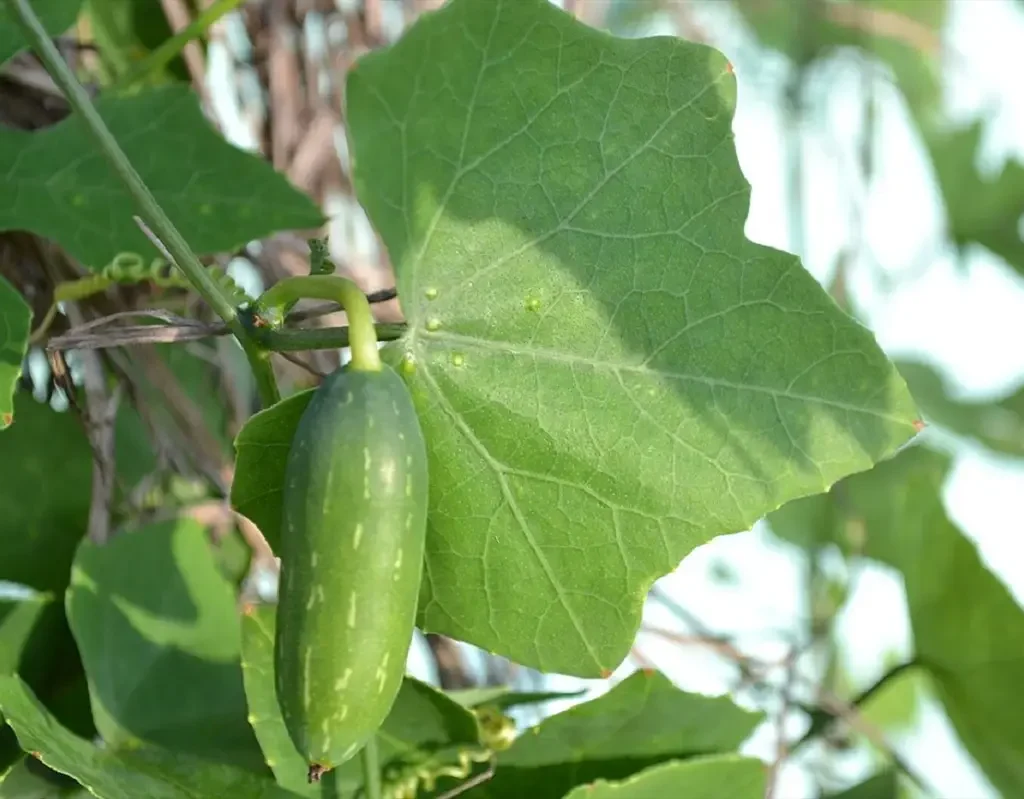
Tindora, also known as Ivy Gourd or Coccinia grandis, is a fast-growing vine that produces slender, green vegetables widely used in Indian, Southeast Asian, and tropical cuisines. Known for its nutritional benefits and medicinal properties, tindora is rich in vitamin C, fiber, and antioxidants, making it an excellent addition to a healthy diet. Growing tindora at home is not only rewarding but also allows gardeners to enjoy fresh, chemical-free vegetables year-round.

In this guide, we’ll explore everything you need to know to grow tindora successfully in your garden, from planting seeds to harvesting a bountiful crop.


What is Tindora (Ivy Gourd)?

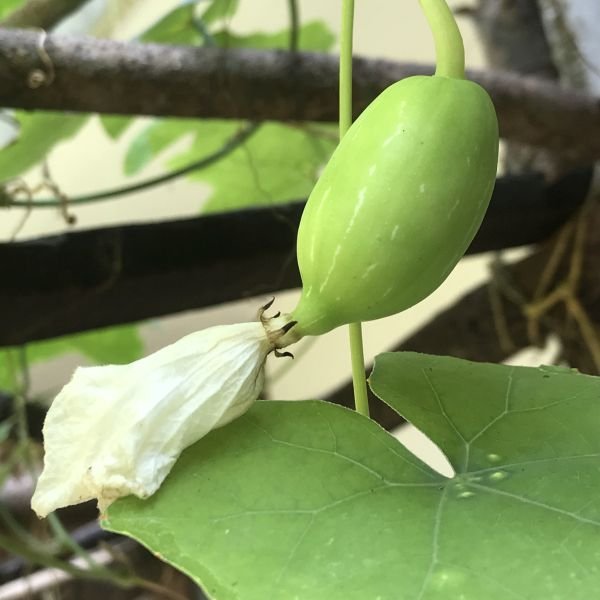
Tindora is a fast-growing climbing vine native to India and Southeast Asia. The plant produces small, elongated green fruits with a mild, slightly bitter flavor. It thrives in tropical and subtropical climates, although with proper care, it can also be grown in other regions.

  • Botanical name: Coccinia grandis
  • Family: Cucurbitaceae (same as cucumbers and squash)
  • Uses: Stir-fries, curries, pickles, and salads
  • Medicinal benefits: Supports digestion, helps regulate blood sugar, and boosts immunity

This hardy vine is ideal for home gardeners seeking nutritious and low-maintenance vegetables.


Why Grow Tindora at Home?

Growing tindora in your garden offers several advantages:

  1. Fresh and organic produce: Know exactly what goes into your food.
  2. Continuous harvest: With proper care, vines can produce fruits for several months.
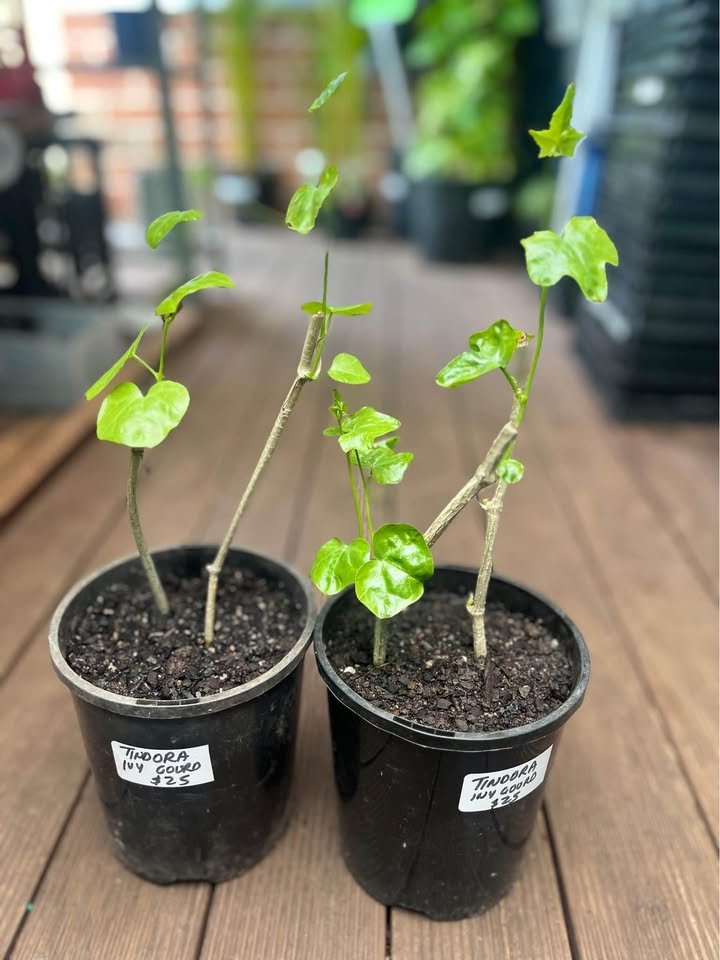
  3. Easy propagation: Can be grown from seeds or stem cuttings.
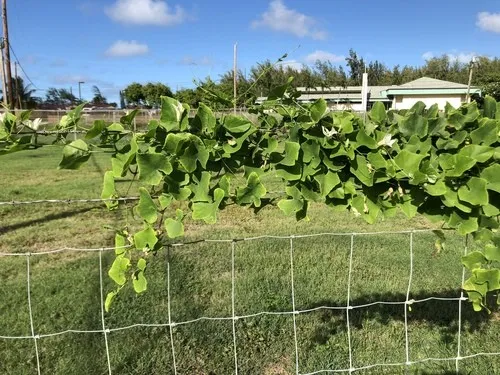
  4. Space-efficient: Climbs trellises, fences, or vertical structures, making it ideal for small gardens.
  5. Nutritional and medicinal benefits: Supports overall health with fiber, vitamins, and antioxidants.

Homegrown tindora is tastier and more nutritious than store-bought varieties, which may be harvested prematurely or treated with chemicals.


Choosing the Right Variety

There are several varieties of tindora, but most home gardeners opt for:

  • Green tindora: Smooth, mild-flavored fruits ideal for cooking.
  • Striped tindora: Distinctive stripes with slightly stronger flavor.
  • Local or hybrid varieties: Some hybrids offer higher yield and disease resistance.

For beginners, green tindora is easier to manage and produces abundant fruits.


Materials Needed

Before planting, gather these essentials:

  • Tindora seeds or stem cuttings – Both methods are effective.
  • Trellis, bamboo sticks, or netting – Provides support for climbing vines.
  • Garden soil or containers – Well-draining, fertile soil enriched with compost.
  • Compost or organic fertilizer – Encourages healthy growth and flowering.
  • Water source – Regular watering is crucial for fruit development.

Optional: Mulch to retain moisture and prevent weeds.


Step 1: Propagating Tindora

Tindora can be grown from seeds or stem cuttings.

From Seeds:

  1. Soak seeds in warm water overnight to improve germination.
  2. Plant seeds ½ inch deep in seed trays or small pots with moist soil.
  3. Keep trays in a warm, sunny location.
  4. Germination typically occurs in 7–14 days.

From Stem Cuttings:

  1. Take a 6–8 inch cutting from a healthy vine.
  2. Remove leaves from the lower half and plant in moist soil or water.
  3. Roots develop in 1–2 weeks, after which the cutting can be transplanted.

Cuttings are ideal for gardeners looking for faster growth and higher success rates.


Step 2: Preparing the Growing Area

Tindora thrives in warm, sunny locations:

  • Sunlight: At least 6–8 hours of direct sunlight daily.
  • Soil: Well-draining, fertile soil enriched with compost or organic matter.
  • Spacing: Plant vines 2–3 feet apart to avoid overcrowding.
  • Support: Install trellis, fence, or vertical netting for climbing.

For container gardening, use pots at least 12–15 inches deep to accommodate root growth.


Step 3: Planting Tindora

  • Planting depth: Sow seeds ½ inch deep or plant cuttings with 2–3 nodes buried in soil.
  • Orientation: For climbing, position near trellis or vertical support.
  • Watering: Keep soil consistently moist but avoid waterlogging.
  • Timing: Plant after the last frost in temperate regions or during warm months in tropical regions.

Direct sowing is often preferred for stronger plants, but seedlings started indoors can be transplanted for early harvest.


Step 4: Supporting the Vines

Tindora is a vigorous climber:

  • Trellis, bamboo sticks, or netting: Supports vertical growth and maximizes space.
  • Training shoots: Tie young shoots gently to guide upward growth.
  • Pruning: Remove excessive lateral shoots to improve airflow and sunlight penetration.

Proper support reduces disease risk and keeps fruits clean and accessible.


Step 5: Watering and Fertilizing

Tindora requires regular watering and nutrients:

  • Watering: Water deeply 2–3 times per week, ensuring soil stays moist.
  • Mulching: Organic mulch retains moisture and protects roots.
  • Fertilizing: Apply compost or organic fertilizers every 2–3 weeks to promote flowering and fruiting.

Avoid excess nitrogen, which encourages leaf growth at the expense of flowers and fruits.


Step 6: Flowering and Pollination

Tindora produces small, trumpet-shaped flowers that develop into fruits:

  • Male and female flowers appear on the same vine; pollination is necessary for fruit set.
  • Encourage pollinators like bees by planting companion flowers nearby.
  • Remove damaged flowers to allow the plant to focus energy on healthy fruits.

Pollination is essential for a continuous and abundant harvest.


Step 7: Pest and Disease Management

Common pests include:

  • Aphids: Spray neem oil or insecticidal soap.
  • Fruit flies: Cover fruits with netting to protect young pods.
  • Caterpillars: Handpick or use organic sprays.

Common diseases:

  • Powdery mildew: Ensure good spacing and airflow.
  • Root rot: Avoid waterlogged soil.
  • Leaf spot: Remove affected leaves and apply organic treatments if necessary.

Regular monitoring and early intervention prevent significant damage and maintain productivity.


Step 8: Harvesting Tindora

Tindora is fast-growing and ready for harvest 6–8 weeks after planting:

  • Fruit size: Pick young fruits when they are 4–6 inches long for tender texture.
  • Method: Use scissors or gently twist the fruit to remove it from the vine.
  • Continuous harvest: Regular harvesting encourages more flowering and fruiting.

Tip: Harvest in the morning for maximum freshness and nutrient retention. Avoid letting fruits grow too large, as they become tough and bitter.


Cooking and Enjoying Tindora

Tindora is a versatile vegetable:

  • Stir-fries: Sauté with onions, garlic, and spices.
  • Curries: Combine with tomatoes and coconut milk or yogurt.
  • Pickles: Use young fruits for tangy and flavorful pickles.
  • Soups: Add chopped tindora to vegetable soups for extra nutrition.

Its tender texture and mild flavor make it a favorite in Asian and Indian cuisines.


Tips for a Successful Tindora Garden

  • Provide strong support: Vertical trellises maximize yield.
  • Mulch: Retain soil moisture and regulate temperature.
  • Regular harvesting: Encourages continuous fruit production.
  • Organic fertilizers: Maintain healthy, chemical-free plants.
  • Monitor for pests: Early detection prevents major damage.
  • Companion planting: Beans, marigolds, or basil can enhance growth and deter pests.

Final Thoughts

Growing tindora (ivy gourd) at home is easy, rewarding, and highly nutritious. With proper care—support structures, regular watering, pruning, and pest management—you can enjoy a continuous harvest of fresh, organic tindora throughout the growing season. Whether you have a small balcony garden, container setup, or backyard plot, tindora is an excellent choice for gardeners seeking productive and low-maintenance vines.

Start growing tindora today and enjoy the benefits of fresh, homegrown, and flavorful ivy gourd in your kitchen garden!