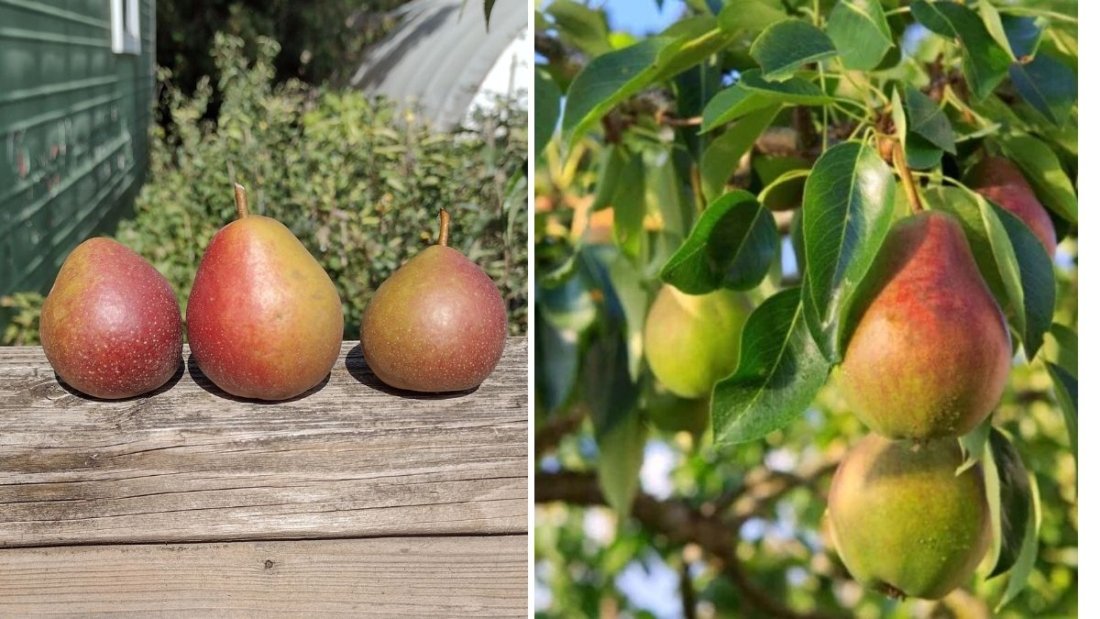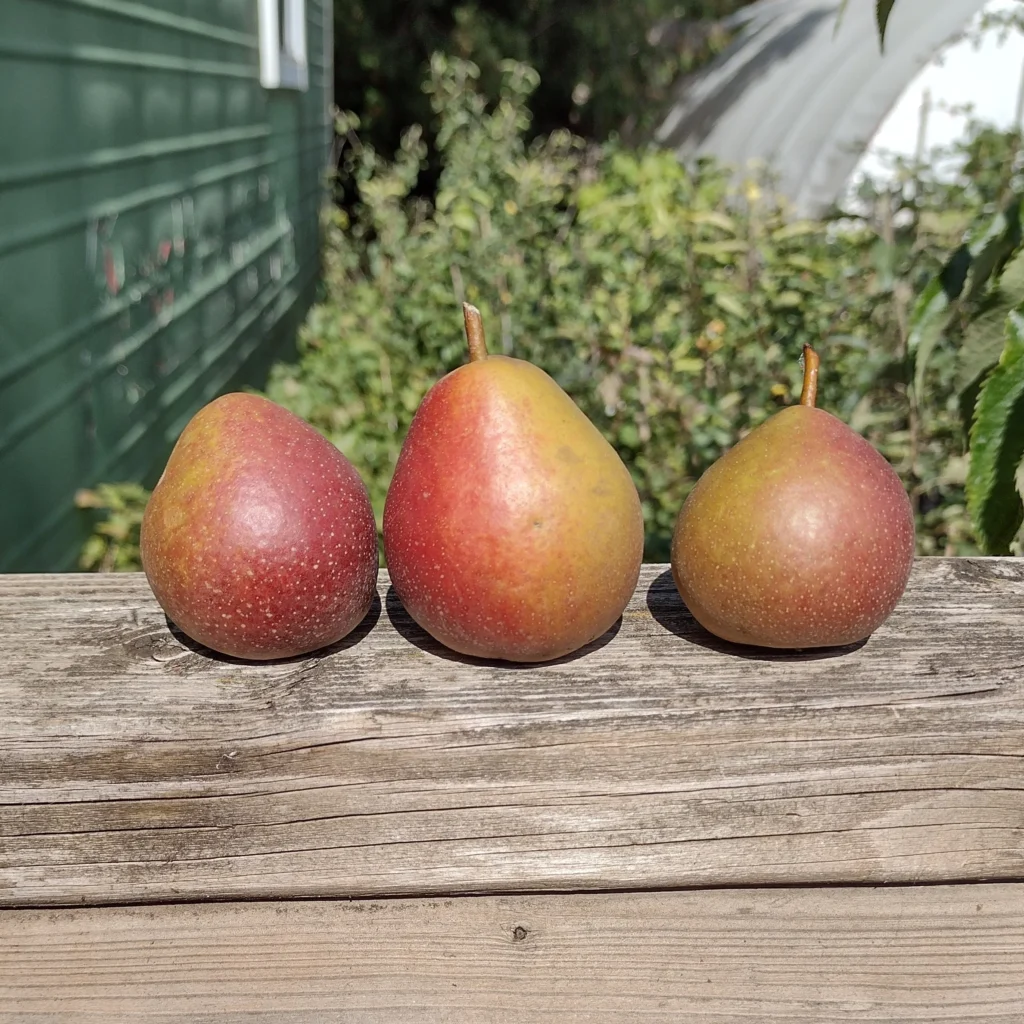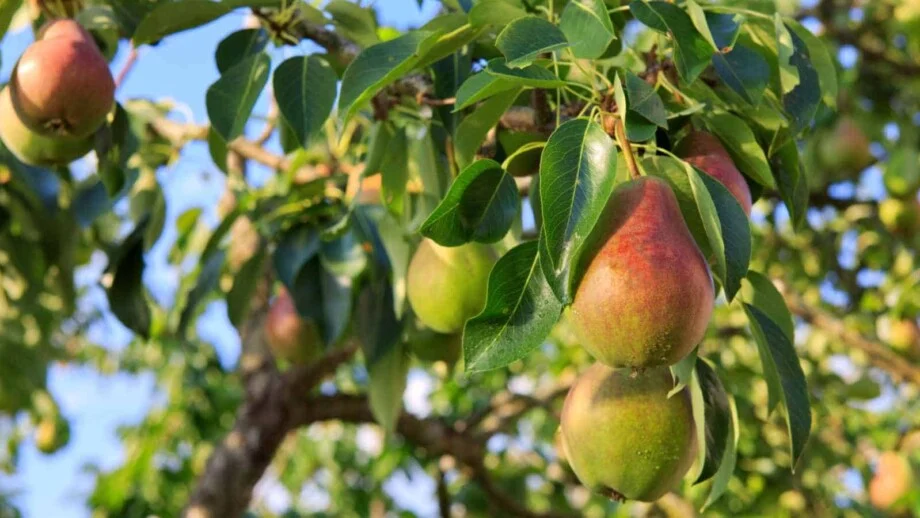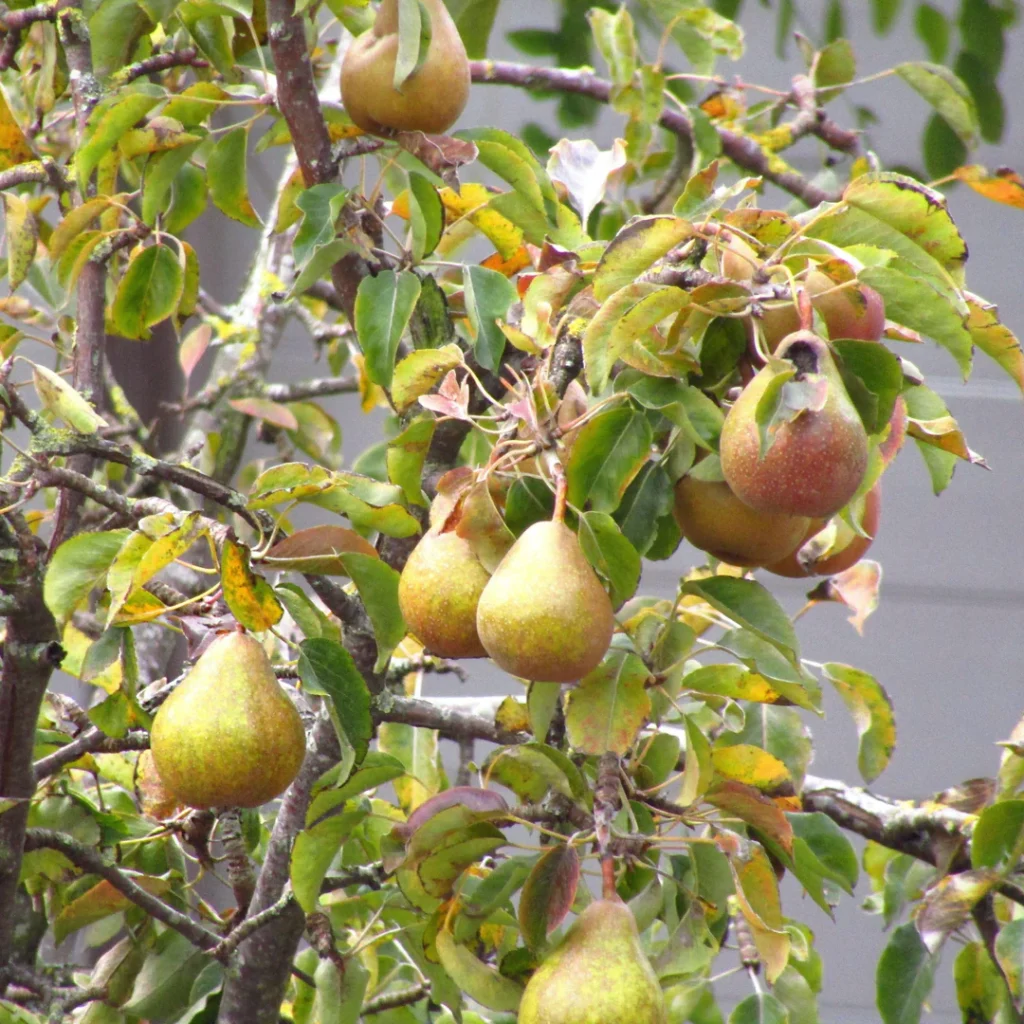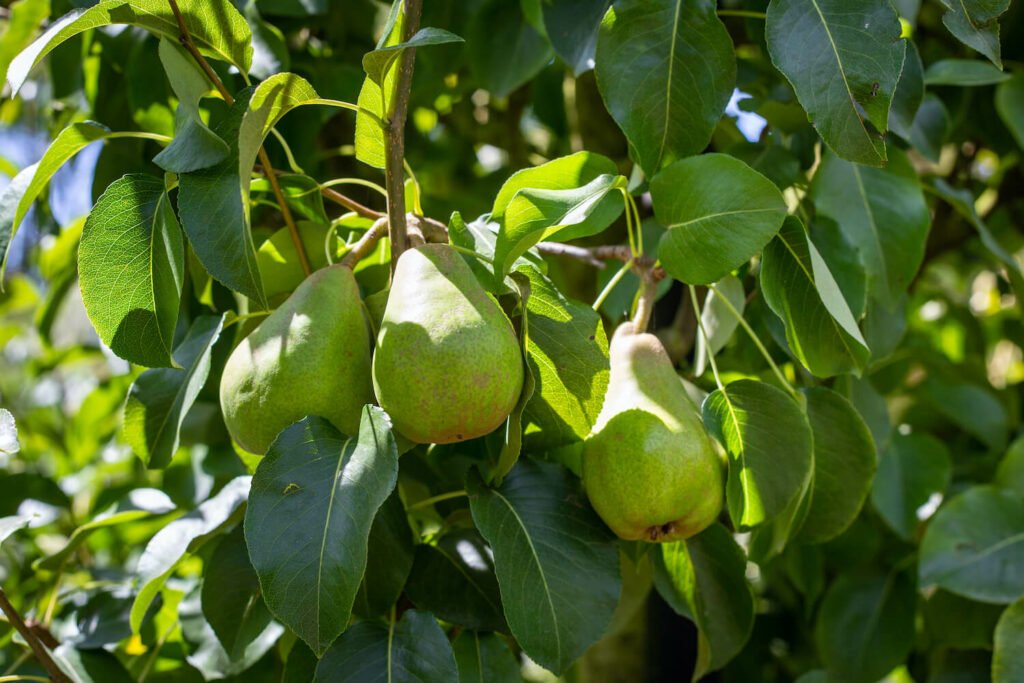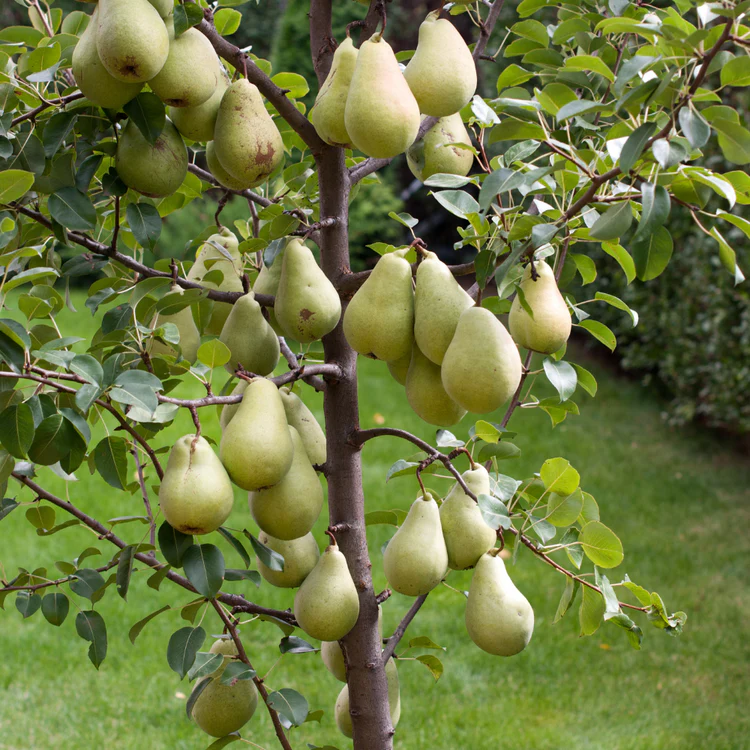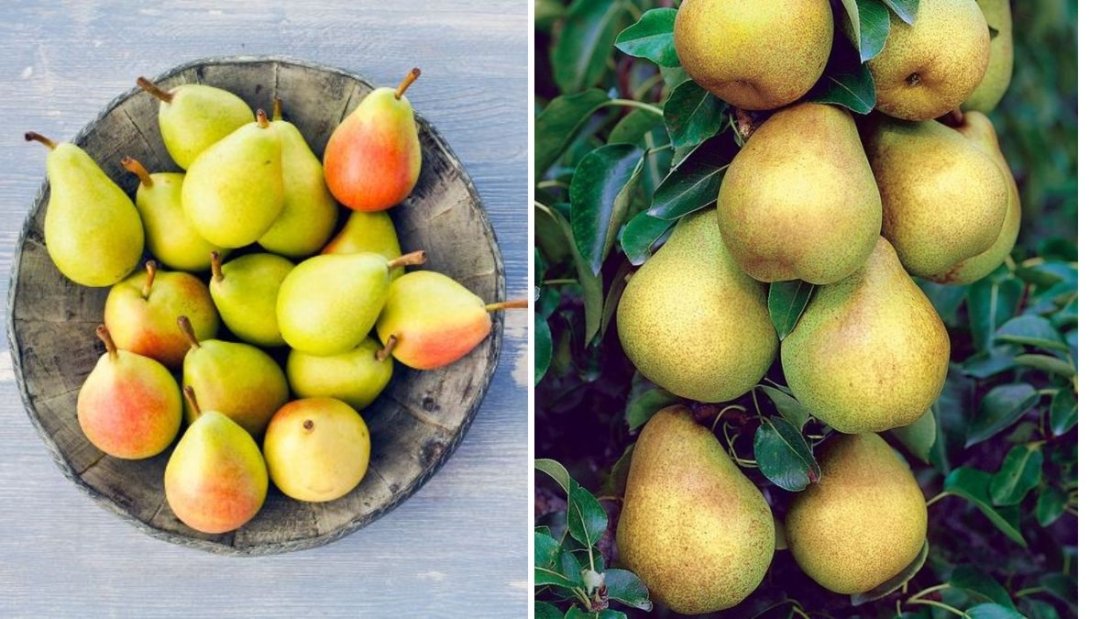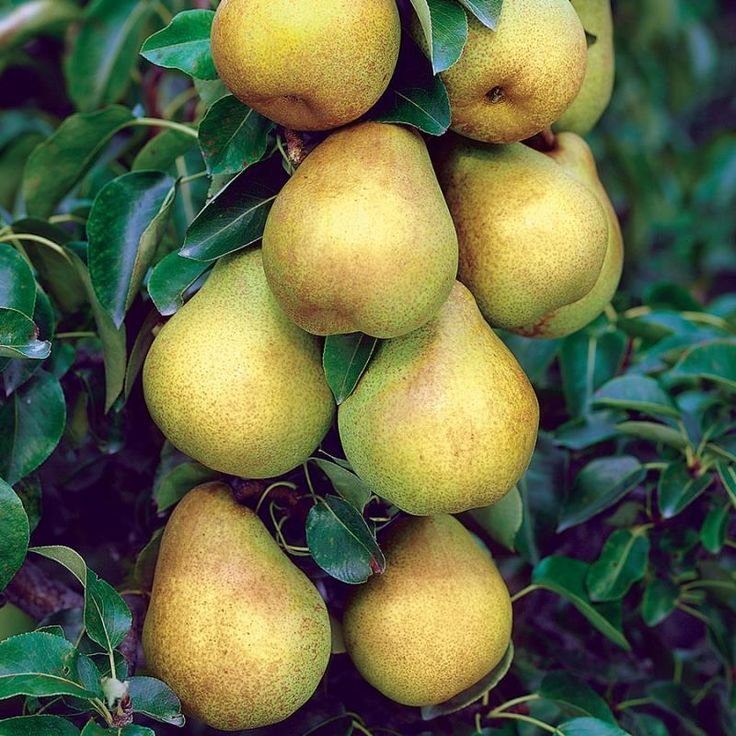
Asian Pears: The Ultimate Rare Fruit You Must Try Growing at Home

Asian Pears: The Ultimate Rare Fruit You Must Try Growing at Home

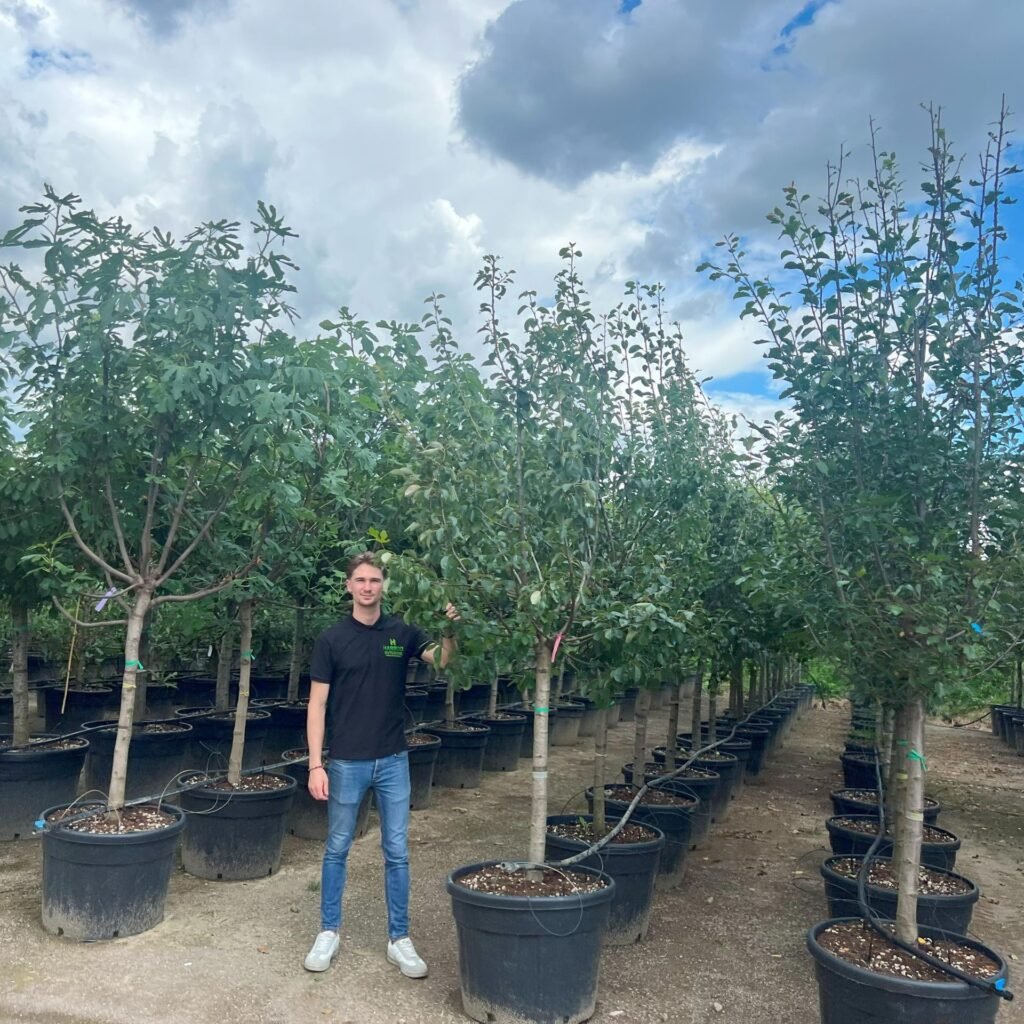
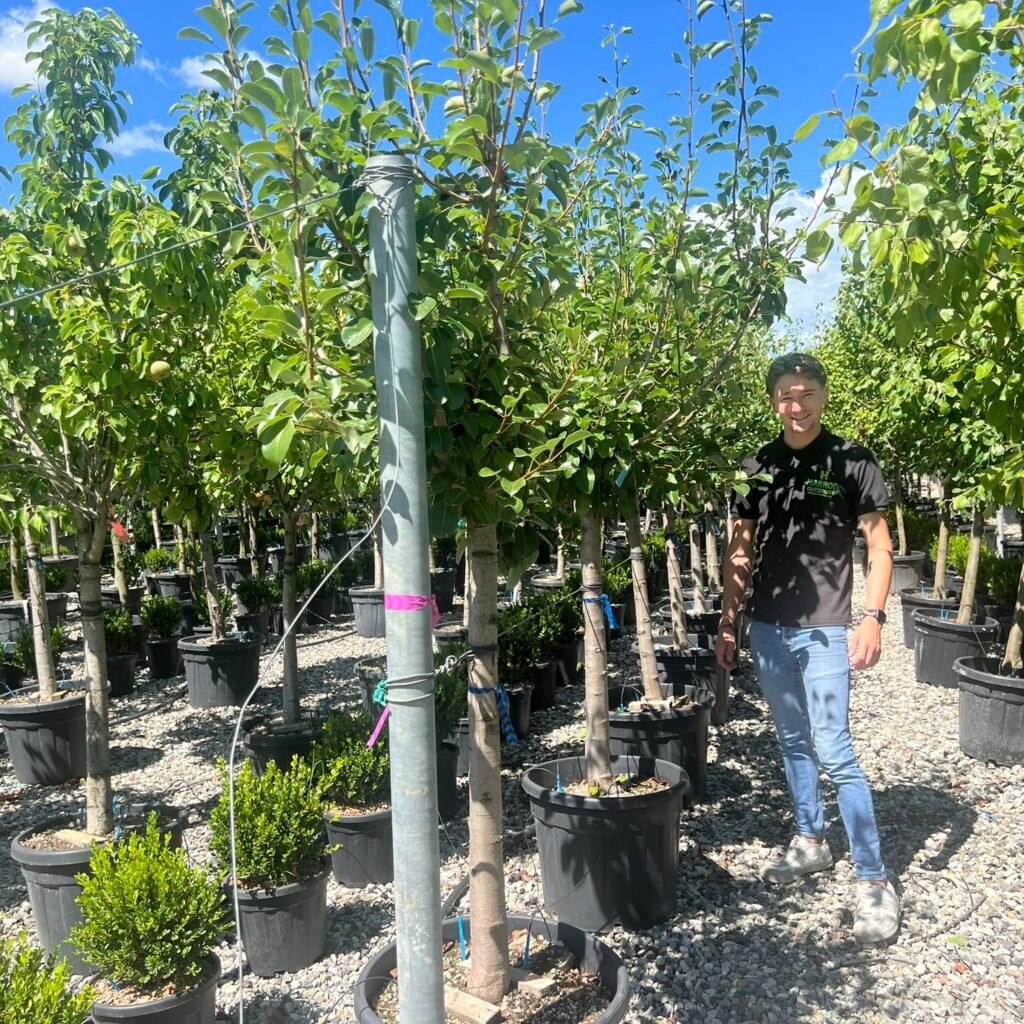
When it comes to growing unique and rewarding fruit trees in your garden, Asian pears truly stand out as a hidden gem. Sometimes called “apple pears” because of their crisp texture and round shape, Asian pears combine the sweetness of traditional pears with the crunch of apples. They’re juicy, fragrant, and refreshingly crisp—a fruit that’s both exotic and familiar at the same time.

In this detailed guide inspired by “Asian Pears: The Ultimate Rare Fruit You Must Try Growing!”, we’ll explore everything you need to know about these remarkable fruits. From their fascinating origins and varieties to step-by-step growing, care, and harvesting tips, you’ll discover why adding an Asian pear tree to your home garden might be one of the best decisions you make this year.


What Makes Asian Pears So Unique?
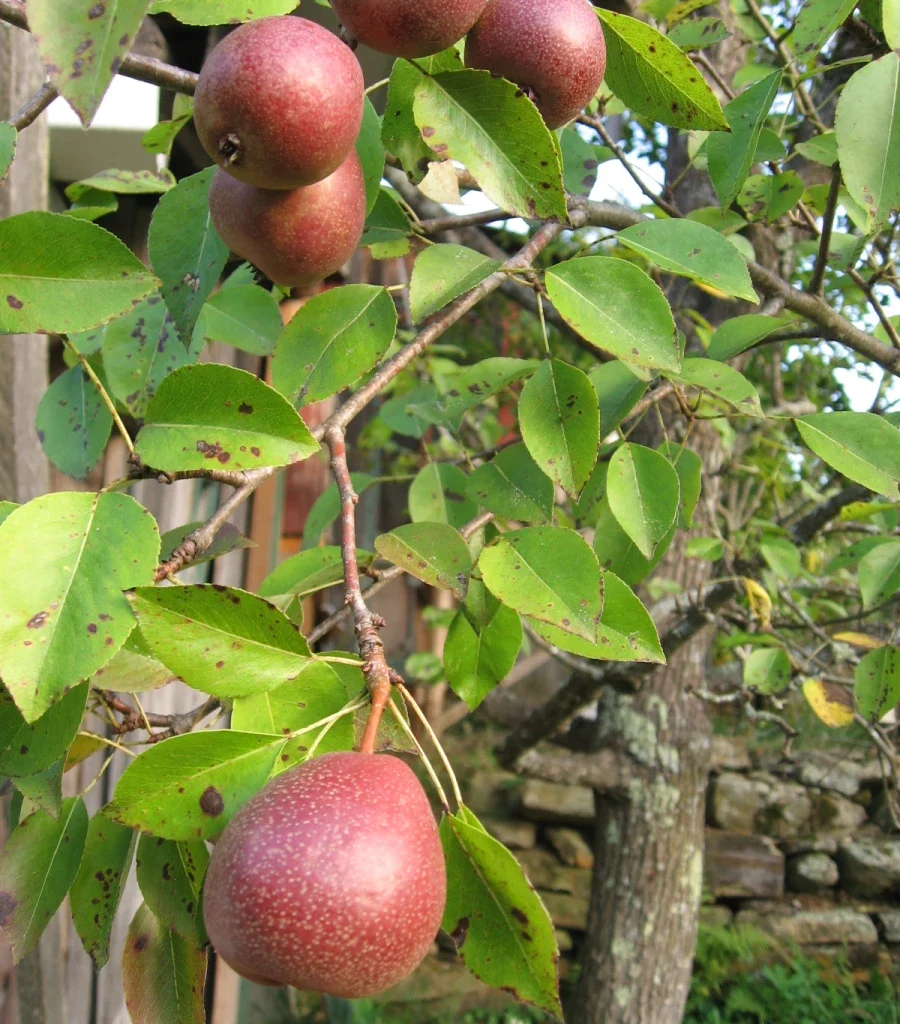
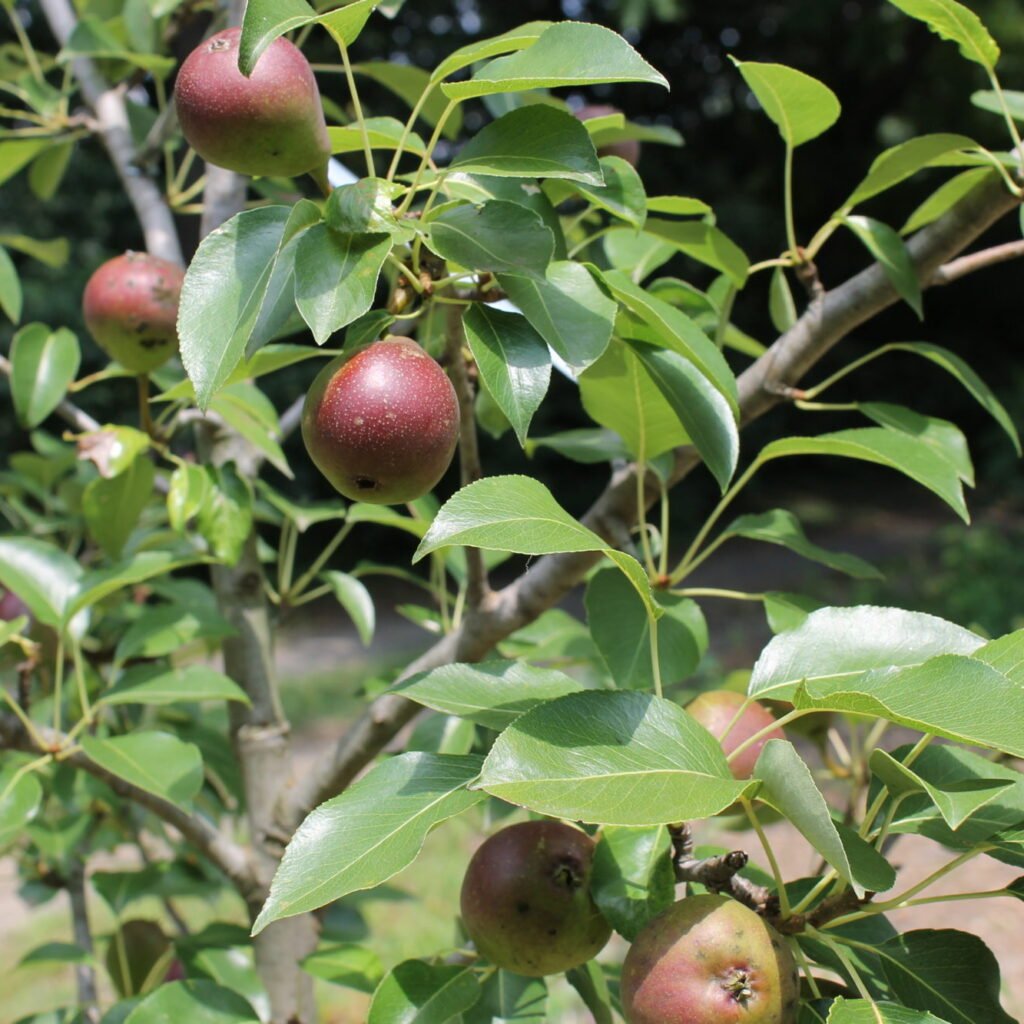
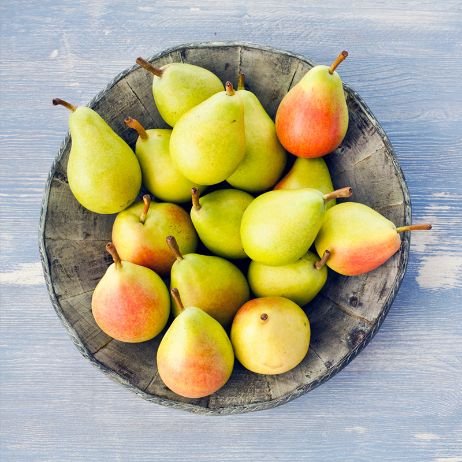
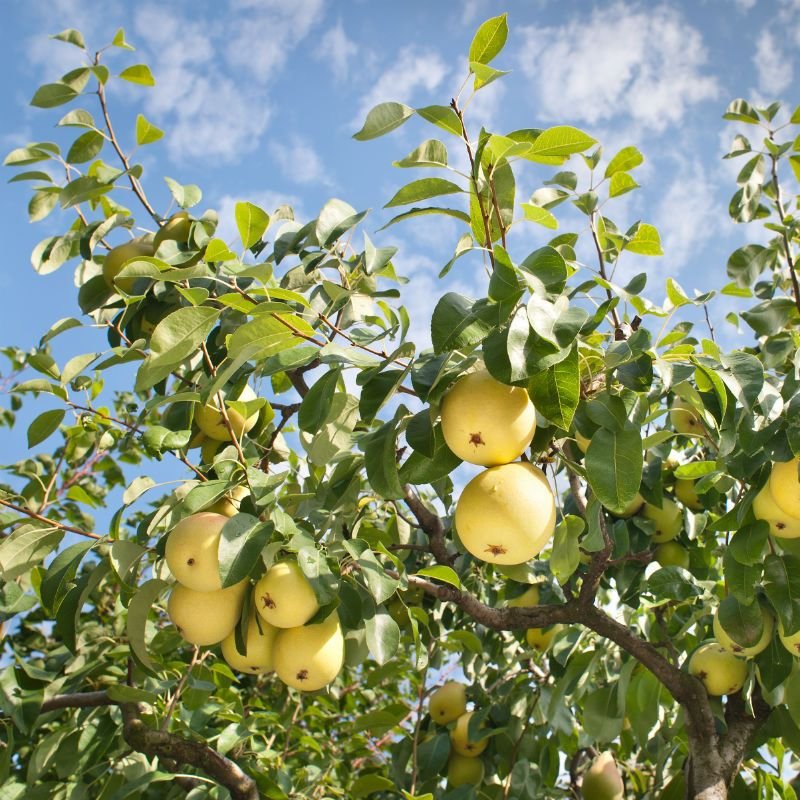
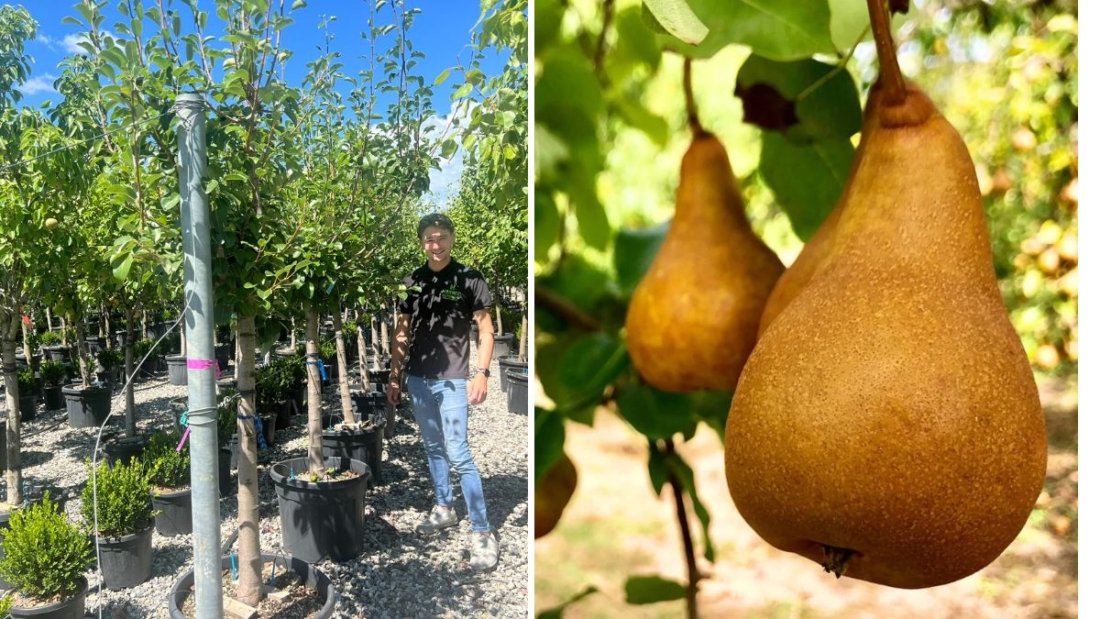
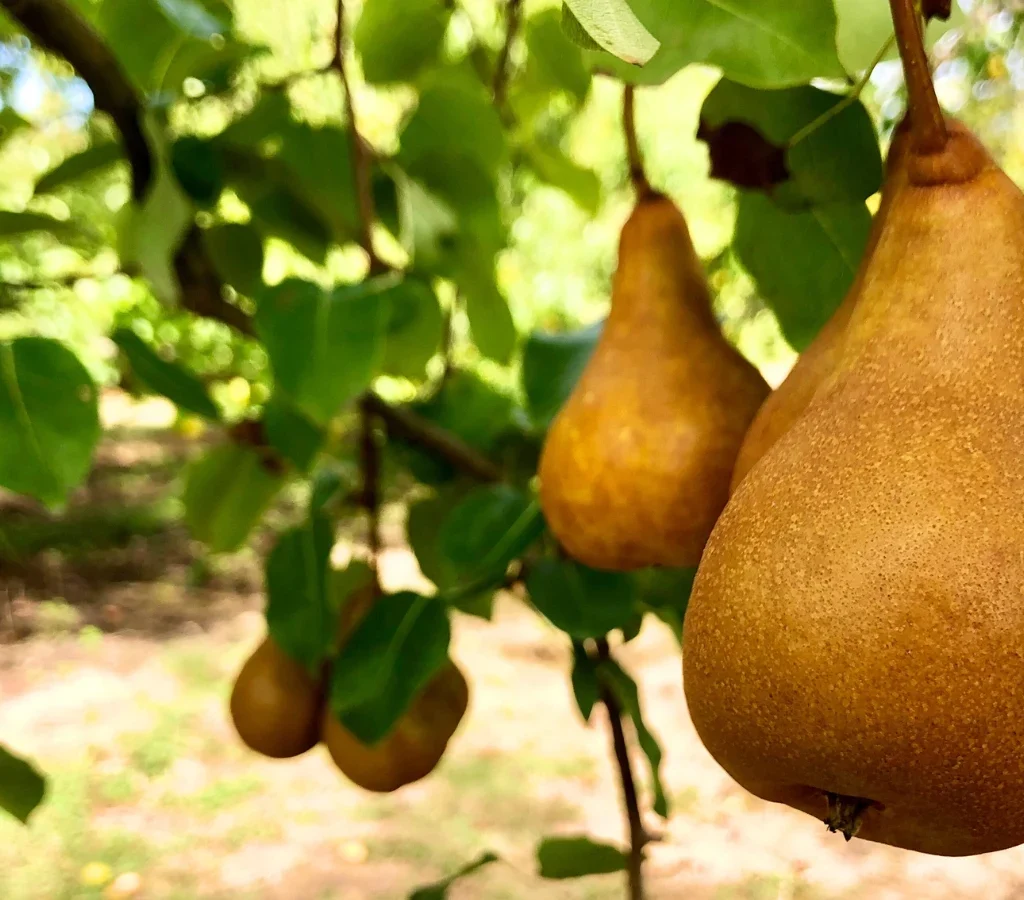
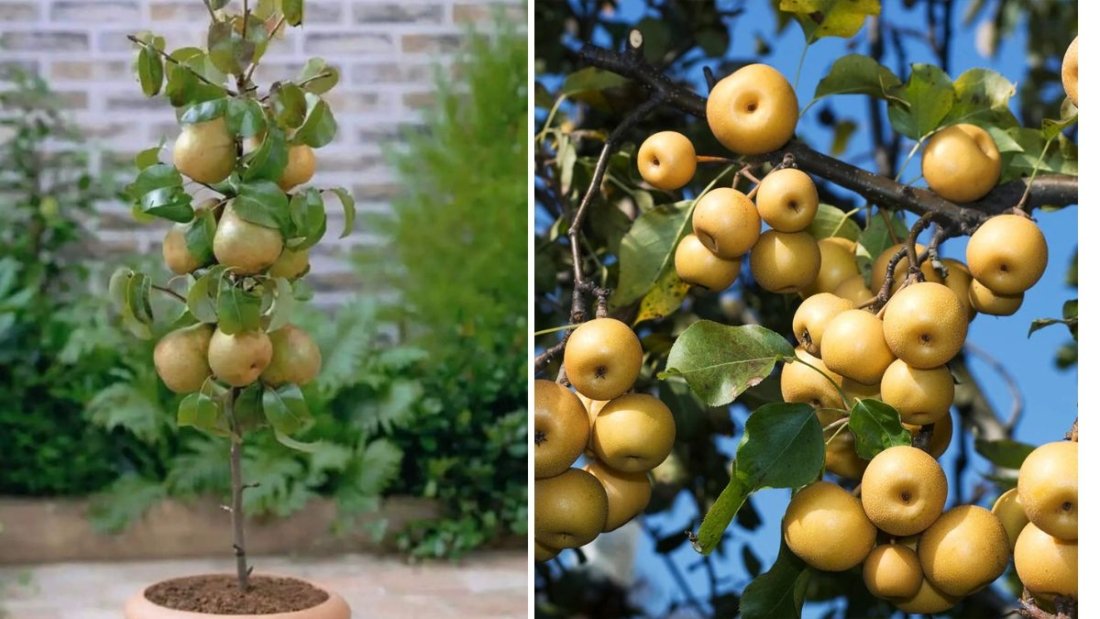
Asian pears (Pyrus pyrifolia) originate from East Asia—mainly Japan, China, and Korea—where they’ve been cultivated for thousands of years. Unlike European pears, which soften as they ripen, Asian pears maintain their crisp texture even when fully ripe. This makes them a refreshing fruit for eating fresh right off the tree.

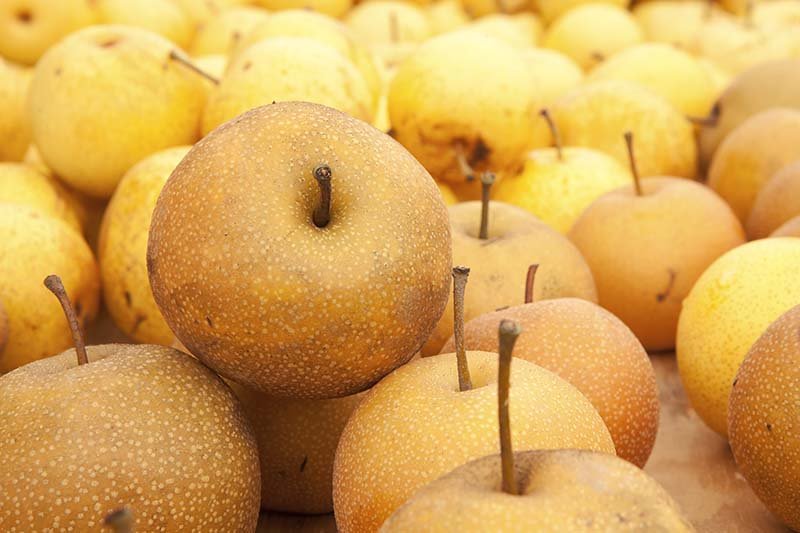
They come in a wide range of flavors and appearances, from golden-yellow to bronze-brown, and some varieties even have russeted skins. Each has its own delicate balance of sweetness and aroma, making Asian pears a gourmet favorite worldwide.

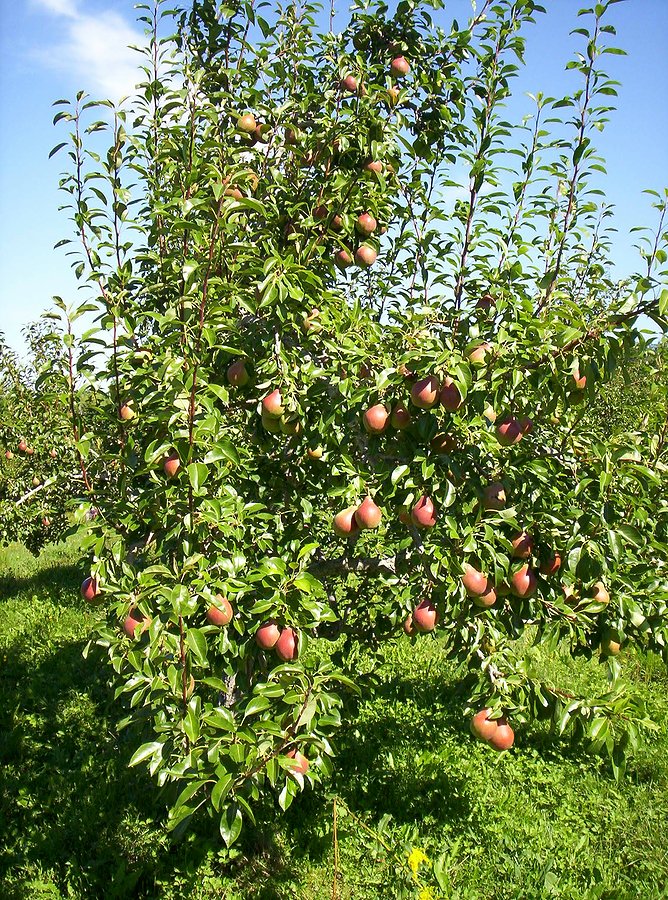
Beyond their taste, Asian pears are also admired for their ornamental beauty. Their spring blossoms are pure white and fragrant, and their lush green foliage adds elegance to any landscape.


Health Benefits of Asian Pears

Asian pears are not just delicious—they’re also incredibly nutritious. Here are a few key health benefits that make them a valuable addition to your diet:

  • Rich in Fiber: One medium pear contains up to 10% of your daily fiber needs, promoting good digestion and gut health.
  • Hydrating and Low-Calorie: With a high water content and low calorie count, they make for an excellent healthy snack.
  • Packed with Vitamins: They provide vitamin C, vitamin K, and essential minerals like potassium, which help regulate blood pressure.
  • Antioxidant Power: The fruit’s natural antioxidants help reduce inflammation and protect cells from damage.
  • Boosts Immunity: Regular consumption supports immune function and overall wellness.

In short, Asian pears are a perfect mix of indulgence and nourishment—nature’s way of giving you a treat that’s actually good for you!


Popular Asian Pear Varieties You Can Grow
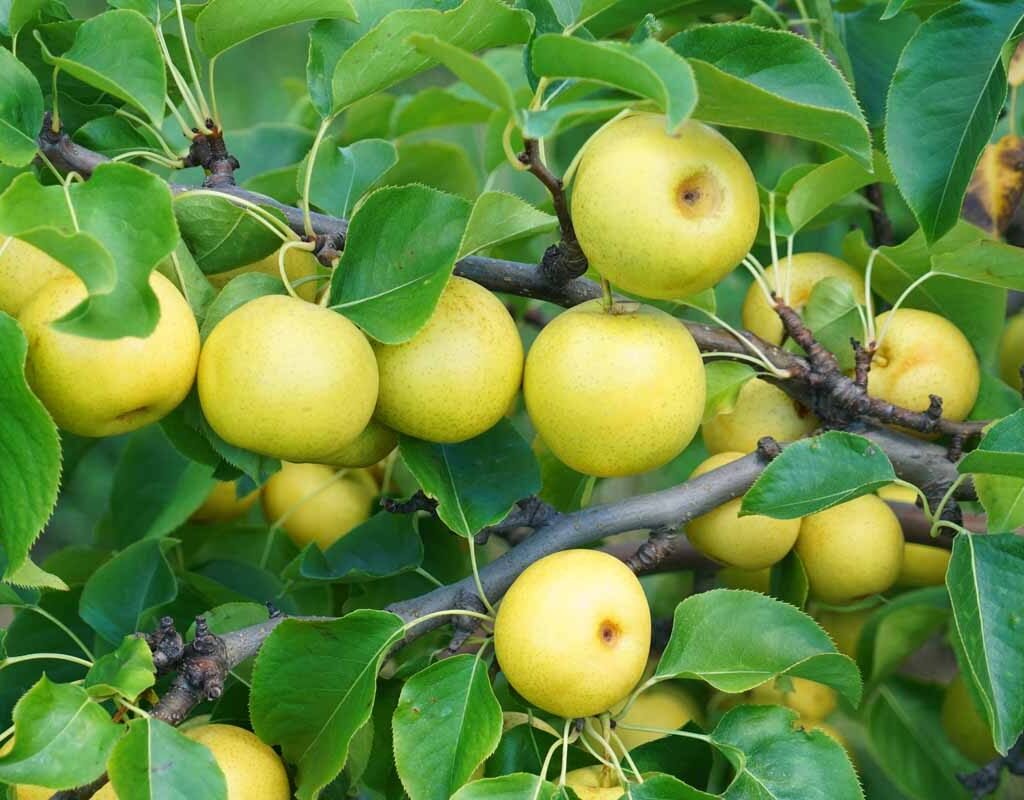
One of the exciting things about Asian pears is the wide variety available. Here are a few popular types worth growing at home:

  1. Hosui: Known for its bronze skin and exceptional juiciness, Hosui pears are sweet, crisp, and aromatic. They ripen early in the season.
  2. Shinseiki: A yellow-skinned variety that’s easy to grow and produces abundantly. Its fruit has a smooth texture and mild sweetness.
  3. Kosui: Another bronze-skinned favorite with a strong fragrance and honey-like flavor.
  4. 20th Century (Nijisseiki): Perhaps the most famous Japanese variety, known for its perfect round shape and balanced sweetness.
  5. Chojuro: A russet-colored pear with rich flavor, excellent for eating fresh or canning.
  6. Ya Li: A Chinese variety with a more elongated shape and a delicate, refreshing taste.

Each of these varieties has slightly different ripening times, flavors, and textures—so you can choose one that suits your climate and taste preferences.


How to Grow Asian Pear Trees at Home
Growing Asian pears is easier than you might think. They’re hardy, adaptable, and productive when given the right care. Here’s a complete step-by-step guide to help you get started:

1. Choose the Right Planting Site

Asian pear trees need full sun—at least six to eight hours daily. Select a site with well-draining soil, as pears dislike “wet feet.” A slightly loamy or sandy soil with good organic content is ideal.

Avoid frost pockets or low-lying areas where cold air settles, as this can damage blossoms in spring.

2. Planting the Tree

Plant your tree in early spring or fall. Dig a hole twice the width of the root ball but only as deep as its height. This allows the roots to spread easily while preventing the tree from sinking too deep.

Place the tree so that the graft union (the swollen part above the roots) is 2–3 inches above the soil line. Backfill with native soil mixed with compost, tamp down gently, and water thoroughly to remove air pockets.

3. Watering and Mulching

Young Asian pear trees need consistent moisture. Water deeply once or twice a week during dry spells, especially in the first year. Apply a 2–3 inch mulch layer around the base to conserve moisture and prevent weeds, but keep it a few inches away from the trunk.

4. Fertilizing

Feed your tree in early spring with a balanced organic fertilizer (such as 10-10-10). Avoid overfertilizing, as this can cause excessive leafy growth instead of fruit production. A yearly top-dressing of compost is often enough for mature trees.

5. Pruning for Shape and Health

Pruning is essential for light penetration, air circulation, and fruit quality. Prune in late winter or early spring before new growth begins. Aim for an open-center shape (similar to peach trees), removing crowded or inward-facing branches.

Also, thin out some developing fruits in summer—leaving one pear every 4–6 inches on a branch—to ensure larger, healthier fruit.

6. Pollination and Fruit Set

Most Asian pear varieties are partially self-fertile, meaning they can produce some fruit on their own. However, for best yields, plant two different varieties that bloom around the same time. Pollinators like bees play a crucial role, so avoid heavy pesticide use during flowering.


Managing Pests and Diseases
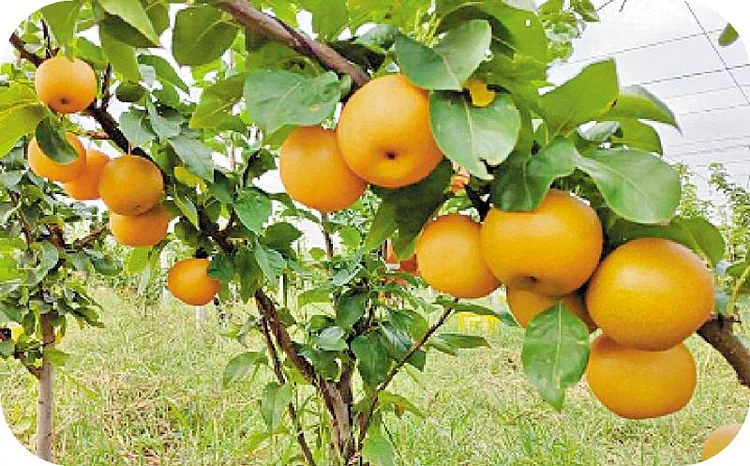
Asian pears are generally hardy, but they can still face occasional issues. Here’s how to manage common ones naturally:

  • Fire Blight: This bacterial disease can affect blossoms and shoots. Prune infected branches well below the damaged area and sterilize tools between cuts.
  • Pear Psylla: These tiny insects feed on sap, causing sticky honeydew residue. Neem oil or insecticidal soap sprays work effectively.
  • Codling Moth: Protect ripening fruit with mesh bags or pheromone traps.
  • Fungal Leaf Spots: Good air circulation and removing fallen leaves help prevent fungal buildup.

By maintaining clean garden practices and encouraging beneficial insects, you can keep your trees healthy without harsh chemicals.


When and How to Harvest Asian Pears

One of the greatest joys of growing Asian pears is harvesting them at peak perfection. Unlike European pears that ripen off the tree, Asian pears ripen on the tree—ready to eat as soon as they’re picked.

Here’s how to tell they’re ready:

  • The skin color changes from green to golden or bronze.
  • The fruit emits a sweet aroma.
  • A gentle twist should easily separate the pear from the branch.

Handle them carefully—Asian pears bruise easily due to their high water content. Store them in a cool, dry place for up to a month or refrigerate them for longer freshness.


Enjoying the Fruits of Your Labor

Asian pears are incredibly versatile. You can enjoy them fresh, chilled, or sliced into salads for a juicy crunch. They also pair wonderfully with cheeses, cured meats, or yogurt for a gourmet snack.

In the kitchen, they can be used in desserts, jams, or even savory dishes—adding a natural sweetness and refreshing texture. In Asian cuisine, they’re often used to tenderize meat in marinades due to their natural enzymes.

For long-term storage, consider dehydrating slices or canning them in light syrup. The fruit’s natural sugar content ensures it retains flavor beautifully.


Why You Should Try Growing Asian Pears

If you’ve been looking for a fruit tree that’s beautiful, productive, and out of the ordinary, Asian pears are a perfect choice. Here’s why gardeners love them:

  • Unique Texture and Taste: A crisp, refreshing bite that’s unlike any other fruit.
  • Long Shelf Life: They stay fresh for weeks after harvest—no need for rapid consumption.
  • Heavy Yields: Mature trees can produce dozens of pounds of fruit each season.
  • Beautiful Trees: Lovely spring blossoms and decorative foliage make them excellent landscape features.
  • Cold Hardy and Adaptable: Many varieties thrive in USDA zones 5–9.

Whether you have a small backyard or a larger homestead orchard, Asian pears are a valuable addition that’s both ornamental and fruitful.


Final Thoughts

Asian pears are truly one of the most rewarding and rare fruits you can grow at home. Their perfect balance of sweetness, crispness, and juiciness makes them a standout in any garden. Plus, they’re easy to care for, productive, and adaptable to various climates.

By choosing the right variety, following good planting practices, and providing consistent care, you’ll soon enjoy baskets of beautiful, golden fruit right from your own backyard. Once you taste your first homegrown Asian pear, you’ll understand why gardeners around the world call it “the ultimate rare fruit you must try growing!”
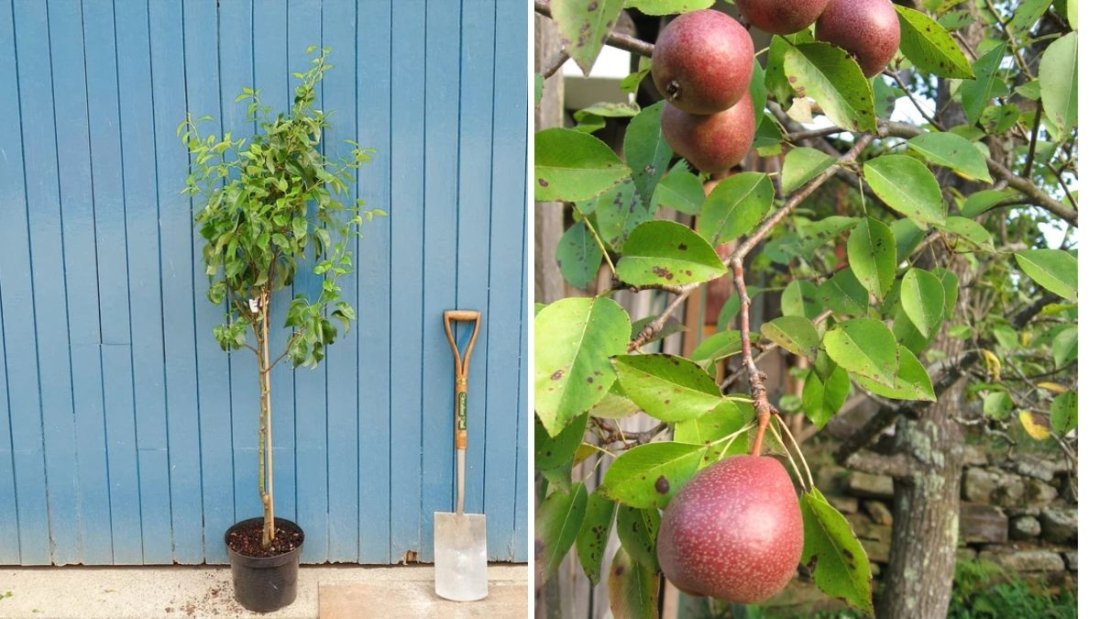
Seckel Pear Tree Update: A Complete Guide to the Plug and Play Planting Method

Seckel Pear Tree Update: A Complete Guide to the Plug and Play Planting Method

Growing your own fruit trees at home is one of the most rewarding gardening experiences, especially when it involves a classic variety like the Seckel pear. Known as the “sugar pear,” this small but mighty fruit is loved for its sweet flavor, crisp texture, and compact size—perfect for fresh eating, canning, or desserts.
In this post, we’ll dive deep into the Seckel Pear Tree Update using the Plug and Play Planting Method—a simple, effective way to establish a thriving pear tree in your backyard or orchard. Whether you’re an experienced gardener or just getting started with home fruit growing, this detailed guide will help you understand the process, the progress, and how to keep your Seckel pear tree healthy and productive for years to come.


What Makes the Seckel Pear So Special?

The Seckel pear (Pyrus communis) is a small dessert pear that originated in Pennsylvania in the late 1700s. Often called the “sugar pear,” its naturally sweet flavor sets it apart from other varieties. Unlike larger European pears such as Bartlett or Bosc, Seckel pears are petite and firm, making them ideal for snacking, lunchboxes, and gourmet dishes.

A mature Seckel pear tree produces fruit that’s yellow-green with a rosy blush, offering both beauty and function in the garden. The tree itself is moderately sized—perfect for small yards or backyard orchards. Additionally, it’s hardy, disease-resistant, and self-fertile, though it will produce better yields when cross-pollinated with another pear variety.


Understanding the Plug and Play Planting Method

The “Plug and Play” planting method is a modern approach that simplifies fruit tree establishment. Unlike traditional planting that involves extensive digging, soil amending, and staking, this method focuses on quick, efficient planting with minimal stress to the tree.

Here’s what makes the Plug and Play method so effective for a Seckel pear tree:

  1. Pre-grown Root Systems:
    The tree is typically started in a controlled environment where roots are well-developed and compact, making transplanting easy.
  2. Minimal Soil Disturbance:
    Instead of digging a large hole, you simply create a space that matches the root plug’s size, ensuring the tree transitions smoothly into its new environment.
  3. Efficient Water and Nutrient Uptake:
    Since the root system remains largely undisturbed, the tree quickly adapts and begins absorbing nutrients right away.
  4. Faster Growth and Establishment:
    The reduced transplant shock helps the tree establish itself faster, leading to quicker growth and earlier fruiting.

This method is especially useful for gardeners who want reliable results without complicated soil preparation or for those planting multiple trees in an orchard setup.


Step-by-Step: Plug and Play Planting of a Seckel Pear Tree

1. Choose the Right Location

Seckel pear trees love full sun—at least six to eight hours of direct light daily. Choose a site with well-draining soil and good air circulation. Avoid low-lying areas where frost or standing water can affect root growth.

2. Prepare the Planting Hole

Instead of the traditional wide and deep hole, dig just enough to fit the plug or root ball snugly. The idea is to minimize disturbance while ensuring the roots have immediate contact with the surrounding soil.

3. Check the Root System

When removing the tree from its pot, inspect the roots. If they appear tightly coiled, gently loosen them. Healthy roots should spread naturally from the base.

4. Planting Depth

Position the tree so the graft union (the swollen area above the roots) sits just above the soil line. Planting too deep can lead to rot or graft failure.

5. Backfill and Water Thoroughly

Backfill the hole using native soil mixed with compost if necessary. Water generously to help the soil settle around the roots. This first watering is crucial to remove air pockets and promote strong root-to-soil contact.

6. Mulch and Protect

Apply a 2-3 inch layer of organic mulch—like straw, wood chips, or compost—around the base, keeping it a few inches away from the trunk. Mulch helps retain moisture, suppress weeds, and regulate soil temperature.

If you live in an area with deer or rodents, consider installing a tree guard or wire mesh to protect the young trunk.


Caring for Your Seckel Pear Tree After Planting

Once planted, your Seckel pear tree will require regular attention, especially in the first year. Here’s how to keep it healthy and growing:

1. Watering:

Consistent moisture is key. During the first season, water deeply once or twice a week, depending on rainfall and soil type. Overwatering should be avoided, as pear trees dislike soggy roots.

2. Fertilizing:

In early spring, apply a balanced organic fertilizer or compost to promote healthy growth. Avoid excessive nitrogen, as it encourages leaf growth at the expense of fruiting.

3. Pruning:

Prune your Seckel pear tree during late winter or early spring before new growth starts. Remove dead or crossing branches, and shape the canopy for good air circulation. This encourages strong structure and prevents disease.

4. Pest and Disease Management:

Seckel pear trees are relatively resistant to common pear diseases like fire blight, but regular inspection is important. Keep an eye out for aphids, pear psylla, or leaf spot. Use organic pest control methods when possible.

5. Mulching and Weeding:

Maintain your mulch layer and keep the area around the tree weed-free. Competing weeds can steal nutrients and water from young trees.


Growth and Seasonal Updates

In the first year after planting using the Plug and Play method, your Seckel pear tree will focus primarily on root establishment. You may notice modest top growth, but that’s a good sign—the roots are developing a strong foundation.

By the second year, expect noticeable branching and the first signs of blossoms. While it can be tempting to let the tree fruit early, it’s often better to remove the first year’s blossoms to allow more energy for growth.

By the third or fourth year, you’ll likely start seeing a rewarding yield of small, sweet Seckel pears. Mature trees can produce abundant crops annually, often bearing hundreds of fruits once fully established.


Harvesting and Storing Seckel Pears

Seckel pears typically ripen in late summer to early fall. The fruit is small—about 2 inches long—but packed with flavor. The best way to determine ripeness is by checking the firmness and color. The skin turns yellow-green with a soft red blush when ready.

Unlike other pears that ripen off the tree, Seckel pears can be enjoyed directly after picking. They store well for several weeks in a cool, dry place or even longer in the refrigerator. For extended preservation, consider canning, poaching, or drying the fruit.


Benefits of Growing Seckel Pear Trees

Growing a Seckel pear tree isn’t just about enjoying its sweet fruit—it’s also about creating a sustainable, beautiful, and productive space in your garden. Here are some benefits:

  • Compact Size: Perfect for small gardens or backyard orchards.
  • Cold Hardy: Performs well in USDA zones 5–8.
  • Low Maintenance: Naturally resistant to pests and diseases.
  • Beautiful Blooms: White spring blossoms attract pollinators like bees.
  • Versatile Fruit: Ideal for fresh eating, preserving, and baking.

Final Thoughts: Why the Plug and Play Method Works for Seckel Pears

The Plug and Play Planting Method simplifies what used to be a complex process. By minimizing root disturbance and ensuring immediate soil contact, it helps the Seckel pear tree settle in quickly and start thriving faster than traditional planting methods.

For home gardeners, this means less guesswork and more growth. And for orchard enthusiasts, it offers a reliable way to establish uniform, healthy trees across multiple planting sites.

If you’re looking for a sweet, hardy, and low-maintenance fruit tree to add to your collection, the Seckel pear—combined with the Plug and Play planting approach—is a winning choice. You’ll enjoy years of delicious harvests and the satisfaction of growing one of America’s oldest and finest pear varieties right in your backyard.


Discovering the Doyenne du Comice Pear: A Jewel of the Organic Orchard

Discovering the Doyenne du Comice Pear: A Jewel of the Organic Orchard

If you’ve ever wandered through an orchard in late summer and caught sight of a heavy-laden pear tree, chances are you’ve experienced one of nature’s sweetest gifts. Among the many pear varieties celebrated by fruit lovers, one stands apart for its exceptional flavor and elegance — the Doyenne du Comice pear. Known simply as Comice, this classic variety is often regarded as the “Queen of Pears.” In mid-August, when the orchard hums with life, the Comice begins to show its splendor — firm yet fragrant, promising a melt-in-your-mouth experience unlike any other.

This article takes you into the world of the Doyenne du Comice pear, exploring its origins, growing conditions, care, and the joy it brings to a no-dig organic orchard.


A Brief History of the Doyenne du Comice Pear

The Doyenne du Comice pear has deep European roots. It was first developed in France in the 1840s, at the Comice Horticole in Angers, a society of horticulturists dedicated to breeding exceptional fruit trees. The name itself reflects this origin — “Doyenne du Comice” meaning “Dean of the Horticultural Society.”

By the late 19th century, the variety had spread across Europe and into the United States, quickly becoming a favorite for both orchardists and fruit connoisseurs. Its reputation for a creamy texture and rich, honey-like sweetness earned it a place among the most luxurious pears, often featured in gourmet baskets and holiday fruit boxes.

Even today, the Comice pear stands as a symbol of orchard excellence — not just for its flavor but for its embodiment of careful cultivation and respect for nature’s rhythm.


Appearance and Taste: What Makes the Comice Pear Special

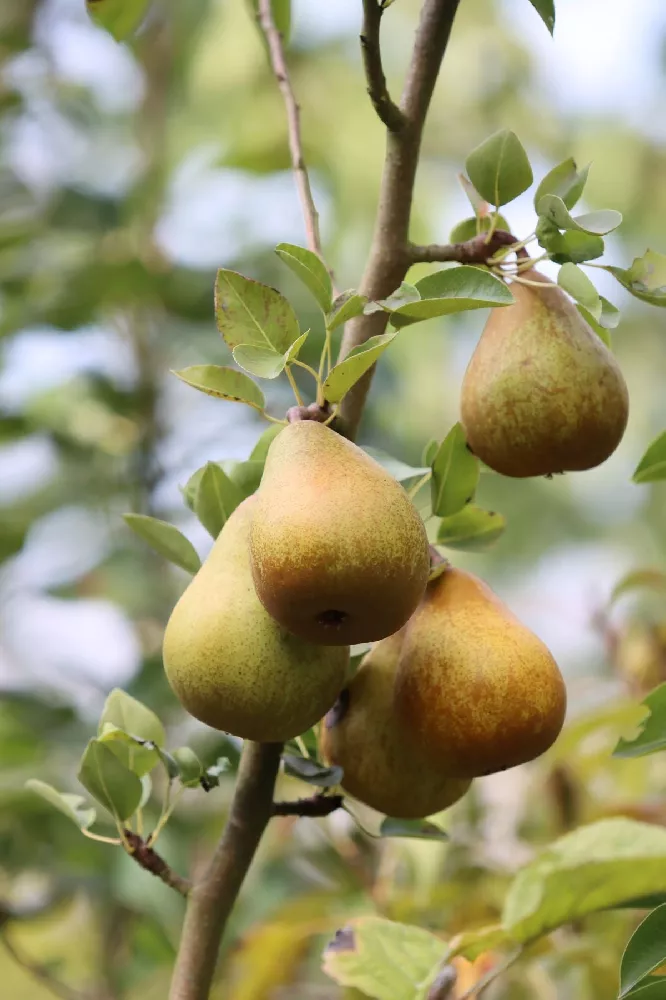
In mid-August, the Doyenne du Comice tree begins to showcase its beauty. The pears hang gracefully from sturdy branches, displaying a classic pear shape — rounded at the base, tapering elegantly toward the top.

When mature, the skin takes on shades of greenish-yellow with a soft blush of red on the sun-exposed side. Unlike other pears that may have a grainy or firm texture, the Comice pear offers something truly distinct — its buttery, almost custard-like flesh that practically melts on the tongue.

The flavor is sweet yet delicately balanced, often described as having hints of honey, vanilla, and floral notes. It’s a pear that doesn’t demand companions — it’s perfect as it is, eaten fresh and ripened to perfection. However, it also pairs beautifully with cheeses like Brie or Gorgonzola, or when served alongside nuts and wine in a charcuterie setting.


Growing the Doyenne du Comice: An Organic Orchard Approach

Growing the Doyenne du Comice pear requires patience, care, and the right conditions, but the rewards are immense. In a no-dig organic orchard, this variety thrives with minimal soil disturbance and maximum biodiversity.

Let’s break down the essentials for growing Comice pears organically:

1. Choosing the Right Location

Comice pear trees prefer full sunlight and well-drained soil rich in organic matter. Because pears are susceptible to root rot in overly wet conditions, planting them in slightly elevated ground or raised mounds helps improve drainage.

2. Soil Preparation – The No-Dig Method

In a no-dig orchard, the soil ecosystem is preserved. Instead of tilling, gardeners build fertility through mulching, composting, and ground cover crops. Layers of organic matter — such as composted leaves, straw, or manure — create a living, breathable soil teeming with beneficial microbes and worms. This healthy soil network supports strong pear tree roots and promotes natural pest resistance.

3. Pollination Partners

The Doyenne du Comice is partially self-fertile, but for the best yields, it benefits from nearby pollinators. Ideal companions include Conference, Bosc, or Williams (Bartlett) pear varieties. Bees and other beneficial insects play a crucial role, which makes an organic setting — free from harmful chemicals — the perfect home for this pear.

4. Watering and Mulching

Regular, deep watering is key during the establishment phase. Once mature, Comice pears can handle short dry periods but appreciate consistent moisture. A thick mulch layer of wood chips or straw around the base helps retain water, regulate soil temperature, and suppress weeds.

5. Pruning for Shape and Health

Like all fruit trees, Comice pears need annual pruning to encourage light penetration and airflow. In a no-dig orchard, pruning is kept natural — removing only crossing or diseased branches while maintaining an open, vase-like shape. This balance reduces the risk of fungal issues and improves fruit quality.


The Beauty of the Comice Pear Tree in Mid-August

In mid-August, when much of the orchard is vibrant and full, the Comice pear is in its pre-harvest glory. The leaves glisten under the warm sun, and the branches bow slightly under the weight of developing fruit.

At this stage, the pears are firm and green, still ripening on the tree. As the days shorten and temperatures begin to dip, their skin develops a faint yellow blush, signaling the approach of the harvest season. For many orchardists, this period is magical — a moment that captures the harmony of nature’s cycle.

Pollinators hum nearby, soil organisms are at work, and the trees stand as living testaments to sustainable cultivation. The orchard floor, layered with mulch and clover, stays cool and moist, reducing the need for irrigation.


Harvesting and Ripening the Doyenne du Comice Pear

Unlike apples, pears — including Comice — are best harvested before they fully ripen on the tree. If left too long, they can become overripe and mealy. The key is to pick them when they’re mature but still firm, then allow them to ripen off the tree.

Here’s how to do it right:

  1. Harvest Timing: Typically, this happens in early to mid-September, depending on climate. The fruit should detach easily when lifted gently.
  2. Ripening: Store the pears at room temperature for a few days. The Comice will transform — the skin softens, the flesh becomes buttery, and the aroma turns sweetly floral.
  3. Storage: Once ripe, keep them in the refrigerator to extend shelf life. Comice pears can last up to two weeks if stored properly.

Enjoying the Flavor of Comice Pears

Few fruits rival the sensory pleasure of biting into a perfectly ripened Comice pear. The flesh yields gently, releasing a rush of sweet, nectar-like juice. Whether enjoyed fresh, baked in a tart, or paired with soft cheese, it’s a treat that celebrates both simplicity and sophistication.

Serving ideas include:

  • Fresh slices with aged cheddar or Brie
  • Poached Comice pears in honey or red wine for a decadent dessert
  • Pear and arugula salad with walnuts and balsamic glaze
  • Comice pear jam or compote for winter enjoyment

In France, where the variety originated, the Doyenne du Comice often graces holiday tables, reminding families of the orchard’s generosity and the sweetness of seasonal living.


The Legacy of No-Dig Organic Orcharding

The video showcasing the Doyenne du Comice pear in a no-dig organic orchard captures more than just the fruit’s beauty — it reflects a philosophy. A no-dig approach honors the soil as a living system rather than something to be conquered.

By avoiding mechanical tilling, preserving fungal networks, and relying on natural composts, gardeners nurture ecosystems that sustain themselves. The result? Healthier trees, richer flavor, and resilience against pests and disease.

This method aligns perfectly with the slow, patient nature of pear growing — letting nature work in harmony, not against it.


Final Thoughts

The Doyenne du Comice pear is not just another fruit tree — it’s a timeless heirloom, an example of what happens when humans work alongside nature instead of controlling it. Its lush texture, fragrant aroma, and buttery flavor have enchanted orchardists for generations.

Whether you’re an experienced grower or simply someone who appreciates the magic of homegrown fruit, the Comice pear embodies the heart of organic gardening — patience, care, and respect for life.

In mid-August, as these trees flourish under the summer sun, they remind us that great rewards come to those who nurture the earth thoughtfully. The Doyenne du Comice pear isn’t just grown — it’s crafted by nature and care, a sweet masterpiece of the orchard.

Growing the Stark Brothers Anjou Pear Tree: Your Complete Guide to Cultivating Juicy, Flavorful Pears at Home

Growing the Stark Brothers Anjou Pear Tree: Your Complete Guide to Cultivating Juicy, Flavorful Pears at Home

When it comes to reliable, sweet, and juicy pears, the Anjou pear stands out as a true favorite among fruit lovers and gardeners alike. Known for its smooth green or red skin, delicate flavor, and firm yet buttery texture, the Anjou pear (pronounced Ahn-joo) is one of the most versatile pears you can grow.

The Stark Brothers Anjou Pear Tree, offered by the legendary Stark Bro’s Nursery—a name trusted by American gardeners for over 200 years—is a proven performer that brings both beauty and bounty to your garden. Hardy, productive, and low-maintenance, this pear tree produces an abundance of fruit perfect for fresh eating, baking, and preserving.

In this guide, we’ll walk you through everything you need to know about growing your own Stark Brothers Anjou Pear Tree—from planting and care to harvest and beyond.


1. Meet the Anjou Pear: A Fruit of Subtle Elegance

The Anjou pear (Pyrus communis ‘Anjou’) originated in France and quickly gained popularity across Europe before making its way to North America. Today, it’s one of the most widely grown pear varieties in the United States—especially prized for its long storage life, smooth skin, and delicate sweetness that intensifies as it ripens.

There are two main types:

  • Green Anjou: Classic and widely known, with bright green skin that turns slightly yellow when ripe.
  • Red Anjou: A natural mutation of the green type, offering the same flavor but with stunning deep red skin—great for ornamental appeal.

Both varieties share a mild, refreshing sweetness and a hint of citrus flavor, making them excellent for eating fresh, slicing into salads, or baking into tarts and crisps.


2. Why Choose Stark Brothers Anjou Pear Tree?

Stark Bro’s has a long-standing reputation for producing high-quality, disease-resistant, and productive fruit trees. Their Anjou pear trees are grafted on hardy rootstocks, ensuring strong growth, early bearing, and adaptability to a wide range of soil and climate conditions.

Here’s what makes the Stark Brothers Anjou pear tree special:

  • Cold-hardy and adaptable from USDA Zones 5–8.
  • Reliable producer, yielding abundant crops once established.
  • Beautiful spring blossoms that attract pollinators.
  • Excellent storage life, with pears that can last up to 3 months in cool storage.
  • Versatile fruit—great for fresh eating, canning, and cooking.

Whether you’re planting one in your backyard or adding it to a small orchard, the Stark Brothers Anjou pear tree offers both aesthetic charm and practical rewards.


3. Choosing the Perfect Spot for Your Pear Tree

Like all fruit trees, Anjou pears thrive best when planted in the right location. Here’s what to look for:

a. Sunlight

Anjou pear trees love full sun—at least 6–8 hours of direct sunlight daily. More sunlight means more blossoms and better fruit development.

b. Soil

Choose well-draining, loamy soil that’s rich in organic matter. Pears dislike soggy roots, so avoid low spots where water collects. Ideal soil pH: 6.0 to 7.0.

c. Air Circulation

Good airflow helps prevent fungal diseases like fire blight. Avoid planting too close to fences or other trees—leave at least 15–20 feet of space around your tree.


4. When and How to Plant the Stark Brothers Anjou Pear Tree

Best Time to Plant

Plant your Anjou pear tree in early spring after the danger of frost has passed or in late fall before the ground freezes. This gives roots time to establish before active growth begins.

Step-by-Step Planting Guide

  1. Prepare the Site:
    Loosen the soil in an area about 3 feet wide and 2 feet deep to help roots spread easily.
  2. Dig the Hole:
    Make a hole twice as wide and the same depth as the root ball.
  3. Position the Tree:
    Place your tree so the graft union (the swollen part near the base) sits about 2 inches above the soil line.
  4. Backfill the Hole:
    Fill halfway with soil, water to remove air pockets, then finish filling and gently tamp down.
  5. Water Thoroughly:
    Give your tree a deep watering to help settle it in.
  6. Add Mulch:
    Apply a 2–3 inch layer of mulch around the base, keeping it away from the trunk. Mulch conserves moisture and prevents weeds.

Spacing

  • Standard trees: 20–25 feet apart.
  • Semi-dwarf trees: 12–15 feet apart.
  • Dwarf trees: 8–10 feet apart.

5. Pollination: The Secret to a Bountiful Harvest

Anjou pear trees are not self-pollinating, meaning they need another European pear variety nearby to produce fruit.

Ideal pollination partners include:

  • Bartlett Pear
  • Bosc Pear
  • Comice Pear

Plant them within 50–100 feet to allow bees to transfer pollen effectively. Without a compatible pollinator, your Anjou pear tree may flower beautifully but yield little or no fruit.


6. Watering and Feeding for Healthy Growth

Watering

  • First Year: Water deeply once or twice per week during dry weather.
  • Established Trees: Water every 10–14 days during dry periods.

Deep watering encourages roots to grow downward and strengthens the tree’s structure. Avoid frequent, shallow watering—it promotes weak roots.

Feeding

  • Apply a balanced fertilizer (10-10-10) or organic compost in early spring before new growth begins.
  • Avoid over-fertilizing; too much nitrogen causes leafy growth instead of flowers and fruit.

7. Pruning and Training Your Anjou Pear Tree

Pruning shapes your tree, encourages air circulation, and improves fruit quality.

When to Prune

  • Late winter or early spring (while dormant) is ideal.

How to Prune

  • Use the central leader system (one main trunk with evenly spaced side branches).
  • Remove dead, diseased, or crossing branches.
  • Thin crowded limbs to allow light into the canopy.

Tip:

Once fruit sets, thin clusters to one or two pears per spur to improve size and flavor while preventing branches from breaking under heavy loads.


8. Blooming, Fruit Development, and Harvest Time

Anjou pear trees bloom in mid to late spring, producing clusters of white blossoms that fill the garden with a sweet fragrance. These flowers attract bees and other pollinators, setting the stage for a fall harvest.

Fruit Development

After pollination, small green pears begin forming and grow through summer. Anjou pears typically ripen in late September to October, depending on your region.

Harvesting

Anjou pears should be picked before they fully ripen on the tree. They ripen best off the tree at room temperature.

How to tell when to harvest:

  • The skin color turns from deep green to light green (or red for red varieties).
  • The fruit feels firm but separates easily from the branch when lifted and twisted gently.

After harvest, let pears ripen indoors for 5–7 days. When the neck yields slightly to gentle pressure, they’re ready to eat—sweet, juicy, and aromatic.


9. Common Pear Tree Problems and Natural Solutions

Even with the best care, pear trees can encounter pests and diseases. Fortunately, most issues are manageable with good practices.

  • Fire Blight: A bacterial infection causing blackened shoots. Prune infected branches well below the affected area and sterilize pruning tools after each cut.
  • Pear Psylla: Tiny sap-sucking insects that weaken trees. Use neem oil or insecticidal soap.
  • Codling Moth: A common pest in fruit trees; use pheromone traps or kaolin clay to deter them.
  • Fungal Diseases: Maintain good air circulation and avoid overhead watering.

Healthy, well-pruned trees resist most diseases naturally.


10. Storing and Using Your Homegrown Anjou Pears

One of the Anjou pear’s greatest advantages is its excellent storage ability. When harvested slightly underripe and stored in a cool, dark place, they can last for 2–3 months without losing flavor.

Storage Tips:

  • Store in the refrigerator or a cool cellar (30–32°F).
  • Keep pears away from ethylene-producing fruits like apples or bananas to prevent over-ripening.

Culinary Uses:

  • Fresh Eating: Slice and enjoy their crisp, juicy texture.
  • Baking: Perfect for pies, crisps, and tarts.
  • Poaching: Their shape holds beautifully when cooked.
  • Salads: Combine with walnuts, blue cheese, or arugula for a gourmet touch.
  • Canning: Preserve the sweetness of your harvest for winter enjoyment.

11. Patience Pays Off: When Your Tree Will Bear Fruit

Most Stark Brothers Anjou pear trees begin bearing fruit within 4 to 6 years after planting. Once mature, they can produce hundreds of pears annually for decades. With the right care—proper pruning, watering, and pollination—you’ll enjoy consistent yields year after year.


Conclusion: A Lifetime of Sweet Rewards

Planting a Stark Brothers Anjou Pear Tree is an investment in both flavor and tradition. With its graceful spring blossoms, rich autumn harvest, and delectable fruit, this tree brings joy and abundance to your garden for generations.

Whether you choose the green or red variety, the Anjou pear’s smooth skin, mild sweetness, and long shelf life make it one of the most rewarding fruits you can grow.

So, grab your shovel, choose your sunny spot, and plant your own Stark Brothers Anjou pear tree today. In just a few seasons, you’ll be savoring homegrown pears that are not only delicious but also a testament to your care, patience, and love for gardening.

Bosc Pear Tree: How to Grow and Enjoy the Elegant, Honey-Sweet European Classic

Bosc Pear Tree: How to Grow and Enjoy the Elegant, Honey-Sweet European Classic

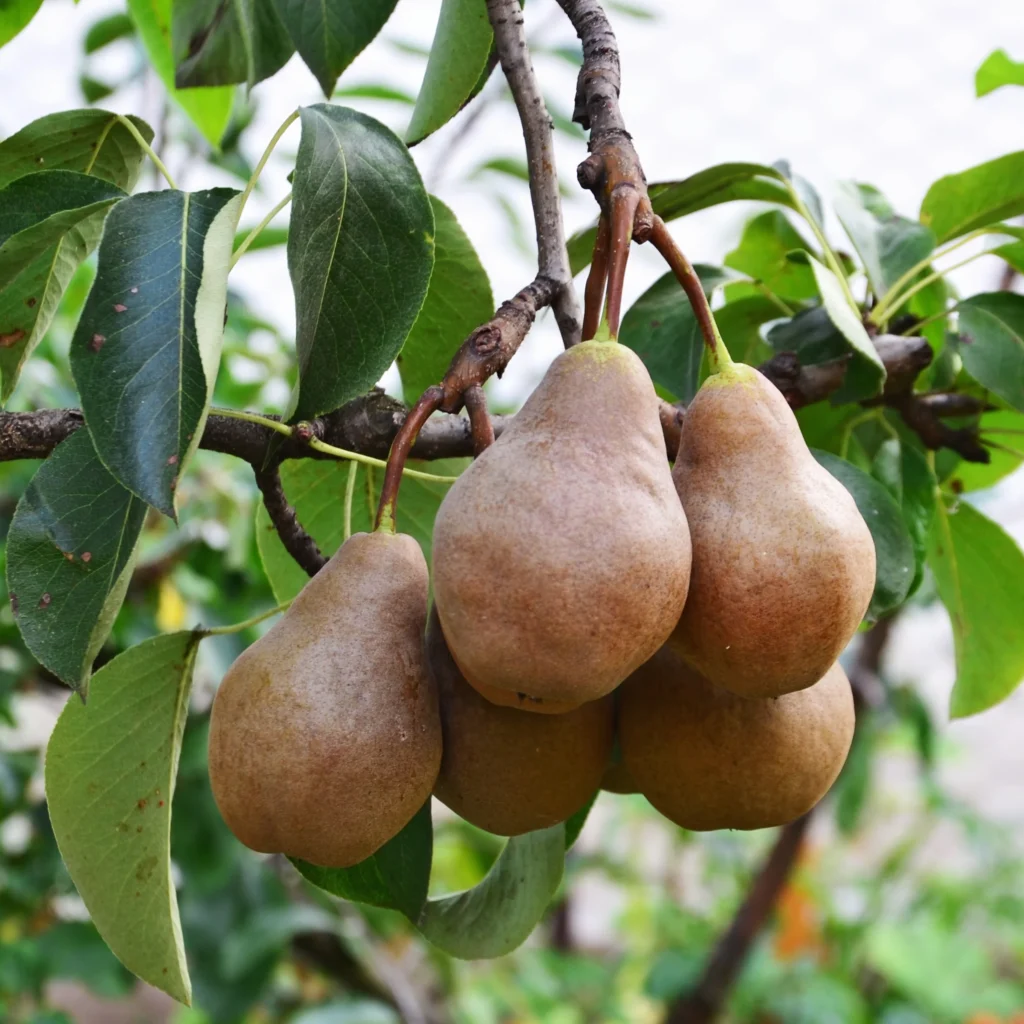
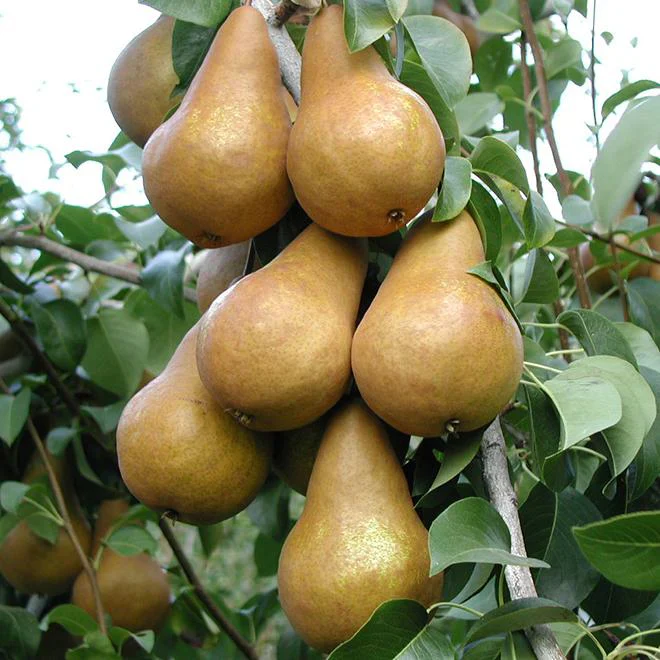
When it comes to elegance, flavor, and sophistication, few fruits can match the Bosc pear. With its long, graceful neck, russet-brown skin, and rich honey-like sweetness, the Bosc pear is often called the “aristocrat of pears.”

Featured by NatureHills.com, this European variety has become a favorite for home gardeners who value both beauty and taste in their backyard orchards. Its distinctive shape and complex flavor make it ideal for fresh eating, baking, and gourmet cooking. But beyond its refined appearance, the Bosc pear tree is a hardy, productive, and rewarding addition to any home garden.

In this comprehensive guide, we’ll explore everything you need to know about growing your own Bosc pear tree—from planting and pruning to harvesting and care tips that ensure years of delicious yields.


1. What Makes the Bosc Pear Special?

The Bosc pear (Pyrus communis ‘Bosc’) is a classic European variety that originated in France or Belgium during the early 1800s. Named after a famous horticulturist, Louis Bosc, this pear has stood the test of time for its distinctive spicy-sweet flavor, dense flesh, and golden-brown skin.

Unlike softer varieties such as Bartlett, the Bosc pear holds its shape beautifully when cooked, making it perfect for poaching, baking, and roasting. Its texture is firm yet juicy, with a subtle cinnamon-honey aroma that intensifies as it ripens.

In the garden, Bosc pear trees are equally remarkable. They produce a stunning display of white spring blossoms, followed by a late harvest of golden-brown fruits that hang elegantly from their branches—truly a sight to behold.


2. Choosing the Ideal Spot for Your Bosc Pear Tree

Like most fruit trees, the success of your Bosc pear depends heavily on where you plant it. Choosing the right location sets the stage for healthy growth and abundant harvests.

Sunlight

Bosc pears thrive in full sun, requiring at least 6–8 hours of direct light daily. This ensures strong branch development and sweet, flavorful fruit.

Soil

The ideal soil is well-draining, loamy, and fertile, with a pH between 6.0 and 7.0. Avoid clay-heavy soils that retain water, as pear roots dislike standing moisture.

Air Circulation

Good airflow helps prevent diseases such as fire blight. Give your pear tree plenty of room to grow—about 15–20 feet from other trees or large structures.

Cold Hardiness

Bosc pears perform best in USDA zones 5–8, where winters are cold enough for dormancy but not harsh enough to damage buds.


3. Selecting the Right Bosc Pear Tree

When buying a Bosc pear tree, look for healthy, disease-free stock from a reputable nursery like NatureHills.com. You’ll find several options, typically grafted onto different rootstocks:

  • Standard: Grows 20–25 feet tall, high yield, long lifespan.
  • Semi-dwarf: Reaches 12–15 feet, manageable for most home gardens.
  • Dwarf: Compact, around 8–10 feet, suitable for smaller yards or containers.

Choose one-year-old bare-root or container-grown trees with a strong central leader and no visible damage.


4. Planting Your Bosc Pear Tree

Best Time to Plant

Plant your Bosc pear tree in early spring (after the last frost) or late fall (before the ground freezes). Both seasons allow roots to establish before extreme weather hits.

Step-by-Step Planting Guide

  1. Dig the Hole: Make it twice as wide as the root ball and about the same depth.
  2. Loosen the Soil: Break up compacted soil around the edges to encourage root expansion.
  3. Position the Tree: Place the tree so the graft union sits 2 inches above the soil line.
  4. Backfill: Add soil halfway, water thoroughly to remove air pockets, then fill the rest.
  5. Water Deeply: Give the tree a generous soaking to help roots settle.
  6. Mulch: Apply a 2–3 inch layer of organic mulch around the base, keeping it away from the trunk.

Tip:

If you’re planting multiple trees, keep them 15–20 feet apart to allow proper spacing for sunlight and air movement.


5. Pollination and Fruit Production

While Bosc pear trees are not self-fertile, they’ll bear more fruit when cross-pollinated with another European pear variety that flowers at the same time.

Ideal pollination partners include:

  • Bartlett
  • Anjou
  • Comice
  • Seckel

Planting one of these within 50–100 feet ensures bees can transfer pollen effectively. Without a pollinator, your tree may bloom beautifully but yield few fruits.


6. Watering and Feeding for Strong Growth

Watering

  • Young Trees (1–2 years): Water deeply once or twice weekly during dry periods.
  • Mature Trees: Water deeply every 10–14 days in dry spells, especially during fruit development.

Avoid overwatering, which can lead to root rot. A deep soak encourages roots to grow downward and strengthens the tree.

Fertilizing

Feed your Bosc pear tree in early spring before new growth starts:

  • Use a balanced fertilizer (10-10-10) or organic compost.
  • Avoid over-fertilizing; too much nitrogen promotes leafy growth at the expense of fruit.

7. Pruning Your Bosc Pear Tree

Proper pruning helps shape your tree, prevent disease, and boost fruit quality.

When to Prune

  • Late winter or early spring (while dormant) is the best time to prune.
  • Avoid heavy summer pruning, as it can stimulate excessive new growth.

How to Prune

  • Establish a central leader structure with evenly spaced lateral branches.
  • Remove:
    • Dead, diseased, or damaged branches.
    • Any crossing or inward-growing limbs.
    • Water sprouts (thin, vertical shoots).

Keep the canopy open to allow sunlight to penetrate the center, which helps fruit ripen evenly.


8. Flowering, Pollination, and Fruit Development

In early to mid-spring, your Bosc pear tree will burst into clusters of white, fragrant blossoms—a sign that pollinators are about to get busy.

After successful pollination, small green fruits begin forming and grow steadily through summer. Bosc pears typically mature in late September to early October, depending on your climate.


9. Harvesting Bosc Pears

One of the unique things about Bosc pears is that they should be harvested before they’re fully ripe. Unlike many fruits, pears ripen from the inside out, and leaving them too long on the tree can make the center mushy.

How to Know When to Harvest:

  • The skin turns from greenish-brown to a rich, bronze hue.
  • The fruit feels firm but not hard.
  • The stem separates easily when lifted and twisted gently.

After picking, let them ripen indoors at room temperature for 5–7 days. You’ll know they’re ready when the neck yields slightly to gentle pressure.

Storage:

Store ripe Bosc pears in the refrigerator for up to 3 weeks, or preserve them by canning or drying.


10. Common Problems and Natural Solutions

Even healthy trees can face challenges. Here’s how to keep your Bosc pear tree thriving naturally:

  • Fire Blight: A bacterial disease causing blackened shoots. Prune infected branches 8–12 inches below the damage and disinfect tools between cuts.
  • Codling Moth & Pear Psylla: Control with neem oil or kaolin clay during early fruiting stages.
  • Rust & Scab: Prevent with good air circulation and dormant-season sprays of copper or sulfur.
  • Poor Fruit Set: Ensure proper pollination and avoid nitrogen-heavy fertilizers.

Healthy soil, balanced nutrition, and consistent pruning help your tree resist most pests and diseases naturally.


11. Culinary Uses: Why Chefs Love Bosc Pears

Bosc pears aren’t just beautiful—they’re culinary gold. Their firm, dense flesh holds up perfectly to heat, making them the go-to pear for baking and poaching.

Best Ways to Enjoy Bosc Pears:

  • Fresh: Slice and enjoy their crisp texture and spicy-sweet flavor.
  • Baked: Excellent in pies, tarts, and crumbles.
  • Poached: Their shape remains elegant and intact.
  • Grilled or Roasted: Pairs beautifully with honey, cinnamon, or balsamic glaze.
  • With Cheese: Perfect with blue cheese, brie, or aged cheddar for a sophisticated appetizer.

Each bite offers a balance of earthy sweetness and mild spice—a flavor that only deepens as the pear ripens.


12. The Reward: Years of Golden Harvests

Once established, a Bosc pear tree can live and produce fruit for 50 years or more with proper care. By the fourth or fifth year, you’ll start enjoying consistent harvests that only get better over time.

Each autumn, when your tree is heavy with golden, russeted pears, you’ll appreciate the patience and effort that went into planting it. And with their long storage life and exceptional flavor, Bosc pears will quickly become a highlight of your garden’s bounty.


Conclusion: Grow the Timeless Elegance of Bosc Pears in Your Garden

Planting a Bosc pear tree is more than just a gardening decision—it’s an invitation to experience one of nature’s finest fruits. From the stunning spring blooms to the fragrant, honey-sweet harvest, the Bosc pear brings both beauty and abundance to your backyard orchard.

With a little care, patience, and attention, you’ll enjoy decades of golden fruit, delicious memories, and a connection to the rich heritage of European pear growing.

So go ahead—dig that hole, plant your young Bosc pear tree, and look forward to the day you bite into your first homegrown pear. Its flavor will remind you why this variety has charmed gardeners and chefs alike for centuries.

I Planted This Red Grape in My Garden: A Journey from Vine to Harvest

I Planted This Red Grape in My Garden: A Journey from Vine to Harvest

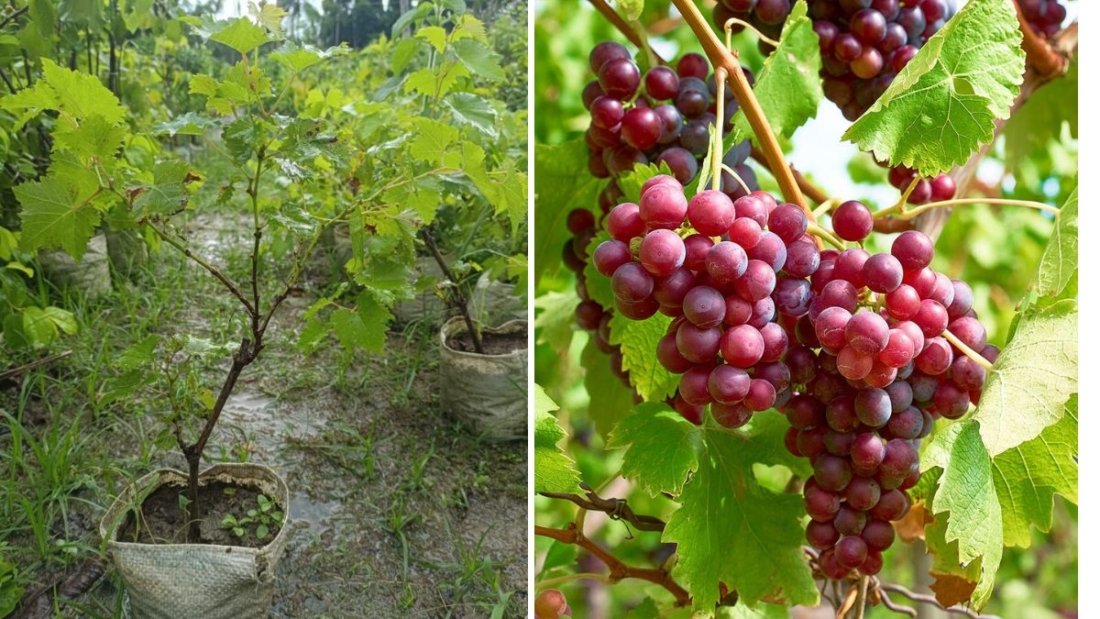
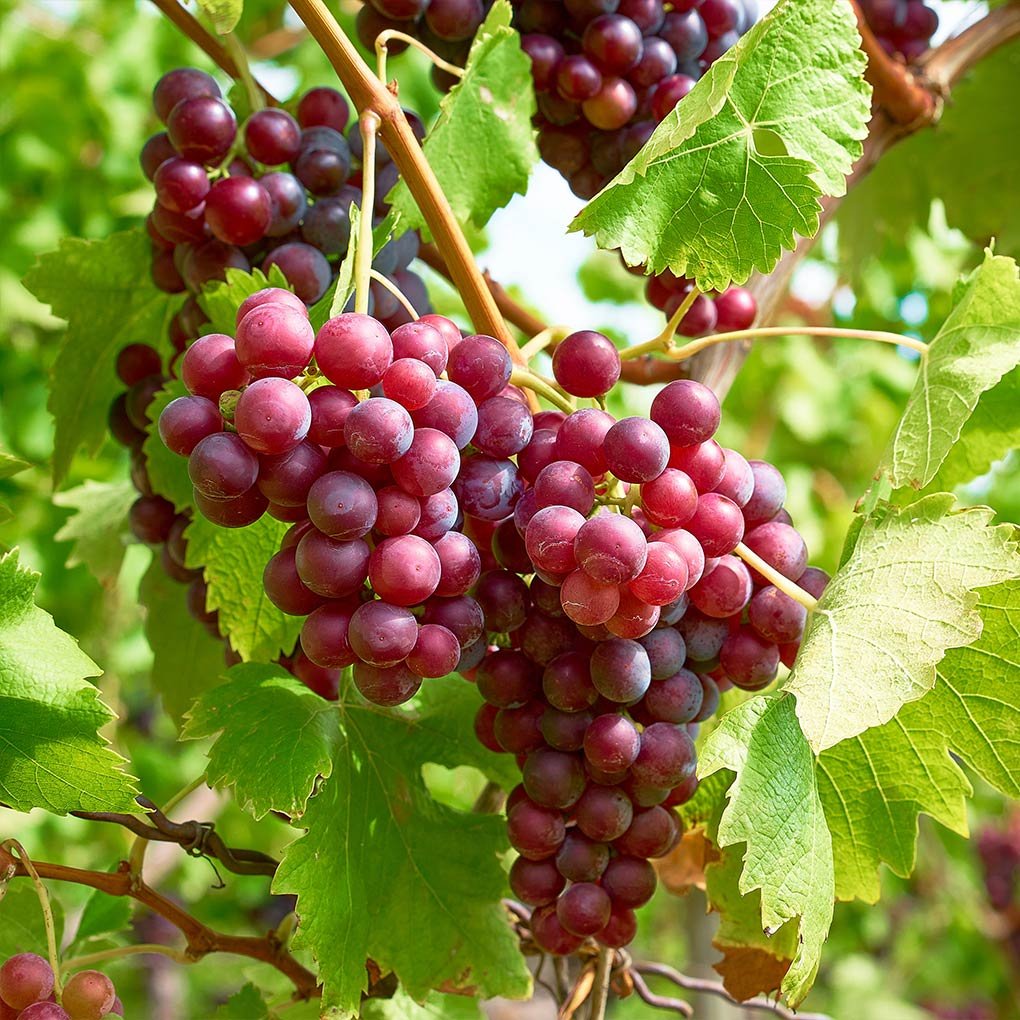
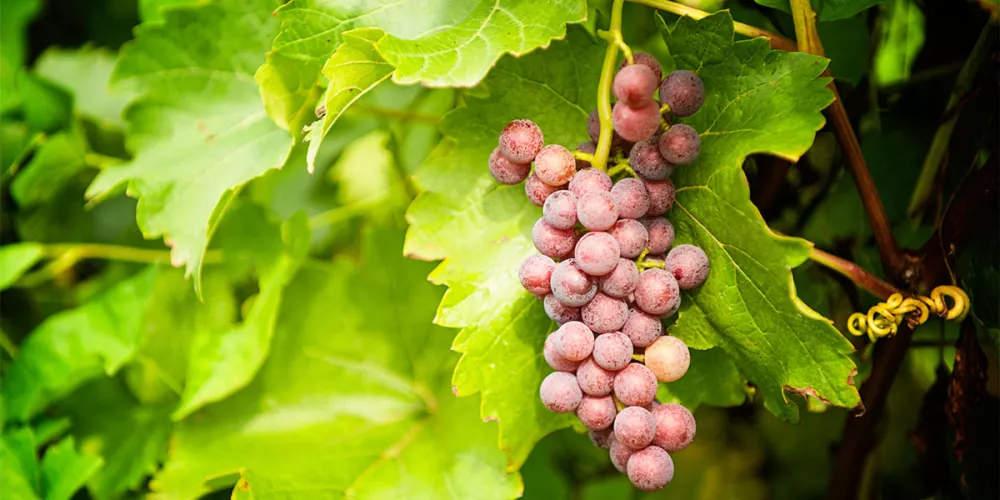
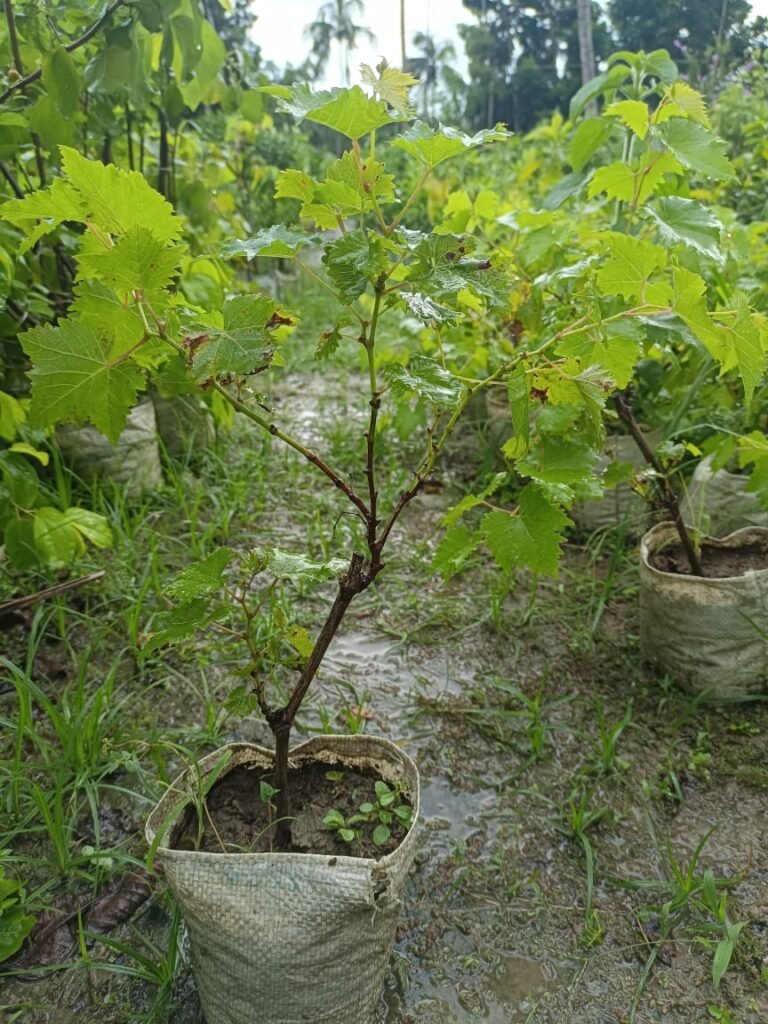
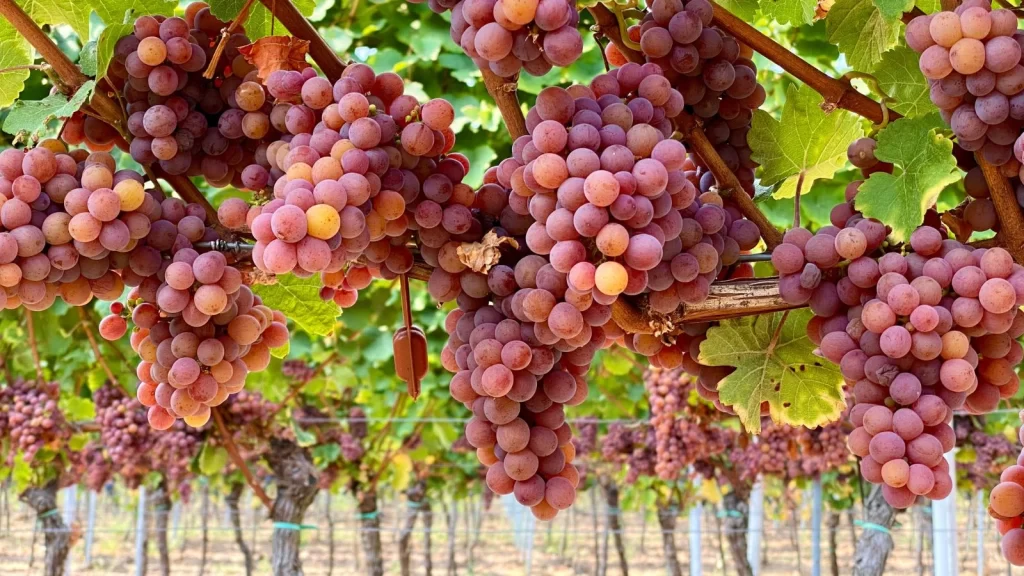
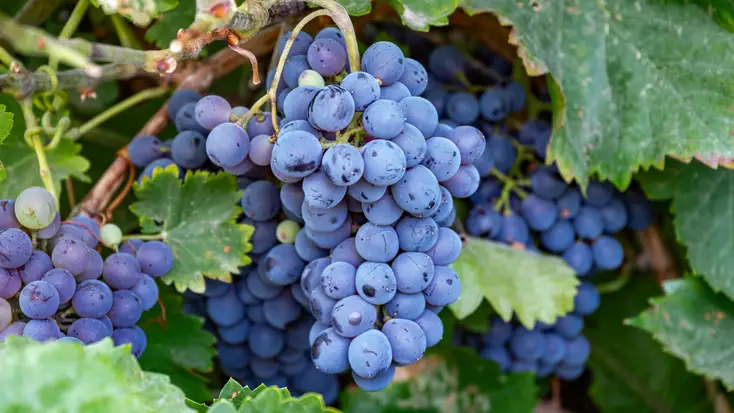
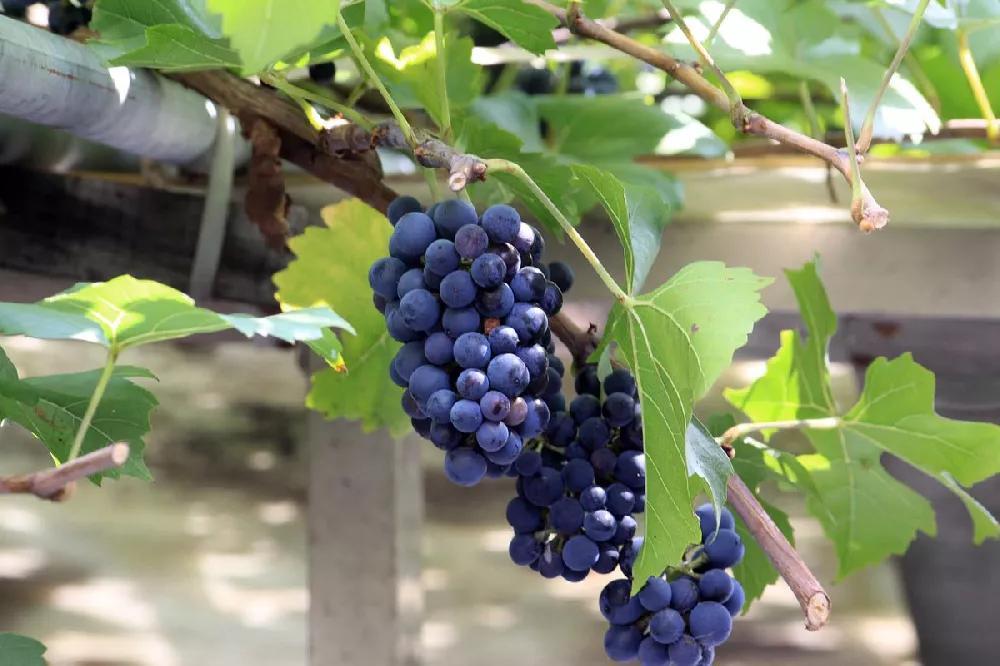
Planting a red grape vine in your own garden is like sowing a promise — a promise of rich color, sweet fruit, and endless beauty. The very moment you place that young vine into the soil, you’re starting a journey that connects you to nature’s rhythm. When I planted my red grape vine, I didn’t just add another plant to my garden — I began cultivating a living legacy that will reward me year after year with luscious clusters of crimson fruit.

In this article, I’ll share my complete experience and detailed guide — from planting and caring for red grape vines to pruning, propagation, and harvest — so you can grow your own vineyard at home, no matter how small your space may be.


Why I Chose a Red Grape Vine

I’ve always admired the charm of grapevines climbing along fences and arbors, their leaves glowing in the sunlight and fruit hanging like jewels in late summer. Among all grape varieties, red grapes stood out to me for their rich flavor, striking color, and versatile use.

Red grapes are not just beautiful; they’re incredibly nutritious — packed with antioxidants, vitamins, and polyphenols that promote heart health and vitality. Whether eaten fresh, turned into juice, or used in homemade jams and wine, red grapes bring both flavor and wellness to the table.

So, with a sunny patch in my backyard and a heart full of enthusiasm, I decided to plant a red grape vine — a choice I’ve never regretted.


Selecting the Perfect Red Grape Variety

Before planting, I spent time choosing the right red grape variety suited to my region’s climate and soil. Red grapes come in many types, each with distinct characteristics and uses.

Here are a few popular varieties to consider:

  • Red Flame Seedless: A popular table grape known for its sweet, crisp flavor and attractive color.
  • Crimson Seedless: Late-ripening, firm, and perfect for fresh eating.
  • Catawba: An American heritage grape, excellent for juice, jellies, and light wines.
  • Mars Red Grape: A disease-resistant, seedless variety ideal for home gardens.

After researching, I chose the Crimson Seedless, since it grows well in warm climates, produces abundantly, and requires minimal maintenance — perfect for a no-fuss gardener like me.


Preparing the Soil and Site

Red grapes love sunshine, so the first step was finding the sunniest spot in my garden. They need at least 6–8 hours of direct sunlight daily for optimal growth and sweetness. I chose a south-facing fence where the vine could climb freely.

Soil Preparation

I tested my soil and found it slightly acidic — perfect, since grapes thrive in soil with a pH between 5.5 and 7.0. Still, I made sure to enhance it with:

  • Compost and well-rotted manure for organic matter.
  • A bit of coarse sand for drainage, since grapevines dislike soggy roots.

After loosening the soil to about 12 inches deep, I was ready to plant.


Planting My Red Grape Vine

I planted the vine in early spring, just after the last frost. The process was simple but meaningful:

  1. I dug a hole deep enough to spread out the roots naturally (around 12–14 inches deep).
  2. I placed the vine inside, making sure the crown (where stem meets root) sat just above soil level.
  3. I gently backfilled the soil, firmed it around the base, and watered thoroughly.
  4. Finally, I mulched the area with dry leaves to retain moisture and prevent weeds.

Within weeks, small green shoots appeared — the beginning of something special.


Building Support: The Trellis Setup

Grapevines are natural climbers. Without support, they can sprawl across the ground, leading to disease and poor fruiting. I set up a simple trellis system using wooden posts and galvanized wire.

  • The bottom wire sat at 3 feet, and the top wire at 6 feet high.
  • I tied the young vine gently to a bamboo stick to guide its upward growth.
  • Once it reached the top wire, I encouraged side shoots to grow horizontally — these would later become fruiting arms.

Watching the vine climb and spread over the months was incredibly rewarding — a visual sign of progress and patience paying off.


Caring for the Red Grape Vine

Watering

In the first year, I watered regularly — about once a week — ensuring the soil stayed moist but never soggy. Once the vine matured, I reduced watering. Grapes are drought-tolerant, and overwatering can cause root issues.

Fertilizing

In early spring, I added a small dose of balanced fertilizer (10-10-10) to promote new growth. After that, I relied mostly on compost and mulch to keep the soil fertile naturally.

Mulching

Mulch not only conserved moisture but also suppressed weeds and regulated soil temperature during hot summers. A 3-inch layer of straw or dry leaves worked perfectly.


The Art of Pruning

Pruning might sound intimidating, but it’s the key to healthy, productive vines. Grapes bear fruit on new growth from last year’s canes, so regular pruning ensures a balance between fruiting and new shoots.

How I Pruned My Vine

  • In late winter, before buds swelled, I trimmed away about 90% of last season’s growth.
  • I left two strong horizontal arms (cordons) extending from the main trunk.
  • Each cordon had short side shoots (spurs) with 3–4 buds each.
  • These buds would produce new shoots that bear fruit in summer.

Pruning may seem harsh at first, but the results are worth it — stronger vines, better air circulation, and sweeter grapes.


Propagation: Making More Red Grapes

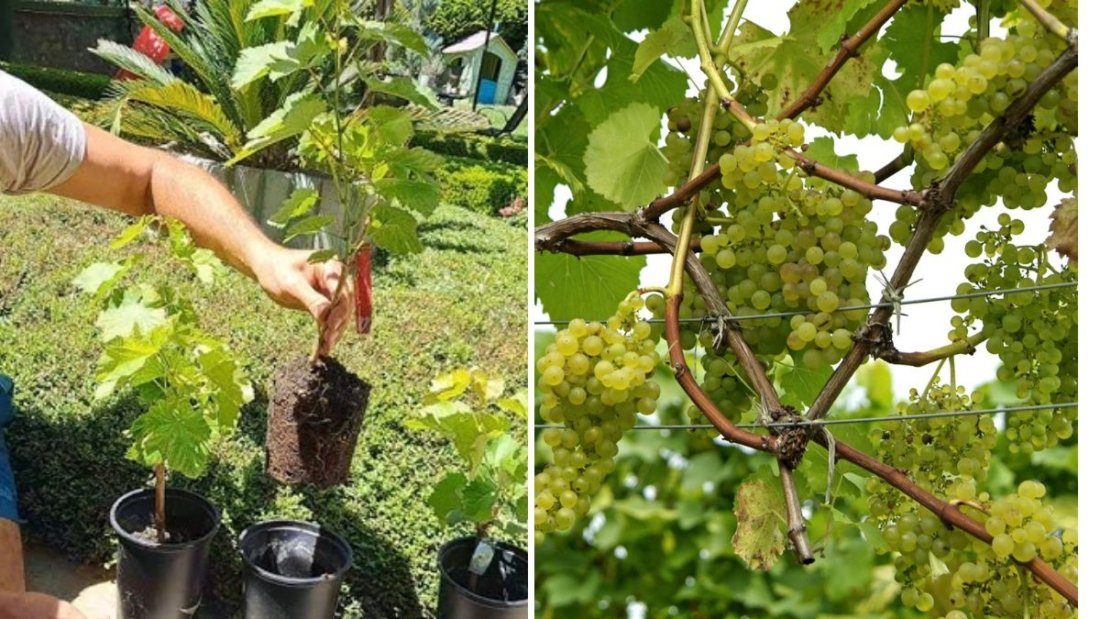
As my vine grew, I wanted to propagate it and share with friends. Grapes are easily propagated from cuttings.

Here’s how I did it:

  1. I cut 8-inch sections from healthy one-year-old canes during winter.
  2. Each cutting had at least 3 buds.
  3. I dipped the base in rooting hormone and planted it in a pot with a mix of soil and sand.
  4. I kept the soil moist and placed the pots in partial sun.
  5. Within 6–8 weeks, new shoots appeared — proof that roots had developed.

By early summer, I had new baby grapevines ready for transplanting!


Pest and Disease Control

My red grape vine, being hardy, required minimal pest management. Still, I kept an eye out for common issues.

  • Aphids: Washed off with a spray of water or neem oil.
  • Powdery Mildew: Prevented by pruning for good airflow and avoiding overhead watering.
  • Birds: Covered the ripening fruit clusters with netting — they love red grapes as much as we do!

Healthy vines in full sunlight rarely suffer from serious diseases, so maintaining sunlight and airflow was my best natural defense.


The First Harvest

By the third year, my red grape vine finally produced a decent crop. As summer waned, clusters of deep crimson grapes began to turn sweeter day by day. I knew they were ready when they were:

  • Fully colored
  • Soft to the touch
  • Sweet and aromatic to taste

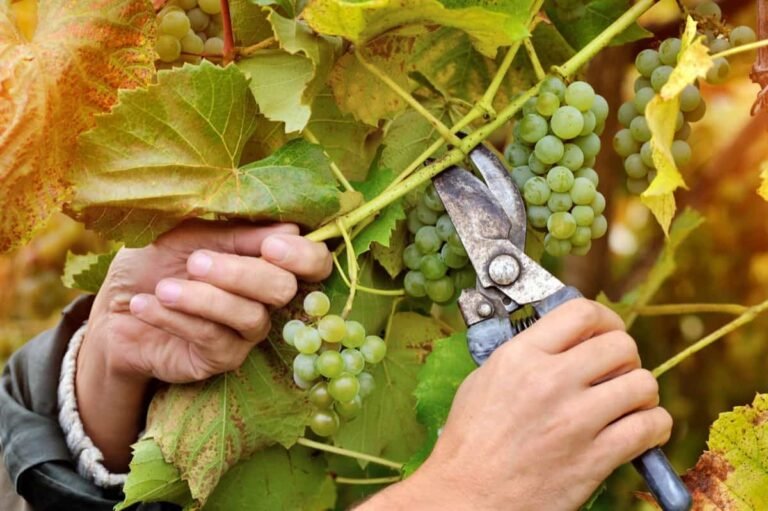
I used garden shears to cut the clusters gently, and within minutes, I was tasting the fruits of my labor — sweet, tangy, and sun-warmed. It was one of the most satisfying moments in my gardening journey.


Uses of Red Grapes

After harvesting, I explored various ways to enjoy my red grapes:

  • Fresh eating: Perfectly sweet for snacking.
  • Homemade juice: Blended with a little honey for natural sweetness.
  • Grape jelly: A delicious spread for breakfast.
  • Drying into raisins: Sun-dried over a week for chewy treats.
  • Small-batch wine: My first attempt at home fermentation turned out beautifully fragrant.

Every cluster from my vine became a celebration of nature’s gift.


Health Benefits of Red Grapes

Aside from their flavor, red grapes are a powerhouse of nutrients:

  • Rich in antioxidants (resveratrol) – Supports heart and skin health.
  • High in Vitamin C & K – Strengthens immunity and bones.
  • Natural Polyphenols – Improve blood circulation.
  • Low Calories, High Fiber – Great for digestion and weight management.

No wonder red grapes are often called “nature’s perfect fruit.”


Winter Care

As the growing season ended, I prepared my vine for dormancy:

  • Removed fallen leaves and pruned dead shoots.
  • Added a layer of mulch to protect roots from frost.
  • Checked the trellis for stability before winter winds.

By spring, the vine woke up again — ready to grow stronger and fruit even more abundantly.


Final Thoughts

Planting that red grape vine in my garden turned out to be more than just a gardening project — it became a lesson in patience, care, and reward. Watching it grow from a slender stick into a lush, fruiting vine reminded me how nature rewards consistency.

If you’ve ever thought about growing grapes at home, don’t hesitate. Start with a sunny spot, a simple trellis, and a single vine. With minimal effort and regular pruning, you’ll soon be harvesting your own red grapes bursting with flavor and color.

Every time I step into my garden and see my grapevine thriving, I’m reminded that some of life’s sweetest rewards are the ones we nurture ourselves.

No-Fuss Backyard Grape Growing, Pruning & Propagating Guide

No-Fuss Backyard Grape Growing, Pruning & Propagating Guide

If you’ve ever dreamed of stepping into your backyard and picking plump, sweet grapes straight from the vine, you’re not alone. Grapes aren’t just a symbol of abundance — they’re surprisingly easy to grow, even for beginners. Whether you’re working with a small garden, a patio trellis, or a fence line, you can cultivate your own fruitful grapevine with minimal effort.

In this guide, we’ll cover everything you need to know about no-fuss backyard grape growing — from planting and pruning to propagating and harvesting. Once you understand the basics, grapes practically take care of themselves, rewarding you with clusters of delicious fruit for years to come.


Why Grow Grapes in Your Backyard?

Grapes are one of the oldest cultivated fruits in human history, prized for their flavor, versatility, and beauty. A well-grown vine not only produces fruit but also provides shade, greenery, and structure to your garden.

Here are a few reasons to grow your own:

  • Low Maintenance: Once established, grapevines require little attention.
  • Longevity: A single vine can produce fruit for decades.
  • Versatility: Grapes can be eaten fresh, turned into juice, jelly, wine, or dried as raisins.
  • Decorative Appeal: Perfect for trellises, arbors, or fences, giving your yard a vineyard charm.

Choosing the Right Grape Variety

The first step to no-fuss grape growing is selecting the right variety for your region and purpose. Grapes fall into three main categories:

  1. American Grapes (Vitis labrusca) – Hardy and disease-resistant; includes favorites like Concord and Niagara.
  2. European Grapes (Vitis vinifera) – Used for wine and table grapes; includes Thompson Seedless, Cabernet Sauvignon, and Chardonnay.
  3. Hybrid Grapes – Crosses between species that combine flavor with resilience; includes Mars, Himrod, and Reliance.

Tip:

If you live in a region with cold winters or humid summers, opt for American or hybrid varieties since they handle these conditions better.


Ideal Conditions for Growing Grapes

Grapes are remarkably adaptable, but they thrive best when given the right start.

1. Sunlight

Full sunlight is essential. Grapes love warmth, and without adequate sun (at least 6–8 hours daily), the fruit will be smaller and less flavorful.

2. Soil

  • Grapes prefer well-drained loam or sandy soil.
  • Slightly acidic to neutral pH (between 5.5 and 7.0) is ideal.
  • Avoid heavy clay or waterlogged soil — poor drainage leads to root rot.

3. Space

Each vine needs 6–8 feet of space between plants. Proper spacing ensures good air circulation, which reduces disease risk and improves fruit quality.


Planting Grapes in the Backyard

1. When to Plant

The best time to plant grapevines is early spring, after the last frost. You can also plant in late fall if winters are mild.

2. Preparing the Site

Choose a sunny, open spot. If you’re planting near a fence or trellis, make sure it faces south or west for maximum sunlight exposure.

  • Loosen soil to a depth of 12–18 inches.
  • Add compost or well-rotted manure to boost fertility.
  • Mix in some sand or gravel if the soil retains too much water.

3. Planting Steps

  1. Dig a hole large enough for the roots to spread freely.
  2. Place the vine in the hole with the roots pointing downward and outward.
  3. The crown (where the stem meets the roots) should sit level with the soil.
  4. Backfill and water thoroughly.
  5. Mulch around the base to keep soil moist and suppress weeds.

Supporting Your Vines

Grapevines are natural climbers and need support for proper growth.

Trellis Options:

  • Single-Wire Trellis: A basic setup with one wire about 5–6 feet above ground.
  • Two-Wire Trellis: Provides more space for canopy spread.
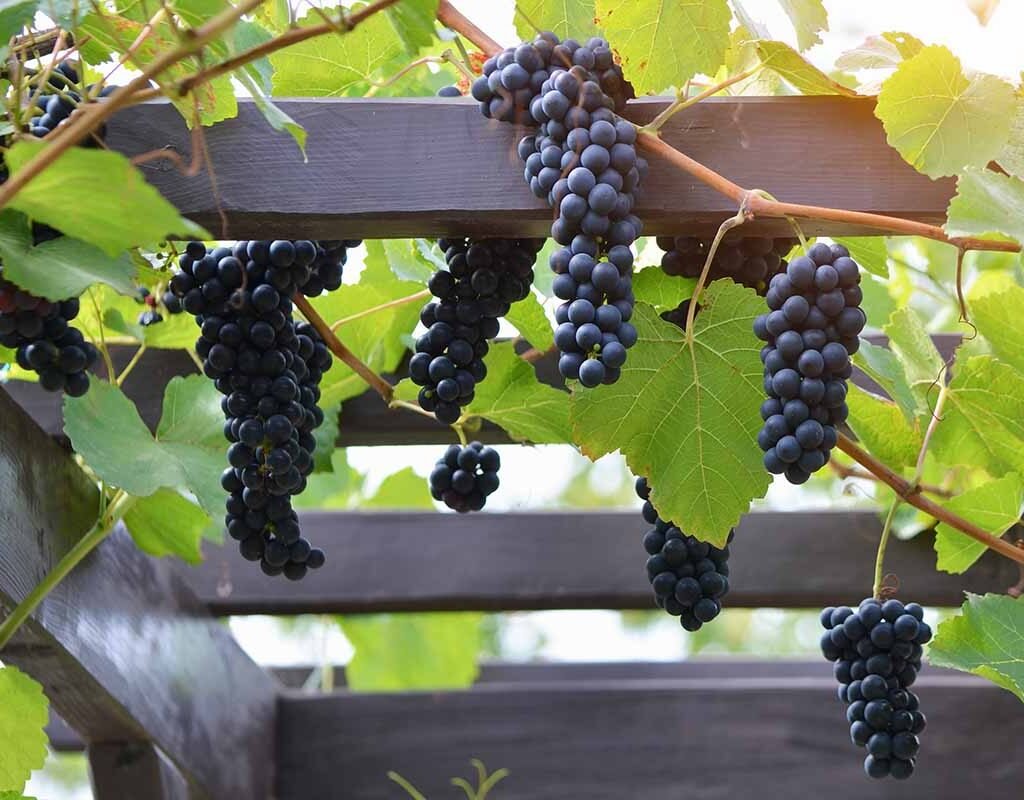
  • Arbors or Pergolas: Perfect for decorative backyard use and shaded seating areas.

Tie the main stem (called the trunk) to the support and allow side shoots to spread horizontally.


Watering and Feeding

Watering

  • Water regularly during the first year until vines are established.
  • After that, grapes are drought-tolerant — water only during prolonged dry spells.
  • Avoid overwatering; soggy roots can lead to fungal issues.

Fertilizing

  • Use a balanced fertilizer like 10-10-10 in early spring.
  • Avoid high nitrogen, as it encourages leafy growth over fruiting.
  • Add compost yearly for natural nourishment.

Pruning Grapes Made Easy

Pruning might sound intimidating, but it’s the most important step in maintaining healthy, productive grapevines. Luckily, it’s simple once you know the basics.

Why Prune?

  • Grapes produce fruit on new growth from last year’s canes.
  • Without pruning, vines become tangled and produce fewer grapes.

When to Prune

  • Prune in late winter or early spring, before buds start to swell.

How to Prune

  1. Identify the main trunk and two side arms (called cordons).
  2. Cut off about 90% of last year’s growth, leaving only a few strong canes.
  3. Leave 3–4 buds per spur (short side branches).
  4. Remove weak, dead, or crossing shoots.

Tip: It’s better to prune too much than too little. Grapes thrive with strong, open pruning that lets sunlight and air reach all parts of the vine.


Summer Maintenance

After spring pruning, your main tasks through the growing season are simple:

  • Train new shoots to grow along the trellis.
  • Pinch off side shoots that overcrowd the plant.
  • Remove weeds around the base to prevent competition for nutrients.
  • Thin clusters if the vine produces too many — this ensures larger, juicier grapes.

No-Fuss Grape Propagation

If you love your grapevine and want more, propagation is easy and nearly foolproof. You can grow new vines from cuttings, layering, or seeds — but cuttings are the simplest method.

How to Propagate Grapes from Cuttings

  1. In late winter, take 6–8 inch cuttings from healthy one-year-old canes.
  2. Each cutting should have 3–4 nodes (buds).
  3. Dip the cut end in rooting hormone (optional).
  4. Plant the cuttings in pots filled with a light soil mix or directly into garden soil.
  5. Keep the soil moist but not waterlogged.
  6. Place them in a sunny spot — roots should form in 6–8 weeks.

Once roots develop and new leaves appear, transplant the young vines to their permanent location in spring.


Dealing with Pests and Diseases

Grapes are relatively hardy, but a little prevention goes a long way.

Common Pests

  • Japanese Beetles: Handpick or use traps.
  • Aphids: Wash off with water or apply neem oil.
  • Grape Berry Moth: Remove damaged fruit early.

Common Diseases

  • Powdery Mildew: White powder on leaves — improve airflow and apply sulfur spray.
  • Black Rot: Brown leaf spots and shriveled grapes — remove infected parts and prune regularly.
  • Botrytis (Gray Mold): Avoid overhead watering; prune for ventilation.

Maintaining sunlight, air circulation, and clean pruning keeps vines naturally resistant.


Harvesting Backyard Grapes

When to Harvest

Grapes ripen from late summer to early fall, depending on variety and climate.

  • Wait until grapes are fully colored and sweet to taste — once picked, they won’t ripen further.
  • Taste a few before harvesting — sugar levels rise rapidly toward the end of the season.

How to Harvest

  • Cut clusters with pruning shears, leaving a short stem attached.
  • Handle gently to avoid bruising.
  • Store in a cool, dry place or refrigerate to extend freshness.

Uses of Homegrown Grapes

Your backyard grapes can be enjoyed in countless ways:

  • Fresh Eating: Sweet, juicy, and full of antioxidants.
  • Juice & Jelly: Perfect for preserving flavor year-round.
  • Wine & Vinegar: Homemade fermentation projects for adventurous gardeners.
  • Snacks: Dry them into raisins using a dehydrator or sun drying.

Winter Care

Grapevines are hardy but appreciate a little protection in cold climates.

  • Mulch heavily around the base to protect roots from freezing.
  • Remove fallen leaves and debris to prevent overwintering diseases.
  • Avoid pruning during severe cold — wait until late winter.

Health and Nutritional Benefits

Grapes are a natural source of:

  • Resveratrol – a potent antioxidant for heart health.
  • Vitamins C and K – essential for immunity and bone strength.
  • Dietary Fiber – supports digestion.
  • Polyphenols – improve blood flow and protect against inflammation.

Eating grapes regularly supports cardiovascular health, energy, and skin vitality.


Final Thoughts

Growing grapes in your backyard doesn’t have to be complicated. With a bit of sunlight, space, and seasonal pruning, you can enjoy abundant harvests of fresh fruit every year.

From training young vines to pruning mature ones and propagating new cuttings, every step is easy and deeply rewarding. The key to success lies in simplicity and consistency — give your grapes good sun, occasional pruning, and freedom to grow.

Before long, your backyard will transform into a mini vineyard, and you’ll be harvesting sweet, sun-warmed clusters that taste like summer itself — the no-fuss way.

Concord Grape: America’s Classic Fruit Vine and Its Complete Growing Guide

Concord Grape: America’s Classic Fruit Vine and Its Complete Growing Guide

When most people think of grapes in America—grape juice, jelly, or even that nostalgic backyard vine—the name Concord comes to mind. The Concord grape (Vitis labrusca ‘Concord’) isn’t just a fruit; it’s an American original that carries a legacy of heritage, flavor, and resilience.

From its humble beginnings in 19th-century Massachusetts to its role as the foundation for one of the most popular juices and jellies in the world, the Concord grape has earned its reputation as a timeless favorite. But beyond its fame, the Concord grape is also an excellent vine for home gardeners — robust, easy to grow, and highly rewarding.

In this comprehensive guide, we’ll explore everything about Concord grapes — their history, characteristics, planting methods, care, and harvesting tips — so you can grow your own vine and enjoy its legendary sweetness at home.


The Story of the Concord Grape

The Concord grape has a uniquely American history. It was first cultivated in Concord, Massachusetts, in 1849 by Ephraim Wales Bull, who spent years experimenting with native grape species to create a variety that could withstand New England’s cold climate.

His goal was simple yet ambitious: to develop a hardy grape with rich flavor and disease resistance. After planting thousands of seedlings, Bull finally found one that stood out — a vine producing dark purple, aromatic, and flavorful fruit. That grape became the Concord.

By the late 1800s, Concord grapes became the backbone of the American grape industry. They were used for fresh eating, winemaking, juice, and — most famously — grape jelly, which became a household staple thanks to Welch’s, founded in 1869.

Today, Concord grapes are not only a symbol of American agriculture but also a beloved fruit for gardeners and families alike.


Characteristics of Concord Grapes

Appearance

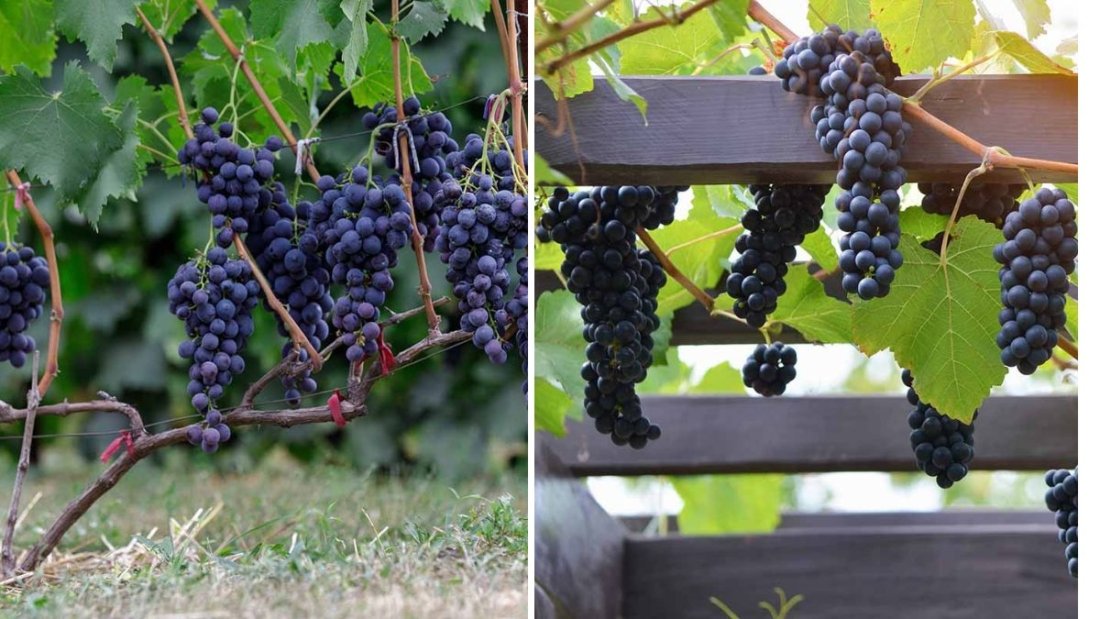
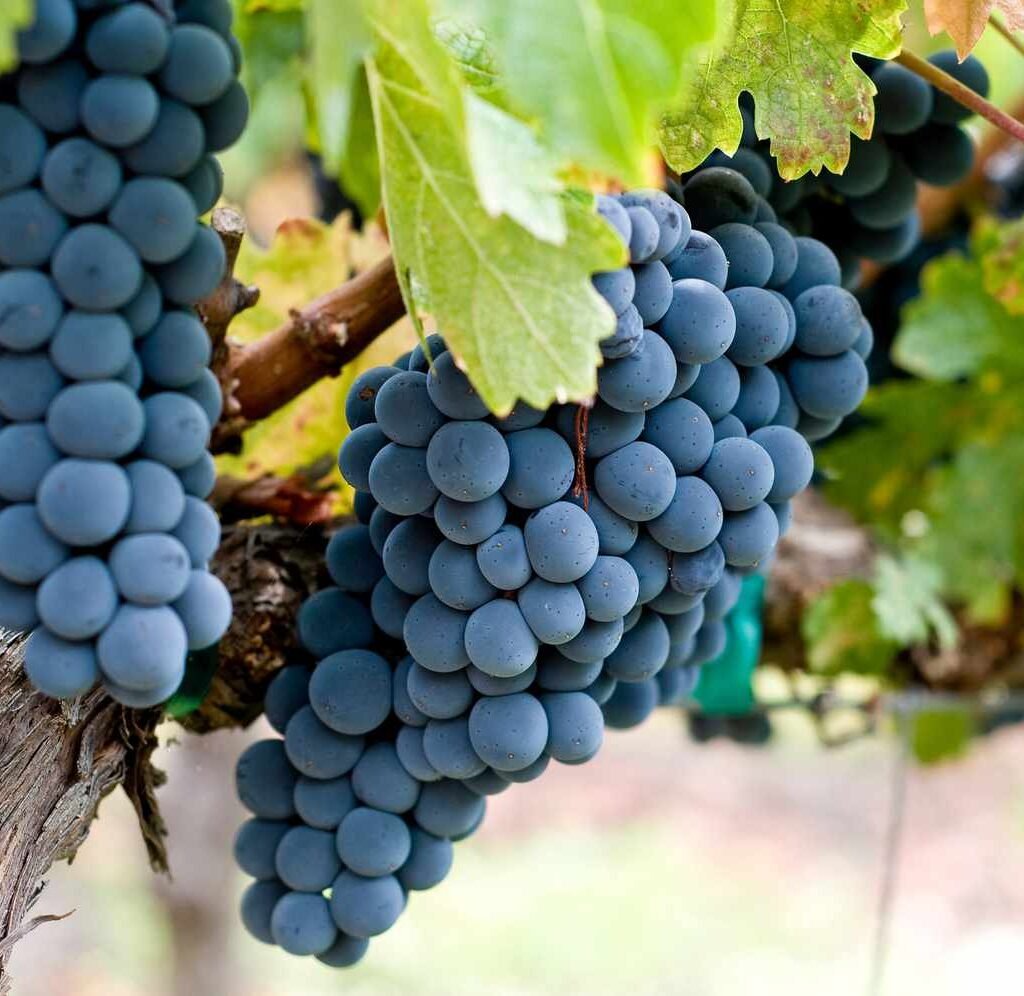
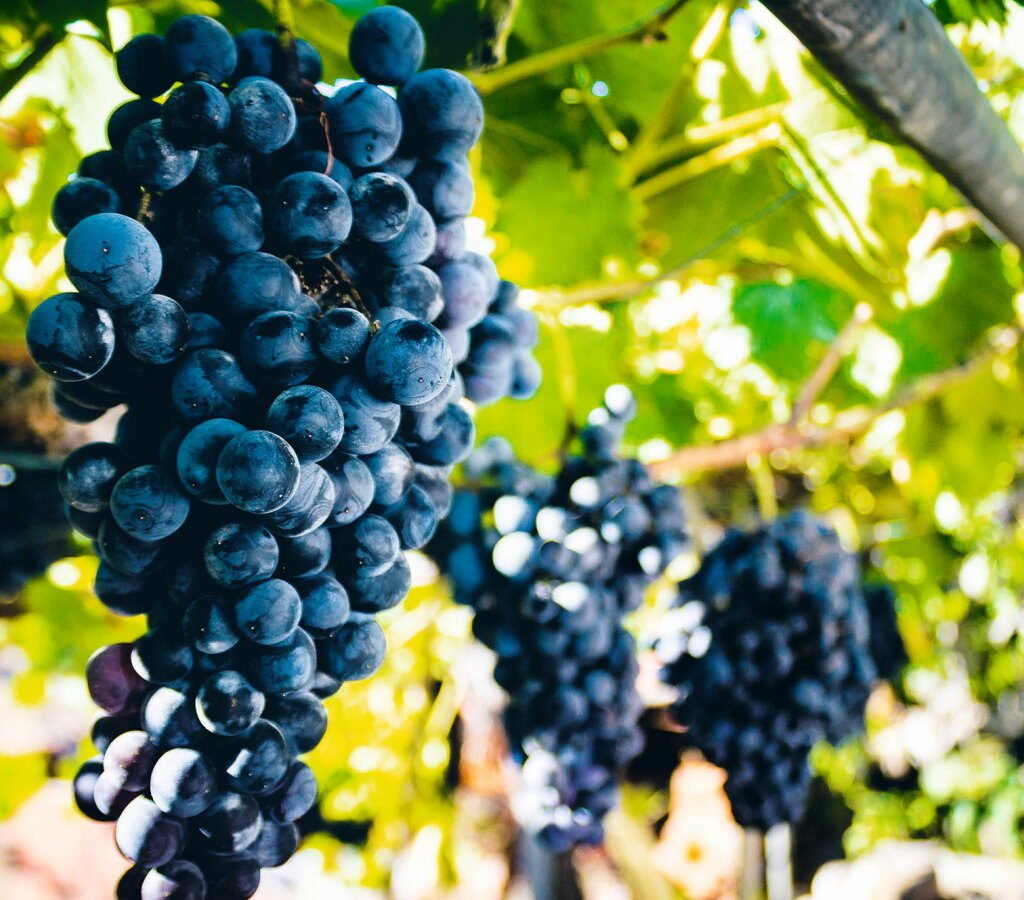
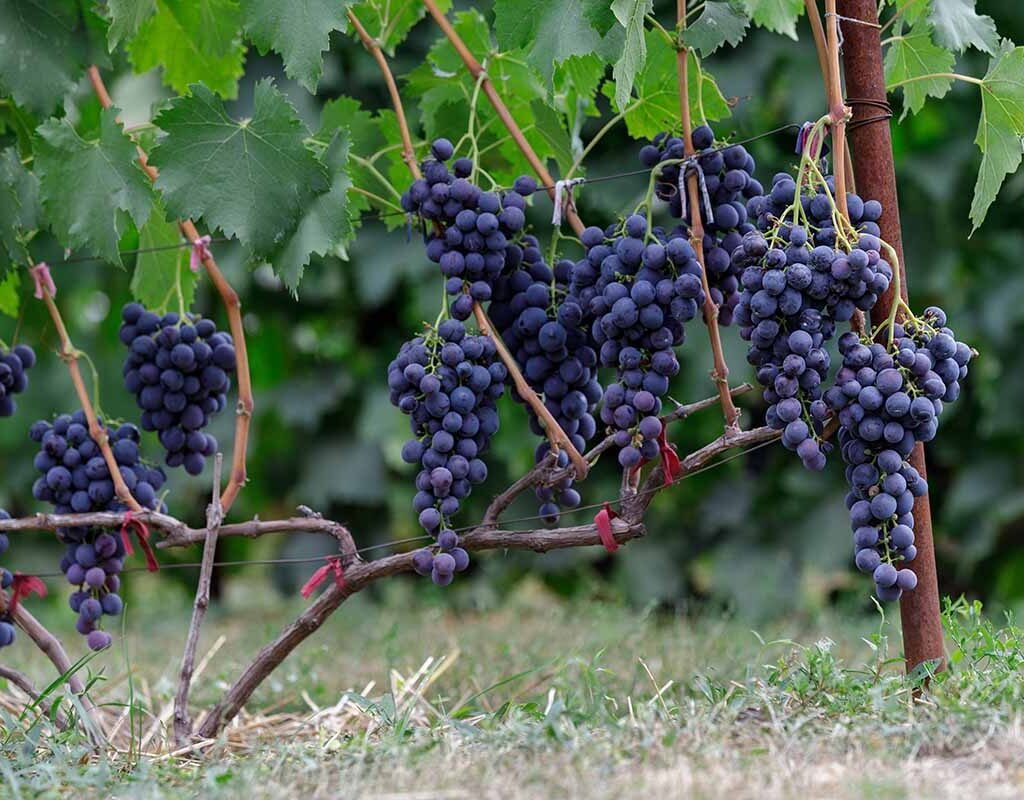
Concord grapes are medium-sized with a deep blue to purple skin and a light whitish bloom (a natural protective coating). The skin easily separates from the pulp — a hallmark trait of native American grapes.

Flavor

The flavor is distinct — sweet, tangy, and musky, often described as “grapey.” This unmistakable taste is what gives Concord juice and jelly their iconic aroma.

Growth Habit

Concord grapes are vigorous, fast-growing vines that can reach 15–20 feet in a single season. They are cold-hardy up to USDA Zone 4, making them one of the most reliable varieties for northern growers.

Fruit Season

Concord grapes typically ripen in late summer to early autumn (August–September), depending on the climate.


Ideal Growing Conditions

Concord grapes are adaptable, but to achieve the best yields and flavor, it’s essential to understand their preferred growing conditions.

Climate

  • Best suited for cool to temperate climates with cold winters and warm summers.
  • Can tolerate temperatures as low as -20°F (-29°C).
  • Requires a frost-free growing season of about 150–180 days.

Sunlight

Full sun is crucial. Aim for 6–8 hours of direct sunlight daily to ensure healthy growth, proper ripening, and strong vine structure.

Soil

  • Well-drained loamy or sandy soil is ideal.
  • Slightly acidic pH between 5.5 and 6.5 is best.
  • Avoid low-lying or waterlogged areas, as standing water can damage roots.

If your soil is heavy, consider planting on raised rows or mounds to improve drainage.


How to Plant Concord Grapes

1. When to Plant

  • Early spring (after the last frost) is the best time for planting bare-root vines.
  • In warmer climates, you can also plant in late fall before the ground freezes.

2. Selecting the Site

Choose a sunny, open area with good air circulation to reduce fungal problems. Avoid shaded or crowded spaces where humidity can build up.

3. Preparing the Soil

Before planting:

  • Loosen the soil to a depth of 12–18 inches.
  • Mix in compost or aged manure for fertility.
  • Test pH and adjust if necessary with lime (to raise) or sulfur (to lower).

4. Planting Steps

  1. Dig a hole wide enough to spread the roots naturally.
  2. Place the vine so the roots spread outward and the crown sits at soil level.
  3. Backfill gently with soil, firming it around the roots.
  4. Water thoroughly to settle the soil.
  5. Add mulch around the base to conserve moisture and prevent weeds.

5. Spacing

  • Space vines 8–10 feet apart in rows spaced 9–10 feet apart.
  • Proper spacing ensures airflow, sunlight, and easier maintenance.

Supporting and Training Your Vine

Concord grapes are vigorous climbers and need a strong trellis or arbor to support their weight.

Trellis Systems

The two most common systems are:

  1. Single-Wire Trellis:
    • Simple and ideal for backyard growers.
    • Stretch a galvanized wire 5–6 feet above ground between sturdy posts.
  2. Two-Wire or T-Bar Trellis:
    • Provides more space for canopy growth.
    • Place the top wire at 6 feet and a lower one at 3 feet.

Training the Vine

During the first year:

  • Train one strong shoot up a stake to the wire.
  • Once it reaches the top, pinch the tip to encourage side growth.
  • In the second year, develop two main cordons (arms) growing horizontally from the main stem.

This structure allows for maximum sunlight exposure and efficient fruiting in later years.


Watering and Fertilizing

Watering

  • Water deeply once per week during the first growing season.
  • Mature vines need watering mainly during dry spells and fruiting.
  • Avoid overwatering — grapes dislike soggy soil.

Fertilizing

  • Apply a balanced fertilizer (10-10-10) in early spring before new growth.
  • Avoid excess nitrogen; it encourages foliage growth at the expense of fruit.
  • Add compost or leaf mulch annually for natural nutrition.

Pruning: The Key to Healthy Concord Grapes

Pruning is the secret to abundant grape harvests. Concord vines bear fruit on new shoots growing from last year’s wood, so pruning keeps vines productive and manageable.

When to Prune

  • Late winter or early spring (before buds swell).

How to Prune

  1. Remove 90% of the previous year’s growth.
  2. Leave 3–4 buds per spur (short branch).
  3. Cut out weak, dead, or crossing canes.
  4. Keep the main cordons and renew fruiting spurs annually.

Regular pruning improves airflow, light penetration, and fruit quality.


Pests and Diseases

While Concord grapes are hardy, they can be affected by certain pests and fungal issues.

Common Pests

  • Japanese beetles: Feed on leaves — handpick or use organic traps.
  • Grape berry moths: Lay eggs in clusters — remove infected fruit early.
  • Aphids: Control with insecticidal soap or neem oil.

Common Diseases

  • Black rot: Brown spots on leaves and shriveled fruit — prune infected areas and apply copper fungicide if necessary.
  • Powdery mildew: White film on leaves — improve airflow and apply sulfur-based sprays.
  • Downy mildew: Yellow leaf spots — reduce moisture around vines.

Good sanitation, pruning, and sunlight are your best defenses.


Harvesting Concord Grapes

When to Harvest

Concord grapes are typically ready in late August to September, depending on your location.

  • Look for deep purple-blue fruit.
  • Ripe grapes are fragrant, plump, and separate easily from the stem.
  • Taste a few — the flavor should be rich and sweet.

How to Harvest

  • Cut or gently twist clusters off the vine.
  • Handle carefully to avoid bruising.
  • Refrigerate immediately — they’ll keep for up to 2 weeks.

Uses of Concord Grapes

The Concord grape is one of the most versatile fruits you can grow.

1. Fresh Eating

Their sweet, tangy flavor makes them a delicious snack right off the vine.

2. Juice and Jelly

Their deep color and aromatic taste make the best grape juice and jelly — rich, natural, and full of antioxidants.

3. Wine and Vinegar

Concord grapes produce sweet, robust wines and natural vinegars popular in home fermentation.

4. Baking and Cooking

Use them in pies, tarts, sauces, and even savory dishes to add natural sweetness and depth.


Nutritional Benefits

Concord grapes are a powerhouse of nutrients:

  • Antioxidants: High in resveratrol and flavonoids for heart health.
  • Vitamin C and K: Strengthen immunity and bones.
  • Polyphenols: Support brain and circulatory health.
  • Dietary Fiber: Aids digestion and satiety.

Regular consumption has been linked to better cardiovascular health and reduced inflammation.


Winter Care

Concord vines are cold-hardy but benefit from winter protection:

  • Mulch around the base to protect roots from freezing.
  • Prune only after the coldest part of winter has passed.
  • Remove fallen leaves and debris to prevent disease carryover.

Conclusion

The Concord grape is more than just a fruit—it’s a living symbol of American perseverance, flavor, and innovation. Hardy, productive, and full of character, it thrives where other grapes struggle and rewards growers with bountiful, aromatic harvests year after year.

Whether you grow it for fresh eating, homemade juice, or traditional jelly, the Concord grape adds beauty and purpose to any home garden. Its deep purple clusters tell a story that began over a century ago but continues to flourish in backyards today.

Plant one vine, and you’ll quickly discover why the Concord grape remains America’s most beloved grape—a true classic that connects us to both the soil and our heritage.

The BEST Muscadine Grape Grow Guide – How to Grow Muscadine Grapes at Home

The BEST Muscadine Grape Grow Guide – How to Grow Muscadine Grapes at Home

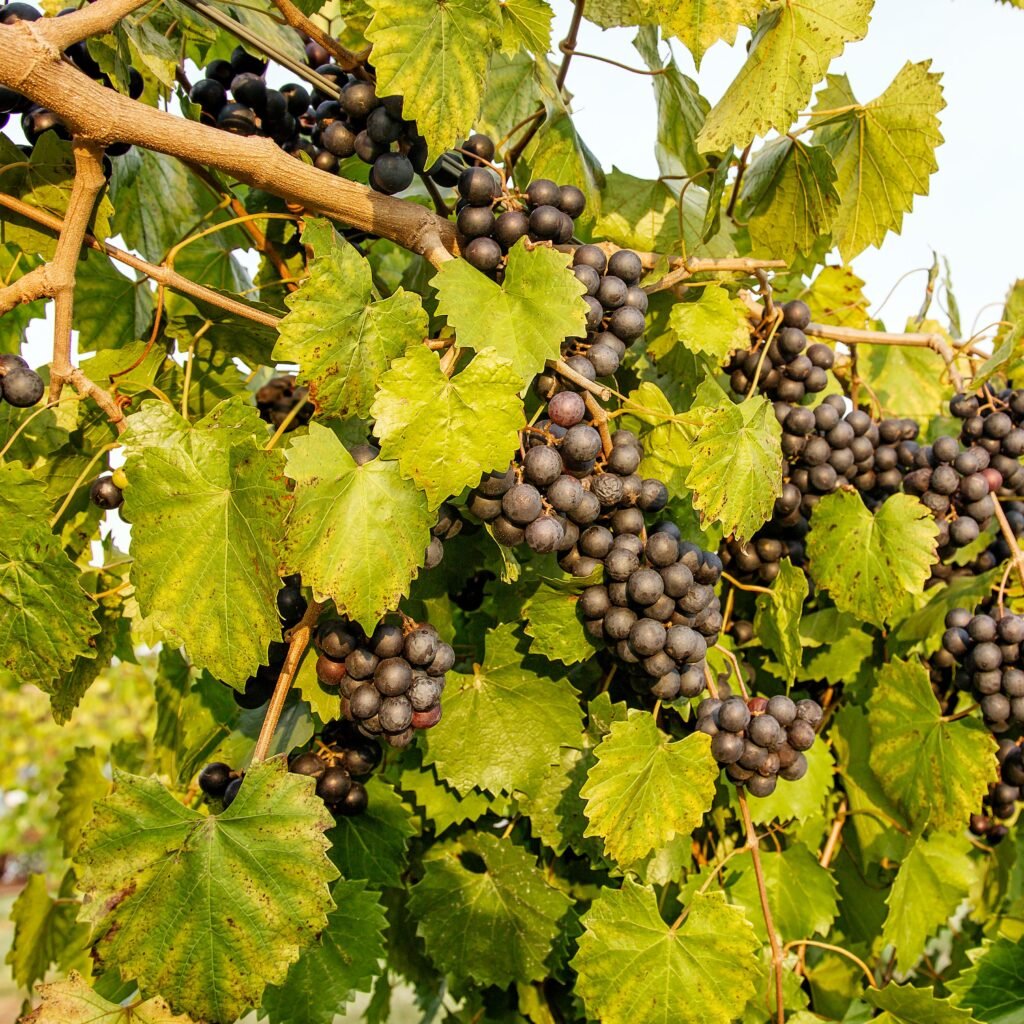
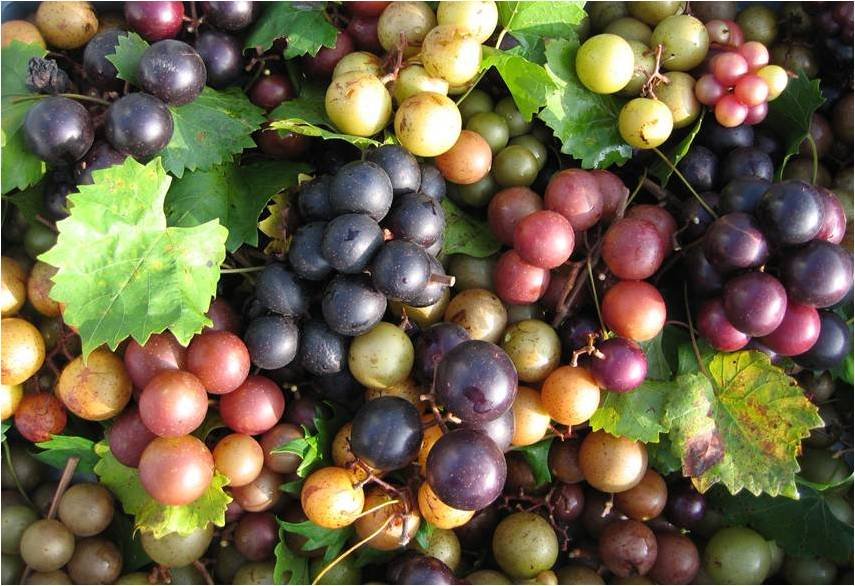
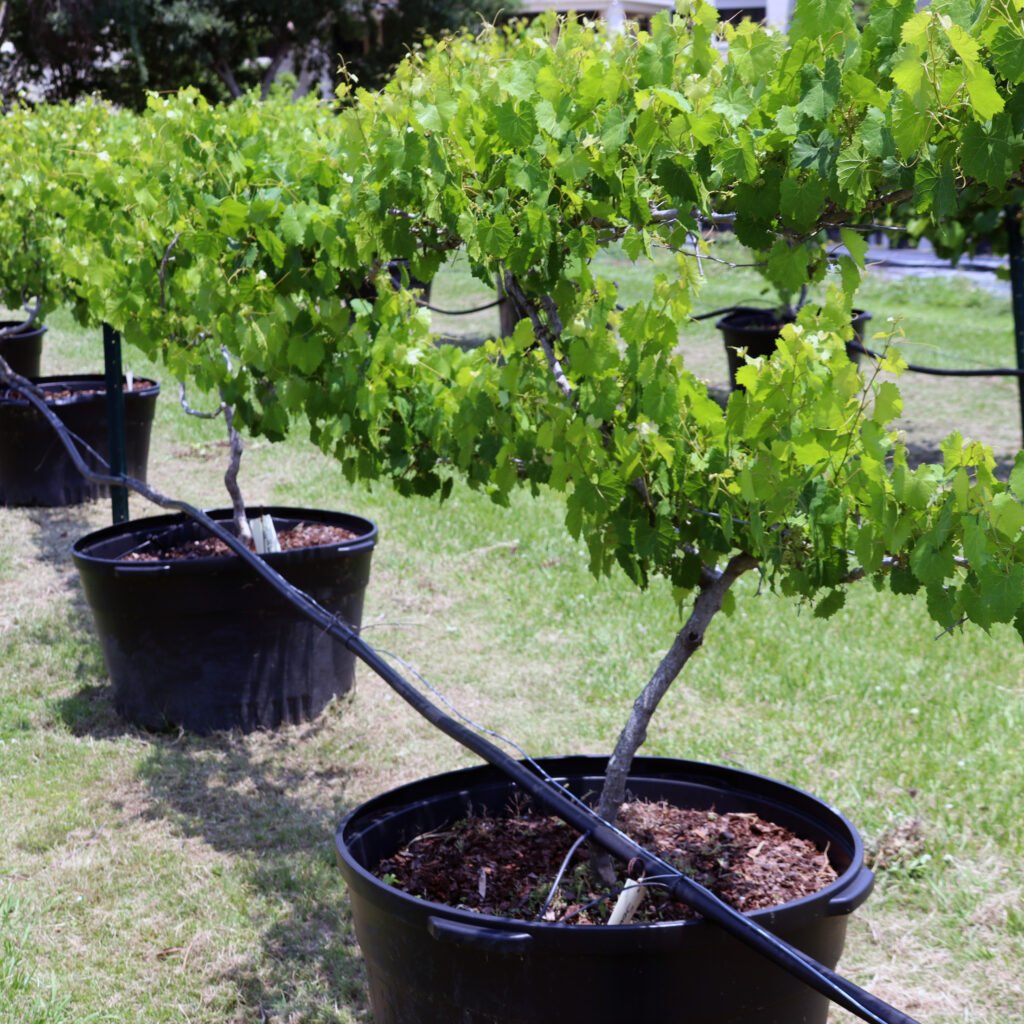
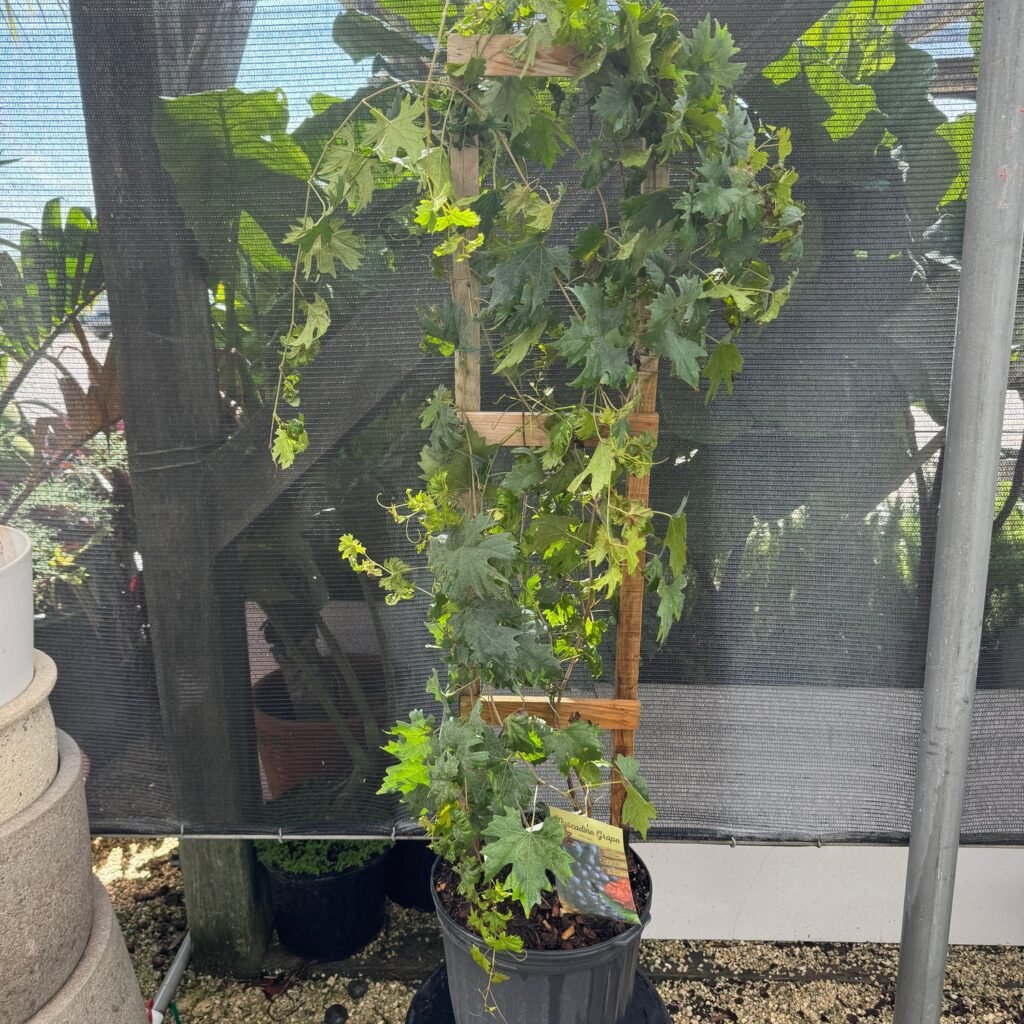
If you’ve ever dreamed of growing your own grapes but thought you didn’t live in the right climate, it’s time to meet the Muscadine grape (Vitis rotundifolia) — the South’s beloved, heat-loving fruit vine. Known for their rich flavor, glossy skins, and impressive resilience, Muscadine grapes are a perfect choice for home gardeners who want a hardy, low-maintenance crop that rewards them with sweet, aromatic fruit year after year.

This comprehensive guide will walk you through everything you need to know about growing Muscadine grapes at home, from choosing the right variety to planting, pruning, and harvesting your own luscious clusters.


What Makes Muscadine Grapes Special

Muscadine grapes are native to the southeastern United States, thriving where most European and hybrid grapes struggle. They love long, hot summers and tolerate humidity exceptionally well.

Unlike the delicate grapes of cooler regions, Muscadines have a thicker skin, a distinctive musky aroma, and a bold, fruity flavor that makes them excellent for fresh eating, juice, jelly, and wine.

They’re also incredibly nutritious, loaded with resveratrol, antioxidants, and dietary fiber, making them not just a tasty fruit but a heart-healthy one as well.


Choosing the Right Muscadine Variety

When it comes to Muscadines, choosing the right variety makes a big difference. There are two types to consider:

1. Self-Fertile Varieties

These have both male and female flower parts, meaning a single vine can produce fruit on its own. Ideal for small gardens.
Examples:

  • ‘Carlos’ – great for wine and juice production
  • ‘Noble’ – compact, heavy producer
  • ‘Summit’ – sweet pinkish fruit for fresh eating

2. Female (Pistillate) Varieties

These need a self-fertile variety nearby for pollination but often produce larger and sweeter grapes.
Examples:

  • ‘Scuppernong’ – famous golden-green fruit with honey flavor
  • ‘Higgins’ – large bronze grapes, excellent for fresh eating
  • ‘Fry’ – very productive with mild, sweet berries

For home gardeners, planting one self-fertile and one female variety ensures excellent cross-pollination and maximum yield.


Best Climate and Location

Muscadine grapes love warm climates (zones 7–10) but can also grow in slightly cooler areas with protection.

Sunlight:

Choose a location with full sun — at least 6–8 hours per day. More sunlight means sweeter fruit and fewer fungal problems.

Soil:

  • Well-draining sandy or loamy soil is ideal.
  • Slightly acidic soil with a pH between 5.5 and 6.5.
  • Avoid heavy clay or waterlogged areas.

If your soil is heavy, amend it with compost, coarse sand, or organic matter to improve drainage.


Planting Muscadine Grapes

1. When to Plant

Plant Muscadine vines in late winter to early spring when the soil is workable but before new growth begins.

2. Spacing

  • Space vines 12–20 feet apart in rows.
  • Rows should be 8–10 feet apart for easy maintenance and airflow.

3. Planting Steps

  1. Dig a hole about 12 inches deep and wide enough for the root system.
  2. Mix compost and organic matter into the removed soil.
  3. Place the vine so that the crown is level with the soil surface.
  4. Backfill gently, firming the soil around the roots.
  5. Water deeply after planting.

Add a 2–3 inch layer of mulch around the base to conserve moisture and suppress weeds, but keep it a few inches away from the stem.


Training and Trellising

Muscadine vines are natural climbers that need support. A strong trellis system is essential for healthy growth and easy harvesting.

1. Single-Wire Trellis (Home Garden Favorite)

  • Use sturdy posts (8 feet tall, 6 inches thick).
  • Run a 12-gauge galvanized wire 5–6 feet above ground between posts spaced 20 feet apart.
  • Train the vine up a stake to the wire, then encourage two main arms (cordons) to grow along it.

2. Arbor or Pergola

Perfect for backyard landscapes—adds shade and beauty while supporting fruit-laden vines.

Keep in mind that Muscadine vines can live for over 50 years, so a durable trellis system is a long-term investment.


Watering and Feeding

Muscadines are drought-tolerant once mature but produce best with consistent watering during fruiting.

Watering Tips

  • Water young vines weekly for the first year (about 1 inch per week).
  • Deep soak the soil instead of frequent shallow watering.
  • Reduce watering once vines are established, except during dry spells.

Fertilization

Feed Muscadines lightly — too much nitrogen encourages leafy growth instead of fruit.

Fertilizer Schedule:

  • Spring (before growth): Apply 1/4 pound of 10-10-10 fertilizer per vine.
  • After fruit set: Add another 1/4 pound.
  • Increase gradually each year until mature vines receive 2–4 pounds annually.

Add compost or leaf mulch yearly to improve soil health naturally.


Pruning Muscadine Grapes

Pruning is the most important step in Muscadine care. Without it, vines become tangled and unproductive.

When to Prune

  • Late winter (January–February) before new growth begins.
  • Avoid pruning after buds start swelling — this causes sap bleeding and stress.

How to Prune

  1. Cut back last year’s growth to 3–4 buds per spur (small branch).
  2. Remove dead or weak canes.
  3. Keep the main cordons trained along the trellis wire.

A well-pruned vine looks neat and open, allowing sunlight and air to reach the leaves and fruit.


Pollination and Fruit Set

Most Muscadines rely on wind and insects for pollination. If you plant both self-fertile and female types, ensure they are within 50 feet of each other for best fruit set.

Flowering occurs in late spring, and grapes mature from August to October depending on variety and climate.

You’ll notice fruit clusters forming along new shoots—each containing 6–12 grapes.


Pest and Disease Management

Muscadine grapes are remarkably pest- and disease-resistant, one of their greatest advantages. However, a few issues may appear:

Common Pests

  • Japanese beetles: Feed on leaves; handpick or use neem oil.
  • Aphids: Attracted to tender growth; wash off with water or spray insecticidal soap.

Common Diseases

  • Black rot: Fungal spots on leaves or fruit; prune infected parts and improve airflow.
  • Powdery mildew: White coating on leaves; treat with sulfur-based fungicide or natural sprays.

Keeping vines pruned, well-spaced, and in full sun is the best preventive strategy.


Harvesting Muscadine Grapes

Muscadines don’t ripen all at once — you’ll need to harvest over several weeks.

When to Harvest

  • Grapes are ready when they are fully colored (bronze, purple, or black depending on variety) and slightly soft to touch.
  • Taste test: Ripe fruit should be sweet and aromatic with a slight tang.

How to Harvest

  • Pick individual grapes by hand instead of cutting whole clusters.
  • Handle gently — the skins can crack easily when overripe.

Store grapes in the refrigerator for up to one week, or process immediately into juice, jelly, or wine.


Using Muscadine Grapes

Once harvested, Muscadines are incredibly versatile:

  • Fresh Eating: Enjoy their rich, musky flavor and chewy skin.
  • Juice or Smoothies: Blend and strain for nutrient-packed drinks.
  • Jelly and Jam: Boil with sugar and pectin for sweet preserves.
  • Wine and Cider: Ferment for a uniquely Southern, aromatic drink.

Their deep skins and seeds contain powerful antioxidants that promote heart and immune health.


Winter Care and Longevity

Muscadine vines are hardy but appreciate a little winter care:

  • Apply mulch around the base to protect roots from cold.
  • Remove any remaining leaves or fallen fruit to prevent disease.
  • Avoid fertilizing late in the season — it encourages tender new growth that may freeze.

With proper care, Muscadine vines can live for decades, often producing reliably for 30–50 years or more.


The Joy of Growing Muscadine Grapes at Home

There’s something truly satisfying about harvesting your own grapes — watching vines burst with fruit under the sun, hearing the hum of bees in their blossoms, and tasting the earthy sweetness of each bite.

Muscadine grapes embody strength, abundance, and Southern charm. They thrive where others fail, offering beauty, nutrition, and tradition in every cluster.

Whether you’re growing them on a backyard trellis, along a fence, or on a rustic pergola, Muscadines reward you with a lifetime of harvests and flavor.


Conclusion

The Muscadine grape is more than just a fruit; it’s a living piece of heritage, resilience, and flavor. By understanding its needs — warmth, sunlight, and a little pruning — anyone can cultivate this incredible vine at home.

Follow these steps, give your vines time to establish, and you’ll enjoy baskets of golden and purple Muscadines each season — proof that the best fruits often come from the heart of nature itself.

So, if you’re looking for the best grape to grow at home, look no further. Muscadines are tough, rewarding, and delicious — truly the perfect backyard vineyard companion.

My Wild Grape, and an Exciting Update

My Wild Grape, and an Exciting Update

Few plants evoke such a deep sense of wild beauty and discovery as the wild grape (Vitis spp.). Found climbing over trees, fences, and forgotten corners of woodlands, wild grapes tell stories of resilience and renewal. Their twisting tendrils and broad leaves capture not just sunlight, but also imagination—reminding us how nature thrives without our intervention.

In this article, I’ll share the story of my wild grape—how it began, how it has grown, and the exciting update that changed everything. Along the way, we’ll explore how wild grapes live, grow, fruit, and why they hold such ecological and cultural importance.


The Beginning: Discovering My Wild Grape

My journey with wild grapes began almost by accident. A few years ago, while clearing a patch of overgrown shrubs near the edge of my property, I noticed a tangle of thin vines curling around a small sapling. The leaves were heart-shaped, vibrant green, and serrated along the edges. I almost pulled it out, assuming it was just another weed—until I saw the telltale tendrils and faint clusters of tiny flowers.

Something about that vine intrigued me. I decided to let it grow.

Within weeks, it climbed upward, wrapping itself gracefully around nearby branches. By late summer, small green grape clusters began to form. That was when I realized what I had—a wild grapevine, thriving naturally without any care or cultivation.


Identifying the Wild Grape (Vitis spp.)

Wild grapes belong to the Vitis genus, a diverse group of vigorous climbing vines found throughout North America. Some common species include:

  • Vitis riparia (Riverbank Grape): Found along rivers and forest edges. Hardy and cold-tolerant.
  • Vitis labrusca (Fox Grape): Known for its strong, musky flavor and as the ancestor of Concord grapes.
  • Vitis aestivalis (Summer Grape): Prefers dry, rocky soils; produces sweet, small fruits.

My vine, based on leaf shape and habitat, appeared to be Vitis riparia—a native species that thrives in wild habitats near water.

Key Identification Features

  • Leaves: Broad, heart-shaped with serrated edges.
  • Tendrils: Curling structures opposite the leaves, used for climbing.
  • Flowers: Tiny, greenish-yellow clusters in spring.
  • Fruits: Small, bluish-purple grapes with a natural bloom (white powdery coating) when ripe.
  • Bark: Reddish-brown and shreddy with age.

The Growth Pattern: A True Survivor

One of the most fascinating traits of wild grapes is their tenacity. Once established, they grow vigorously—sometimes up to 50 feet or more in a season! Their roots dive deep into the soil, allowing them to survive drought and poor conditions.

My vine followed the same pattern. By its second year, it had reached the top of a nearby fence and began stretching toward a tall maple. Its leaves created a curtain of green, offering both shade and beauty.

What impressed me most was that I had done nothing to help it—no watering, no pruning, no fertilizing. It was pure wild strength.


Wild Grapes and the Ecosystem

Wild grapes are not just beautiful—they are ecological keystones. Their presence benefits an entire network of wildlife.

1. Food for Birds and Mammals

Over 60 bird species feed on wild grapes, including thrushes, cardinals, and cedar waxwings. Mammals such as raccoons, foxes, and even black bears enjoy the fruit when ripe.

2. Habitat and Shelter

The dense foliage offers shelter to small birds and insects. Even in winter, the vines provide cover and perching spots.

3. Soil and Erosion Control

The deep roots of wild grapes stabilize soil along riverbanks and slopes, reducing erosion naturally.

4. Pollinator Support

The small flowers attract native bees and other beneficial insects in spring, supporting pollinator populations.

Having this vine in my garden wasn’t just about growing a plant—it was about nurturing a living ecosystem.


Challenges Along the Way

Of course, no gardening story is without challenges. Wild grapes are powerful growers—so much so that they can sometimes overwhelm trees or structures if left unchecked. Their weight, especially when wet or fruiting, can pull down weaker branches.

In my case, I had to carefully prune the vine to prevent it from overtaking a young peach tree nearby. It’s a balance—letting nature thrive while maintaining harmony in the garden.

Another issue was bird competition. The grapes ripened quickly, and before I could even taste them, birds had devoured almost the entire crop! I learned to harvest early—when the grapes were just beginning to soften.


Propagation and Cultivation Tips

If you’re inspired to grow your own wild grapevine, here’s how you can start:

1. From Seed

  • Collect ripe wild grapes in late summer or early fall.
  • Remove seeds, wash them, and let them dry.
  • Stratify by placing seeds in moist sand in the refrigerator for 3 months.
  • Sow in spring in well-draining soil.

2. From Cuttings

  • Take hardwood cuttings in winter, about 8–10 inches long.
  • Dip in rooting hormone and plant in a moist, sandy mix.
  • Keep warm and slightly humid until roots develop.

3. Site Selection

Wild grapes love:

  • Full sun for maximum fruiting
  • Well-drained loam or sandy soil
  • Strong support such as fences or trellises

They are incredibly hardy once established.


The Exciting Update: My Wild Grape’s First Big Harvest

After years of patient observation, last season brought the moment I had been waiting for—the first full harvest of my wild grapevine.

Clusters of dusky blue grapes hung heavily beneath the leaves. Their scent was rich and earthy, slightly musky like forest air after rain. I picked the first handful in late August and tasted them right off the vine—tart, slightly sweet, and bursting with wild flavor.

Wild grapes are not like their cultivated cousins. They are smaller, with thicker skins and more seeds, but their flavor intensity is unmatched. They carry a tangy complexity that feels ancient—like tasting the land itself.

I used the harvest to make wild grape jelly and fermented juice, both of which turned out extraordinary. The jelly had a deep, wine-like taste with hints of spice and forest berries. The juice, slightly fizzy after fermentation, was refreshing and tangy.

This first harvest was more than just fruit—it was the reward of patience and respect for nature’s rhythm.


Cultural and Historical Significance

Wild grapes have played a role in human life for centuries. Indigenous peoples of North America used wild grape leaves, roots, and fruit for food, medicine, and dye.

  • Leaves were boiled and eaten or used to wrap food (similar to Mediterranean dolmas).
  • Fruit was made into jelly, vinegar, or fermented wine.
  • Roots and bark were used for medicinal teas to treat coughs or stomach issues.

Early settlers also relied on wild grapes before cultivated varieties became common. Some of today’s most famous grapes, including Concord, were developed from wild Vitis labrusca stock.


Lessons from the Wild Vine

Watching my wild grape grow has taught me profound lessons about resilience, patience, and coexistence. Unlike cultivated plants that rely on human care, wild grapes thrive on their own terms. They don’t demand—they adapt.

They show that even in neglected or forgotten spaces, nature finds a way to flourish.

Every year, as I see new shoots emerging from the old vine, I’m reminded of nature’s enduring cycle of renewal. It’s a living metaphor for persistence and balance.


Looking Ahead: What’s Next for My Wild Grape

Encouraged by its success, I plan to expand the area into a mini wild fruit corner. I’ll be adding native species such as elderberries, serviceberries, and wild black raspberries—creating a small permaculture-style food forest that blends productivity with ecology.

I’ll also experiment with training one vine onto a trellis to make harvesting easier, while allowing another to climb freely in its natural style. The goal is to observe how each method affects growth, fruiting, and wildlife interaction.


Conclusion

“My Wild Grape, and an Exciting Update” isn’t just a story about a vine—it’s a celebration of connection with the wild. From a humble discovery to a fruitful harvest, the journey reminds us that beauty often lies in what grows naturally, without control or expectation.

The wild grape stands as a living symbol of adaptability and abundance. It thrives on sunlight, soil, and freedom—proving that sometimes the best results come not from cultivating perfection, but from embracing nature’s own design.

So next time you walk through a forest or along a riverside and see a vine reaching for the sky, take a closer look. It might just be a wild grape—carrying centuries of resilience, waiting to share its story.