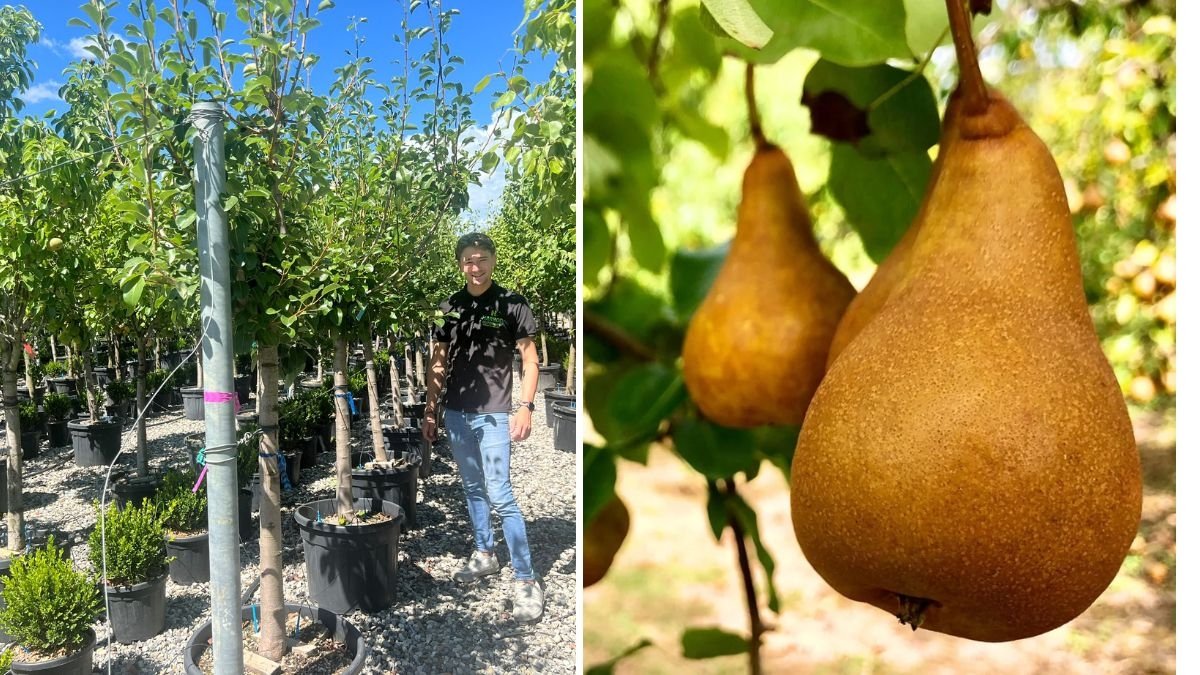
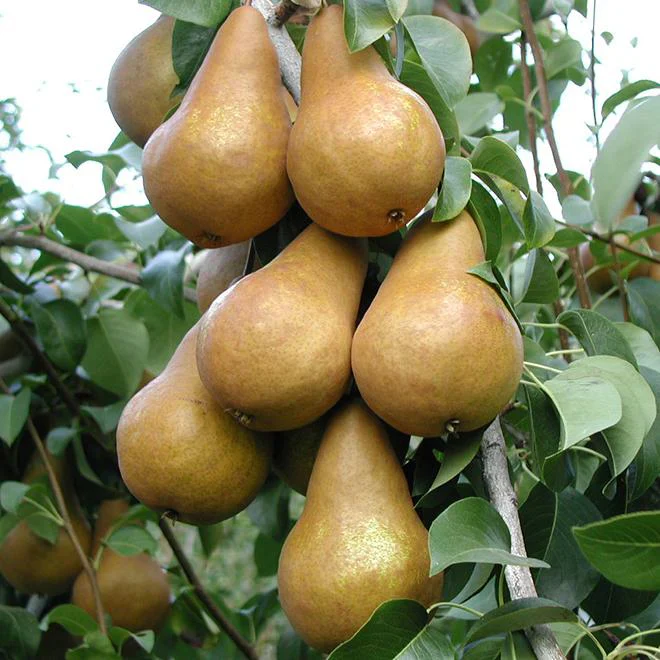
When it comes to elegance, flavor, and sophistication, few fruits can match the Bosc pear. With its long, graceful neck, russet-brown skin, and rich honey-like sweetness, the Bosc pear is often called the “aristocrat of pears.”
Featured by NatureHills.com, this European variety has become a favorite for home gardeners who value both beauty and taste in their backyard orchards. Its distinctive shape and complex flavor make it ideal for fresh eating, baking, and gourmet cooking. But beyond its refined appearance, the Bosc pear tree is a hardy, productive, and rewarding addition to any home garden.
In this comprehensive guide, we’ll explore everything you need to know about growing your own Bosc pear tree—from planting and pruning to harvesting and care tips that ensure years of delicious yields.
1. What Makes the Bosc Pear Special?
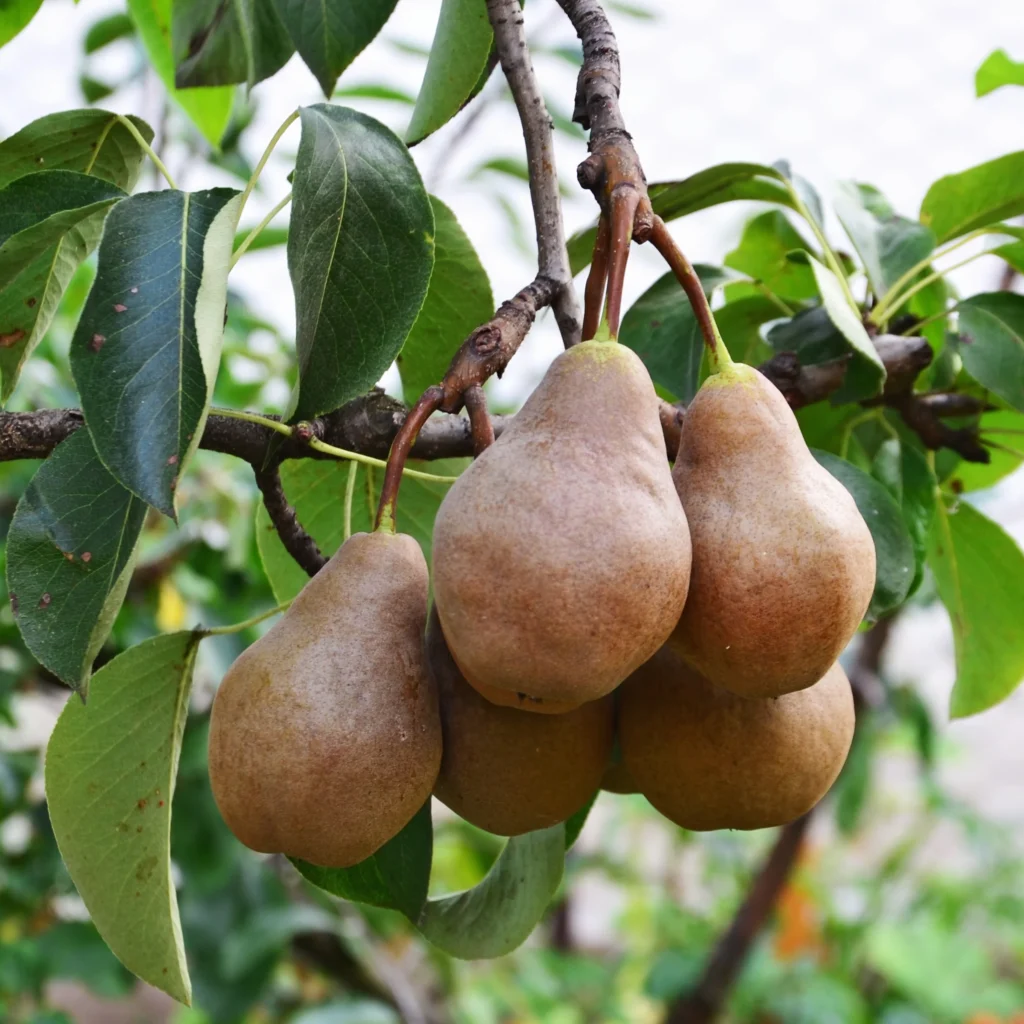
The Bosc pear (Pyrus communis ‘Bosc’) is a classic European variety that originated in France or Belgium during the early 1800s. Named after a famous horticulturist, Louis Bosc, this pear has stood the test of time for its distinctive spicy-sweet flavor, dense flesh, and golden-brown skin.
Unlike softer varieties such as Bartlett, the Bosc pear holds its shape beautifully when cooked, making it perfect for poaching, baking, and roasting. Its texture is firm yet juicy, with a subtle cinnamon-honey aroma that intensifies as it ripens.
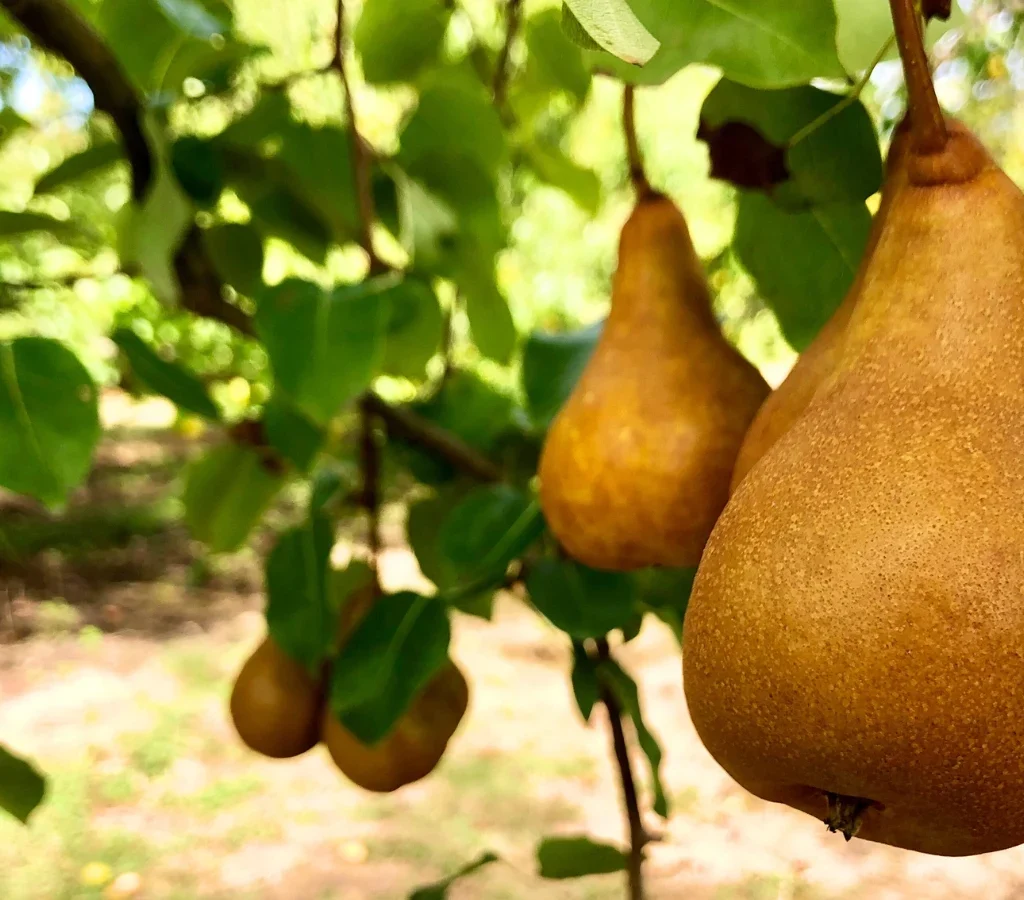
In the garden, Bosc pear trees are equally remarkable. They produce a stunning display of white spring blossoms, followed by a late harvest of golden-brown fruits that hang elegantly from their branches—truly a sight to behold.
2. Choosing the Ideal Spot for Your Bosc Pear Tree
Like most fruit trees, the success of your Bosc pear depends heavily on where you plant it. Choosing the right location sets the stage for healthy growth and abundant harvests.
Sunlight
Bosc pears thrive in full sun, requiring at least 6–8 hours of direct light daily. This ensures strong branch development and sweet, flavorful fruit.
Soil
The ideal soil is well-draining, loamy, and fertile, with a pH between 6.0 and 7.0. Avoid clay-heavy soils that retain water, as pear roots dislike standing moisture.
Air Circulation
Good airflow helps prevent diseases such as fire blight. Give your pear tree plenty of room to grow—about 15–20 feet from other trees or large structures.
Cold Hardiness
Bosc pears perform best in USDA zones 5–8, where winters are cold enough for dormancy but not harsh enough to damage buds.
3. Selecting the Right Bosc Pear Tree
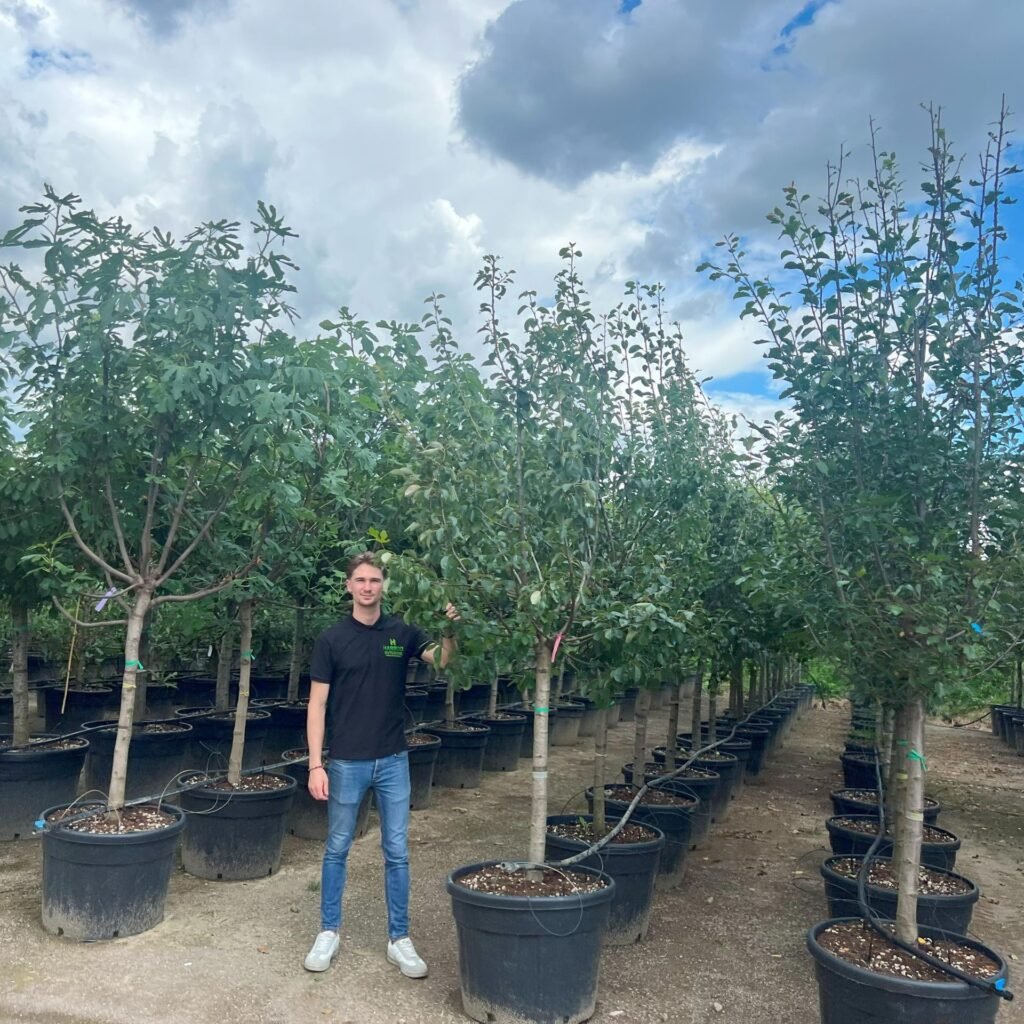
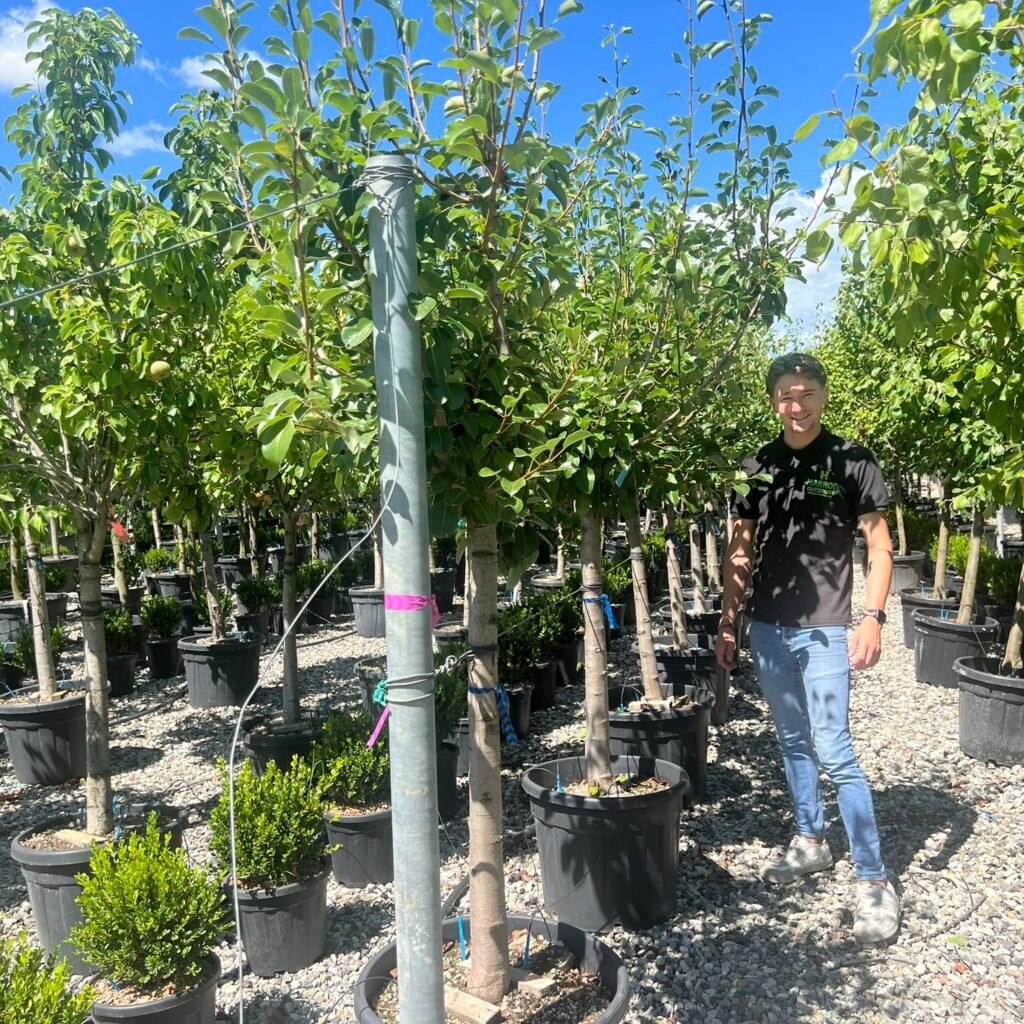
When buying a Bosc pear tree, look for healthy, disease-free stock from a reputable nursery like NatureHills.com. You’ll find several options, typically grafted onto different rootstocks:
- Standard: Grows 20–25 feet tall, high yield, long lifespan.
- Semi-dwarf: Reaches 12–15 feet, manageable for most home gardens.
- Dwarf: Compact, around 8–10 feet, suitable for smaller yards or containers.
Choose one-year-old bare-root or container-grown trees with a strong central leader and no visible damage.
4. Planting Your Bosc Pear Tree
Best Time to Plant
Plant your Bosc pear tree in early spring (after the last frost) or late fall (before the ground freezes). Both seasons allow roots to establish before extreme weather hits.
Step-by-Step Planting Guide
- Dig the Hole: Make it twice as wide as the root ball and about the same depth.
- Loosen the Soil: Break up compacted soil around the edges to encourage root expansion.
- Position the Tree: Place the tree so the graft union sits 2 inches above the soil line.
- Backfill: Add soil halfway, water thoroughly to remove air pockets, then fill the rest.
- Water Deeply: Give the tree a generous soaking to help roots settle.
- Mulch: Apply a 2–3 inch layer of organic mulch around the base, keeping it away from the trunk.
Tip:
If you’re planting multiple trees, keep them 15–20 feet apart to allow proper spacing for sunlight and air movement.
5. Pollination and Fruit Production
While Bosc pear trees are not self-fertile, they’ll bear more fruit when cross-pollinated with another European pear variety that flowers at the same time.
Ideal pollination partners include:
- Bartlett
- Anjou
- Comice
- Seckel
Planting one of these within 50–100 feet ensures bees can transfer pollen effectively. Without a pollinator, your tree may bloom beautifully but yield few fruits.
6. Watering and Feeding for Strong Growth
Watering
- Young Trees (1–2 years): Water deeply once or twice weekly during dry periods.
- Mature Trees: Water deeply every 10–14 days in dry spells, especially during fruit development.
Avoid overwatering, which can lead to root rot. A deep soak encourages roots to grow downward and strengthens the tree.
Fertilizing
Feed your Bosc pear tree in early spring before new growth starts:
- Use a balanced fertilizer (10-10-10) or organic compost.
- Avoid over-fertilizing; too much nitrogen promotes leafy growth at the expense of fruit.
7. Pruning Your Bosc Pear Tree
Proper pruning helps shape your tree, prevent disease, and boost fruit quality.
When to Prune
- Late winter or early spring (while dormant) is the best time to prune.
- Avoid heavy summer pruning, as it can stimulate excessive new growth.
How to Prune
- Establish a central leader structure with evenly spaced lateral branches.
- Remove:
- Dead, diseased, or damaged branches.
- Any crossing or inward-growing limbs.
- Water sprouts (thin, vertical shoots).
Keep the canopy open to allow sunlight to penetrate the center, which helps fruit ripen evenly.
8. Flowering, Pollination, and Fruit Development
In early to mid-spring, your Bosc pear tree will burst into clusters of white, fragrant blossoms—a sign that pollinators are about to get busy.
After successful pollination, small green fruits begin forming and grow steadily through summer. Bosc pears typically mature in late September to early October, depending on your climate.
9. Harvesting Bosc Pears
One of the unique things about Bosc pears is that they should be harvested before they’re fully ripe. Unlike many fruits, pears ripen from the inside out, and leaving them too long on the tree can make the center mushy.
How to Know When to Harvest:
- The skin turns from greenish-brown to a rich, bronze hue.
- The fruit feels firm but not hard.
- The stem separates easily when lifted and twisted gently.
After picking, let them ripen indoors at room temperature for 5–7 days. You’ll know they’re ready when the neck yields slightly to gentle pressure.
Storage:
Store ripe Bosc pears in the refrigerator for up to 3 weeks, or preserve them by canning or drying.
10. Common Problems and Natural Solutions
Even healthy trees can face challenges. Here’s how to keep your Bosc pear tree thriving naturally:
- Fire Blight: A bacterial disease causing blackened shoots. Prune infected branches 8–12 inches below the damage and disinfect tools between cuts.
- Codling Moth & Pear Psylla: Control with neem oil or kaolin clay during early fruiting stages.
- Rust & Scab: Prevent with good air circulation and dormant-season sprays of copper or sulfur.
- Poor Fruit Set: Ensure proper pollination and avoid nitrogen-heavy fertilizers.
Healthy soil, balanced nutrition, and consistent pruning help your tree resist most pests and diseases naturally.
11. Culinary Uses: Why Chefs Love Bosc Pears
Bosc pears aren’t just beautiful—they’re culinary gold. Their firm, dense flesh holds up perfectly to heat, making them the go-to pear for baking and poaching.
Best Ways to Enjoy Bosc Pears:
- Fresh: Slice and enjoy their crisp texture and spicy-sweet flavor.
- Baked: Excellent in pies, tarts, and crumbles.
- Poached: Their shape remains elegant and intact.
- Grilled or Roasted: Pairs beautifully with honey, cinnamon, or balsamic glaze.
- With Cheese: Perfect with blue cheese, brie, or aged cheddar for a sophisticated appetizer.
Each bite offers a balance of earthy sweetness and mild spice—a flavor that only deepens as the pear ripens.
12. The Reward: Years of Golden Harvests
Once established, a Bosc pear tree can live and produce fruit for 50 years or more with proper care. By the fourth or fifth year, you’ll start enjoying consistent harvests that only get better over time.
Each autumn, when your tree is heavy with golden, russeted pears, you’ll appreciate the patience and effort that went into planting it. And with their long storage life and exceptional flavor, Bosc pears will quickly become a highlight of your garden’s bounty.
Conclusion: Grow the Timeless Elegance of Bosc Pears in Your Garden
Planting a Bosc pear tree is more than just a gardening decision—it’s an invitation to experience one of nature’s finest fruits. From the stunning spring blooms to the fragrant, honey-sweet harvest, the Bosc pear brings both beauty and abundance to your backyard orchard.
With a little care, patience, and attention, you’ll enjoy decades of golden fruit, delicious memories, and a connection to the rich heritage of European pear growing.
So go ahead—dig that hole, plant your young Bosc pear tree, and look forward to the day you bite into your first homegrown pear. Its flavor will remind you why this variety has charmed gardeners and chefs alike for centuries.

Leave A Comment