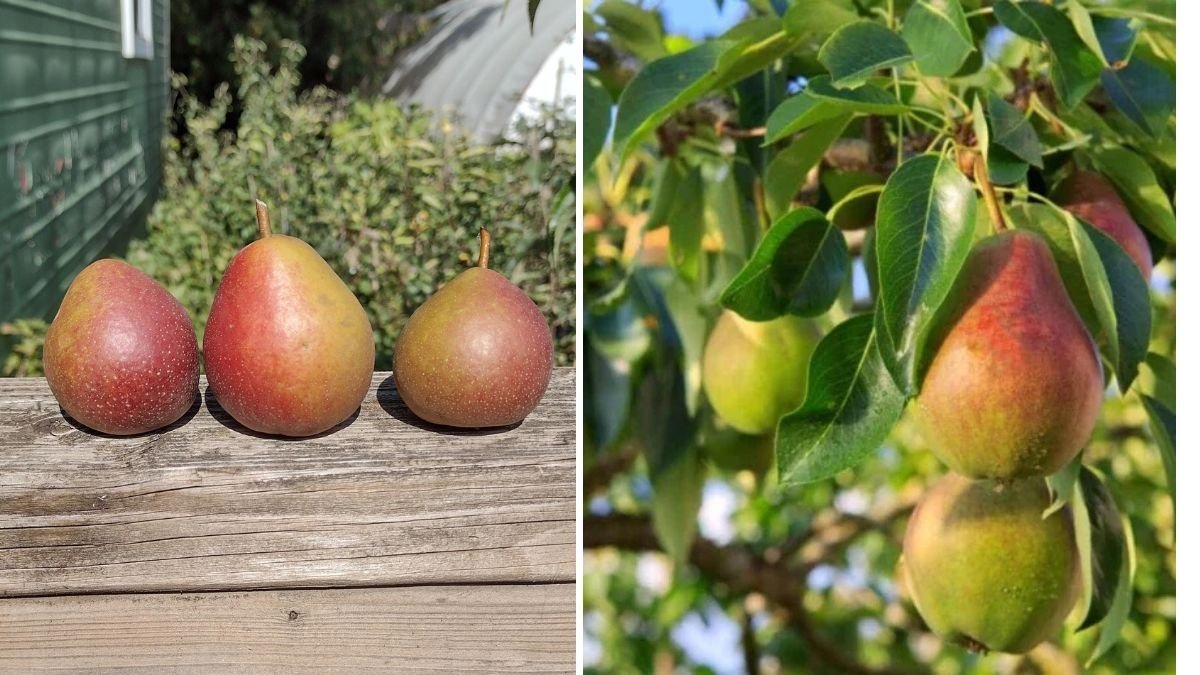
If you’ve ever wandered through an orchard in late summer and caught sight of a heavy-laden pear tree, chances are you’ve experienced one of nature’s sweetest gifts. Among the many pear varieties celebrated by fruit lovers, one stands apart for its exceptional flavor and elegance — the Doyenne du Comice pear. Known simply as Comice, this classic variety is often regarded as the “Queen of Pears.” In mid-August, when the orchard hums with life, the Comice begins to show its splendor — firm yet fragrant, promising a melt-in-your-mouth experience unlike any other.
This article takes you into the world of the Doyenne du Comice pear, exploring its origins, growing conditions, care, and the joy it brings to a no-dig organic orchard.
A Brief History of the Doyenne du Comice Pear
The Doyenne du Comice pear has deep European roots. It was first developed in France in the 1840s, at the Comice Horticole in Angers, a society of horticulturists dedicated to breeding exceptional fruit trees. The name itself reflects this origin — “Doyenne du Comice” meaning “Dean of the Horticultural Society.”
By the late 19th century, the variety had spread across Europe and into the United States, quickly becoming a favorite for both orchardists and fruit connoisseurs. Its reputation for a creamy texture and rich, honey-like sweetness earned it a place among the most luxurious pears, often featured in gourmet baskets and holiday fruit boxes.
Even today, the Comice pear stands as a symbol of orchard excellence — not just for its flavor but for its embodiment of careful cultivation and respect for nature’s rhythm.
Appearance and Taste: What Makes the Comice Pear Special
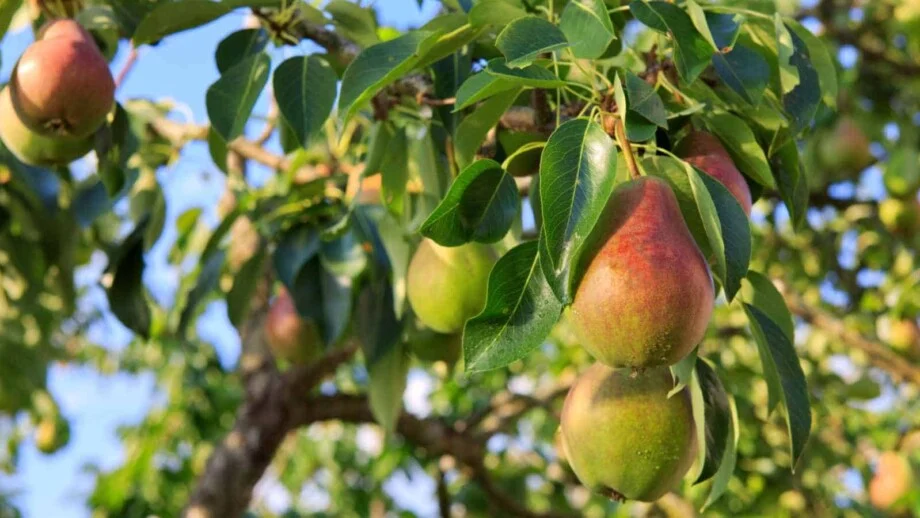
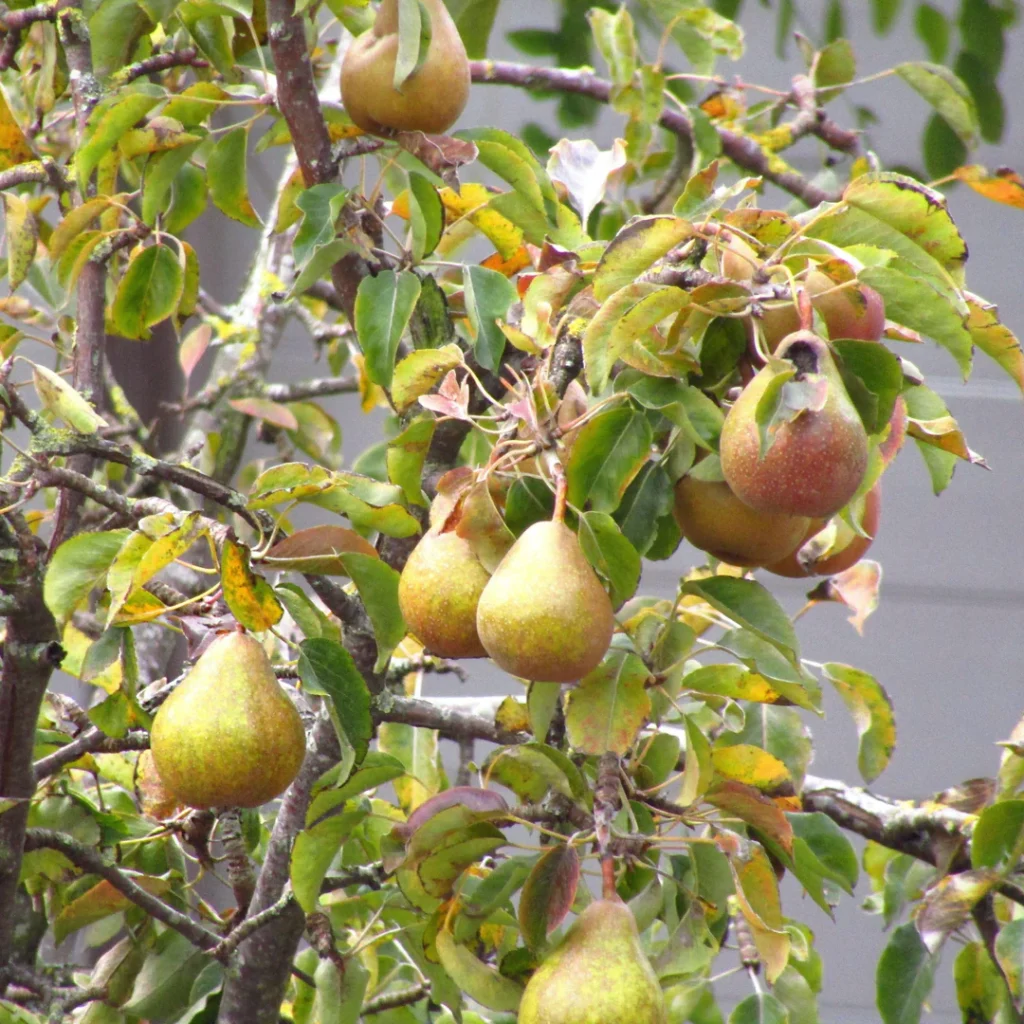
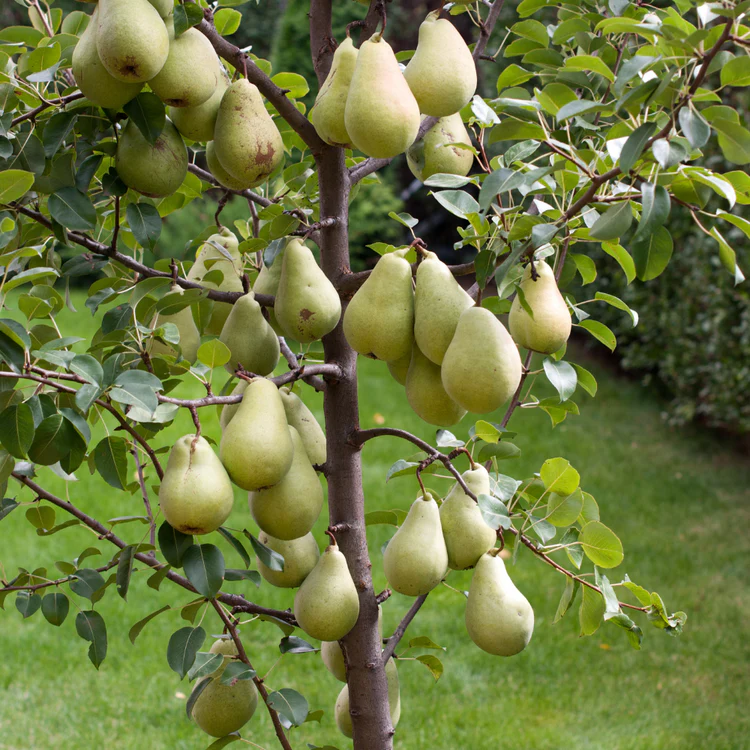
In mid-August, the Doyenne du Comice tree begins to showcase its beauty. The pears hang gracefully from sturdy branches, displaying a classic pear shape — rounded at the base, tapering elegantly toward the top.
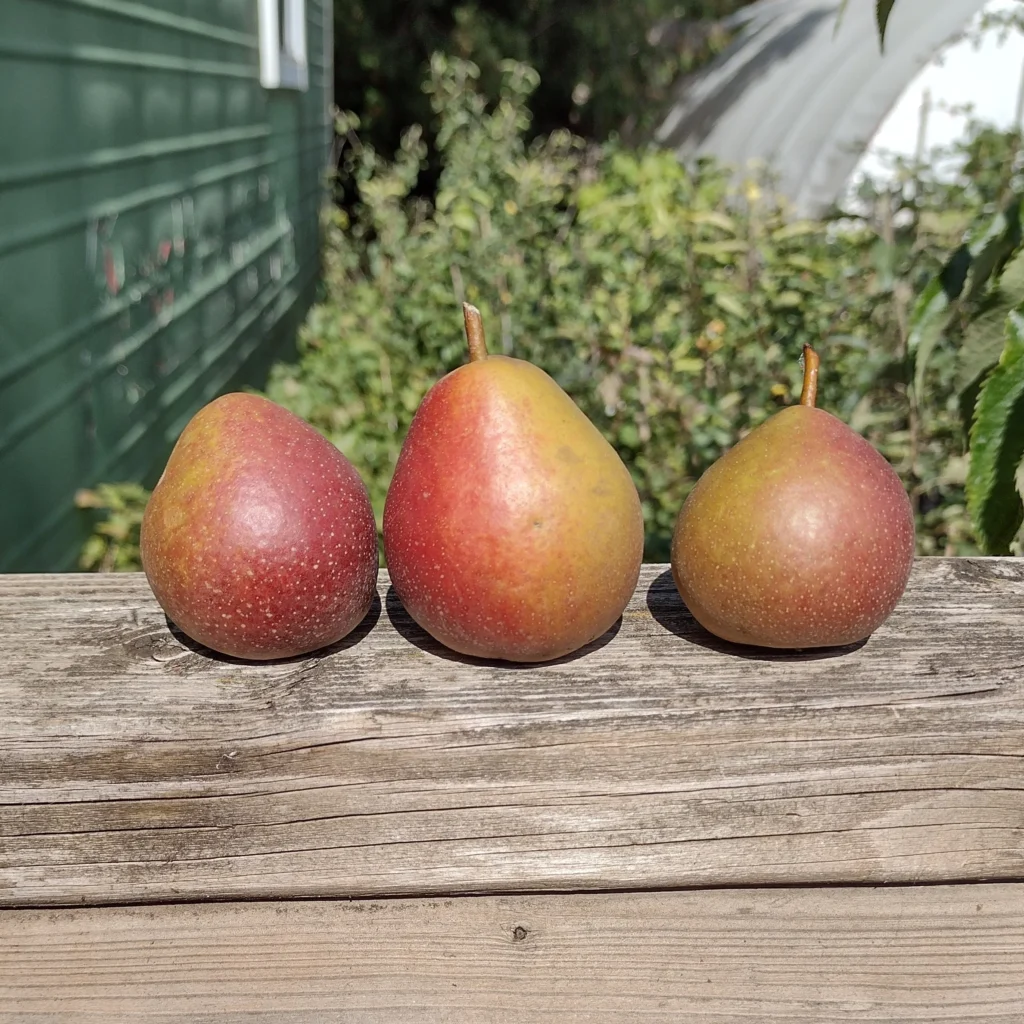
When mature, the skin takes on shades of greenish-yellow with a soft blush of red on the sun-exposed side. Unlike other pears that may have a grainy or firm texture, the Comice pear offers something truly distinct — its buttery, almost custard-like flesh that practically melts on the tongue.
The flavor is sweet yet delicately balanced, often described as having hints of honey, vanilla, and floral notes. It’s a pear that doesn’t demand companions — it’s perfect as it is, eaten fresh and ripened to perfection. However, it also pairs beautifully with cheeses like Brie or Gorgonzola, or when served alongside nuts and wine in a charcuterie setting.
Growing the Doyenne du Comice: An Organic Orchard Approach
Growing the Doyenne du Comice pear requires patience, care, and the right conditions, but the rewards are immense. In a no-dig organic orchard, this variety thrives with minimal soil disturbance and maximum biodiversity.
Let’s break down the essentials for growing Comice pears organically:
1. Choosing the Right Location
Comice pear trees prefer full sunlight and well-drained soil rich in organic matter. Because pears are susceptible to root rot in overly wet conditions, planting them in slightly elevated ground or raised mounds helps improve drainage.
2. Soil Preparation – The No-Dig Method
In a no-dig orchard, the soil ecosystem is preserved. Instead of tilling, gardeners build fertility through mulching, composting, and ground cover crops. Layers of organic matter — such as composted leaves, straw, or manure — create a living, breathable soil teeming with beneficial microbes and worms. This healthy soil network supports strong pear tree roots and promotes natural pest resistance.
3. Pollination Partners
The Doyenne du Comice is partially self-fertile, but for the best yields, it benefits from nearby pollinators. Ideal companions include Conference, Bosc, or Williams (Bartlett) pear varieties. Bees and other beneficial insects play a crucial role, which makes an organic setting — free from harmful chemicals — the perfect home for this pear.
4. Watering and Mulching
Regular, deep watering is key during the establishment phase. Once mature, Comice pears can handle short dry periods but appreciate consistent moisture. A thick mulch layer of wood chips or straw around the base helps retain water, regulate soil temperature, and suppress weeds.
5. Pruning for Shape and Health
Like all fruit trees, Comice pears need annual pruning to encourage light penetration and airflow. In a no-dig orchard, pruning is kept natural — removing only crossing or diseased branches while maintaining an open, vase-like shape. This balance reduces the risk of fungal issues and improves fruit quality.
The Beauty of the Comice Pear Tree in Mid-August
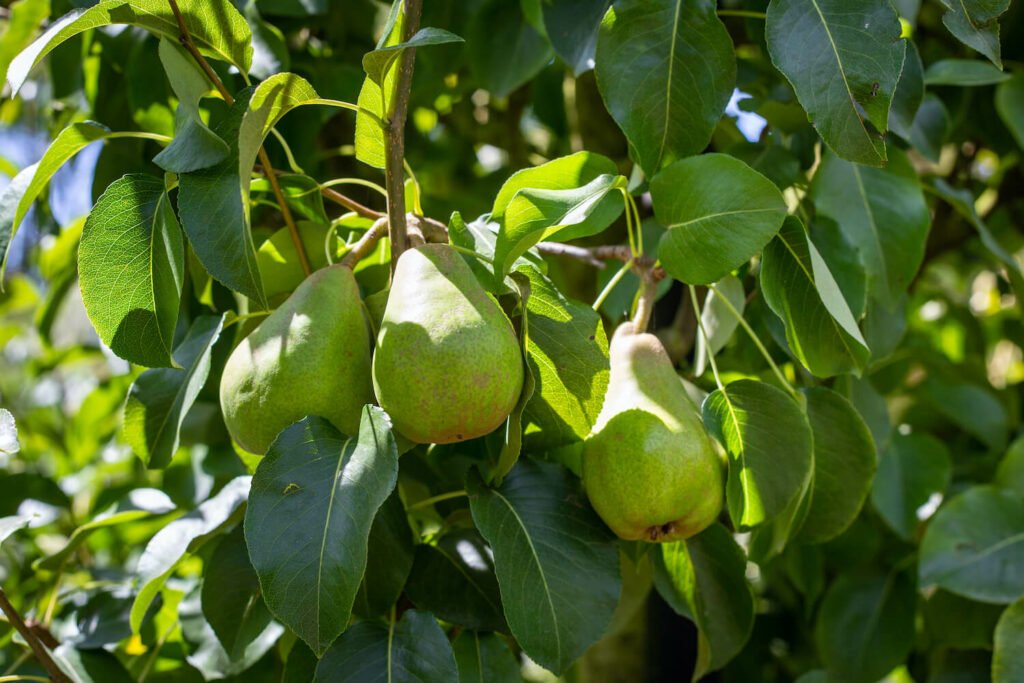
In mid-August, when much of the orchard is vibrant and full, the Comice pear is in its pre-harvest glory. The leaves glisten under the warm sun, and the branches bow slightly under the weight of developing fruit.
At this stage, the pears are firm and green, still ripening on the tree. As the days shorten and temperatures begin to dip, their skin develops a faint yellow blush, signaling the approach of the harvest season. For many orchardists, this period is magical — a moment that captures the harmony of nature’s cycle.
Pollinators hum nearby, soil organisms are at work, and the trees stand as living testaments to sustainable cultivation. The orchard floor, layered with mulch and clover, stays cool and moist, reducing the need for irrigation.
Harvesting and Ripening the Doyenne du Comice Pear
Unlike apples, pears — including Comice — are best harvested before they fully ripen on the tree. If left too long, they can become overripe and mealy. The key is to pick them when they’re mature but still firm, then allow them to ripen off the tree.
Here’s how to do it right:
- Harvest Timing: Typically, this happens in early to mid-September, depending on climate. The fruit should detach easily when lifted gently.
- Ripening: Store the pears at room temperature for a few days. The Comice will transform — the skin softens, the flesh becomes buttery, and the aroma turns sweetly floral.
- Storage: Once ripe, keep them in the refrigerator to extend shelf life. Comice pears can last up to two weeks if stored properly.
Enjoying the Flavor of Comice Pears
Few fruits rival the sensory pleasure of biting into a perfectly ripened Comice pear. The flesh yields gently, releasing a rush of sweet, nectar-like juice. Whether enjoyed fresh, baked in a tart, or paired with soft cheese, it’s a treat that celebrates both simplicity and sophistication.
Serving ideas include:
- Fresh slices with aged cheddar or Brie
- Poached Comice pears in honey or red wine for a decadent dessert
- Pear and arugula salad with walnuts and balsamic glaze
- Comice pear jam or compote for winter enjoyment
In France, where the variety originated, the Doyenne du Comice often graces holiday tables, reminding families of the orchard’s generosity and the sweetness of seasonal living.
The Legacy of No-Dig Organic Orcharding
The video showcasing the Doyenne du Comice pear in a no-dig organic orchard captures more than just the fruit’s beauty — it reflects a philosophy. A no-dig approach honors the soil as a living system rather than something to be conquered.
By avoiding mechanical tilling, preserving fungal networks, and relying on natural composts, gardeners nurture ecosystems that sustain themselves. The result? Healthier trees, richer flavor, and resilience against pests and disease.
This method aligns perfectly with the slow, patient nature of pear growing — letting nature work in harmony, not against it.
Final Thoughts
The Doyenne du Comice pear is not just another fruit tree — it’s a timeless heirloom, an example of what happens when humans work alongside nature instead of controlling it. Its lush texture, fragrant aroma, and buttery flavor have enchanted orchardists for generations.
Whether you’re an experienced grower or simply someone who appreciates the magic of homegrown fruit, the Comice pear embodies the heart of organic gardening — patience, care, and respect for life.
In mid-August, as these trees flourish under the summer sun, they remind us that great rewards come to those who nurture the earth thoughtfully. The Doyenne du Comice pear isn’t just grown — it’s crafted by nature and care, a sweet masterpiece of the orchard.

Leave A Comment