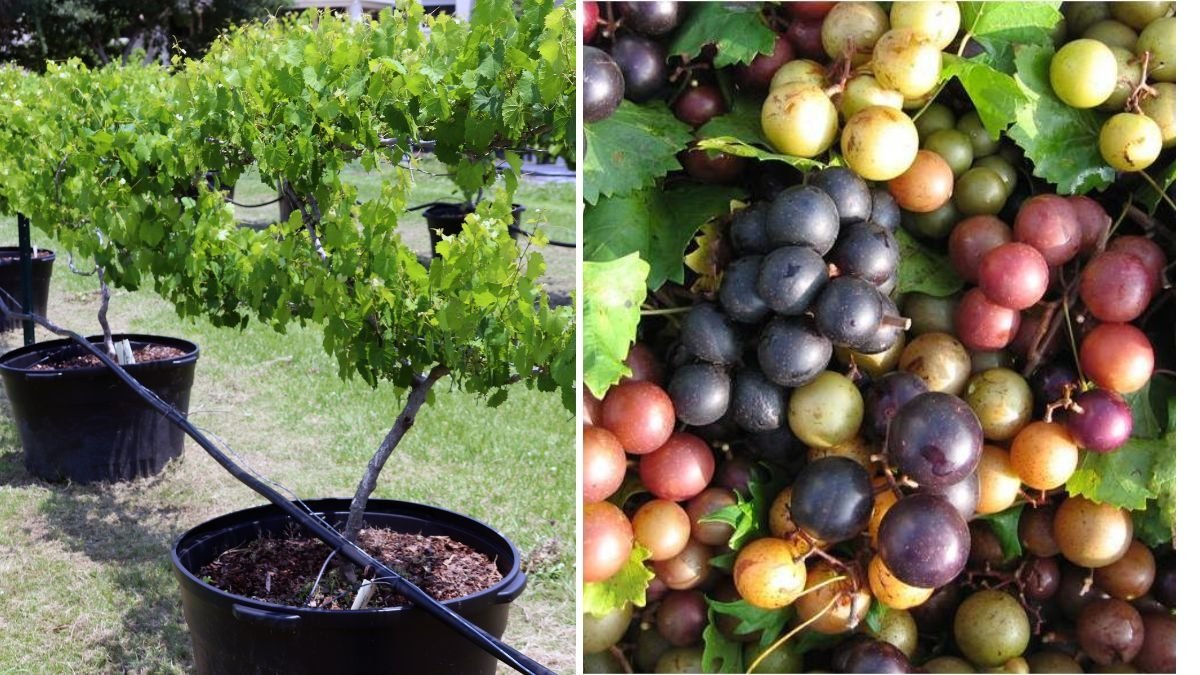
If you’ve ever dreamed of growing your own grapes but thought you didn’t live in the right climate, it’s time to meet the Muscadine grape (Vitis rotundifolia) — the South’s beloved, heat-loving fruit vine. Known for their rich flavor, glossy skins, and impressive resilience, Muscadine grapes are a perfect choice for home gardeners who want a hardy, low-maintenance crop that rewards them with sweet, aromatic fruit year after year.
This comprehensive guide will walk you through everything you need to know about growing Muscadine grapes at home, from choosing the right variety to planting, pruning, and harvesting your own luscious clusters.
What Makes Muscadine Grapes Special
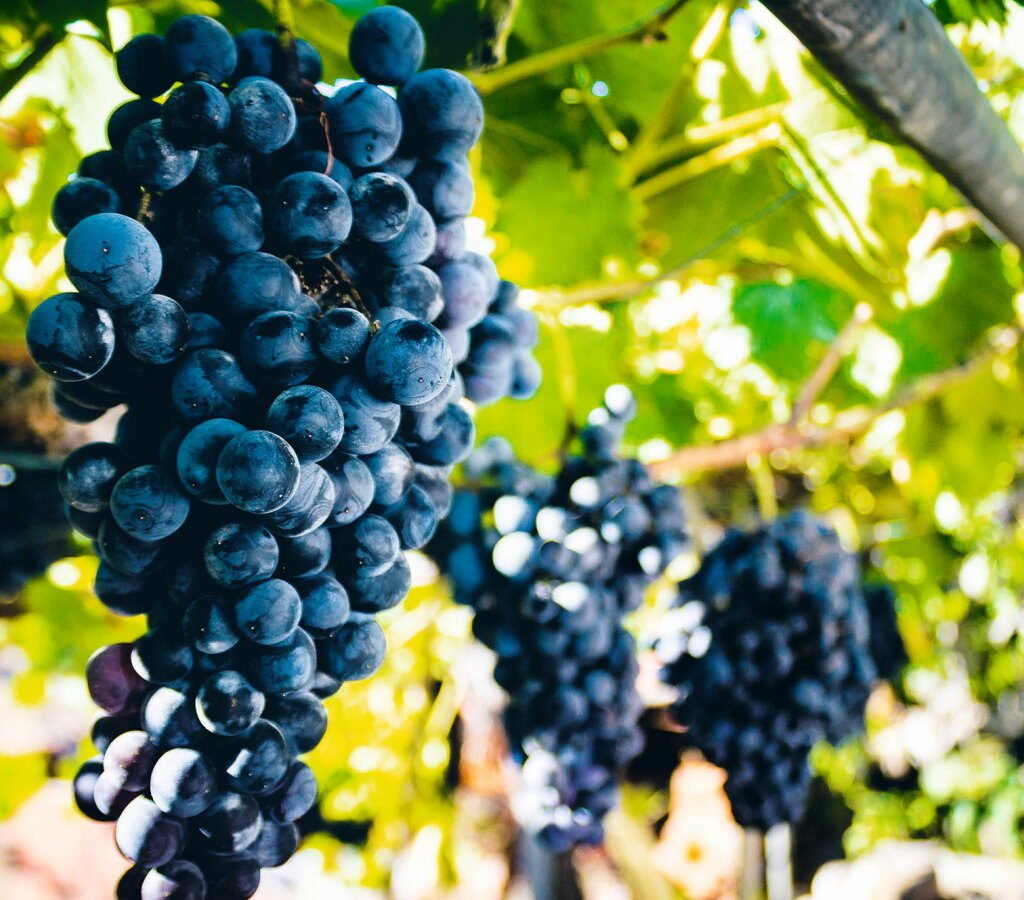
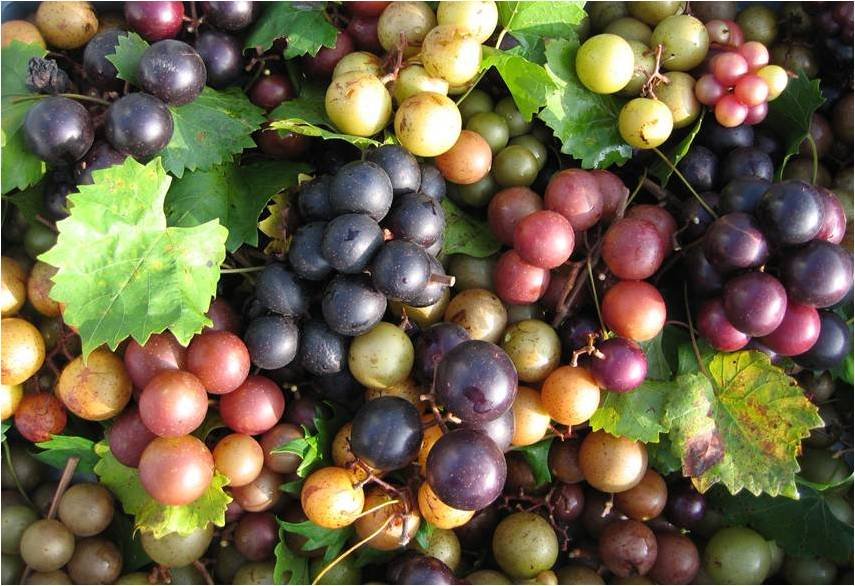
Muscadine grapes are native to the southeastern United States, thriving where most European and hybrid grapes struggle. They love long, hot summers and tolerate humidity exceptionally well.
Unlike the delicate grapes of cooler regions, Muscadines have a thicker skin, a distinctive musky aroma, and a bold, fruity flavor that makes them excellent for fresh eating, juice, jelly, and wine.
They’re also incredibly nutritious, loaded with resveratrol, antioxidants, and dietary fiber, making them not just a tasty fruit but a heart-healthy one as well.
Choosing the Right Muscadine Variety
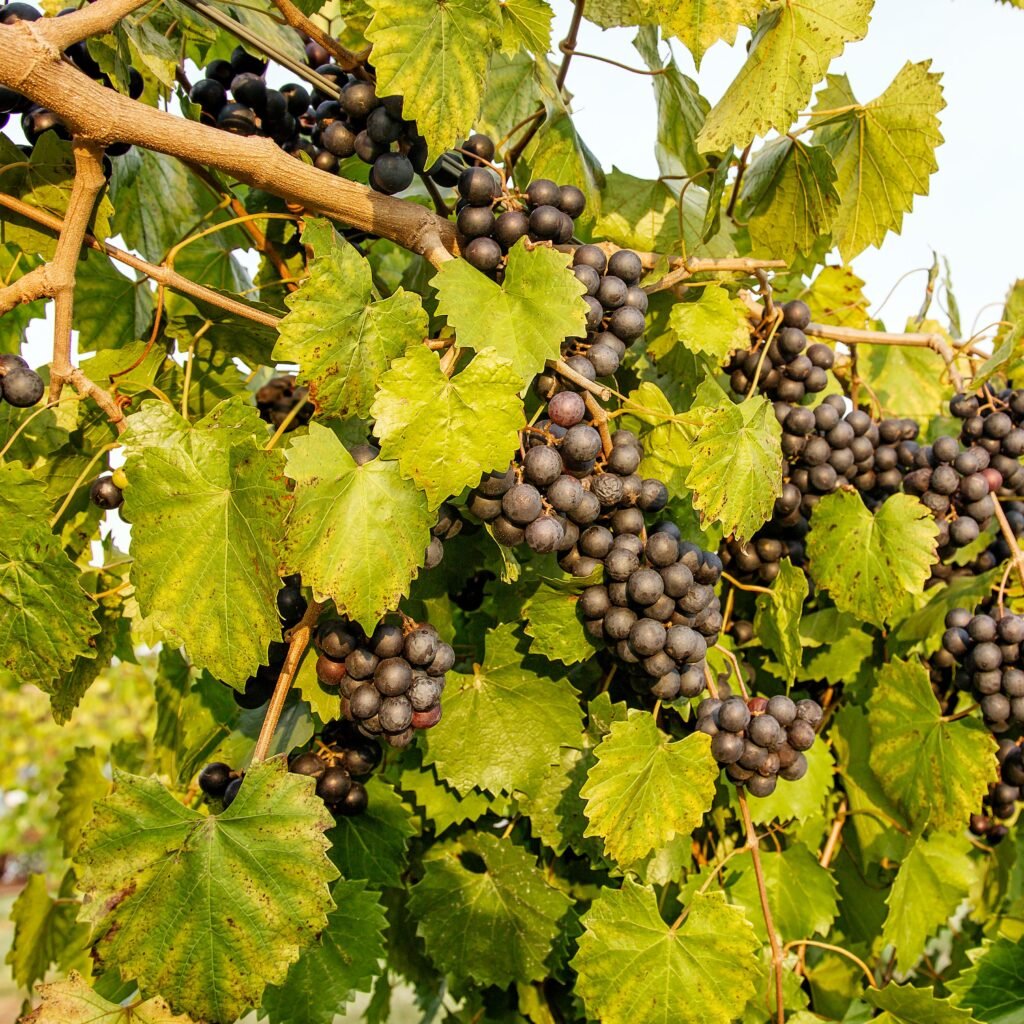
When it comes to Muscadines, choosing the right variety makes a big difference. There are two types to consider:
1. Self-Fertile Varieties
These have both male and female flower parts, meaning a single vine can produce fruit on its own. Ideal for small gardens.
Examples:
- ‘Carlos’ – great for wine and juice production
- ‘Noble’ – compact, heavy producer
- ‘Summit’ – sweet pinkish fruit for fresh eating
2. Female (Pistillate) Varieties
These need a self-fertile variety nearby for pollination but often produce larger and sweeter grapes.
Examples:
- ‘Scuppernong’ – famous golden-green fruit with honey flavor
- ‘Higgins’ – large bronze grapes, excellent for fresh eating
- ‘Fry’ – very productive with mild, sweet berries
For home gardeners, planting one self-fertile and one female variety ensures excellent cross-pollination and maximum yield.
Best Climate and Location
Muscadine grapes love warm climates (zones 7–10) but can also grow in slightly cooler areas with protection.
Sunlight:
Choose a location with full sun — at least 6–8 hours per day. More sunlight means sweeter fruit and fewer fungal problems.
Soil:
- Well-draining sandy or loamy soil is ideal.
- Slightly acidic soil with a pH between 5.5 and 6.5.
- Avoid heavy clay or waterlogged areas.
If your soil is heavy, amend it with compost, coarse sand, or organic matter to improve drainage.
Planting Muscadine Grapes
1. When to Plant
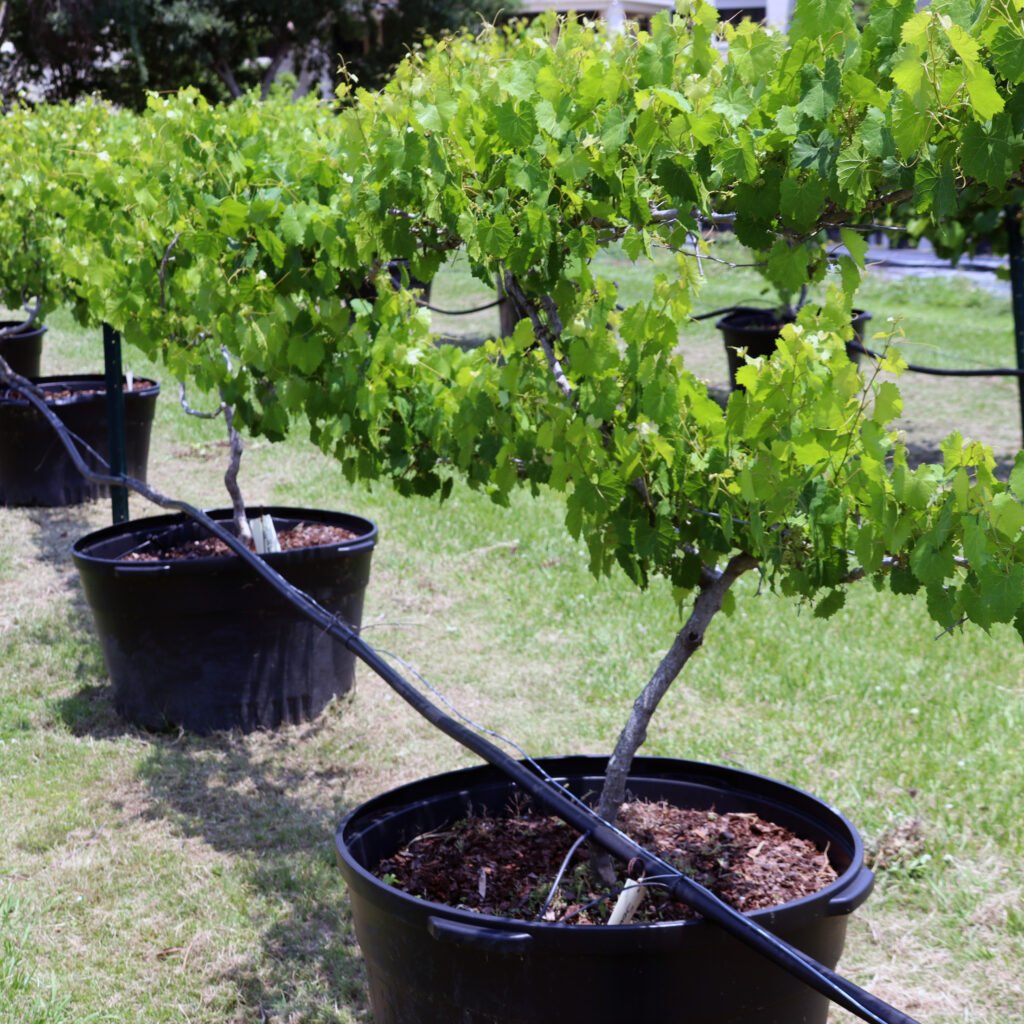
Plant Muscadine vines in late winter to early spring when the soil is workable but before new growth begins.
2. Spacing
- Space vines 12–20 feet apart in rows.
- Rows should be 8–10 feet apart for easy maintenance and airflow.
3. Planting Steps
- Dig a hole about 12 inches deep and wide enough for the root system.
- Mix compost and organic matter into the removed soil.
- Place the vine so that the crown is level with the soil surface.
- Backfill gently, firming the soil around the roots.
- Water deeply after planting.
Add a 2–3 inch layer of mulch around the base to conserve moisture and suppress weeds, but keep it a few inches away from the stem.
Training and Trellising
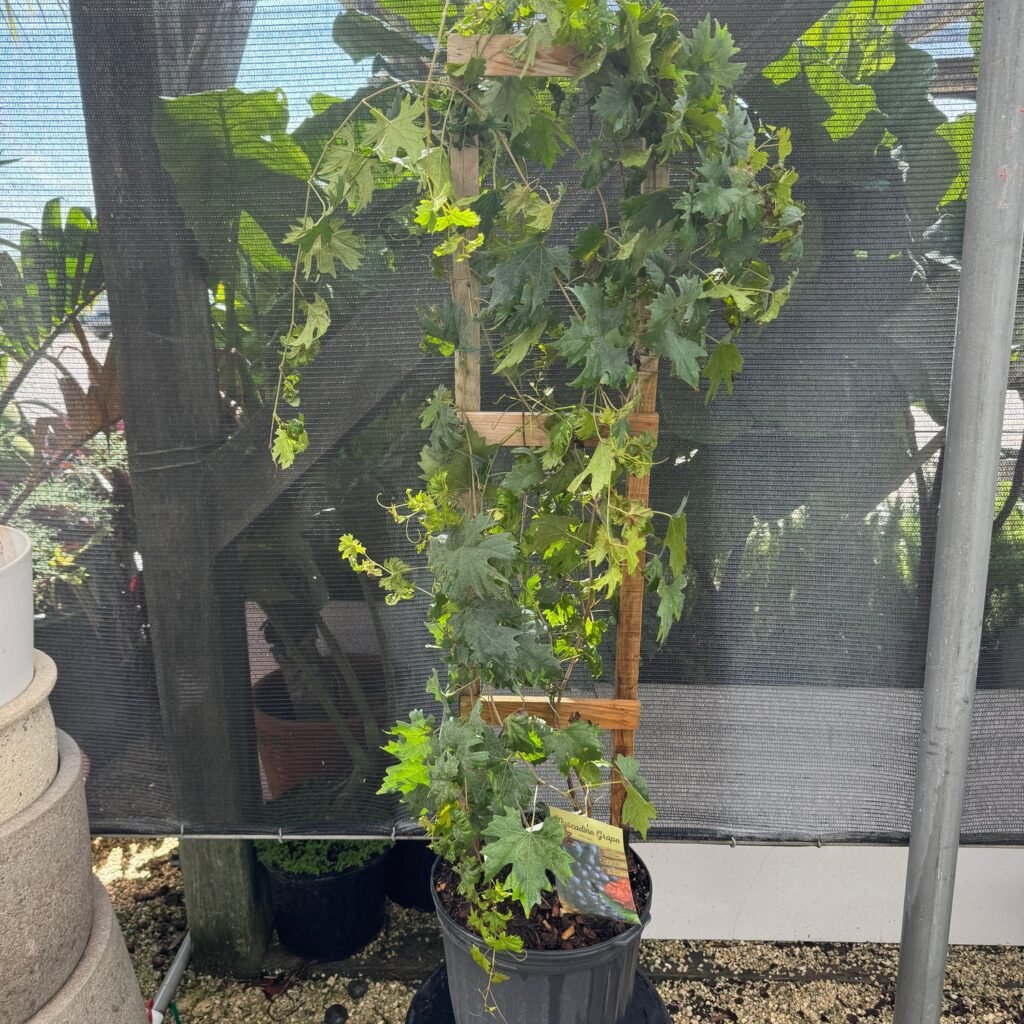
Muscadine vines are natural climbers that need support. A strong trellis system is essential for healthy growth and easy harvesting.
1. Single-Wire Trellis (Home Garden Favorite)
- Use sturdy posts (8 feet tall, 6 inches thick).
- Run a 12-gauge galvanized wire 5–6 feet above ground between posts spaced 20 feet apart.
- Train the vine up a stake to the wire, then encourage two main arms (cordons) to grow along it.
2. Arbor or Pergola
Perfect for backyard landscapes—adds shade and beauty while supporting fruit-laden vines.
Keep in mind that Muscadine vines can live for over 50 years, so a durable trellis system is a long-term investment.
Watering and Feeding
Muscadines are drought-tolerant once mature but produce best with consistent watering during fruiting.
Watering Tips
- Water young vines weekly for the first year (about 1 inch per week).
- Deep soak the soil instead of frequent shallow watering.
- Reduce watering once vines are established, except during dry spells.
Fertilization
Feed Muscadines lightly — too much nitrogen encourages leafy growth instead of fruit.
Fertilizer Schedule:
- Spring (before growth): Apply 1/4 pound of 10-10-10 fertilizer per vine.
- After fruit set: Add another 1/4 pound.
- Increase gradually each year until mature vines receive 2–4 pounds annually.
Add compost or leaf mulch yearly to improve soil health naturally.
Pruning Muscadine Grapes
Pruning is the most important step in Muscadine care. Without it, vines become tangled and unproductive.
When to Prune
- Late winter (January–February) before new growth begins.
- Avoid pruning after buds start swelling — this causes sap bleeding and stress.
How to Prune
- Cut back last year’s growth to 3–4 buds per spur (small branch).
- Remove dead or weak canes.
- Keep the main cordons trained along the trellis wire.
A well-pruned vine looks neat and open, allowing sunlight and air to reach the leaves and fruit.
Pollination and Fruit Set
Most Muscadines rely on wind and insects for pollination. If you plant both self-fertile and female types, ensure they are within 50 feet of each other for best fruit set.
Flowering occurs in late spring, and grapes mature from August to October depending on variety and climate.
You’ll notice fruit clusters forming along new shoots—each containing 6–12 grapes.
Pest and Disease Management
Muscadine grapes are remarkably pest- and disease-resistant, one of their greatest advantages. However, a few issues may appear:
Common Pests
- Japanese beetles: Feed on leaves; handpick or use neem oil.
- Aphids: Attracted to tender growth; wash off with water or spray insecticidal soap.
Common Diseases
- Black rot: Fungal spots on leaves or fruit; prune infected parts and improve airflow.
- Powdery mildew: White coating on leaves; treat with sulfur-based fungicide or natural sprays.
Keeping vines pruned, well-spaced, and in full sun is the best preventive strategy.

Harvesting Muscadine Grapes
Muscadines don’t ripen all at once — you’ll need to harvest over several weeks.
When to Harvest
- Grapes are ready when they are fully colored (bronze, purple, or black depending on variety) and slightly soft to touch.
- Taste test: Ripe fruit should be sweet and aromatic with a slight tang.
How to Harvest
- Pick individual grapes by hand instead of cutting whole clusters.
- Handle gently — the skins can crack easily when overripe.
Store grapes in the refrigerator for up to one week, or process immediately into juice, jelly, or wine.
Using Muscadine Grapes
Once harvested, Muscadines are incredibly versatile:
- Fresh Eating: Enjoy their rich, musky flavor and chewy skin.
- Juice or Smoothies: Blend and strain for nutrient-packed drinks.
- Jelly and Jam: Boil with sugar and pectin for sweet preserves.
- Wine and Cider: Ferment for a uniquely Southern, aromatic drink.
Their deep skins and seeds contain powerful antioxidants that promote heart and immune health.
Winter Care and Longevity
Muscadine vines are hardy but appreciate a little winter care:
- Apply mulch around the base to protect roots from cold.
- Remove any remaining leaves or fallen fruit to prevent disease.
- Avoid fertilizing late in the season — it encourages tender new growth that may freeze.
With proper care, Muscadine vines can live for decades, often producing reliably for 30–50 years or more.
The Joy of Growing Muscadine Grapes at Home
There’s something truly satisfying about harvesting your own grapes — watching vines burst with fruit under the sun, hearing the hum of bees in their blossoms, and tasting the earthy sweetness of each bite.

Muscadine grapes embody strength, abundance, and Southern charm. They thrive where others fail, offering beauty, nutrition, and tradition in every cluster.
Whether you’re growing them on a backyard trellis, along a fence, or on a rustic pergola, Muscadines reward you with a lifetime of harvests and flavor.
Conclusion
The Muscadine grape is more than just a fruit; it’s a living piece of heritage, resilience, and flavor. By understanding its needs — warmth, sunlight, and a little pruning — anyone can cultivate this incredible vine at home.
Follow these steps, give your vines time to establish, and you’ll enjoy baskets of golden and purple Muscadines each season — proof that the best fruits often come from the heart of nature itself.
So, if you’re looking for the best grape to grow at home, look no further. Muscadines are tough, rewarding, and delicious — truly the perfect backyard vineyard companion.

Leave A Comment