
Few plants evoke such a deep sense of wild beauty and discovery as the wild grape (Vitis spp.). Found climbing over trees, fences, and forgotten corners of woodlands, wild grapes tell stories of resilience and renewal. Their twisting tendrils and broad leaves capture not just sunlight, but also imagination—reminding us how nature thrives without our intervention.
In this article, I’ll share the story of my wild grape—how it began, how it has grown, and the exciting update that changed everything. Along the way, we’ll explore how wild grapes live, grow, fruit, and why they hold such ecological and cultural importance.
The Beginning: Discovering My Wild Grape
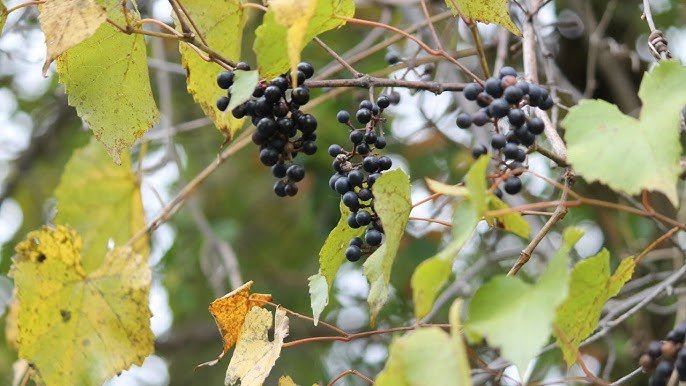
My journey with wild grapes began almost by accident. A few years ago, while clearing a patch of overgrown shrubs near the edge of my property, I noticed a tangle of thin vines curling around a small sapling. The leaves were heart-shaped, vibrant green, and serrated along the edges. I almost pulled it out, assuming it was just another weed—until I saw the telltale tendrils and faint clusters of tiny flowers.
Something about that vine intrigued me. I decided to let it grow.
Within weeks, it climbed upward, wrapping itself gracefully around nearby branches. By late summer, small green grape clusters began to form. That was when I realized what I had—a wild grapevine, thriving naturally without any care or cultivation.
Identifying the Wild Grape (Vitis spp.)
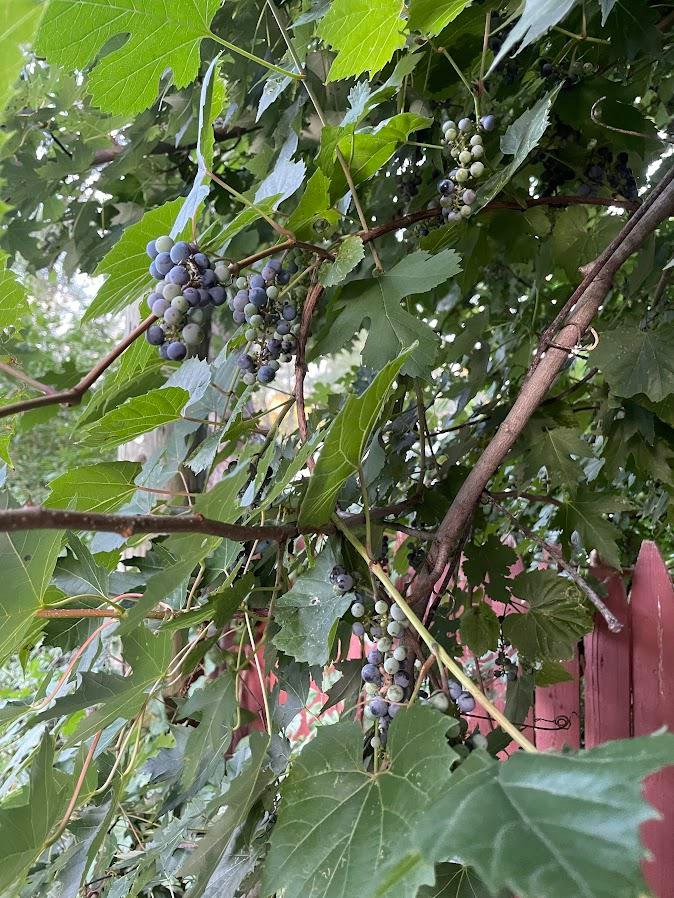
Wild grapes belong to the Vitis genus, a diverse group of vigorous climbing vines found throughout North America. Some common species include:
- Vitis riparia (Riverbank Grape): Found along rivers and forest edges. Hardy and cold-tolerant.
- Vitis labrusca (Fox Grape): Known for its strong, musky flavor and as the ancestor of Concord grapes.
- Vitis aestivalis (Summer Grape): Prefers dry, rocky soils; produces sweet, small fruits.
My vine, based on leaf shape and habitat, appeared to be Vitis riparia—a native species that thrives in wild habitats near water.
Key Identification Features
- Leaves: Broad, heart-shaped with serrated edges.
- Tendrils: Curling structures opposite the leaves, used for climbing.
- Flowers: Tiny, greenish-yellow clusters in spring.
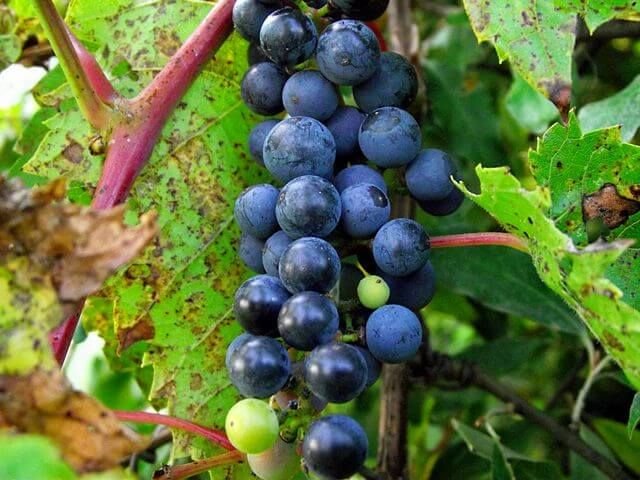
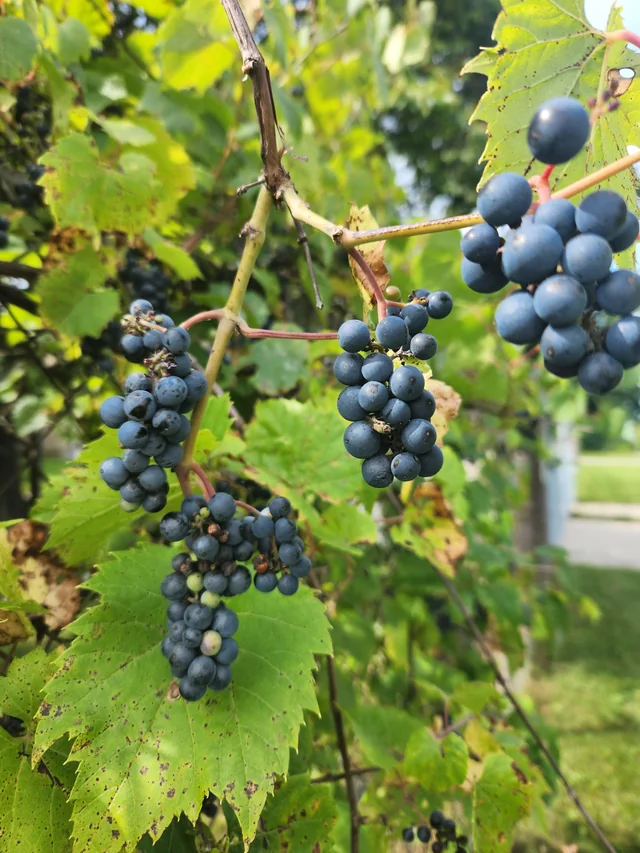
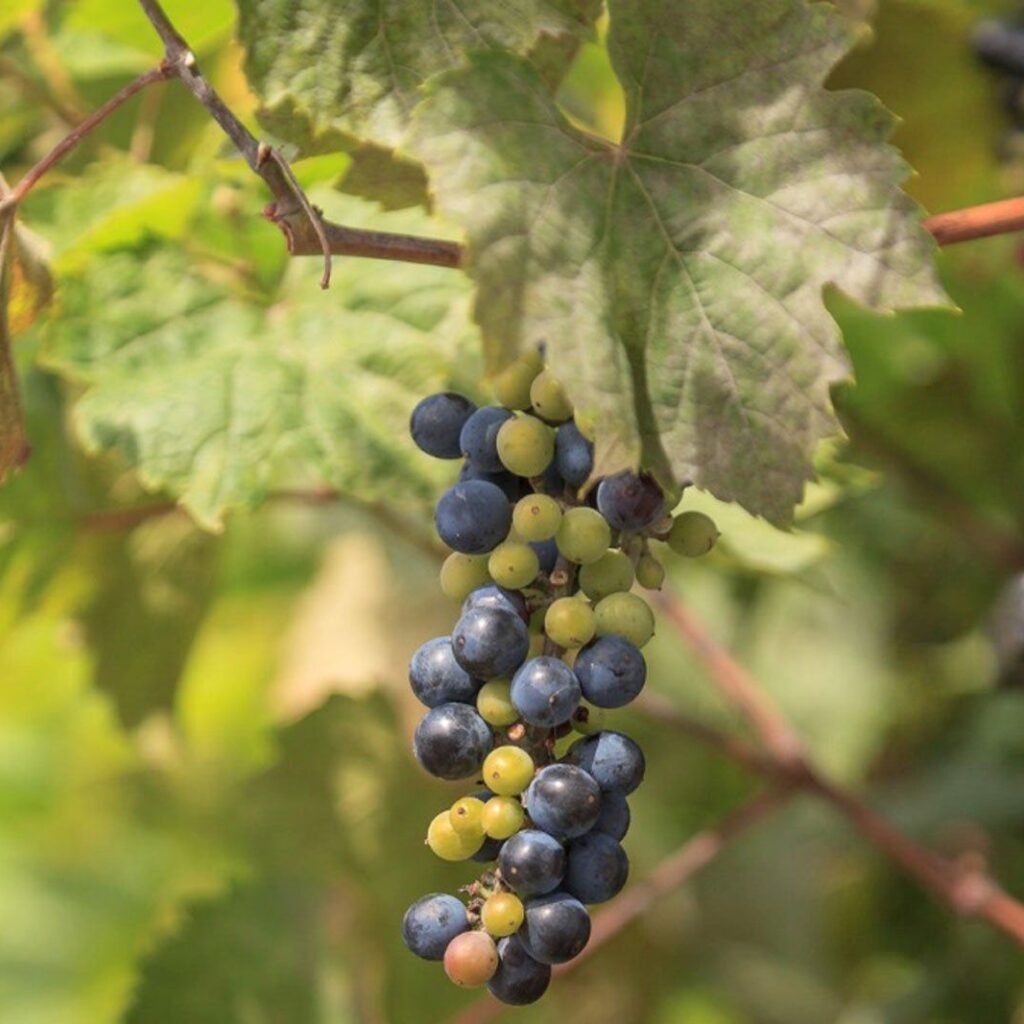
- Fruits: Small, bluish-purple grapes with a natural bloom (white powdery coating) when ripe.
- Bark: Reddish-brown and shreddy with age.
The Growth Pattern: A True Survivor
One of the most fascinating traits of wild grapes is their tenacity. Once established, they grow vigorously—sometimes up to 50 feet or more in a season! Their roots dive deep into the soil, allowing them to survive drought and poor conditions.
My vine followed the same pattern. By its second year, it had reached the top of a nearby fence and began stretching toward a tall maple. Its leaves created a curtain of green, offering both shade and beauty.
What impressed me most was that I had done nothing to help it—no watering, no pruning, no fertilizing. It was pure wild strength.
Wild Grapes and the Ecosystem
Wild grapes are not just beautiful—they are ecological keystones. Their presence benefits an entire network of wildlife.
1. Food for Birds and Mammals
Over 60 bird species feed on wild grapes, including thrushes, cardinals, and cedar waxwings. Mammals such as raccoons, foxes, and even black bears enjoy the fruit when ripe.
2. Habitat and Shelter
The dense foliage offers shelter to small birds and insects. Even in winter, the vines provide cover and perching spots.
3. Soil and Erosion Control
The deep roots of wild grapes stabilize soil along riverbanks and slopes, reducing erosion naturally.
4. Pollinator Support
The small flowers attract native bees and other beneficial insects in spring, supporting pollinator populations.
Having this vine in my garden wasn’t just about growing a plant—it was about nurturing a living ecosystem.
Challenges Along the Way
Of course, no gardening story is without challenges. Wild grapes are powerful growers—so much so that they can sometimes overwhelm trees or structures if left unchecked. Their weight, especially when wet or fruiting, can pull down weaker branches.
In my case, I had to carefully prune the vine to prevent it from overtaking a young peach tree nearby. It’s a balance—letting nature thrive while maintaining harmony in the garden.
Another issue was bird competition. The grapes ripened quickly, and before I could even taste them, birds had devoured almost the entire crop! I learned to harvest early—when the grapes were just beginning to soften.
Propagation and Cultivation Tips
If you’re inspired to grow your own wild grapevine, here’s how you can start:
1. From Seed
- Collect ripe wild grapes in late summer or early fall.
- Remove seeds, wash them, and let them dry.
- Stratify by placing seeds in moist sand in the refrigerator for 3 months.
- Sow in spring in well-draining soil.
2. From Cuttings
- Take hardwood cuttings in winter, about 8–10 inches long.
- Dip in rooting hormone and plant in a moist, sandy mix.
- Keep warm and slightly humid until roots develop.
3. Site Selection
Wild grapes love:
- Full sun for maximum fruiting
- Well-drained loam or sandy soil
- Strong support such as fences or trellises
They are incredibly hardy once established.
The Exciting Update: My Wild Grape’s First Big Harvest
After years of patient observation, last season brought the moment I had been waiting for—the first full harvest of my wild grapevine.
Clusters of dusky blue grapes hung heavily beneath the leaves. Their scent was rich and earthy, slightly musky like forest air after rain. I picked the first handful in late August and tasted them right off the vine—tart, slightly sweet, and bursting with wild flavor.
Wild grapes are not like their cultivated cousins. They are smaller, with thicker skins and more seeds, but their flavor intensity is unmatched. They carry a tangy complexity that feels ancient—like tasting the land itself.
I used the harvest to make wild grape jelly and fermented juice, both of which turned out extraordinary. The jelly had a deep, wine-like taste with hints of spice and forest berries. The juice, slightly fizzy after fermentation, was refreshing and tangy.
This first harvest was more than just fruit—it was the reward of patience and respect for nature’s rhythm.
Cultural and Historical Significance
Wild grapes have played a role in human life for centuries. Indigenous peoples of North America used wild grape leaves, roots, and fruit for food, medicine, and dye.
- Leaves were boiled and eaten or used to wrap food (similar to Mediterranean dolmas).
- Fruit was made into jelly, vinegar, or fermented wine.
- Roots and bark were used for medicinal teas to treat coughs or stomach issues.
Early settlers also relied on wild grapes before cultivated varieties became common. Some of today’s most famous grapes, including Concord, were developed from wild Vitis labrusca stock.
Lessons from the Wild Vine
Watching my wild grape grow has taught me profound lessons about resilience, patience, and coexistence. Unlike cultivated plants that rely on human care, wild grapes thrive on their own terms. They don’t demand—they adapt.
They show that even in neglected or forgotten spaces, nature finds a way to flourish.
Every year, as I see new shoots emerging from the old vine, I’m reminded of nature’s enduring cycle of renewal. It’s a living metaphor for persistence and balance.
Looking Ahead: What’s Next for My Wild Grape
Encouraged by its success, I plan to expand the area into a mini wild fruit corner. I’ll be adding native species such as elderberries, serviceberries, and wild black raspberries—creating a small permaculture-style food forest that blends productivity with ecology.
I’ll also experiment with training one vine onto a trellis to make harvesting easier, while allowing another to climb freely in its natural style. The goal is to observe how each method affects growth, fruiting, and wildlife interaction.
Conclusion
“My Wild Grape, and an Exciting Update” isn’t just a story about a vine—it’s a celebration of connection with the wild. From a humble discovery to a fruitful harvest, the journey reminds us that beauty often lies in what grows naturally, without control or expectation.
The wild grape stands as a living symbol of adaptability and abundance. It thrives on sunlight, soil, and freedom—proving that sometimes the best results come not from cultivating perfection, but from embracing nature’s own design.
So next time you walk through a forest or along a riverside and see a vine reaching for the sky, take a closer look. It might just be a wild grape—carrying centuries of resilience, waiting to share its story.

Leave A Comment