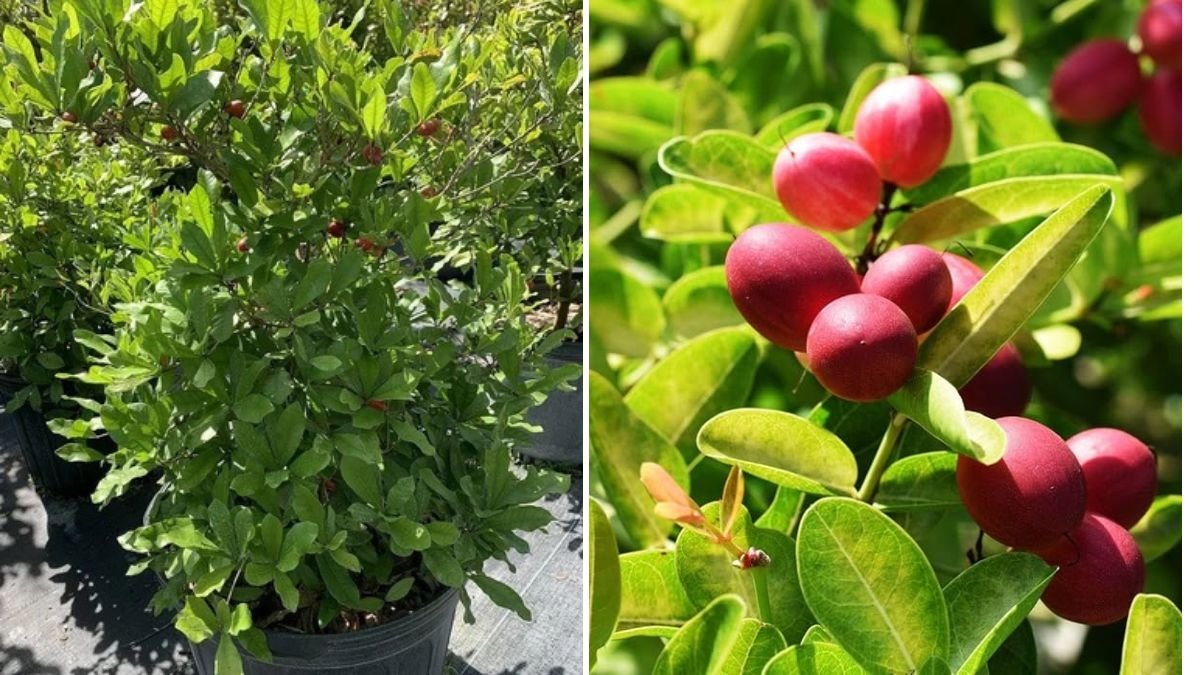
The Miracle Fruit (Synsepalum dulcificum), also known as the Miracle Berry or Magic Berry, is one of nature’s most fascinating plants. Its small, red berries have an extraordinary ability to make sour or bitter foods taste sweet, thanks to a unique glycoprotein called miraculin. Native to West Africa, the plant has gained global attention not only as a novelty but also for its potential uses in health, medicine, and food industries.
In recent years, interest in miracle fruit cultivation has grown rapidly due to its high market value and usefulness in managing dietary restrictions, diabetes, and chemotherapy-related taste alterations. This article explores everything you need to know about miracle fruit farming, the two main varieties, and how to grow this amazing plant successfully — whether in a garden, greenhouse, or container.
1. Introduction to Miracle Fruit
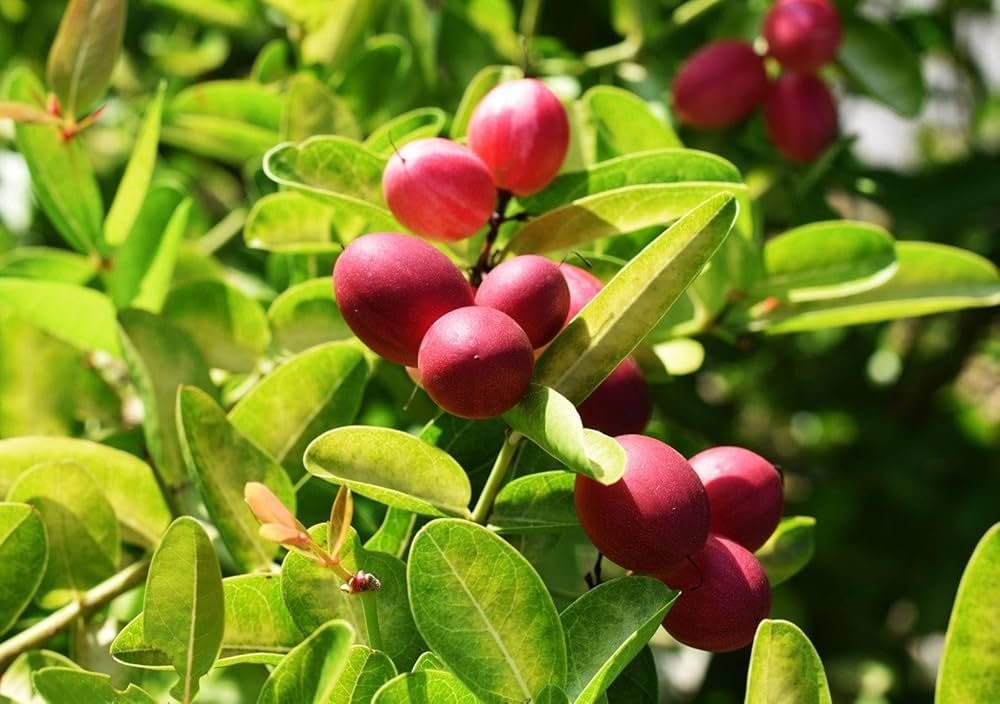
The miracle fruit is a small, evergreen shrub belonging to the family Sapotaceae, the same family as sapodilla (Manilkara zapota). It typically grows 2–4 meters tall and produces oval-shaped red berries about 2–3 cm long.
The magic lies in the berry’s pulp, which contains miraculin, a glycoprotein that temporarily alters the tongue’s taste perception, making acidic foods like lemons or vinegar taste delightfully sweet for up to an hour.
Because of this unique property, miracle fruit is used in:
- Flavor-enhancing applications
- Diabetic diets as a natural sweetener substitute
- Cancer therapy to improve taste perception during treatment
- Health foods and culinary experiments
2. The Two Main Varieties of Miracle Fruit
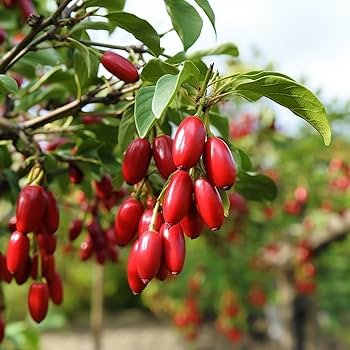
There are two main varieties of miracle fruit available for cultivation — both similar in taste-altering properties but with slight differences in growth habit, berry size, and adaptability.
a. Common Miracle Fruit (Synsepalum dulcificum)
This is the most widely cultivated variety. It is native to tropical West Africa and is known for its bright red fruits and consistent flavor-mirroring effect.
- Height: 2–4 meters (shrub or small tree)
- Fruit: Oval, bright red, about 2 cm long
- Flavor effect: Lasts 30–60 minutes
- Climate preference: Thrives in humid tropical or subtropical climates
- Ideal for: Commercial cultivation and home gardens
b. Giant Miracle Fruit (Synsepalum subcordatum)
A rarer variety, native to similar regions, but with larger berries and slightly taller growth.
- Height: Up to 5–6 meters
- Fruit: Larger, 3–4 cm long, more fleshy pulp
- Flavor effect: Slightly stronger and longer-lasting (up to 90 minutes)
- Climate preference: Similar to the common type but prefers slightly higher humidity
- Ideal for: Enthusiasts and collectors
Both varieties share similar growing requirements but may differ slightly in water and humidity tolerance. The common variety is more adaptable and thus more popular among growers worldwide.
3. Ideal Climate and Growing Conditions
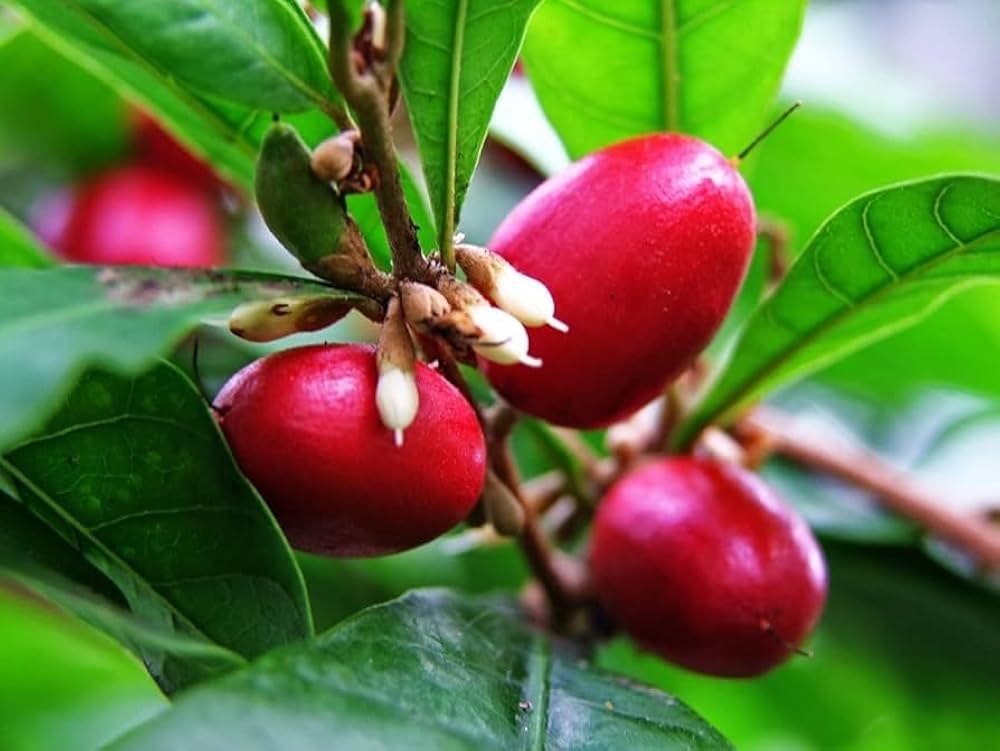
Miracle fruit thrives in warm, humid tropical and subtropical climates. It can also be grown successfully in greenhouses or indoors with controlled conditions.
- Temperature: Prefers 20°C to 30°C; cannot tolerate frost or prolonged cold.
- Humidity: Requires high humidity (above 60%) for good growth and fruiting.
- Rainfall: About 1500–2500 mm annually, evenly distributed.
- Light: Prefers partial shade to full sunlight; young plants grow best with filtered light.
- Wind: Protect from strong, dry winds to prevent leaf scorch.
For regions with cooler climates, the miracle fruit can be grown in containers and brought indoors during winter.
4. Soil Requirements
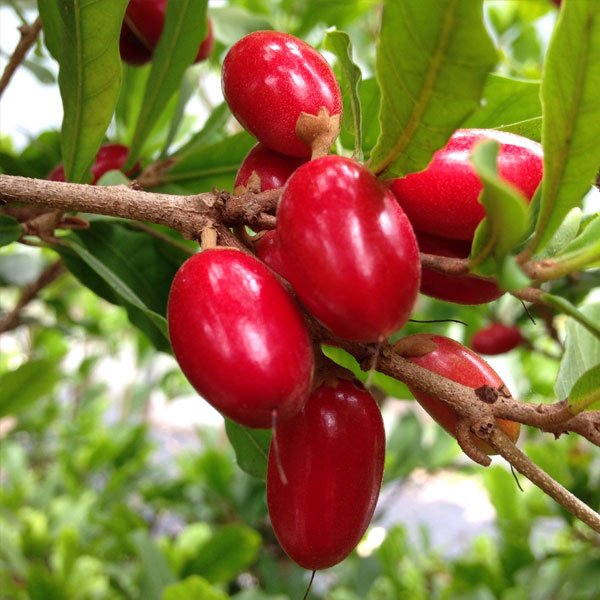
Miracle fruit prefers acidic, well-draining soil. The root system is shallow and sensitive to alkalinity or salt accumulation.
- Soil Type: Sandy loam or loamy soil rich in organic matter
- Soil pH: Between 4.5 and 6.0 (acidic conditions are essential)
- Drainage: Excellent drainage is necessary to prevent root rot
- Organic Matter: Incorporate compost, peat moss, or coco peat for moisture retention
Avoid calcareous or clayey soils, as alkaline conditions can stunt growth and cause yellowing of leaves (iron deficiency).
5. Propagation Methods
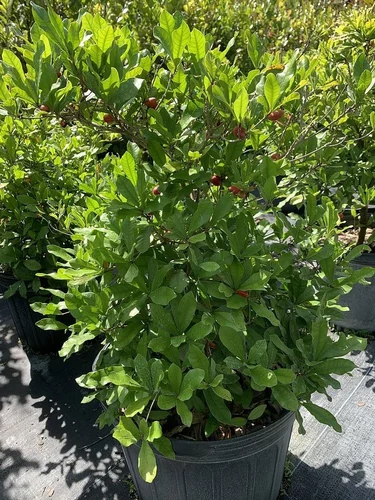
Miracle fruit can be propagated through seeds or vegetative methods (cuttings, grafting, or air layering).
Seed Propagation:
- Use fresh seeds, as they lose viability quickly.
- Clean the pulp, and plant immediately in moist, acidic soil.
- Germination takes 3–6 weeks under warm, humid conditions.
- Transplant seedlings after they develop 3–4 true leaves.
Vegetative Propagation:
- Air layering or grafting is preferred for maintaining parent traits and faster fruiting.
- Vegetatively propagated plants bear fruit in 2–3 years, while seed-grown plants take 4–5 years.
6. Planting and Spacing
When establishing a miracle fruit orchard or planting in pots:
- Spacing: Maintain 2.5 to 3 meters between plants for proper air circulation.
- Pit preparation: Dig pits 45 × 45 × 45 cm and fill them with a mix of soil, compost, and sand.
- Planting time: Best during the early rainy season or in mild weather.
- Mulching: Apply organic mulch (coconut husk, straw, or leaf litter) to retain moisture and suppress weeds.
7. Watering and Irrigation
Consistent moisture is crucial for miracle fruit. However, avoid waterlogging, as it can cause root rot.
- Watering frequency: Water regularly, especially during dry spells.
- Irrigation system: Drip irrigation is ideal for maintaining constant moisture without saturation.
- Humidity maintenance: Mist the leaves occasionally in dry conditions to mimic the tropical environment.
8. Fertilization and Nutrient Management
The miracle fruit plant grows best with organic fertilizers and a slightly acidic nutrient source. Over-fertilization with chemical products can harm the roots.
Recommended Fertilization Schedule:
| Plant Age | Organic Compost (kg/tree) | NPK (10:10:10) (g/tree) | Frequency |
|---|---|---|---|
| 1–2 years | 5–10 | 100 | Every 3 months |
| 3–4 years | 15–20 | 200 | Every 3 months |
| 5+ years | 25–30 | 300 | Twice a year |
Add iron sulfate or elemental sulfur occasionally to maintain soil acidity. Regular applications of seaweed extract or compost tea also help in better growth and fruiting.
9. Pruning and Training
Pruning is important for shaping the plant and encouraging branching.
- Remove dead or diseased branches.
- Pinch the growing tips to promote a bushy shape.
- After fruiting, trim lightly to encourage new flushes.
Miracle fruit plants naturally grow as compact shrubs, so minimal pruning is needed.
10. Flowering and Fruiting
Miracle fruit begins to flower after 2–3 years (earlier for grafted plants).
- Flowers are small, white, and borne on the leaf axils.
- Fruit formation takes 3–4 months after flowering.
- The berries ripen from green to bright red, signaling maturity.
- Harvesting is done by hand to avoid damaging the fruit.
The plants can bear fruit multiple times a year under favorable conditions, typically after each growth flush.
11. Common Pests and Diseases
Miracle fruit is relatively hardy but may face minor pest issues.
- Aphids and whiteflies: Suck sap from tender shoots; control with neem oil sprays.
- Root rot: Caused by overwatering; ensure proper drainage.
- Leaf chlorosis: Indicates iron deficiency due to high soil pH; apply iron chelates or sulfur.
Regular observation and good hygiene practices can keep the plants healthy and productive.
12. Harvesting and Yield
Harvest fruits when fully red and firm. Avoid picking them when partially green, as they won’t ripen further.
- Yield: A mature plant can produce 500–1,000 berries annually, depending on care and environment.
- Handling: Fruits are delicate; handle gently to prevent bruising.
- Storage: Fresh fruits last 2–3 days at room temperature and up to 2 weeks under refrigeration.
Miracle fruit can also be freeze-dried or processed into powders or tablets for extended use and export markets.
13. Uses and Health Benefits
The miracle fruit is not only a flavor enhancer but also a functional food with several health advantages:
- Natural Sweetness Aid: Helps diabetics enjoy sour foods without sugar.
- Cancer Support: Used to counter taste alterations during chemotherapy.
- Weight Management: Reduces sugar cravings naturally.
- Rich in Antioxidants: Contains vitamins C and A, polyphenols, and flavonoids.
- Oral Health: Promotes a healthier palate and reduces acidity.
The plant is now being researched for pharmaceutical and nutraceutical applications, especially as a natural sugar alternative.
14. Economic Importance and Market Potential
Miracle fruit commands a premium market price due to its rarity and novelty.
- Fresh berries and dried products are sold to gourmet markets and health-conscious consumers.
- Powdered or capsule forms are popular in the wellness industry.
- The global demand, especially in Japan, the USA, and Europe, is rising.
Farmers growing miracle fruit commercially can earn high profits per hectare, provided they maintain quality and manage post-harvest handling effectively.
15. Conclusion
The Miracle Fruit plant truly lives up to its name — a small berry that transforms taste, improves health, and offers unique farming potential. Whether you choose the Common Miracle Fruit or the Giant Miracle Fruit variety, both reward growers with stunning red berries that hold magical taste-changing power.
With proper soil acidity, consistent care, and attention to humidity, the miracle fruit can thrive even in containers or small gardens. Beyond its novelty, this plant represents the intersection of botanical wonder and scientific innovation, offering promising opportunities in both agriculture and health industries.
By understanding its growing needs and harnessing its market potential, the miracle fruit can indeed become a “miracle crop” for the modern farmer.

Leave A Comment