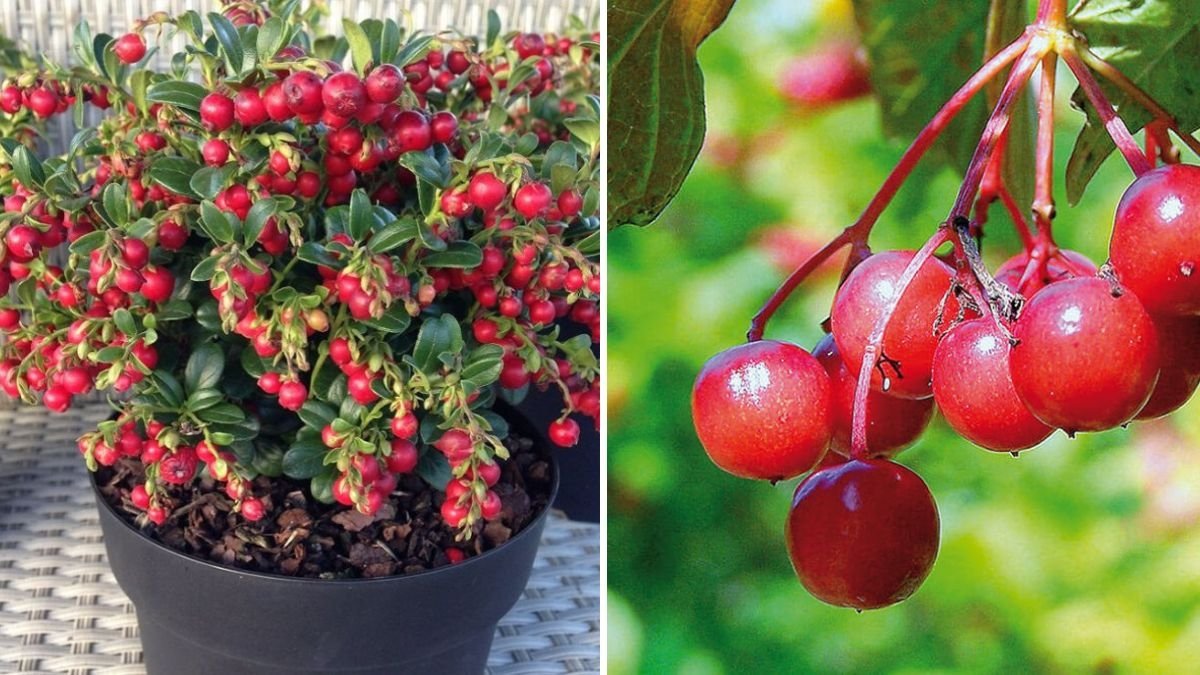
Cranberries are one of nature’s most remarkable fruits — vibrant, tangy, and loaded with nutrients. But few people know how these little red berries actually grow. Unlike most fruits that develop on trees or vines in dry soil, cranberries have a unique relationship with water and thrive in sandy, acidic wetlands known as bogs.
In this comprehensive guide, inspired by the process shown in “Cranberry | How Does It Grow?”, we’ll explore the entire journey of cranberries — from their delicate flowering stage to harvest time — and share the science, history, and care behind this extraordinary fruit.
The Fascinating World of Cranberries
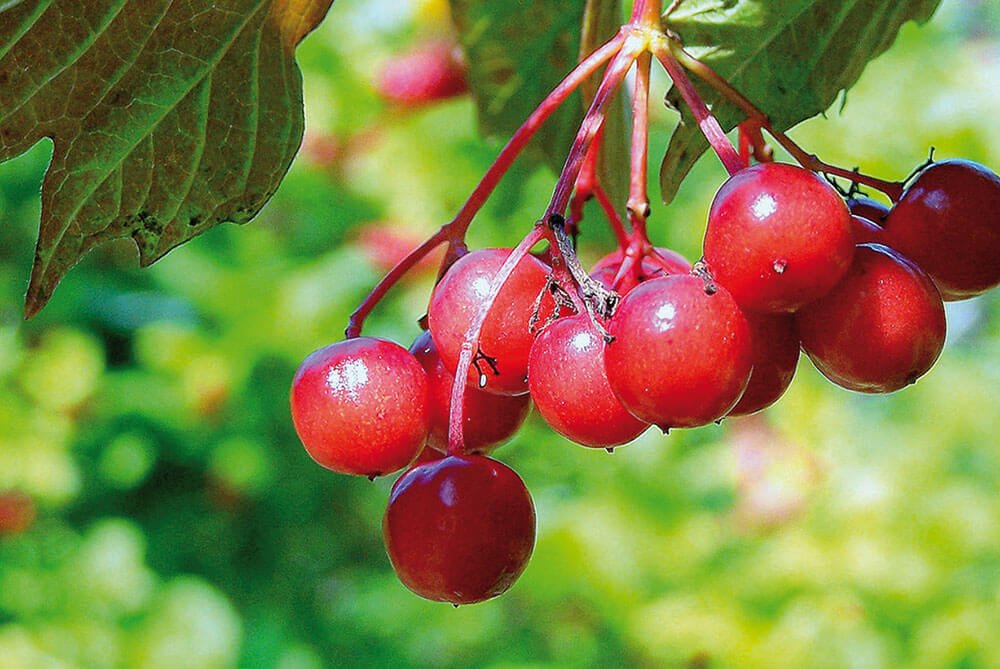
Cranberries belong to the Vaccinium genus, the same family as blueberries and bilberries. They are native to North America and have been grown and harvested for centuries, long before modern agriculture existed. Native Americans first used cranberries not just as food, but also as medicine and dye. They mixed dried cranberries with venison and fat to make “pemmican,” an early form of energy food.
Today, cranberries are celebrated globally for their nutritional benefits and distinct tart flavor — often enjoyed in sauces, juices, jams, and baked goods, especially during Thanksgiving and Christmas.
Where and How Do Cranberries Grow?
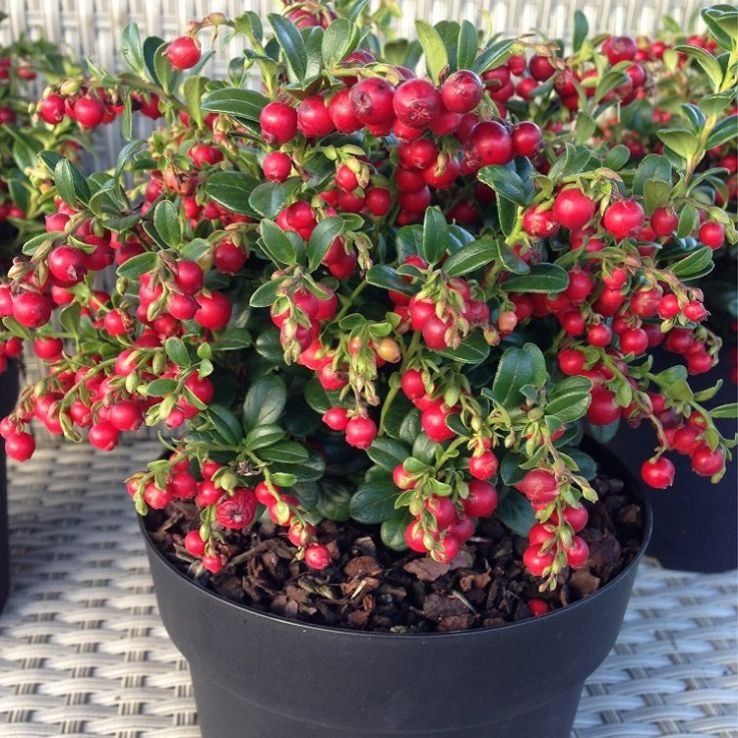
One of the biggest myths about cranberries is that they grow in water. While it’s true that cranberry bogs are often flooded during harvest, the plants themselves actually grow on dry, sandy, and acidic soil.
Cranberry plants are low-lying, woody perennials with small evergreen leaves. They form dense mats over time, sending out runners (stolons) that can stretch several feet long. These runners root themselves in the soil, helping the plant spread and form a lush, green carpet.
The bogs used for cultivation are specially designed to support the plants’ growth and make harvesting efficient. These fields are surrounded by dikes and have an intricate irrigation system that allows farmers to flood or drain water as needed.
The Life Cycle of a Cranberry Plant
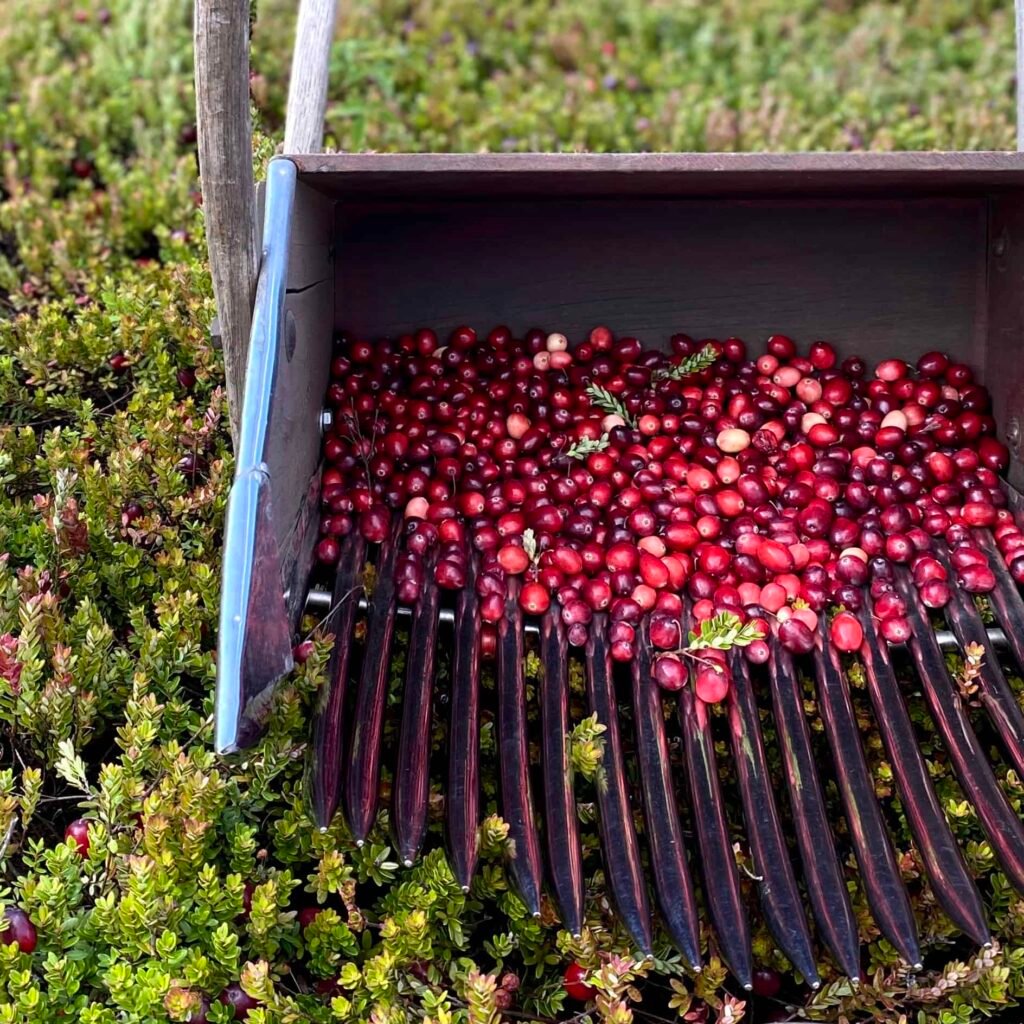
Cranberries follow a fascinating growth cycle that spans the entire year. Here’s how it unfolds:
1. Spring: Blossoms and Bees
As temperatures rise, cranberry plants wake from dormancy. Tiny pink flowers begin to bloom, resembling the head of a crane — which is how the berry got its name. These delicate flowers require pollination, and bees play a crucial role in transferring pollen between blossoms.
2. Summer: Berry Formation
Once pollinated, the flowers close and the berries begin to form. During this period, farmers ensure the plants receive enough sunlight and moisture. The berries start green and gradually turn white and then deep red as they mature.
3. Autumn: Harvest Season
By late September or early October, the berries are ripe and ready to harvest. Farmers then flood the bogs with water, creating the iconic image of floating red cranberries. Since the berries contain tiny air pockets, they float to the surface when machines gently agitate the plants, allowing easy collection.
This method is called wet harvesting, which is used for over 90% of cranberry production — mainly for juices, sauces, and processed foods.

4. Winter: Dormancy and Protection
Once the harvest is complete, bogs are often flooded again to form an ice layer that protects the plants from freezing temperatures and wind damage. This ensures healthy regrowth in spring.
Wet vs. Dry Harvesting
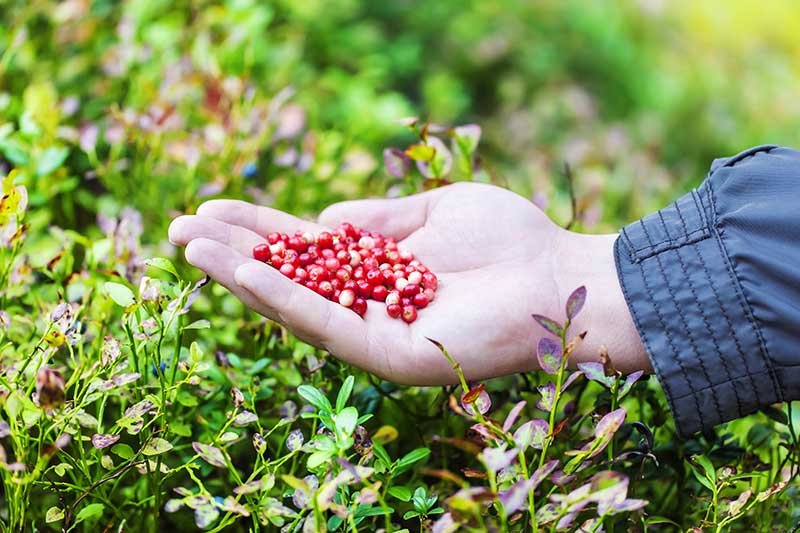
Cranberries can be harvested in two main ways:
- Wet Harvesting:
- Bogs are flooded with water.
- Special water reels (nicknamed eggbeaters) churn the water to loosen berries.
- Berries float to the surface and are collected with booms.
- Ideal for berries used in juices and sauces.
- Dry Harvesting:
- Berries are picked directly from the vines using mechanical combs.
- These berries are fresher and firmer — perfect for fresh sales in grocery stores.
- Although labor-intensive, dry-harvested cranberries fetch higher market prices.
Ideal Growing Conditions for Cranberries
To understand how cranberries thrive, it’s important to know their environmental needs.
- Soil: Cranberries grow best in sandy, acidic soil with a pH of 4.0–5.5.
- Temperature: They require a cold winter dormancy period, making northern climates ideal.
- Water: A reliable source of fresh water is crucial — not just for harvesting but for frost protection and irrigation.
- Sunlight: Full sun exposure ensures high sugar content and bright red berries.
That’s why regions like Wisconsin, Massachusetts, New Jersey, Oregon, and Washington in the U.S. — and parts of Canada — are leading producers. These areas provide the perfect balance of sandy soil, wetlands, and cool weather.
Cranberry Farming Techniques
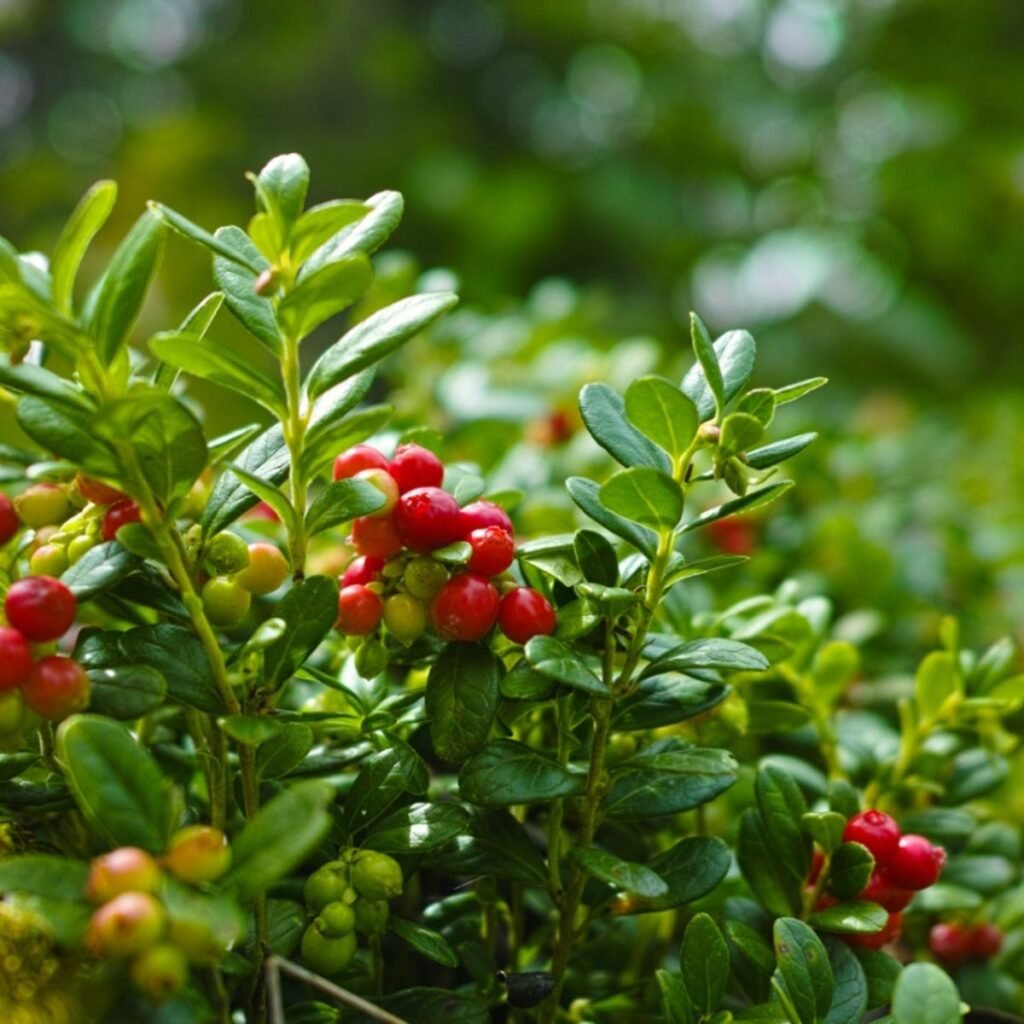
Modern cranberry farming is a blend of science, tradition, and innovation. Here are some of the key techniques used by growers:
1. Bog Preparation
Farmers create shallow beds lined with layers of sand, peat, gravel, and clay to provide drainage and control moisture.
2. Planting
Cranberries are propagated using cuttings from established vines. These are spread over the bog and pressed into the sand, where they quickly root and start growing.
3. Irrigation and Fertilization
Cranberries don’t like soggy roots, but they need consistent moisture. Farmers carefully manage irrigation systems to maintain optimal water levels. Organic compost and fertilizers are added in small amounts to encourage healthy vine and fruit development.
4. Pest and Weed Control
Because cranberry bogs are unique ecosystems, pest control is done with great care. Integrated pest management (IPM) methods — including introducing beneficial insects and careful monitoring — help reduce chemical use.
The Science Behind the Red Color
One of the most striking features of cranberries is their deep red hue, which develops as the fruit matures. This color comes from anthocyanins, powerful antioxidants that protect the plant from UV radiation and also offer health benefits to humans.
The intensity of the red pigment depends on the amount of sunlight and temperature variations. Cooler nights and sunny days produce the richest colors.
Health Benefits of Cranberries
Cranberries are more than just a holiday treat — they’re a superfood packed with nutrients and medicinal properties. Here’s what makes them so beneficial:
- Rich in Antioxidants: Help fight free radicals, slowing aging and reducing chronic disease risk.
- Urinary Tract Health: Natural compounds called proanthocyanidins prevent bacteria from adhering to urinary tract walls, reducing infection risk.
- Heart Health: Regular consumption may improve cholesterol balance and reduce blood pressure.
- Digestive Health: Cranberries support gut-friendly bacteria and reduce harmful microbes.
- Immune Support: Vitamin C boosts immunity and helps fight seasonal infections.
A daily glass of unsweetened cranberry juice or a handful of dried cranberries can contribute significantly to overall wellness.
How to Grow Cranberries at Home
Yes, you can grow cranberries at home — especially if you live in a cooler region. While growing your own bog might sound challenging, container or raised-bed methods make it possible for home gardeners.
Here’s how to do it:
- Choose a Location: Select a sunny area with acidic, sandy soil.
- Prepare the Bed: Mix equal parts peat moss and sand to mimic bog conditions.
- Plant Cuttings: Space cranberry cuttings about 1 foot apart.
- Water Regularly: Keep the soil moist but never waterlogged.
- Mulch and Protect: Add mulch to retain moisture and insulate during winter.
- Be Patient: Plants take 2–3 years to produce significant fruit, but once established, they can yield for decades.
From Field to Table: The Harvest Journey
After harvesting, cranberries go through sorting and cleaning before being processed. Berries destined for juice or sauce are often frozen, crushed, or pressed to extract flavor and color.
Dry-harvested cranberries, meanwhile, are polished and packaged fresh for sale. You’ll often find them on grocery shelves from October to December — the peak cranberry season.
Farmers take great care to ensure minimal waste. Damaged or undersized berries are repurposed for juices, extracts, or natural dyes, reflecting sustainable farming practices.

Interesting Cranberry Facts
- It takes about 200 cranberries to make a single cup of juice.
- Cranberries can bounce when ripe — a quick way farmers once used to test quality!
- The U.S. produces over 90% of the world’s cranberries, with Wisconsin leading the way.
- Cranberries have natural air chambers inside, which make them float — an essential trait for water harvesting.
Conclusion
The story of how cranberries grow is truly captivating — a blend of natural beauty, innovation, and centuries-old tradition. From delicate blossoms to floating red berries, every stage of the process showcases the harmony between human ingenuity and nature’s design.
Whether you enjoy cranberries in juice, sauce, or fresh form, each berry carries a history of meticulous care and environmental balance. So, the next time you sip cranberry juice or spoon cranberry sauce, take a moment to appreciate the fascinating journey these brilliant red gems made — from bog to your table.

Leave A Comment