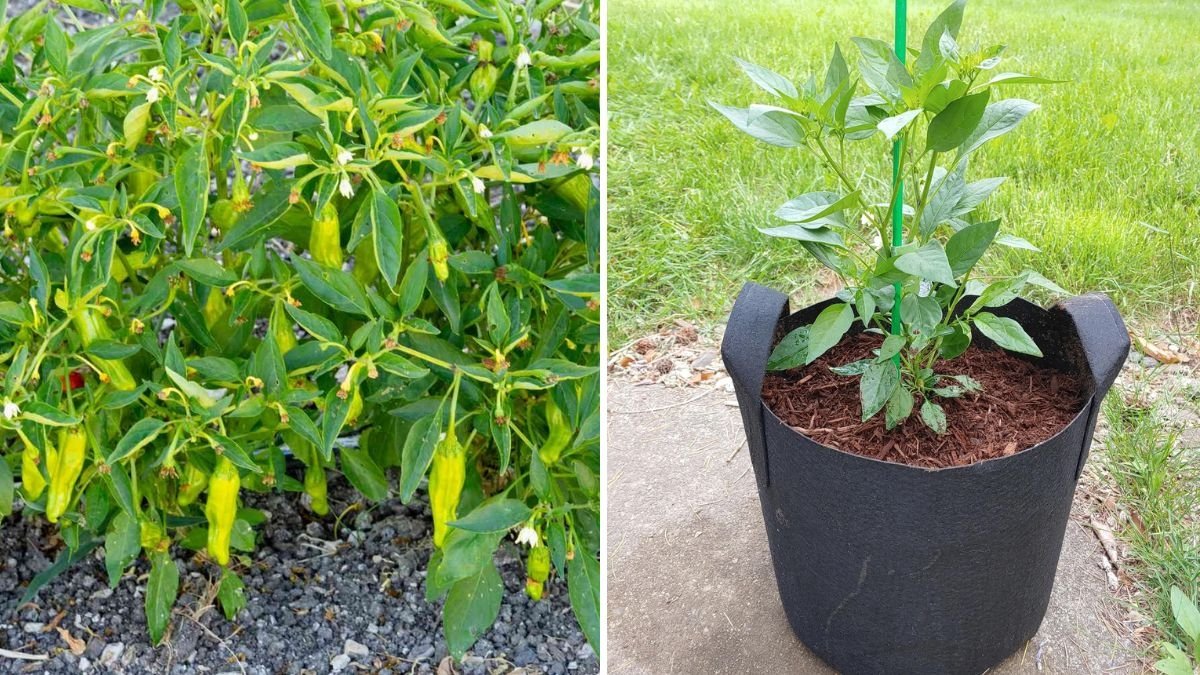
If you’ve ever enjoyed a plate of blistered shishito peppers at a restaurant, you already know how addictive these mild, slightly smoky, and occasionally spicy little peppers can be. What many don’t realize is how easy they are to grow at home. Whether you have a backyard garden, balcony pots, or even a hydroponic setup, shishito peppers thrive with minimal effort and reward you with an abundant harvest.
Inspired by the video “Shishito Peppers – Grow, Harvest, Cook, Eat, and Easiest Recipe Ever,” this detailed guide walks you through the complete life cycle of shishito peppers—from planting seeds and caring for the plants to harvesting and whipping up a quick, mouthwatering dish you’ll want to make again and again.
What Makes Shishito Peppers So Special?
Shishito peppers (Capsicum annuum) are a Japanese heirloom variety known for their slender, wrinkled shape and mild flavor. About one in ten carries a surprising bit of heat—just enough to keep things interesting! They’re often pan-blistered and sprinkled with sea salt for a simple yet irresistible appetizer.
These peppers are typically 2–4 inches long, bright green when young, and turn red as they ripen. The green stage is best for harvesting when you want that signature mild, sweet flavor with a hint of smokiness.
Growing Shishito Peppers from Seed
1. Start Indoors for a Head Start
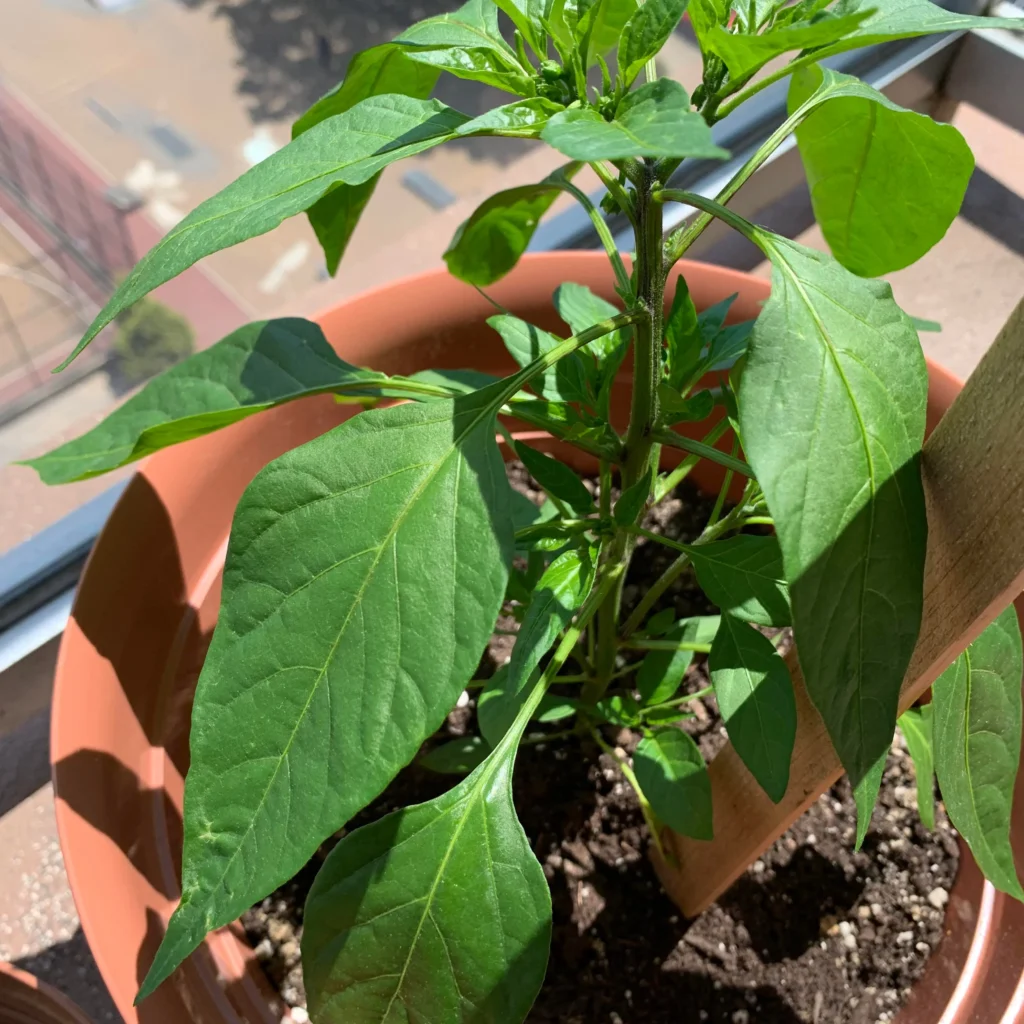
Shishito peppers love warm weather, so start your seeds indoors about 8–10 weeks before your region’s last frost date. Use a quality seed-starting mix and shallow trays or small pots.
- Planting Depth: About ¼ inch deep
- Temperature: Keep between 75°F–85°F (24°C–29°C) for best germination
- Light: Provide 14–16 hours of bright grow light daily
You’ll see sprouts in about 10–14 days. Once seedlings are 3–4 inches tall and have at least two sets of true leaves, they’re ready to be hardened off.
2. Transplanting Outdoors or in Containers
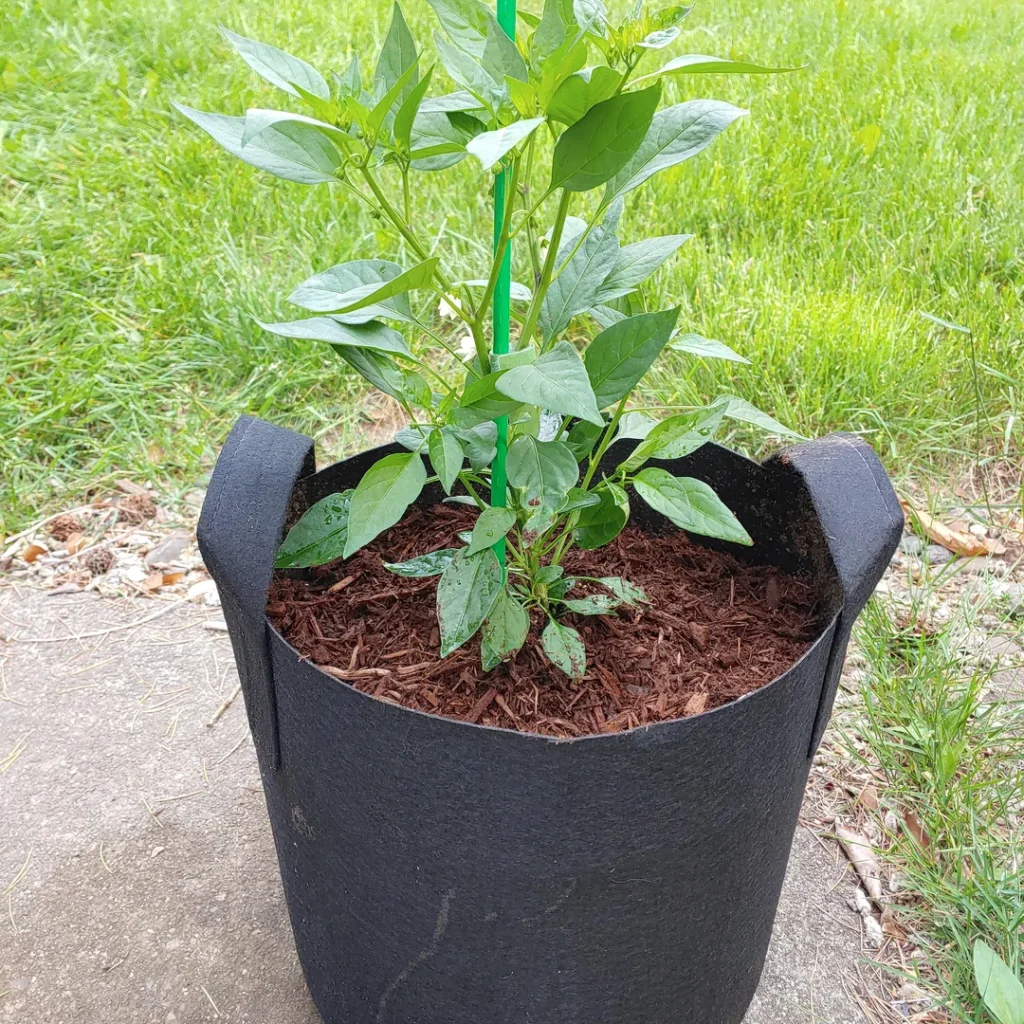
Once the danger of frost has passed and nighttime temperatures stay above 60°F (15°C), it’s time to move your shishitos outside.
- Container Size: At least 12–14 inches deep with good drainage
- Soil: Rich, loamy soil with compost or organic matter
- pH Range: 6.0 to 6.8 for optimal nutrient absorption
If growing in garden beds, space the plants 12–18 inches apart. In containers, one plant per pot is ideal.
3. Sunlight and Watering
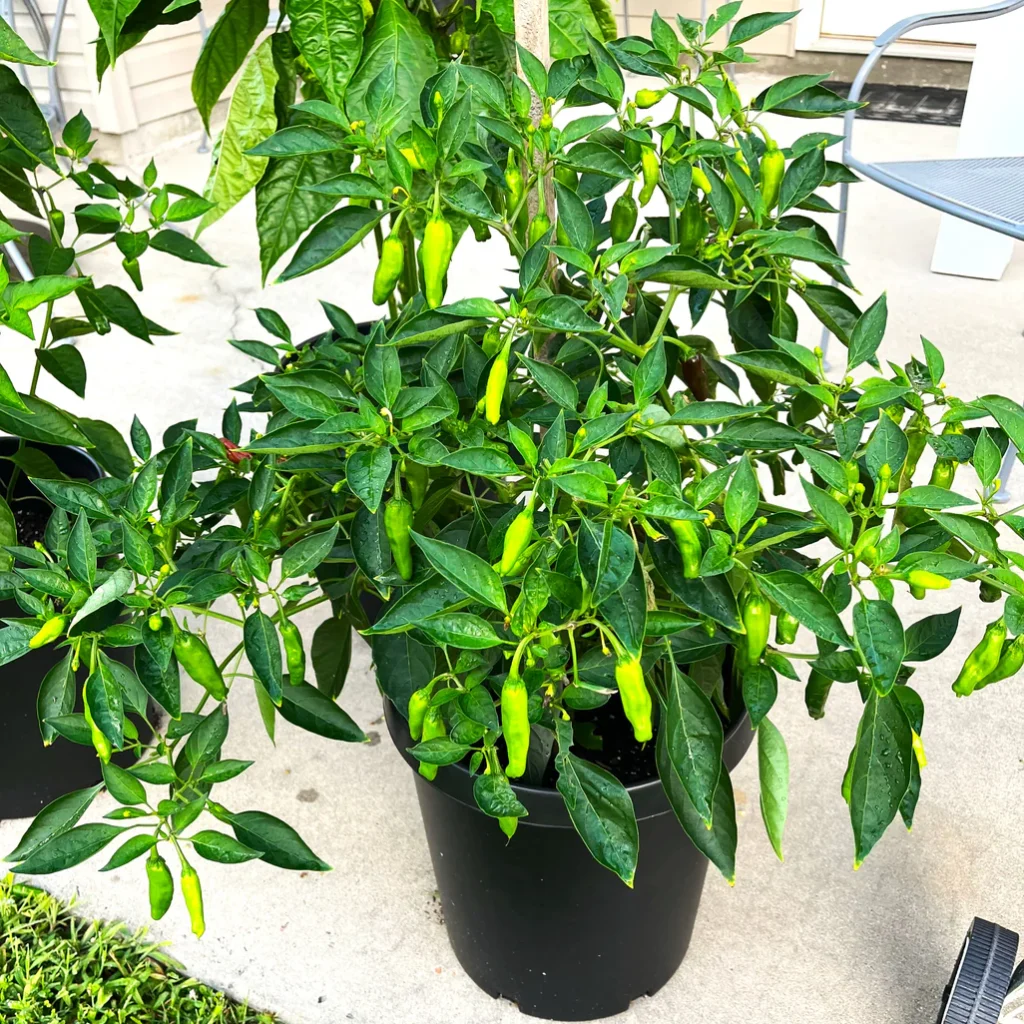
Shishito peppers are sun-lovers! Provide at least 6–8 hours of direct sunlight daily. More sun equals more peppers.
Water consistently but don’t overdo it. Peppers like slightly moist soil—not soggy. Water deeply when the top inch feels dry, and always allow excess water to drain out.
4. Fertilizing for Healthy Growth
Feed your pepper plants every 2–3 weeks with a balanced organic fertilizer (something like 10-10-10 NPK) or compost tea. During the flowering stage, switch to a fertilizer higher in potassium and phosphorus to encourage more blooms and fruiting.
You can also use Epsom salt (1 tablespoon per gallon of water) every month to boost magnesium and prevent yellowing leaves.
5. Supporting Your Plants
Though shishito plants are compact, they can become heavy with fruit. A small stake or tomato cage helps keep the stems upright and prevents breakage.
Flowering and Fruit Formation
In about 8–10 weeks after transplanting, you’ll start seeing small white flowers. These will soon give way to tiny green pods that grow rapidly in warm weather.
Make sure bees and pollinators can access your plants—or gently shake the stems to encourage self-pollination if you’re growing indoors.
Within 2–3 weeks, the peppers will reach full size, about 3–4 inches long, and you can start harvesting!
Harvesting Shishito Peppers
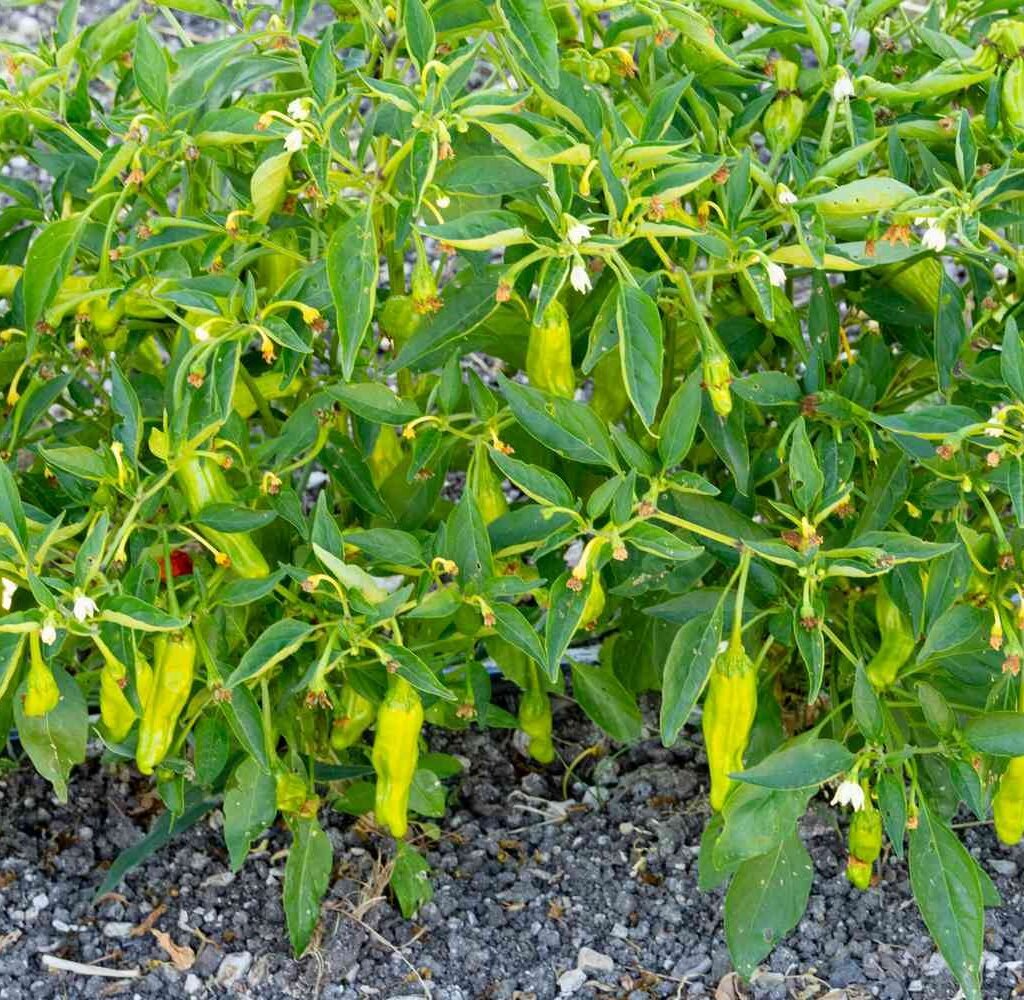
You don’t need to wait for the peppers to turn red. In fact, the best time to harvest is when they’re green and glossy, about 3 inches long.
- Harvest Method: Use scissors or pruners to cut the pepper off with a small stem attached.
- Frequency: The more often you pick, the more the plant will produce!
Shishito pepper plants are prolific; one healthy plant can produce 50–70 peppers in a single growing season.
Common Problems and Fixes
Even though shishitos are low-maintenance, a few issues can arise. Here’s how to handle them:
- Flowers Falling Off: Usually due to temperature fluctuations or underwatering. Keep soil consistently moist.
- Yellowing Leaves: Could be nitrogen deficiency or overwatering. Adjust feeding or watering schedule.
- Aphids or Spider Mites: Spray with neem oil or a mild soap solution.
Cooking and Eating Shishito Peppers
Once your plants start producing, you’ll likely have more peppers than you can eat fresh—so it’s time to cook! Shishitos are incredibly versatile: grill them, sauté them, or toss them into stir-fries. But the easiest and most popular way to enjoy them is the classic blistered shishito pepper recipe.
The Easiest Blistered Shishito Pepper Recipe
Ingredients:
- 2 cups of fresh shishito peppers
- 1 tablespoon of olive oil
- Sea salt (to taste)
- Optional: Lemon wedges or soy sauce drizzle
Instructions:
- Heat the Pan: Place a heavy skillet (cast iron works best) over medium-high heat until it’s very hot.
- Add Oil: Pour in the olive oil and swirl to coat the pan evenly.
- Toss the Peppers: Add the whole shishito peppers. Make sure they’re dry—water causes splattering.
- Blister the Skin: Cook for 5–7 minutes, tossing occasionally until the skin blisters and chars slightly.
- Season and Serve: Sprinkle with sea salt, squeeze a bit of lemon juice, or drizzle with soy sauce for extra flavor.
Result: Smoky, slightly sweet, and irresistible! Serve immediately as an appetizer or snack.
Flavor Variations
- Garlic Butter Shishitos: Add a knob of butter and minced garlic during the last minute of cooking.
- Asian Style: Toss with sesame oil and a sprinkle of sesame seeds.
- Spicy Twist: Mix with a dash of chili oil or crushed red pepper flakes.
- Citrus Zest: Add lime or orange zest for a refreshing tang.
Saving Seeds for Next Season
If you want to grow shishitos again (and you will!), let a few peppers ripen fully on the plant until they turn bright red.
- Cut open the ripe pepper and collect the seeds.
- Dry them on a paper towel for 5–7 days.
- Store them in a cool, dark place in a labeled envelope.
Properly dried seeds can remain viable for up to 3 years.
Nutritional Benefits of Shishito Peppers
Beyond their flavor, shishito peppers are a powerhouse of nutrients:
- Rich in Vitamin C: Boosts immunity and promotes glowing skin.
- Low in Calories: Perfect for guilt-free snacking.
- Antioxidants: Help fight inflammation and free radicals.
- Fiber and Minerals: Support digestion and heart health.
They’re a healthy alternative to chips or fried snacks—and the quick blistering method keeps their nutrients intact.
Pro Tips for Bigger Harvests
- Consistent Feeding: Alternate between compost tea and balanced fertilizer every two weeks.
- Warm Soil = Happy Peppers: Use black mulch or fabric grow bags to retain heat.
- Prune Lower Leaves: This improves air circulation and prevents fungal diseases.
- Harvest Often: Frequent picking encourages continuous fruiting.
- Rotate Your Crop: Avoid planting peppers in the same spot each year to reduce pest buildup.
From Garden to Table
Growing shishito peppers isn’t just about producing food—it’s about the joy of nurturing plants that give back abundantly. From tiny seeds sprouting indoors to harvesting a basket full of green pods, the process is deeply rewarding. And when you finally toss those peppers into a hot pan and watch them blister, you’ll realize just how satisfying homegrown food can be.
With minimal effort and a sunny spot, anyone can grow shishito peppers successfully. Whether you’re an experienced gardener or a first-timer, these little green gems are the perfect addition to your edible garden.
So grab a packet of seeds, a pot, and a sunny window—and soon you’ll be growing, harvesting, cooking, and eating your own delicious shishito peppers with the easiest recipe ever!

Leave A Comment