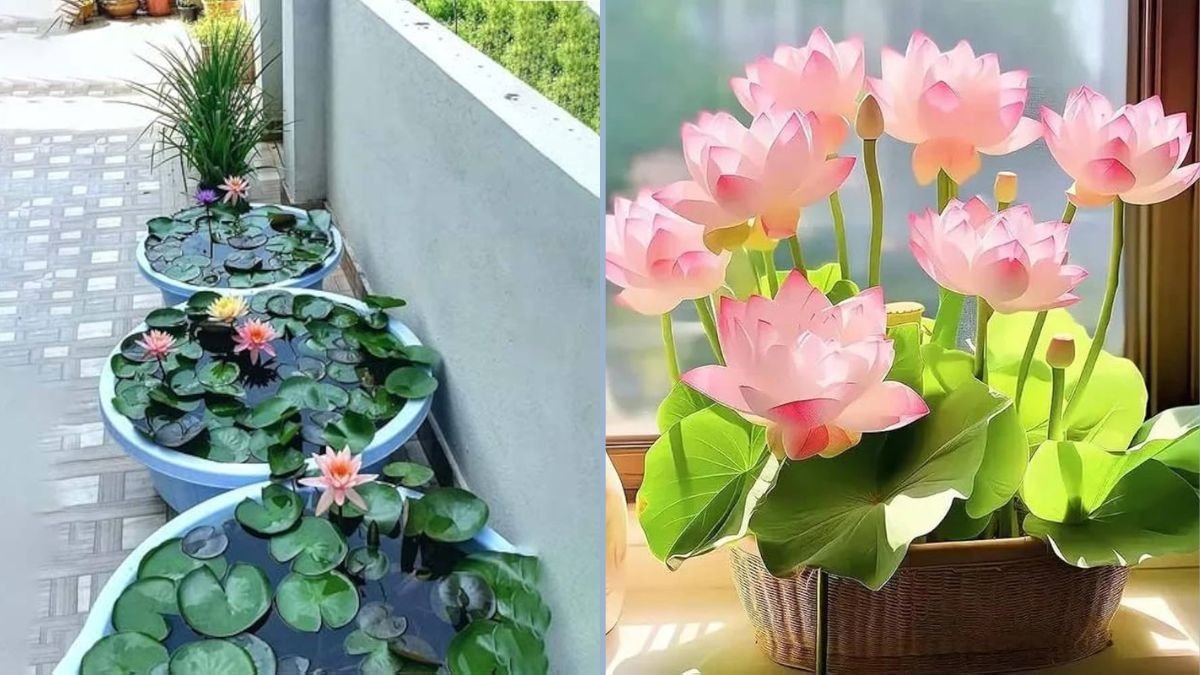
The lotus plant (Nelumbo nucifera) is a symbol of purity, beauty, and serenity. Known for its majestic flowers and large floating leaves, it is not only a stunning addition to gardens and water features but also has cultural and medicinal significance in many parts of the world. Growing lotus at home may seem daunting, but with the right guidance, even beginners can cultivate these aquatic beauties in pots or containers.
In this guide, we will explore step-by-step instructions for growing lotus from lotus roots (rhizomes), discuss care tips, and share advice on creating a thriving container lotus garden at home.
Why Grow Lotus at Home?
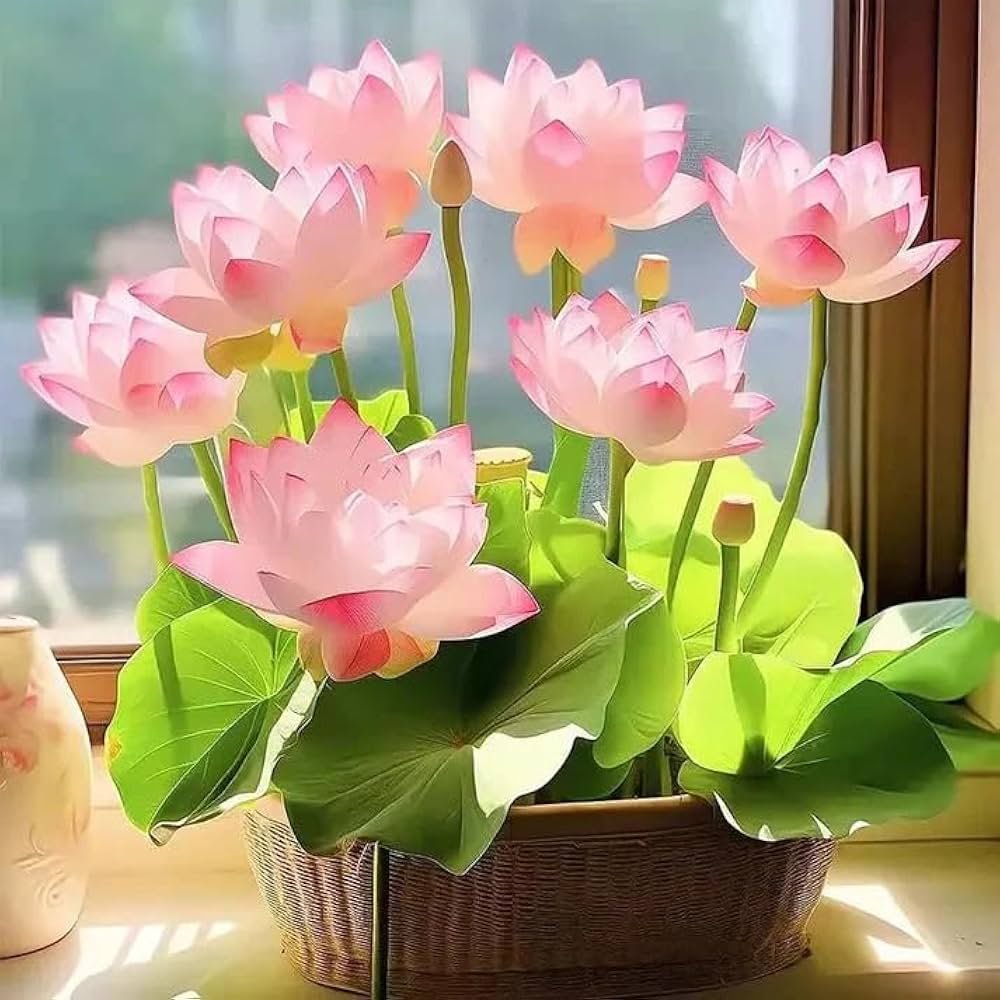
Growing lotus in pots offers several advantages:
- Compact and manageable: Ideal for small spaces, balconies, and patios.
- Aesthetic appeal: Adds elegance to any home garden or water feature.
- Therapeutic benefits: Lotus gardens provide a calming and peaceful environment.
- Edible and medicinal uses: Lotus seeds, leaves, and roots are edible and nutritious.
- Easy to maintain: Once established, lotus plants are hardy and require minimal care.
A potted lotus can transform your home into a serene, water-inspired sanctuary with its large leaves and striking flowers.
Understanding Lotus Plants
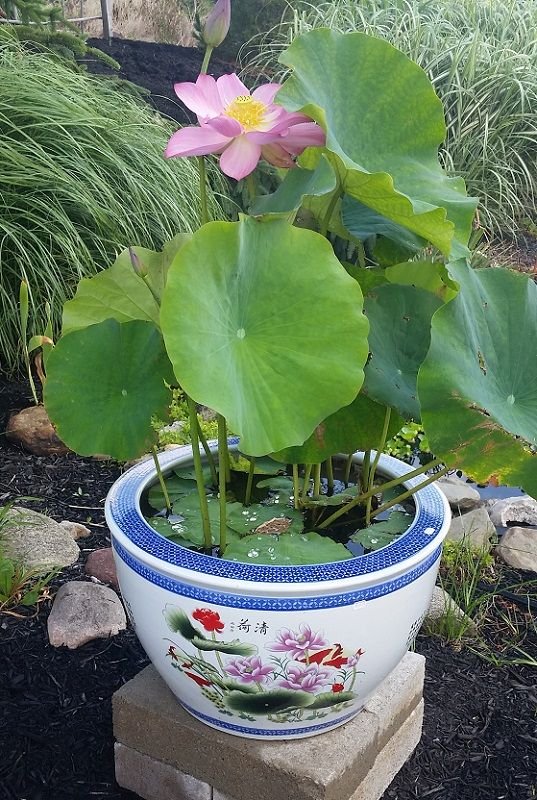
The lotus is a perennial aquatic plant with three main parts:

- Rhizomes (roots): Horizontal stems from which leaves and flowers emerge.
- Leaves: Large, circular, and water-repellent, floating on the surface or held above water.
- Flowers: Bloom during warm months and are available in shades of pink, white, and yellow.
Lotus thrives in shallow water, full sunlight, and nutrient-rich soil. Understanding its growth habit is key to successful cultivation.
Materials Needed
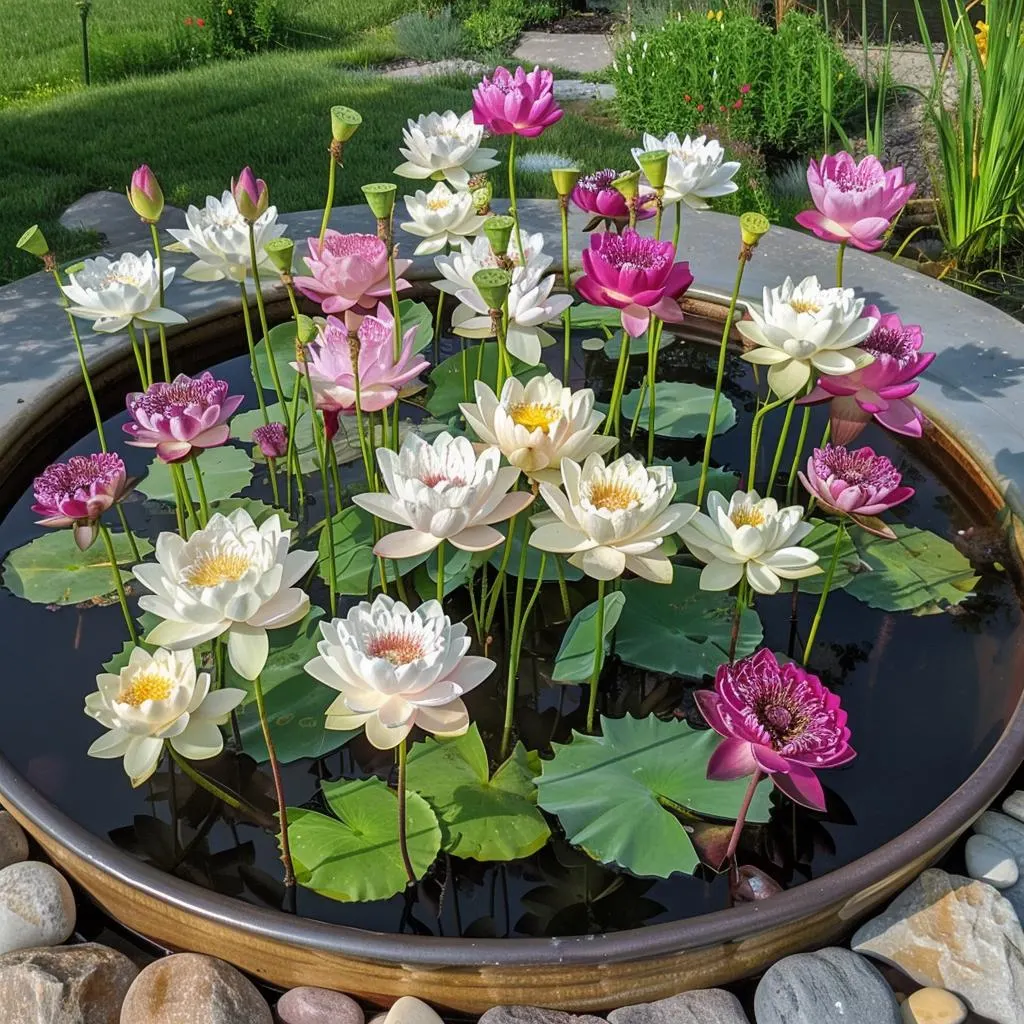
Before starting, gather the following essentials:
- Healthy lotus roots (rhizomes): Choose plump, firm rhizomes with visible growth nodes.
- Large pot or container: Minimum 12–18 inches deep and wide for proper growth.
- Clay or loamy soil: Heavy garden soil works best. Avoid light potting mixes that float.
- Water: To maintain the aquatic environment.
- Fertilizer: Aquatic plant fertilizer for promoting leaves and flower growth.
Optional: Gravel or small stones to secure rhizomes in the soil and prevent floating.
Step 1: Selecting Lotus Roots
Choosing healthy lotus rhizomes is critical:
- Look for plump, firm rhizomes with healthy green tips.
- Avoid rhizomes that are shriveled, soft, or have mold.
- Ideally, choose rhizomes with 1–2 growth nodes, as these will develop into leaves and flowers.
Healthy rhizomes ensure fast growth and abundant blooms in your container garden.

Step 2: Preparing the Container
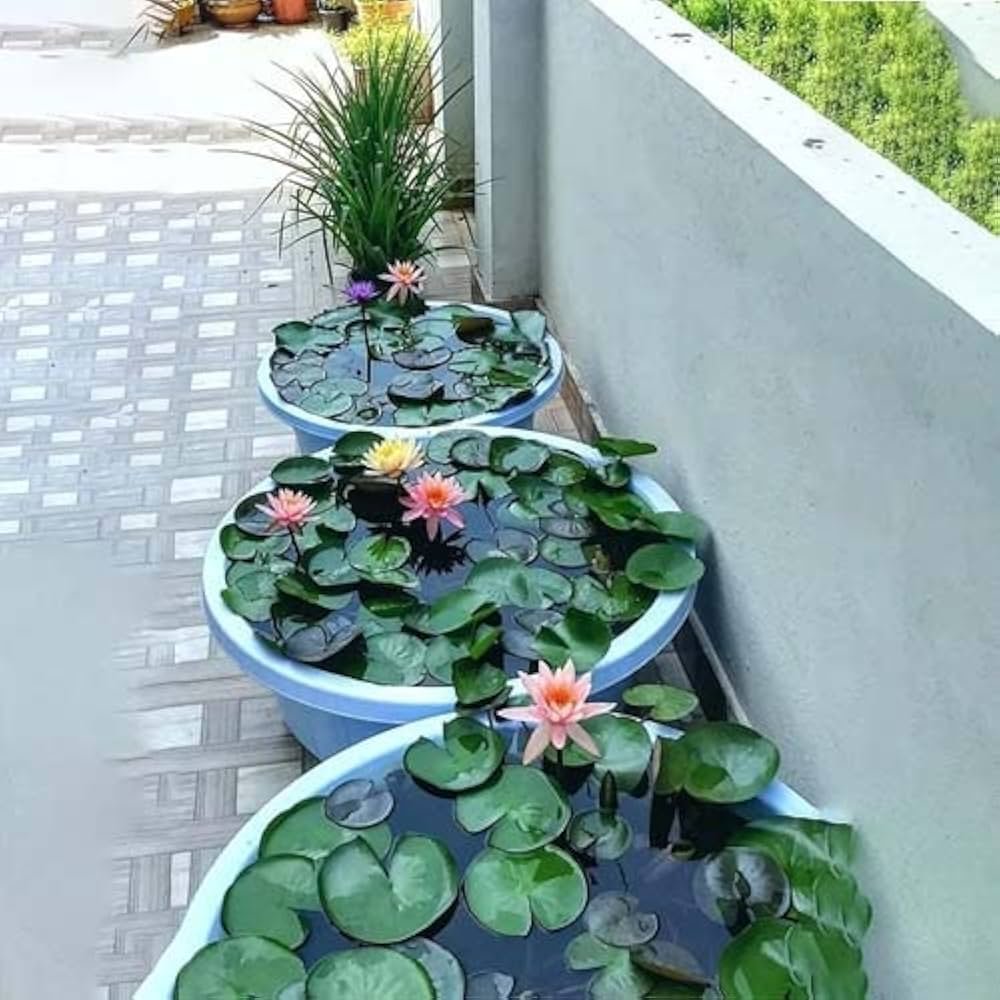
Lotus plants require specific conditions:
- Choose a wide, shallow container: 12–18 inches deep and wide for proper spreading.
- Add soil: Fill the bottom with 4–6 inches of heavy garden soil or clay soil. Avoid using potting mix that floats in water.
- Optional layer of gravel: Place 1–2 inches of gravel over the soil to anchor the rhizome and prevent it from floating.
- Water level: Initially, keep 1–2 inches of water above the soil to help rhizomes establish.
Proper container preparation ensures a stable environment for lotus growth.
Step 3: Planting Lotus Rhizomes
- Lay the rhizome horizontally on the soil surface.
- Position the growth tips (nodes) slightly above the soil, pointing toward the sunlight.
- Cover the base lightly with soil to anchor the rhizome. Avoid burying the tip entirely.
- Gently add water to cover the soil by 1–2 inches, ensuring the rhizome remains submerged but the growth tips are above soil level.
Planting correctly is essential for healthy leaf and flower development.
Step 4: Choosing the Right Location
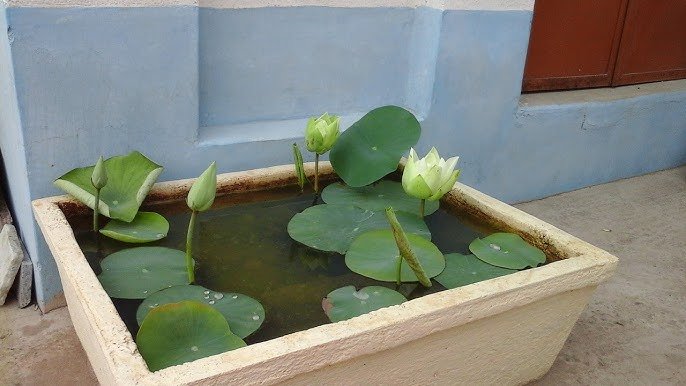
Lotus plants thrive in full sunlight and warm conditions:
- Sunlight: Minimum 6–8 hours of direct sunlight per day.
- Temperature: Ideal for tropical and subtropical climates; water should stay above 20°C (68°F).
- Indoor or balcony gardening: Place pots in sunny spots; consider a greenhouse or sheltered area in cooler climates.
Sunlight and warmth are critical for vibrant leaves and flowers.

Step 5: Watering and Fertilizing
Lotus is an aquatic plant, so water management is key:
- Keep a consistent water level above the soil (1–2 inches).
- As the plant grows, you may increase water level to cover the rhizome completely.
- Fertilize once the plant establishes:
- Use slow-release aquatic fertilizer or nutrient-rich fertilizer tablets.
- Apply every 3–4 weeks during the growing season.
Proper watering and fertilization promote strong leaves, robust stems, and vibrant blooms.
Step 6: Managing Growth and Care
- Leaf care: Remove yellowing or decaying leaves to prevent disease.
- Pruning: Trim dead or damaged stems to encourage new growth.
- Pest management: Watch for aphids, snails, and algae; handpick pests or use gentle organic treatments.
- Winter care: In colder climates, move pots indoors or insulate containers to protect rhizomes from frost.
Consistent care ensures healthy growth and prolonged flowering.
Step 7: Encouraging Flowering
- Lotus plants typically flower 2–3 months after planting rhizomes.
- Sunlight and warmth are critical for blooms.
- Fertilization with phosphorus-rich aquatic fertilizer enhances flower production.
- Remove spent flowers to encourage more blooms.
With patience and proper care, your lotus will produce beautiful flowers throughout the growing season.
Common Challenges for Beginners
- Rhizome rot: Avoid overwatering and burying the rhizome tips.
- Yellowing leaves: May indicate nutrient deficiency or insufficient sunlight.
- Slow growth: Usually due to low temperatures, insufficient sunlight, or weak rhizomes.
- Algae growth: Reduce light exposure in water and maintain cleanliness.
Understanding these challenges helps beginners prevent common mistakes and maintain healthy plants.

Harvesting and Using Lotus
- Leaves: Can be used fresh in teas, soups, or salads.
- Flowers: Often used for decoration, spiritual purposes, or dried for tea.
- Rhizomes: Edible and used in cooking, stir-fries, and soups.
- Seeds: Nutritious and can be roasted or sprouted.
A well-maintained potted lotus offers multiple uses, making it a rewarding addition to your home garden.
Benefits of Growing Lotus at Home
- Aesthetic beauty: Large leaves and colorful flowers elevate home décor.
- Stress relief: Watching lotus grow in serene water settings is therapeutic.
- Culinary value: Edible leaves, seeds, and rhizomes add nutrition and flavor.
- Cultural significance: Lotus symbolizes purity, peace, and spiritual growth.
- Environmental benefit: Improves air quality and supports small pollinators.
Growing lotus in pots combines beauty, utility, and wellness in a compact home garden setup.
Final Thoughts
Growing lotus in pots from rhizomes is an accessible and fulfilling hobby for beginners. By selecting healthy lotus roots, preparing the container properly, ensuring adequate sunlight and water, and providing consistent care, anyone can cultivate stunning lotus plants at home.
Whether you’re looking to add beauty to your balcony, enjoy fresh lotus leaves in your cooking, or create a calming water garden, potted lotus is a perfect choice. With patience and attention, your lotus plants will reward you with lush foliage and magnificent flowers, transforming your home into a tranquil and vibrant oasis.


Leave A Comment