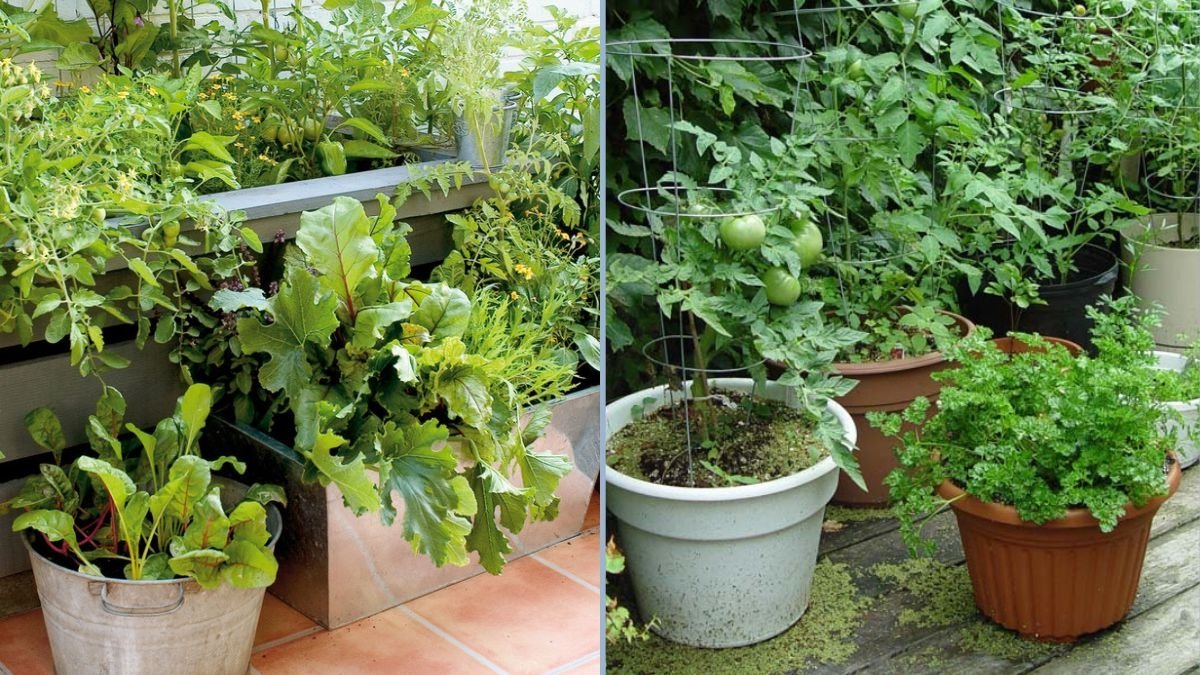
Gardening in small urban spaces is both a rewarding and therapeutic hobby, especially when you can grow fresh, organic vegetables right on your rooftop. A rooftop kitchen garden allows city dwellers to enjoy homegrown produce while maximizing limited space. In this October kitchen garden update, we focus on three versatile and nutritious crops: Maithi (Fenugreek), Beetroot, and Mustard Seeds. These vegetables are not only easy to grow but also thrive in containers and raised beds, making them perfect for urban gardeners.
In this blog, we’ll walk through planting, care, and harvesting tips for your rooftop kitchen garden and share insights on maintaining a productive garden during October.
Why Grow a Rooftop Kitchen Garden?
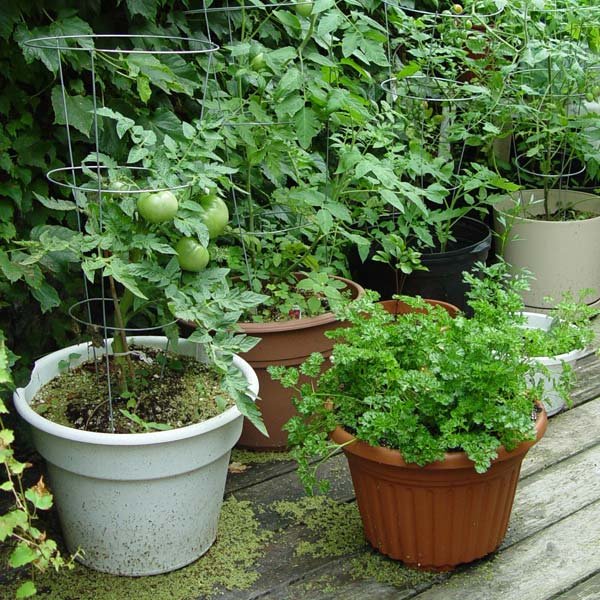
Rooftop gardening is more than just a hobby—it’s a lifestyle choice that brings multiple benefits:
- Fresh and organic produce: Grow chemical-free vegetables and herbs.
- Space utilization: Transform unused rooftop areas into productive gardens.
- Stress relief: Gardening is therapeutic and promotes mental well-being.
- Environmental impact: Green rooftops reduce heat and help with urban biodiversity.
- Nutritional benefits: Access to fresh, vitamin-rich vegetables like beetroot and fenugreek.
A well-maintained rooftop garden can provide fresh vegetables all year round, even in urban settings.

Crops Focused on in October
1. Maithi (Fenugreek)
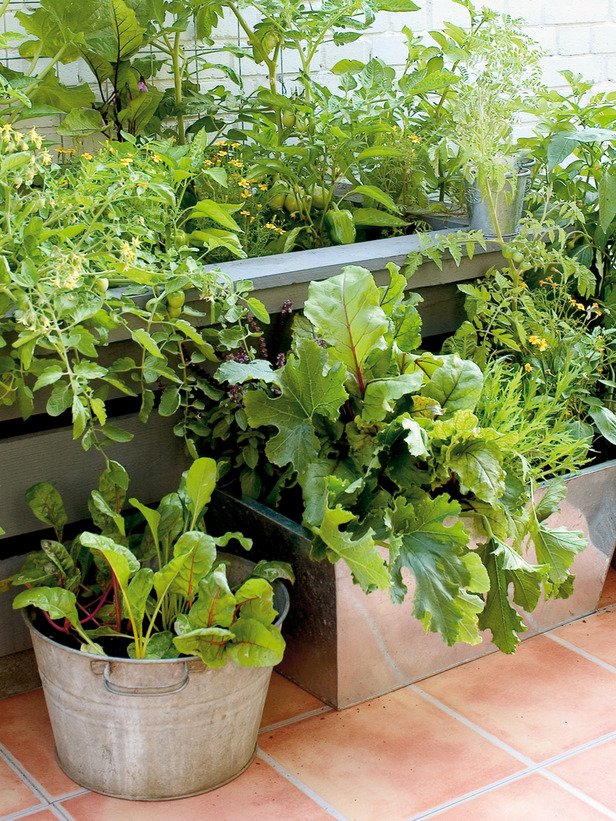
Maithi, or Fenugreek, is a leafy green widely used in Indian cuisine. Its small, aromatic leaves are rich in vitamins A, C, and iron. Fenugreek is easy to grow in containers, making it ideal for rooftop gardens.
- Planting: Sow seeds directly in well-draining soil in shallow containers. Plant seeds about ½ inch deep and keep the soil moist.
- Sunlight: Requires 4–6 hours of sunlight daily.
- Growth: Germination occurs within 5–7 days, and leaves can be harvested in 2–3 weeks.
- Harvesting: Pick the outer leaves first, leaving the inner leaves to continue growing. Regular harvesting encourages lush, continuous growth.
Fenugreek leaves can be used in curries, parathas, or as fresh garnishing for dishes.
2. Beetroot
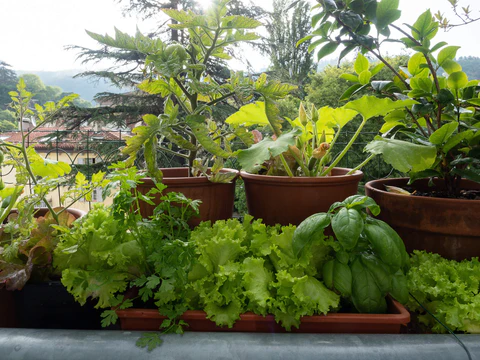
Beetroot is a nutrient-dense root vegetable high in fiber, vitamins, and antioxidants. Both the roots and leaves are edible and nutritious.
- Planting: Sow beet seeds ½–1 inch deep in fertile, well-drained soil. Container gardens should be at least 8–10 inches deep to allow proper root development.
- Spacing: Maintain 3–4 inches between seeds to prevent overcrowding.
- Sunlight: Requires full sunlight for 6–8 hours daily.
- Watering: Keep soil consistently moist but avoid waterlogging.
- Growth: Beetroot takes about 50–60 days to mature. Young leaves can be harvested early for salads or cooking.
- Harvesting: Pull roots gently when they reach 1–2 inches in diameter. Mature roots can become woody, so timely harvesting is key.
Beetroot adds vibrant color to salads, smoothies, and cooked dishes, making it a staple in a rooftop kitchen garden.

3. Mustard Seeds
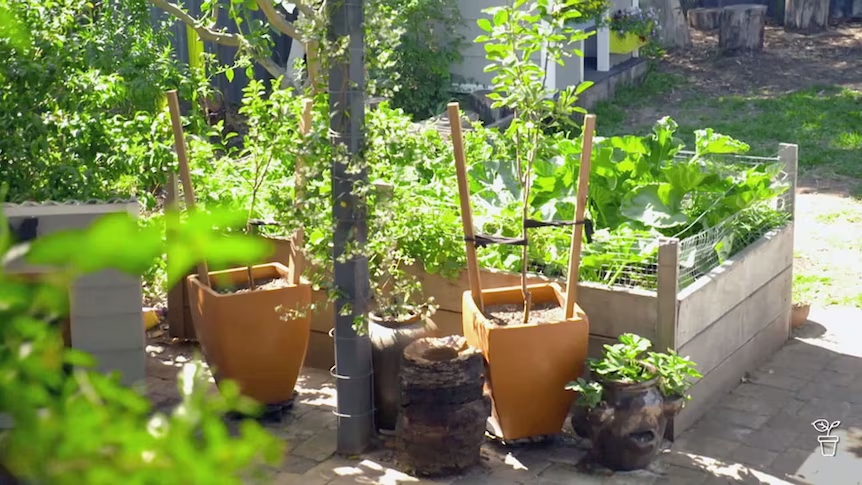
Mustard seeds are primarily grown for their leafy greens and tiny seeds used as spices. The greens are highly nutritious and easy to grow.
- Planting: Sow seeds thinly in shallow containers or raised beds. Lightly cover with soil.
- Sunlight: Mustard greens require 4–6 hours of sunlight daily.
- Watering: Keep soil moist, as mustard grows best in cool, well-watered conditions.
- Growth: Germination occurs in 3–5 days, and leaves can be harvested in 3–4 weeks.
- Harvesting: Pick outer leaves regularly to promote new growth. Seed pods can be collected later for culinary use.
Mustard greens are a staple in stir-fries, soups, and traditional Indian dishes like sarson ka saag.
Container Gardening Tips for Rooftop Gardens

Rooftop gardens rely heavily on container gardening, which requires attention to soil, watering, and sunlight:
- Container selection: Choose pots or trays with good drainage. Plastic, ceramic, or grow bags work well.
- Soil preparation: Use a mix of garden soil, compost, and cocopeat for optimal growth. This ensures nutrients and proper water retention.
- Watering: Containers dry out faster than ground soil, so water regularly, preferably in the morning.
- Sunlight: Position containers in areas that receive sufficient sunlight for each crop.
- Fertilizing: Organic fertilizers or compost can be applied every 2–3 weeks to replenish nutrients.
Proper container care ensures your rooftop garden remains lush and productive, even in smaller spaces.

Managing Pests in a Rooftop Garden
Urban gardens are generally less prone to pests, but vigilance is necessary:
- Aphids: Spray neem oil or use insecticidal soap.
- Leaf miners: Remove affected leaves to prevent spread.
- Caterpillars: Handpick or use organic pest control sprays.
- Powdery mildew: Ensure proper spacing and airflow between containers.
Regular inspection of plants helps prevent infestations and keeps the garden healthy and thriving.
Seasonal Care for October
October is an ideal month for planting leafy greens and root vegetables in moderate climates:
- Temperature: Cooler temperatures encourage robust growth of mustard, fenugreek, and beetroot.
- Watering: Moderate watering is sufficient; avoid overwatering as temperatures drop.
- Pruning: Regularly harvest outer leaves and remove any yellowing foliage.
- Mulching: Apply organic mulch to retain moisture and regulate soil temperature.
Seasonal care ensures your garden remains productive and vibrant throughout the month.

Benefits of Growing These Crops Together
Growing Maithi, Beetroot, and Mustard together in a rooftop garden provides several advantages:
- Companion planting: These crops do not compete aggressively for nutrients, making them compatible for mixed planting.
- Space efficiency: Different growth habits (roots vs. leafy greens) maximize container space.
- Nutritional diversity: Offers a balanced supply of vitamins, minerals, and fiber for your diet.
- Continuous harvest: Staggered sowing allows for regular harvesting, keeping your kitchen stocked.
This combination is perfect for gardeners who want a mix of roots and leafy greens in a small space.
Tips for a Thriving October Rooftop Kitchen Garden
- Regular Harvesting: Pick leaves and vegetables frequently to encourage continuous growth.
- Sunlight Management: Rotate containers if necessary to ensure all plants get adequate sunlight.
- Fertilization: Use compost tea or organic liquid fertilizer every 2–3 weeks for nutrient boost.
- Pest Monitoring: Early detection prevents damage and promotes healthy growth.
- Seasonal Adjustments: Prepare for cooler nights by moving containers closer together or covering sensitive plants if needed.
By following these tips, you can maintain a healthy, productive rooftop garden all month long.
Final Thoughts
Rooftop kitchen gardening is a fulfilling way to grow fresh, organic vegetables in urban spaces. October is an ideal month to plant Maithi (Fenugreek), Beetroot, and Mustard Seeds, offering a mix of leafy greens and nutritious root vegetables. By focusing on container care, proper sunlight, regular harvesting, and pest management, you can enjoy a productive, vibrant garden right on your rooftop.

A well-maintained rooftop garden not only provides fresh food but also enhances your living space, promotes sustainability, and encourages a healthy lifestyle. Start sowing these crops in October, and enjoy the taste, nutrition, and joy of homegrown vegetables all season long.

Leave A Comment