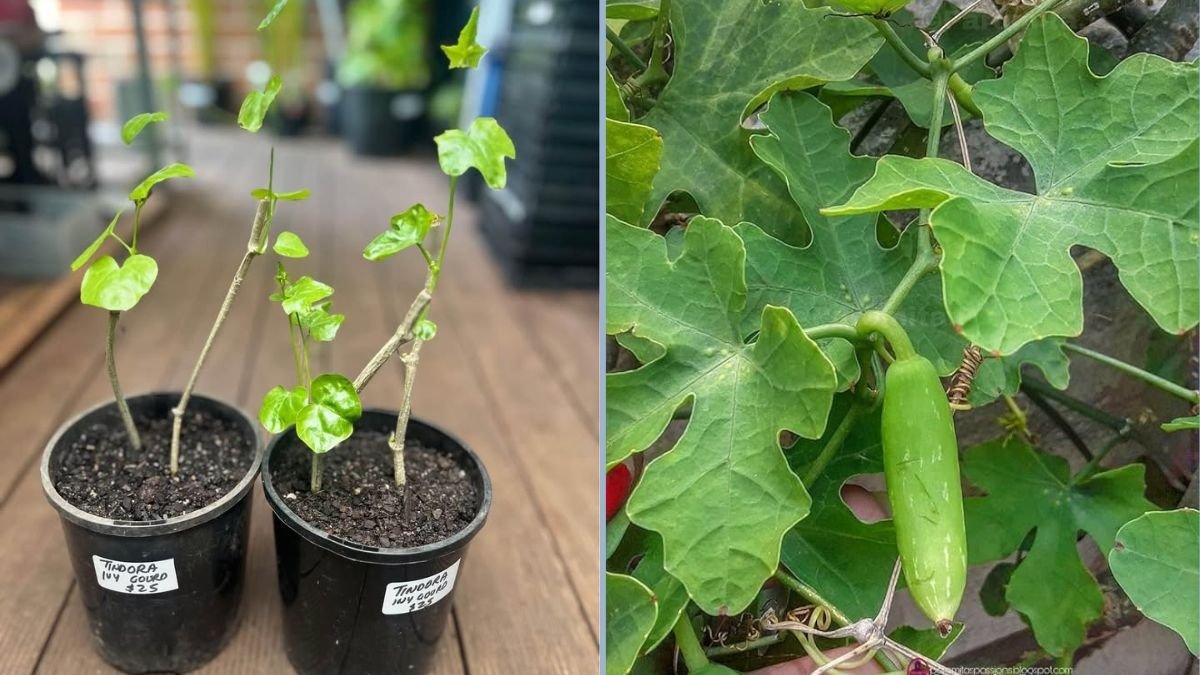
Tindora, also known as Ivy Gourd or Coccinia grandis, is a fast-growing vine that produces slender, green vegetables widely used in Indian, Southeast Asian, and tropical cuisines. Known for its nutritional benefits and medicinal properties, tindora is rich in vitamin C, fiber, and antioxidants, making it an excellent addition to a healthy diet. Growing tindora at home is not only rewarding but also allows gardeners to enjoy fresh, chemical-free vegetables year-round.
In this guide, we’ll explore everything you need to know to grow tindora successfully in your garden, from planting seeds to harvesting a bountiful crop.
What is Tindora (Ivy Gourd)?
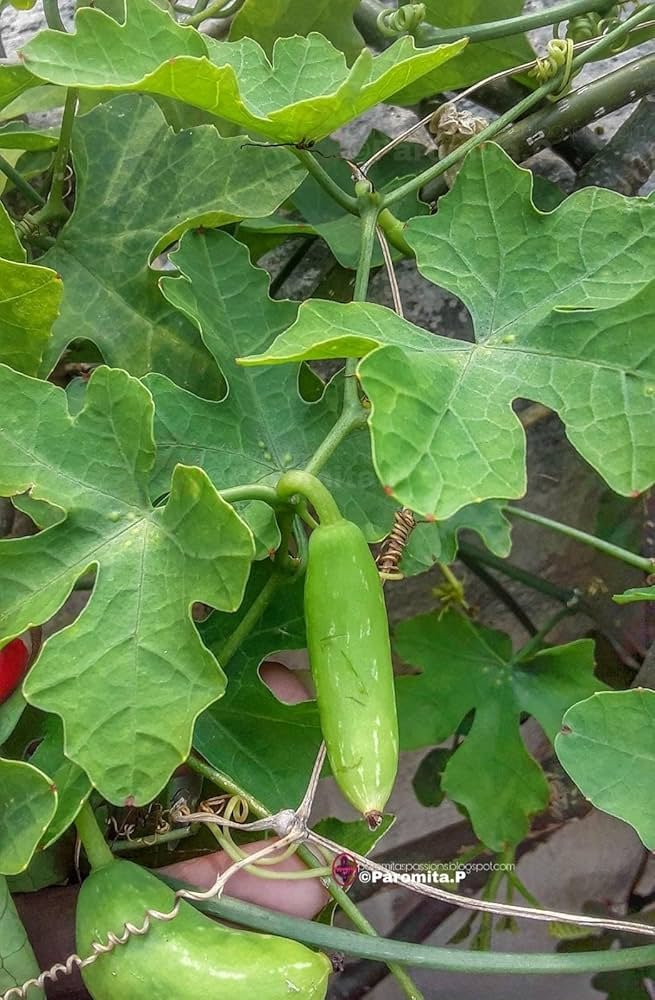
Tindora is a fast-growing climbing vine native to India and Southeast Asia. The plant produces small, elongated green fruits with a mild, slightly bitter flavor. It thrives in tropical and subtropical climates, although with proper care, it can also be grown in other regions.
- Botanical name: Coccinia grandis
- Family: Cucurbitaceae (same as cucumbers and squash)
- Uses: Stir-fries, curries, pickles, and salads
- Medicinal benefits: Supports digestion, helps regulate blood sugar, and boosts immunity
This hardy vine is ideal for home gardeners seeking nutritious and low-maintenance vegetables.
Why Grow Tindora at Home?
Growing tindora in your garden offers several advantages:
- Fresh and organic produce: Know exactly what goes into your food.
- Continuous harvest: With proper care, vines can produce fruits for several months.
- Easy propagation: Can be grown from seeds or stem cuttings.
- Space-efficient: Climbs trellises, fences, or vertical structures, making it ideal for small gardens.
- Nutritional and medicinal benefits: Supports overall health with fiber, vitamins, and antioxidants.
Homegrown tindora is tastier and more nutritious than store-bought varieties, which may be harvested prematurely or treated with chemicals.
Choosing the Right Variety
There are several varieties of tindora, but most home gardeners opt for:
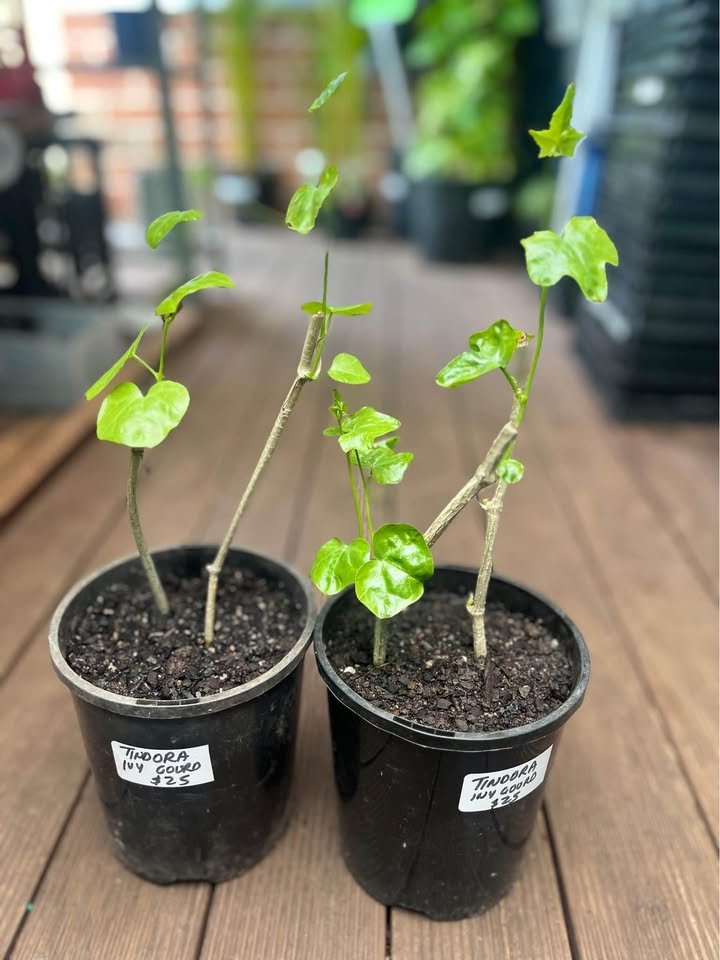
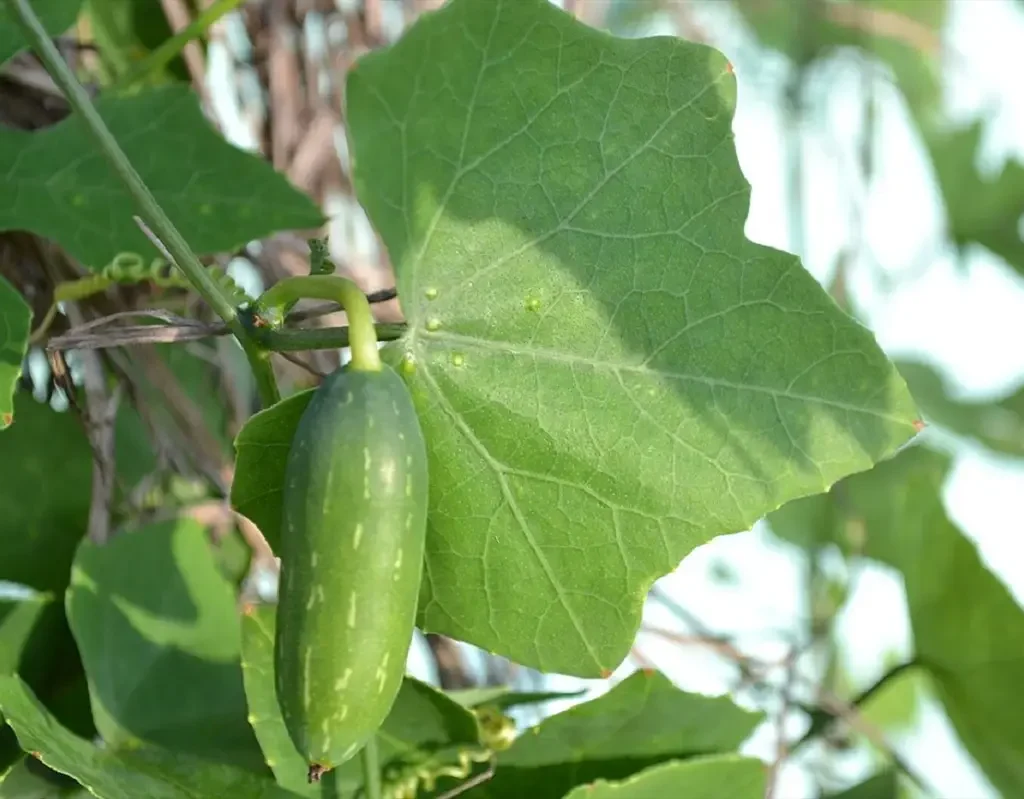
- Green tindora: Smooth, mild-flavored fruits ideal for cooking.
- Striped tindora: Distinctive stripes with slightly stronger flavor.
- Local or hybrid varieties: Some hybrids offer higher yield and disease resistance.
For beginners, green tindora is easier to manage and produces abundant fruits.
Materials Needed
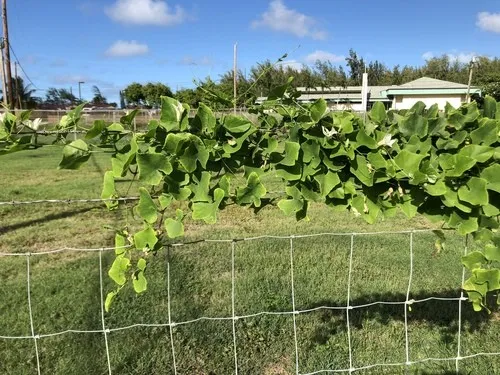
Before planting, gather these essentials:
- Tindora seeds or stem cuttings – Both methods are effective.
- Trellis, bamboo sticks, or netting – Provides support for climbing vines.
- Garden soil or containers – Well-draining, fertile soil enriched with compost.
- Compost or organic fertilizer – Encourages healthy growth and flowering.
- Water source – Regular watering is crucial for fruit development.
Optional: Mulch to retain moisture and prevent weeds.
Step 1: Propagating Tindora
Tindora can be grown from seeds or stem cuttings.
From Seeds:
- Soak seeds in warm water overnight to improve germination.
- Plant seeds ½ inch deep in seed trays or small pots with moist soil.
- Keep trays in a warm, sunny location.
- Germination typically occurs in 7–14 days.
From Stem Cuttings:
- Take a 6–8 inch cutting from a healthy vine.
- Remove leaves from the lower half and plant in moist soil or water.
- Roots develop in 1–2 weeks, after which the cutting can be transplanted.
Cuttings are ideal for gardeners looking for faster growth and higher success rates.
Step 2: Preparing the Growing Area
Tindora thrives in warm, sunny locations:
- Sunlight: At least 6–8 hours of direct sunlight daily.
- Soil: Well-draining, fertile soil enriched with compost or organic matter.
- Spacing: Plant vines 2–3 feet apart to avoid overcrowding.
- Support: Install trellis, fence, or vertical netting for climbing.
For container gardening, use pots at least 12–15 inches deep to accommodate root growth.
Step 3: Planting Tindora
- Planting depth: Sow seeds ½ inch deep or plant cuttings with 2–3 nodes buried in soil.
- Orientation: For climbing, position near trellis or vertical support.
- Watering: Keep soil consistently moist but avoid waterlogging.
- Timing: Plant after the last frost in temperate regions or during warm months in tropical regions.
Direct sowing is often preferred for stronger plants, but seedlings started indoors can be transplanted for early harvest.
Step 4: Supporting the Vines
Tindora is a vigorous climber:
- Trellis, bamboo sticks, or netting: Supports vertical growth and maximizes space.
- Training shoots: Tie young shoots gently to guide upward growth.
- Pruning: Remove excessive lateral shoots to improve airflow and sunlight penetration.
Proper support reduces disease risk and keeps fruits clean and accessible.
Step 5: Watering and Fertilizing
Tindora requires regular watering and nutrients:
- Watering: Water deeply 2–3 times per week, ensuring soil stays moist.
- Mulching: Organic mulch retains moisture and protects roots.
- Fertilizing: Apply compost or organic fertilizers every 2–3 weeks to promote flowering and fruiting.
Avoid excess nitrogen, which encourages leaf growth at the expense of flowers and fruits.
Step 6: Flowering and Pollination
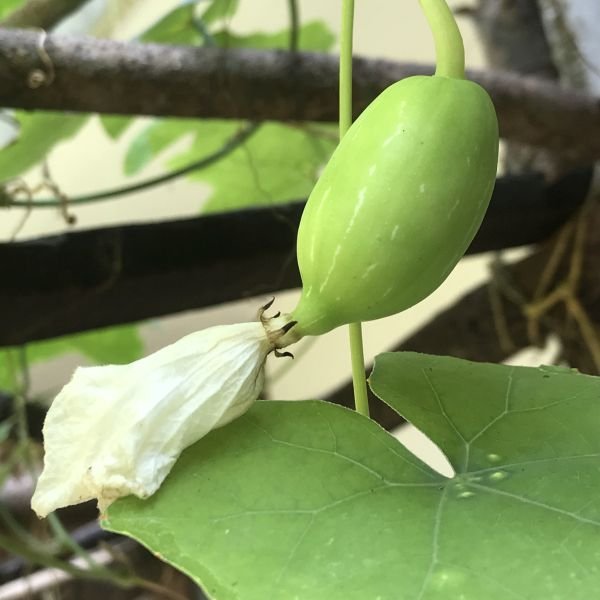
Tindora produces small, trumpet-shaped flowers that develop into fruits:
- Male and female flowers appear on the same vine; pollination is necessary for fruit set.
- Encourage pollinators like bees by planting companion flowers nearby.
- Remove damaged flowers to allow the plant to focus energy on healthy fruits.
Pollination is essential for a continuous and abundant harvest.
Step 7: Pest and Disease Management
Common pests include:
- Aphids: Spray neem oil or insecticidal soap.
- Fruit flies: Cover fruits with netting to protect young pods.
- Caterpillars: Handpick or use organic sprays.
Common diseases:
- Powdery mildew: Ensure good spacing and airflow.
- Root rot: Avoid waterlogged soil.
- Leaf spot: Remove affected leaves and apply organic treatments if necessary.
Regular monitoring and early intervention prevent significant damage and maintain productivity.
Step 8: Harvesting Tindora
Tindora is fast-growing and ready for harvest 6–8 weeks after planting:
- Fruit size: Pick young fruits when they are 4–6 inches long for tender texture.
- Method: Use scissors or gently twist the fruit to remove it from the vine.
- Continuous harvest: Regular harvesting encourages more flowering and fruiting.
Tip: Harvest in the morning for maximum freshness and nutrient retention. Avoid letting fruits grow too large, as they become tough and bitter.
Cooking and Enjoying Tindora
Tindora is a versatile vegetable:
- Stir-fries: Sauté with onions, garlic, and spices.
- Curries: Combine with tomatoes and coconut milk or yogurt.
- Pickles: Use young fruits for tangy and flavorful pickles.
- Soups: Add chopped tindora to vegetable soups for extra nutrition.
Its tender texture and mild flavor make it a favorite in Asian and Indian cuisines.
Tips for a Successful Tindora Garden
- Provide strong support: Vertical trellises maximize yield.
- Mulch: Retain soil moisture and regulate temperature.
- Regular harvesting: Encourages continuous fruit production.
- Organic fertilizers: Maintain healthy, chemical-free plants.
- Monitor for pests: Early detection prevents major damage.
- Companion planting: Beans, marigolds, or basil can enhance growth and deter pests.
Final Thoughts
Growing tindora (ivy gourd) at home is easy, rewarding, and highly nutritious. With proper care—support structures, regular watering, pruning, and pest management—you can enjoy a continuous harvest of fresh, organic tindora throughout the growing season. Whether you have a small balcony garden, container setup, or backyard plot, tindora is an excellent choice for gardeners seeking productive and low-maintenance vines.
Start growing tindora today and enjoy the benefits of fresh, homegrown, and flavorful ivy gourd in your kitchen garden!


Leave A Comment