
If you’ve ever tasted a perfectly ripe, deep-red dragon fruit, you know there’s nothing quite like it. With its vivid color, exotic look, and tropical sweetness, this fruit feels like nature’s artwork. But what most people don’t realize is that growing super red dragon fruit (Hylocereus costaricensis) is not only possible at home — it can also yield incredibly sweet and nutrient-rich fruits if done the right way.
Inspired by the video “How I Grow Super Red Dragon Fruit That Not Everyone Knows – Super Sweet Fruit”, this post dives deep into the secrets of cultivating these vibrant cacti, from soil and sunlight to pollination and care. Whether you’re a seasoned gardener or a curious beginner, this complete guide will help you grow your own super red dragon fruit that’s both visually stunning and irresistibly delicious.
1. What Makes Super Red Dragon Fruit So Special
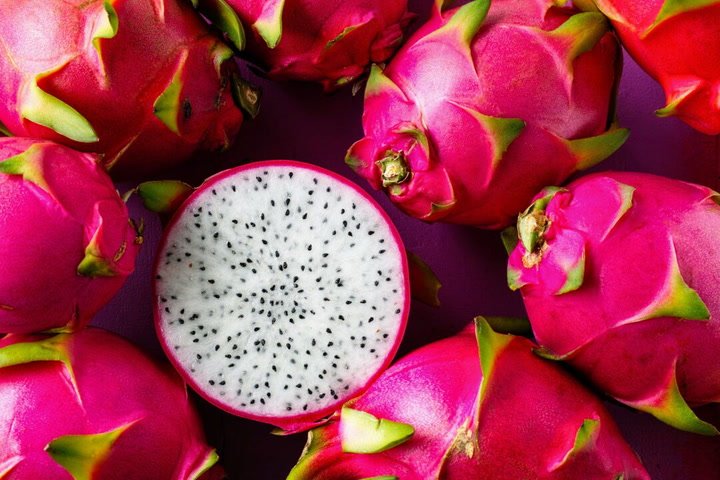
The super red dragon fruit, also known as Hylocereus costaricensis or Hylocereus polyrhizus, stands out among other varieties for its deep magenta-red flesh and high sweetness level. Unlike white-fleshed or pink-fleshed types, the super red variety is rich in antioxidants, betalains, and natural sugars, giving it both a more intense color and richer taste.
Here’s what makes it unique:
- Deep crimson flesh that retains its color even after juicing or cooking.
- Brix level (sugar content) often between 18–22, making it sweeter than most other varieties.
- Soft, edible seeds that add a light crunch without bitterness.
- High antioxidant content, great for heart health, skin glow, and energy.
Many gardeners and fruit enthusiasts call it the “king of dragon fruits” for its beauty and flavor — but growing it to perfection takes understanding its unique needs.
2. Understanding the Dragon Fruit Plant
Before diving into the growing process, it’s important to understand what kind of plant you’re working with.
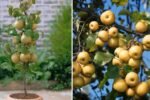
The dragon fruit plant is a tropical climbing cactus. It grows long, fleshy, three-sided stems that can reach several meters in length. The plant naturally climbs by using aerial roots that cling to trellises, poles, or other structures.
It’s a night-blooming cactus, meaning its large, fragrant white flowers open only at night — a truly spectacular sight for gardeners lucky enough to witness it. Each flower lasts just one night, but when pollinated successfully, it transforms into a bright, scaly fruit that ripens in about 30–50 days.
3. Propagation: Starting Your Dragon Fruit the Right Way
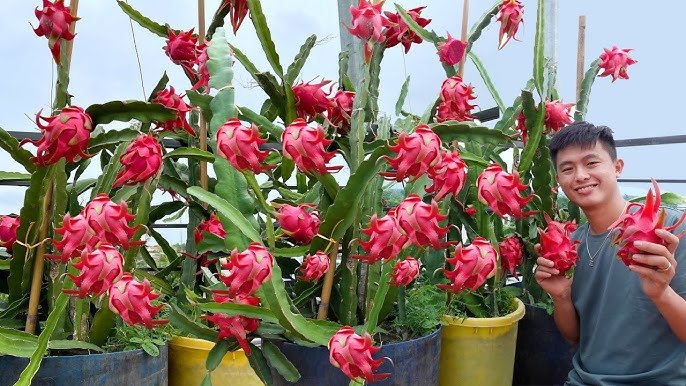
There are two main ways to grow dragon fruit: from seed or from cuttings. For the best and fastest results, always use stem cuttings from a healthy, productive plant.
Step-by-Step Guide to Growing from Cuttings
- Select a mature cutting about 12–18 inches long from a healthy super red dragon fruit plant.
- Let the cutting dry in a shaded area for 4–7 days until the cut end forms a callus. This prevents rotting when planted.
- Plant in a well-draining mix, such as sandy cactus soil blended with compost and perlite.
- Water lightly after planting and keep the soil moist but not soggy.
- In about 2–3 weeks, roots will begin to form, and new shoots will appear.
Cuttings usually start growing faster and produce fruit within one to two years, while seeds can take up to five years or more.
4. Choosing the Right Soil and Location
Dragon fruit plants may look exotic, but they’re surprisingly hardy if planted in the right conditions. The key is good drainage and warmth.
Ideal Soil
- Use well-draining sandy or loamy soil with a pH of 6–7.
- Mix organic compost or aged manure for nutrients.
- Avoid heavy clay soil — it traps water and causes root rot.
Ideal Location
- Choose a spot with at least 6–8 hours of sunlight daily.
- Protect from strong winds, as the stems can break easily.
- If growing in pots, use large containers (at least 15–20 gallons) with drainage holes.
Super red dragon fruit loves warmth, so if you live in a cooler climate, keep it in a greenhouse or indoors during winter months.

5. Building a Strong Support Structure
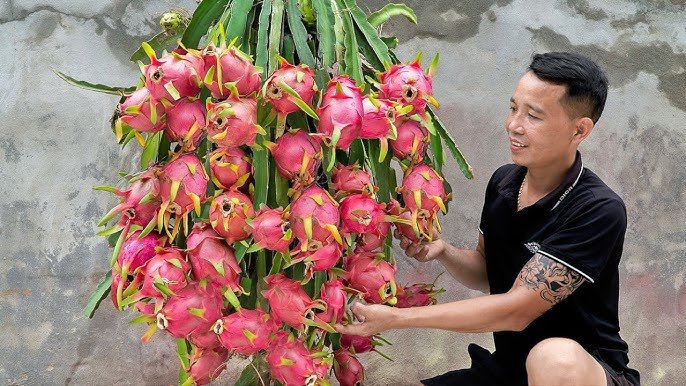
Since dragon fruit plants are climbing cacti, they need a sturdy support system to grow upright and bear fruit. You can create a simple but effective support structure using:
- A cement or wooden pole about 5–6 feet tall.
- A tire rim, metal ring, or crossbar at the top to allow the branches to cascade outward.
- Plastic ties or soft ropes to gently attach the plant to the pole as it grows.
Over time, the plant will send out aerial roots that naturally cling to the structure, creating a beautiful cascading canopy.
6. Watering and Fertilizing for Maximum Sweetness
Watering correctly is one of the biggest secrets to growing sweet, super red dragon fruit. While the plant is a cactus, it still needs regular water during the growing and fruiting season.
Watering Tips
- Water once or twice per week during hot months.
- Always let the top 2 inches of soil dry out before watering again.
- During winter or dormant months, reduce watering to once every 2–3 weeks.
- Avoid overwatering — dragon fruit roots can rot easily.
Fertilization Tips
- Apply organic compost or manure every 2–3 months.
- Use a balanced NPK fertilizer (10-10-10) during active growth.
- Switch to a high-phosphorus fertilizer (5-10-10) when flowering begins to promote strong blooms and sweet fruits.
- Add Epsom salt or calcium nitrate occasionally to prevent nutrient deficiency.
Well-fed plants produce larger, juicier, and sweeter fruit — one of the keys to the “super sweet” results seen in the video.
7. Encouraging Flowering and Pollination
The super red dragon fruit produces stunning white flowers that bloom only at night. Each flower lasts a single night, opening around dusk and closing by dawn.
However, one of the challenges is pollination. Some varieties are self-pollinating, but many require cross-pollination from another plant for successful fruiting.

Here’s how to ensure fruit set:
- Grow at least two different plants nearby to improve pollination chances.
- Use a soft brush or cotton swab to transfer pollen from one flower’s anther to another’s stigma during the night or early morning.
- Avoid watering the flowers directly — moisture can damage pollen.
Within a week or two, pollinated flowers begin to swell at the base, signaling fruit formation. Watching this transformation is one of the most rewarding moments for any gardener.
8. Caring for the Fruits Until Harvest
Once fruits begin to form, your focus should be on consistency — consistent watering, feeding, and protection.
- Keep soil moisture stable — too dry or too wet can cause fruit cracking.
- Add mulch around the base to retain moisture and regulate temperature.
- Check for pests such as ants, mealybugs, and aphids. Neem oil works well as a natural deterrent.
- Avoid moving or shaking the plant when fruits are forming.
The fruits will grow from small buds into large, oval shapes with bright red scales. They’re ready to harvest 30–50 days after flowering, when the skin color deepens to a vivid red and the scales begin to slightly dry at the edges.
9. Harvesting and Enjoying the Sweet Rewards
Harvest the fruit by gently twisting it off the stem or cutting it with garden shears. Always wear gloves to avoid contact with thorns.
A ripe super red dragon fruit is:
- Deep red or magenta in color.
- Slightly soft when pressed.
- Filled with rich, juicy flesh.
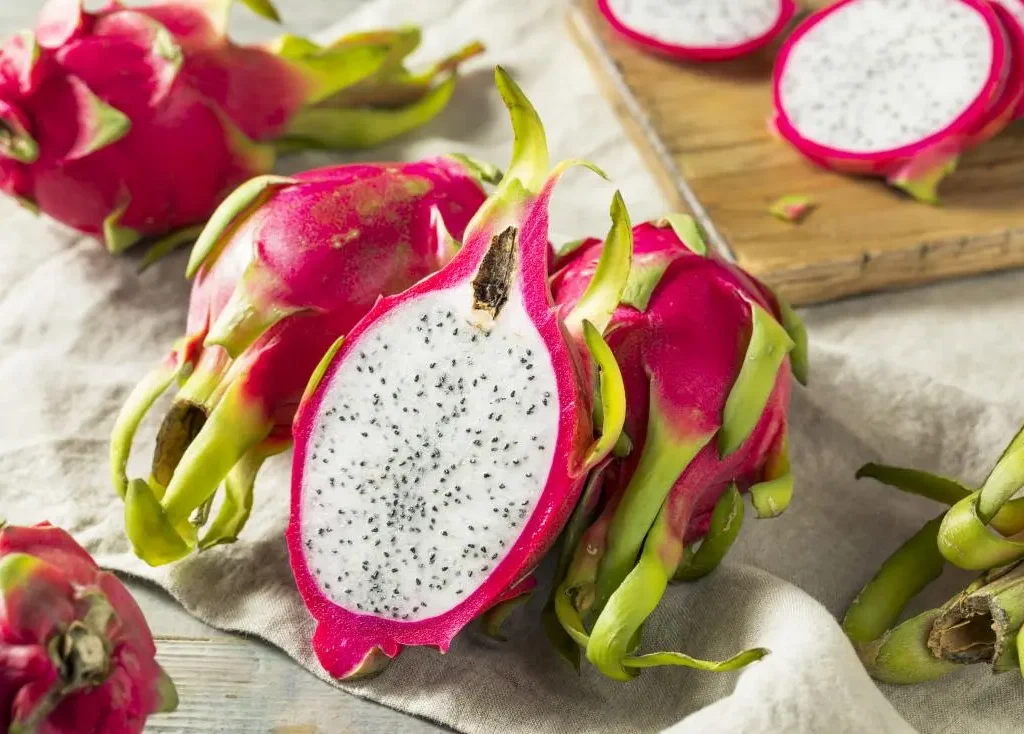
Slice it open, and you’ll reveal the brilliant red flesh dotted with tiny black seeds — a visual delight and a burst of tropical sweetness. The flavor is often compared to a mix of kiwi, pear, and watermelon, with an extra level of richness when perfectly ripe.
You can enjoy it:
- Fresh, chilled, and scooped with a spoon.
- Blended into smoothies or juices.
- Added to fruit salads or desserts.
- Made into jam, sorbet, or even wine.
Its natural sweetness makes it a guilt-free treat packed with vitamins, fiber, and antioxidants.
10. Secret Tips for Growing Super Sweet Fruit
To achieve the super sweet taste featured in the video, here are a few advanced grower tips:
- Stress the plant slightly before harvest — reduce watering for 1–2 weeks before picking. This concentrates sugars in the fruit.
- Ensure full sunlight exposure — fruits grown in shade tend to be less sweet.
- Prune regularly to allow airflow and focus energy on fewer, higher-quality fruits.
- Use compost tea during flowering for extra natural nutrients.
- Harvest at full color — leaving the fruit on the vine a few extra days enhances sweetness.
These small but powerful techniques separate average fruits from truly “super sweet” ones.
11. The Reward of Growing Your Own Dragon Fruit
Growing your own super red dragon fruit isn’t just about producing beautiful fruit — it’s a rewarding journey that connects you deeply with nature. From the first sprouting stem to the spectacular night blooms and the final harvest, every stage is filled with excitement and satisfaction.

This plant rewards patience. With proper care, a single mature dragon fruit cactus can produce dozens of fruits every year for decades, turning your garden or balcony into a tropical paradise.
Final Thoughts
The secret to growing super red, super sweet dragon fruit lies in a mix of knowledge, patience, and passion. By understanding the plant’s natural rhythm — its need for sunlight, careful watering, and timely pollination — you can achieve results that truly stand out.
Not everyone knows how to unlock the full potential of this exotic cactus, but once you do, the rewards are extraordinary. From its striking flowers to its jewel-like fruit, the super red dragon fruit is a living work of art — one you can nurture, harvest, and enjoy with every sweet bite.

Leave A Comment