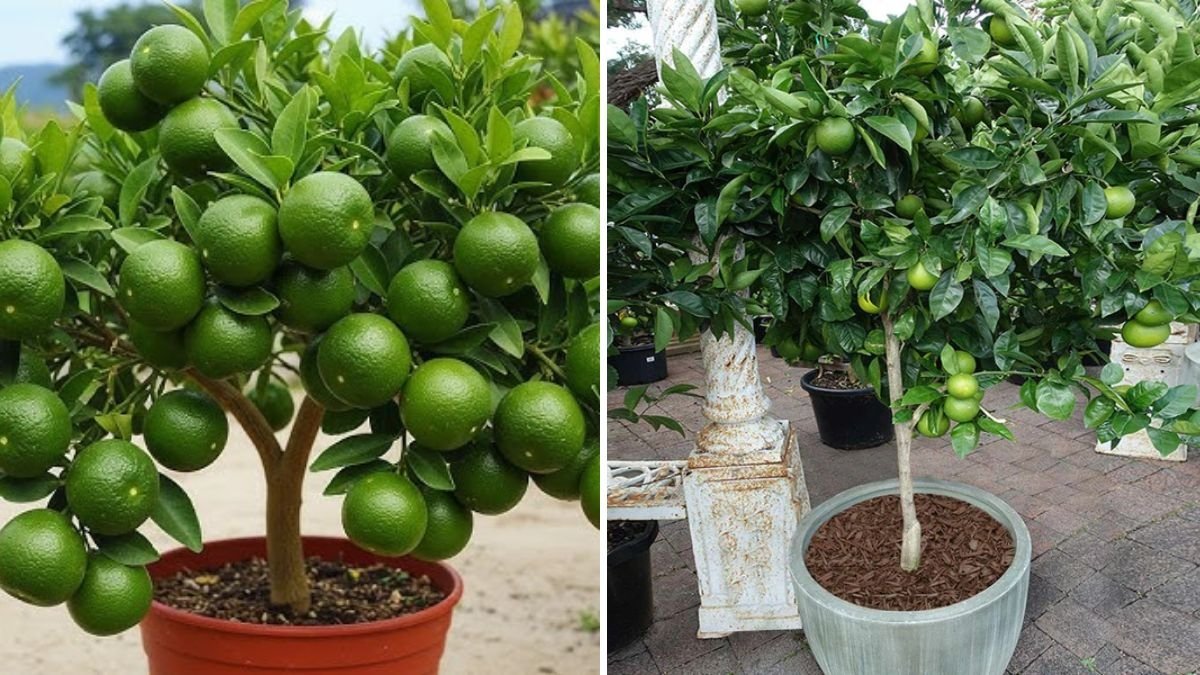
Citrus trees, such as lime, lemon, orange, and mandarin, are among the most rewarding fruit trees to grow at home. They provide fresh, aromatic fruit, lush greenery, and a touch of tropical beauty to any space. While traditional citrus cultivation often requires garden space and soil beds, container gardening makes it possible to grow lime and other citrus trees anywhere, including balconies, patios, and small urban spaces.
In this blog post, we will provide a full tutorial on growing lime and other citrus trees in containers, from choosing the right plant and container to planting, care, and maintenance. By the end, you’ll have all the tools and knowledge to enjoy homegrown citrus fruit all year round.
🌱 Why Grow Citrus Trees in Containers?
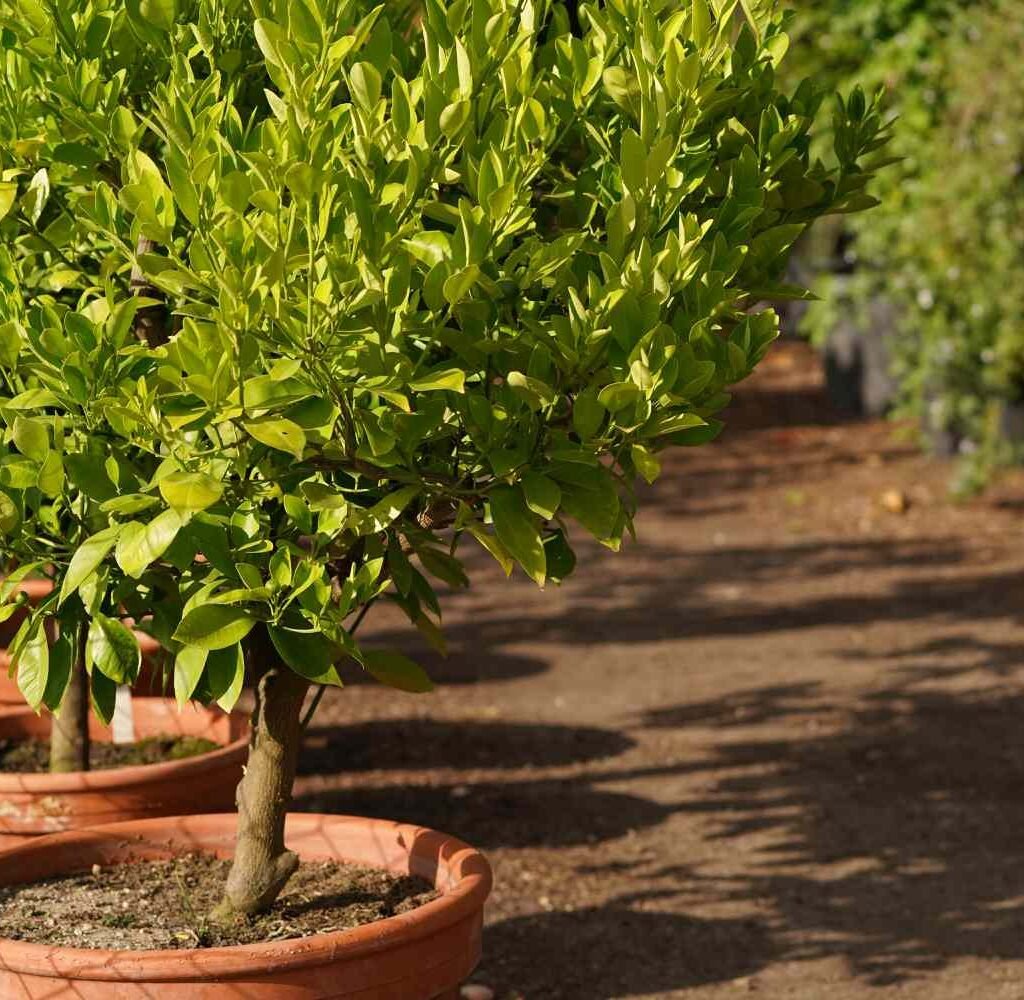
Container gardening for citrus trees offers several unique advantages:
- Space-Efficient: Perfect for apartments, balconies, or limited outdoor areas.
- Mobility: Containers can be moved to follow sunlight or protect plants from extreme weather.
- Controlled Growth: You can manage soil quality, drainage, and watering easily.
- Pest Management: Container-grown trees are easier to monitor and protect from pests.
- Year-Round Gardening: Containers allow indoor growth during colder months, especially for tropical citrus species.
Growing citrus trees in containers combines practicality, sustainability, and accessibility, making it ideal for urban gardeners.
🍋 Step 1: Selecting the Right Citrus Tree
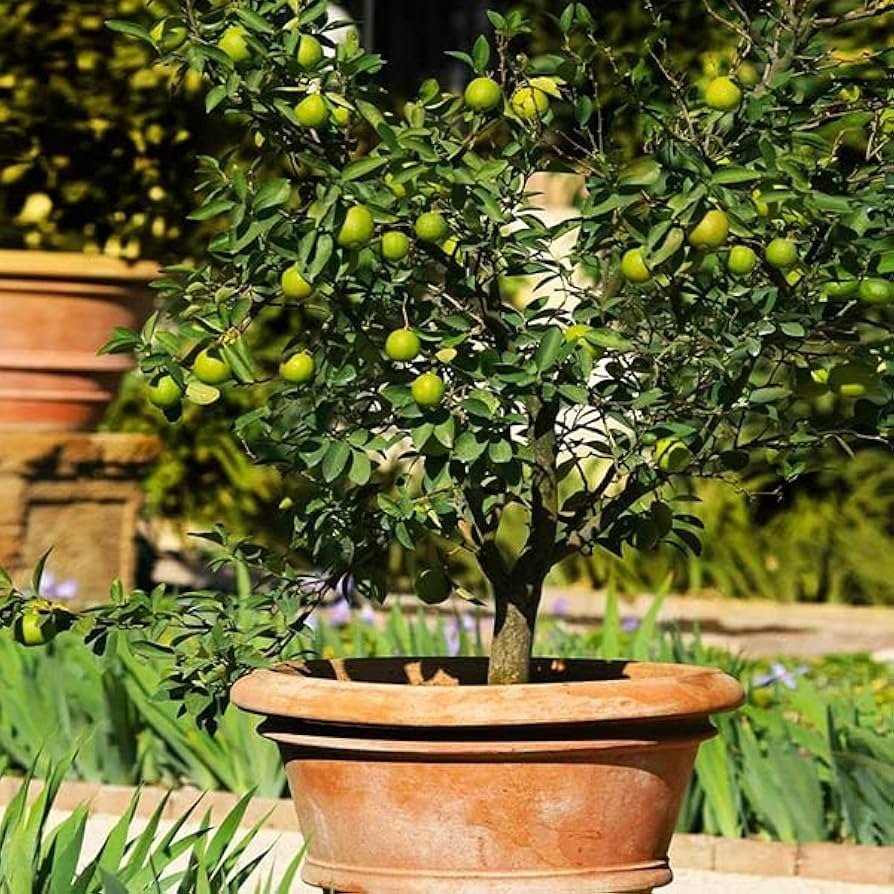
Choosing the right tree is the first step to successful container citrus gardening:
- Lime Trees: Popular for their tangy fruit and aromatic leaves. Varieties like Persian lime or Key lime are suitable for container growth.
- Other Citrus Trees: Lemon, orange, mandarin, kumquat, and calamondin are also great options.
- Nursery Plants vs. Seeds: Young nursery trees are faster to produce fruit, while seeds are fun for beginners and educational.
💡 Pro Tip: Choose dwarf or semi-dwarf varieties for container growth, as they stay manageable and produce fruit more efficiently in pots.

🌿 Step 2: Choosing the Right Container
The container plays a critical role in the health and growth of citrus trees:
- Size: Start with a 10–15 gallon container for young trees and gradually move to 20–25 gallons as the tree grows.
- Material: Plastic, ceramic, or terracotta pots are all suitable. Ensure durability and good drainage.
- Drainage: Punch holes in the bottom of the container to prevent waterlogging. Citrus roots are highly sensitive to excess water.
💡 Pro Tip: Elevated pots with saucers help prevent water accumulation and root rot.
🌱 Step 3: Selecting the Right Soil
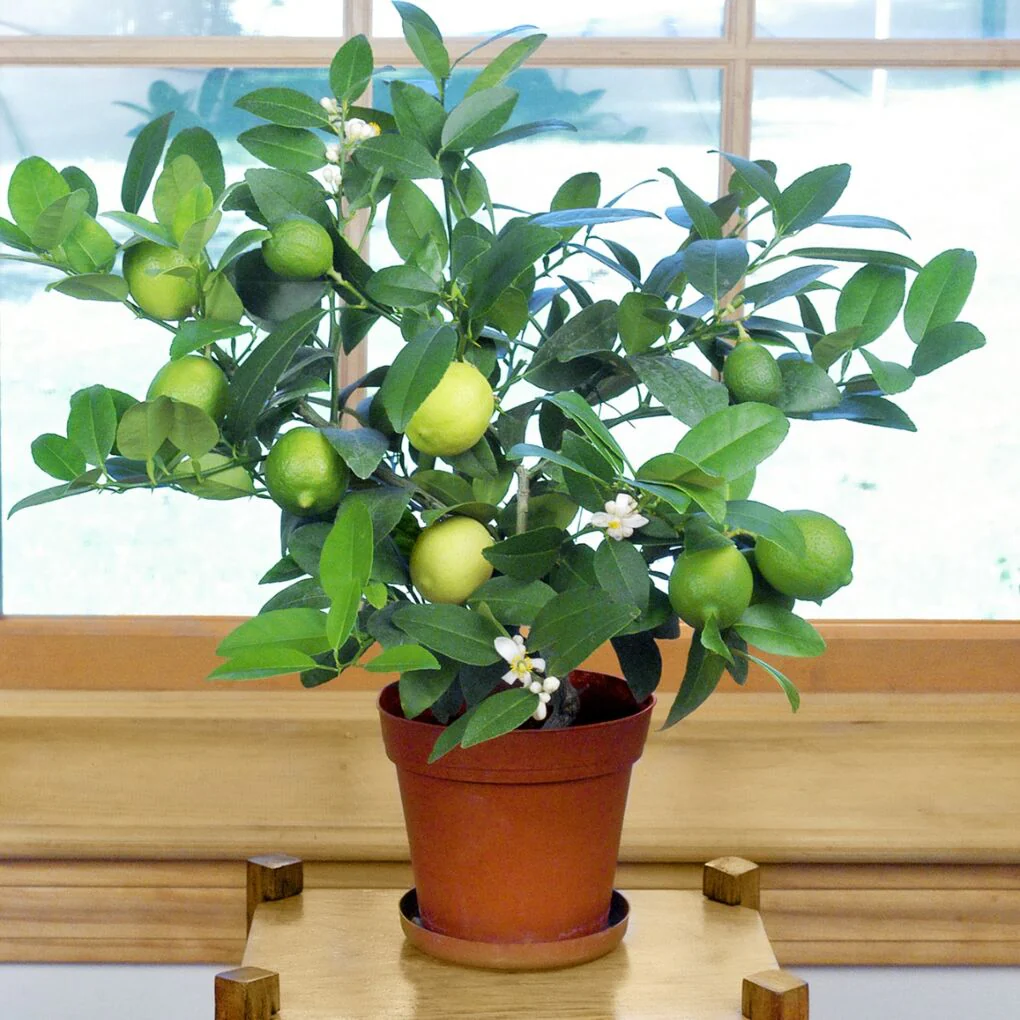
Citrus trees require well-draining soil rich in organic matter:
- Use a mix of garden soil, compost, sand, and perlite to ensure proper drainage.
- Avoid heavy clay soils that retain too much water.
- Add slow-release citrus fertilizer for long-term nutrition.
💡 Pro Tip: Soil pH should be slightly acidic, around 6.0–6.5, for optimal citrus growth.
🌿 Step 4: Planting Citrus Trees in Containers
Once your container and soil are ready:
- Prepare the Soil: Fill the container halfway with soil mix.
- Plant the Tree: Place the citrus tree in the center and fill around the roots with soil. Ensure the root collar is slightly above soil level.
- Water: Water thoroughly after planting to settle the soil.
- Mulch (Optional): Add organic mulch around the base to retain moisture and regulate temperature.
💡 Pro Tip: Avoid planting too deep; the graft union or base of the tree should remain above soil to prevent stem rot.

🌱 Step 5: Watering Citrus Trees
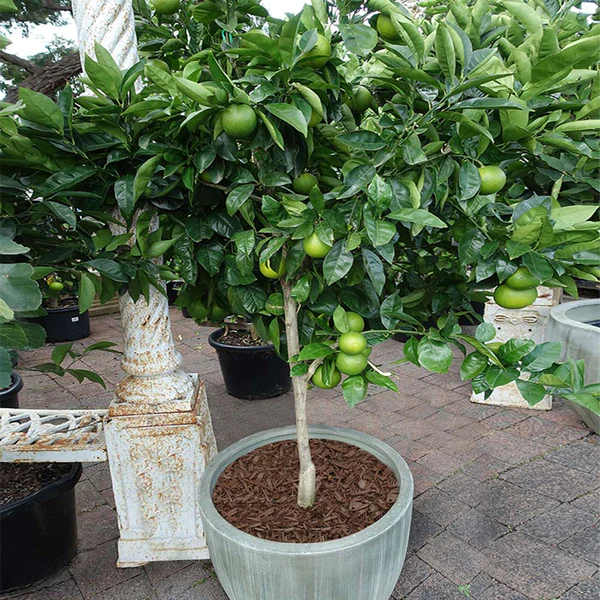
Proper watering is critical for container-grown citrus:
- Young Trees: Keep soil consistently moist but not soggy.
- Mature Trees: Water deeply when the top 1–2 inches of soil are dry.
- Frequency: Depending on climate and container size, watering may be 2–3 times a week in hot weather and less in cooler months.
💡 Pro Tip: Ensure water drains freely; standing water leads to root rot and poor fruit development.
🌿 Step 6: Providing Adequate Sunlight
Citrus trees are sun-loving plants that require plenty of light:
- Provide at least 6–8 hours of direct sunlight daily.
- Indoor citrus trees should be placed near south-facing windows or under grow lights.
- Rotate containers occasionally to ensure even light exposure for balanced growth.
💡 Pro Tip: Leaf yellowing or weak growth often indicates insufficient sunlight.
🌱 Step 7: Fertilizing Citrus Trees
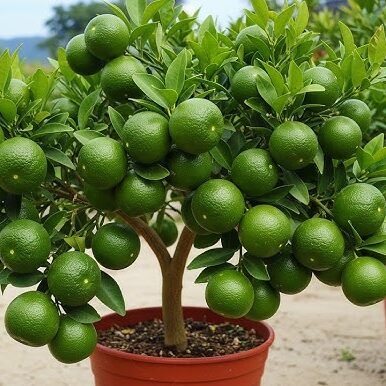
Regular feeding promotes healthy foliage, flowering, and fruiting:
- Use citrus-specific fertilizers high in nitrogen, phosphorus, and potassium.
- Apply fertilizer every 6–8 weeks during the growing season.
- For organic options, use compost tea, well-rotted manure, or seaweed extract.
💡 Pro Tip: Avoid over-fertilizing, which can burn roots and reduce fruit quality.

🌿 Step 8: Pruning and Training
Pruning helps shape your citrus tree and promotes better fruit production:
- Remove Dead or Damaged Branches: Keep the tree healthy and prevent disease.
- Shape the Tree: Encourage open, airy growth for sunlight penetration and air circulation.
- Pinch Back New Growth: Stimulates bushier growth in young trees.
💡 Pro Tip: Avoid heavy pruning; citrus trees fruit best on older wood.
🌱 Step 9: Pollination
Citrus trees grown indoors or in containers may require manual pollination:
- Use a small brush to transfer pollen from flower to flower.
- Outdoor trees often rely on bees and other pollinators.
💡 Pro Tip: Regularly check for flowers and hand-pollinate if necessary to ensure fruit set.
🌿 Step 10: Pest and Disease Management
Container citrus trees can attract pests like aphids, scale, spider mites, and mealybugs:
- Inspect leaves and stems regularly.
- Use organic treatments such as neem oil or insecticidal soap.
- Maintain good airflow around trees to prevent fungal diseases.
💡 Pro Tip: Healthy trees with proper sunlight, water, and nutrients are less prone to pests and disease.

🌱 Step 11: Harvesting Citrus Fruit
Patience is key; citrus trees may take 2–3 years to bear fruit in containers:
- Harvest limes or other citrus when fully colored and aromatic.
- Gently twist fruit from the stem to avoid damage.
- Regular harvesting encourages continuous flowering and fruiting.
💡 Pro Tip: Container-grown citrus may produce fewer fruits than garden-grown trees, but they are often more flavorful.
🌿 Step 12: Seasonal Care
- Winter: Bring container trees indoors or protect from frost.
- Summer: Ensure sufficient watering and sunlight exposure.
- Repotting: Every 2–3 years, transplant into a larger container to accommodate root growth.
💡 Pro Tip: Container citrus trees thrive with consistent care year-round, even in urban environments.
🌱 Step 13: Benefits of Growing Citrus Trees in Containers
- Urban-Friendly: Perfect for balconies, patios, and small spaces.
- Mobility: Move trees to follow sunlight or protect from extreme weather.
- Eco-Friendly: Reduces garden dependency and promotes sustainable home gardening.
- Educational: Great for teaching children and beginners about plant growth and care.
- Visual Appeal: Adds greenery and beauty to any home space.
💡 Pro Tip: Combine multiple citrus species in containers for a mini citrus orchard at home.
🌿 Step 14: Troubleshooting Common Issues
- Yellow Leaves: May indicate nutrient deficiency or overwatering.
- Weak Growth: Ensure adequate sunlight and proper fertilization.
- Pest Infestation: Regularly inspect leaves and treat early.
- Fruit Drop: Stress from temperature fluctuations or improper watering can cause fruit to drop.
💡 Pro Tip: Observation and timely adjustments are key to a healthy container citrus tree.
🌱 Conclusion: Enjoy Fresh Citrus from Your Container Garden
Growing lime and other citrus trees in containers is a practical, rewarding, and educational way to enjoy fresh fruit at home. With the right selection of tree, container, soil, sunlight, and care, anyone can cultivate thriving citrus plants even in small urban spaces.

From planting seeds or nursery saplings to nurturing seedlings, caring for mature trees, and harvesting fruit, container citrus gardening is accessible for beginners and experts alike. Start today and transform your balcony, patio, or windowsill into a vibrant citrus garden, bringing nature closer to your home while enjoying fresh, homegrown limes and citrus fruits year-round. 🍋🌿✨

Leave A Comment