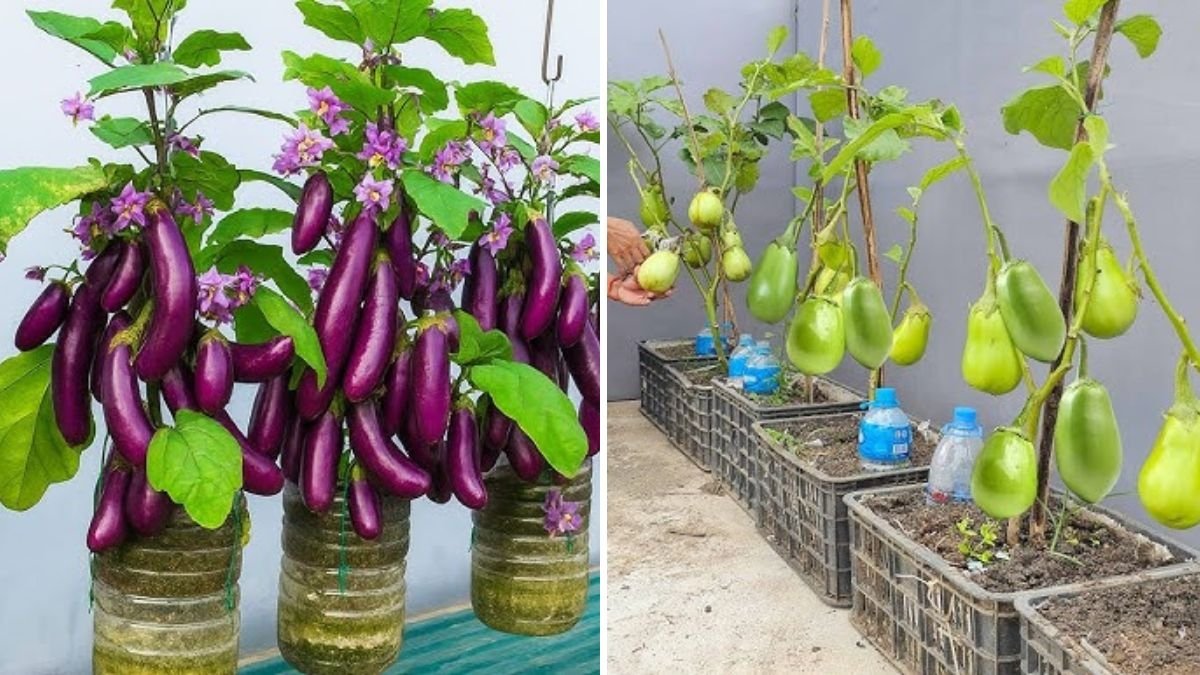
Round eggplants, also known as globe eggplants, are a popular variety loved for their tender flesh and versatile culinary uses. From curries and stir-fries to roasting and grilling, these compact, round vegetables are a staple in many kitchens. But did you know that you can grow round eggplants easily at home using plastic baskets?
This method is perfect for urban gardeners, apartment dwellers, and beginners. With limited space, you can still enjoy fresh, homegrown round eggplants, all while learning the fundamentals of container gardening. In this article, we’ll guide you step by step through the entire process of growing round eggplants in plastic baskets, from sowing seeds to harvesting abundant fruits.
Why Grow Round Eggplants in Plastic Baskets?
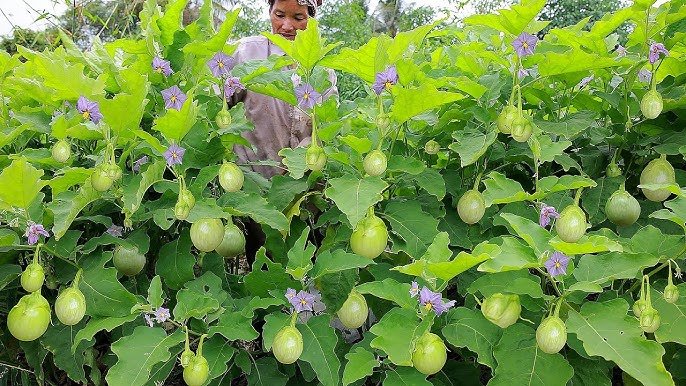
Growing round eggplants in plastic baskets offers numerous advantages:
- Space-Saving: Ideal for balconies, terraces, and small patios.
- Easy Maintenance: Container gardening reduces weeding and soil management tasks.
- Pest Control: Elevated containers are less prone to soil-borne pests and diseases.
- Water Efficiency: Plastic baskets retain moisture while providing drainage for healthy roots.
- Beginner-Friendly: No prior gardening experience is needed to start.
Using plastic baskets allows anyone to grow fresh vegetables easily, even in limited spaces, and ensures consistent yields.
Step 1: Selecting the Right Seeds
Seed selection is crucial for healthy plants and abundant harvests.
- Varieties: Popular round eggplant varieties include Black Beauty, White Round, and Rosa Bianca. Dwarf or compact varieties are perfect for baskets.
- Seed Quality: Choose fresh, viable seeds with a high germination rate.
- Purpose: Decide whether you want smaller fruits for quick cooking or larger ones for roasting and grilling.
High-quality seeds ensure strong seedlings, healthy growth, and maximum fruiting in your containers.

Step 2: Preparing Plastic Baskets
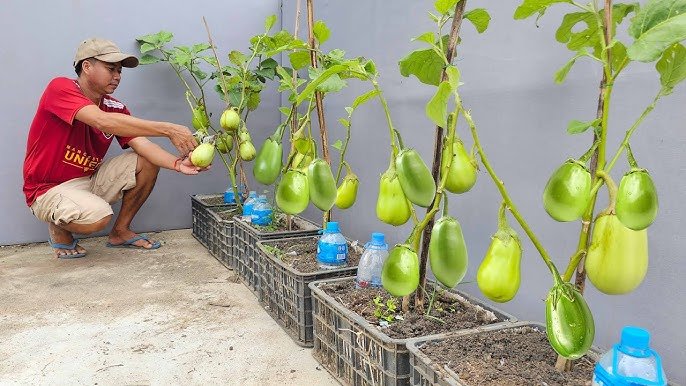
Plastic baskets are a convenient and reusable option for container gardening:
Materials Needed:
- Medium or large plastic baskets with holes for drainage
- Plastic tray or saucer (optional) to catch excess water
- Well-draining soil and compost
Steps to Prepare Baskets:
- Ensure the basket has enough drainage holes at the bottom for excess water.
- Place a layer of small stones or broken pottery at the base to improve drainage.
- Fill the basket with a nutrient-rich soil mix (details below).
Proper basket preparation ensures healthy root development and prevents waterlogging, which is essential for round eggplants to thrive.
Step 3: Preparing Nutrient-Rich Soil
Round eggplants are heavy feeders, so fertile soil is necessary.
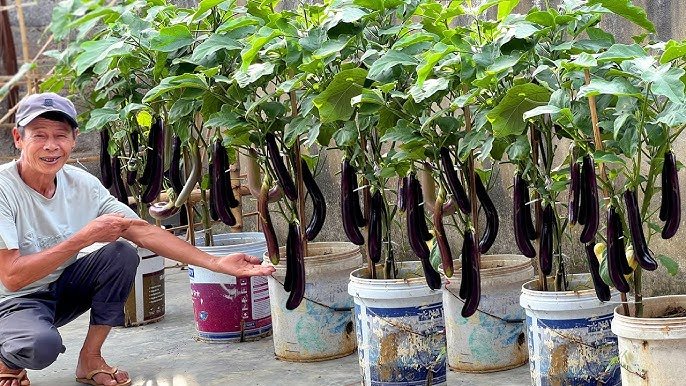
Recommended Soil Mix:

- 1 part potting soil
- 1 part compost or well-rotted organic matter
- 1 part perlite or sand for aeration
Optional Additions:
- Banana peels or coffee grounds for potassium and phosphorus, which help in flowering and fruiting.
- Diluted compost tea or cow manure to enhance soil fertility.
Using a nutrient-rich soil mix ensures strong stems, lush leaves, and abundant fruit production in plastic baskets.
Step 4: Sowing Seeds
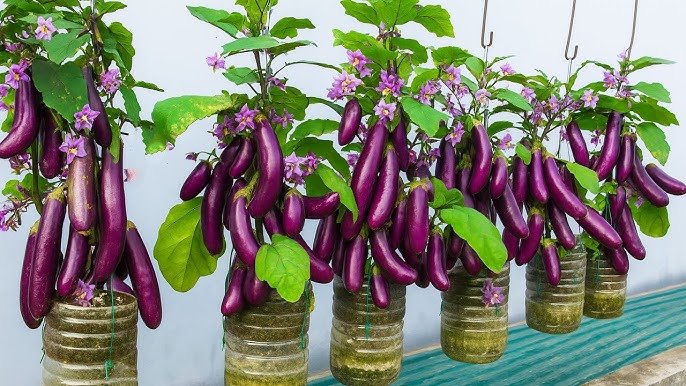
Starting round eggplants from seeds in baskets is simple:
- Make small holes in the soil about 1/4 inch deep.
- Place 2–3 seeds per hole.
- Cover lightly with soil and water gently.
- Place the basket in a warm, sunny spot (70–85°F) for germination.
Seeds typically sprout within 7–12 days. Once seedlings appear, thin to one strong plant per basket to maximize fruit production.
Step 5: Providing Adequate Sunlight
Round eggplants need sufficient light to grow healthy and produce abundant fruits:
- Sunlight: 6–8 hours of direct sunlight per day.
- Indoor Growth: Use grow lights if sunlight is insufficient.
- Rotate Baskets: Turn containers occasionally to ensure even exposure.
Proper sunlight promotes robust stems, frequent flowering, and maximum fruit yield.

Step 6: Watering
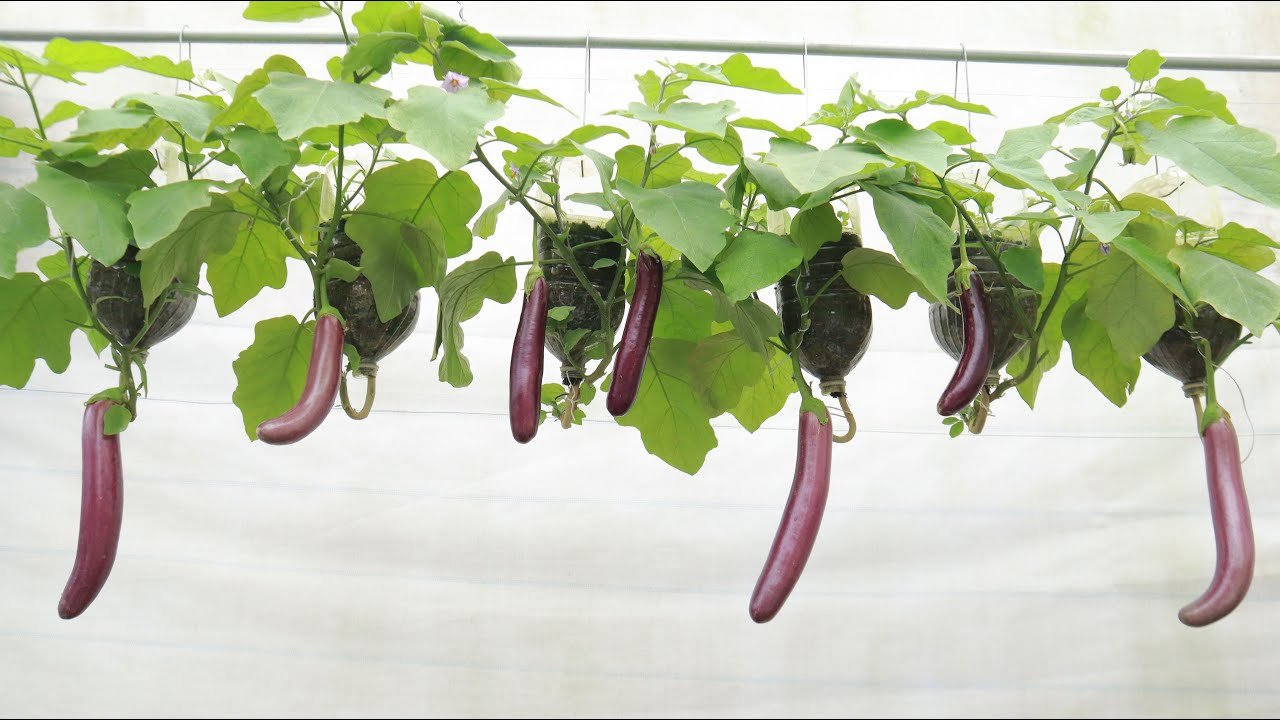
Consistent watering is crucial for container-grown round eggplants:
- Water when the top 1–2 inches of soil feel dry.
- Ensure drainage to prevent root rot.
- Mulch with straw, dried leaves, or coconut husk to retain moisture.
Well-maintained moisture encourages healthy roots and supports multiple harvests throughout the season.
Step 7: Fertilization for Maximum Yield
Even fertile soil may require additional nutrients to boost flowering and fruiting:
- Early Growth: Apply a balanced liquid fertilizer every 2–3 weeks for strong leaves and stems.
- Flowering & Fruiting: Use fertilizers rich in phosphorus and potassium to encourage abundant flowers and fruit set.
- Organic alternatives include compost tea, diluted cow manure, or banana peel mulch.
Avoid excessive nitrogen, as it promotes leafy growth at the expense of fruit production.
Step 8: Supporting the Plants
Round eggplants can become top-heavy once they start producing fruits:
- Use bamboo stakes or small trellises to support the main stem.
- Tie branches gently to prevent bending or breaking.
- Prune unnecessary side shoots to focus energy on fruiting.
Proper support ensures healthy growth and higher yields from your plastic basket garden.

Step 9: Flowering and Pollination
Round eggplants produce beautiful purple flowers that develop into fruits:
- Outdoor plants are naturally pollinated by bees and insects.
- For balcony or indoor plants, hand pollination using a soft brush or gentle shaking may be required.
- Adequate sunlight and fertilization encourage continuous flowering and fruit production.
Effective pollination is key to obtaining well-formed, high-quality fruits.
Step 10: Harvesting Round Eggplants
Harvesting at the right time ensures tender, flavorful fruits:
- Fruits are ready when they reach the desired size, usually 4–6 inches in diameter.
- Use scissors or a sharp knife to cut fruits without damaging the plant.
- Harvest regularly to promote continuous flowering and fruiting.
- Avoid leaving fruits too long, as they can become tough and bitter.
Frequent harvesting ensures multiple harvests from a single plant, making your plastic basket garden highly productive.
Step 11: Troubleshooting Common Issues
Even container-grown eggplants may face challenges:
- Yellow Leaves: Usually caused by overwatering, nutrient deficiency, or pests. Adjust care accordingly.
- Stunted Growth: May result from insufficient sunlight or overcrowded roots. Thin seedlings and ensure proper light.
- Pests: Aphids, whiteflies, or caterpillars can appear. Use neem oil or mild soap solutions for treatment.
Regular monitoring keeps your plants healthy and productive.

Step 12: Benefits of Growing Vegetables in Plastic Baskets
- Fresh and Organic: Enjoy pesticide-free, homegrown vegetables.
- Space-Saving: Ideal for small urban spaces and apartments.
- Water-Efficient: Proper drainage and optional self-watering systems reduce water waste.
- Multiple Harvests: With proper care, round eggplants produce fruit throughout the season.
- Easy and Beginner-Friendly: Low maintenance, high yield, and suitable for all skill levels.
Plastic basket gardening is a practical and sustainable way to grow vegetables even in limited spaces.
Conclusion
Growing round eggplants in plastic baskets is an easy, space-saving, and rewarding method for urban gardeners. From sowing seeds and preparing fertile soil to watering, supporting plants, and harvesting multiple fruits, anyone can cultivate healthy, productive eggplants at home.
With proper sunlight, fertilization, and care, a single basket can yield multiple harvests of fresh, flavorful round eggplants, allowing you to enjoy homegrown vegetables year-round. Start your plastic basket garden today and experience the ease and joy of growing vegetables effortlessly!

Leave A Comment