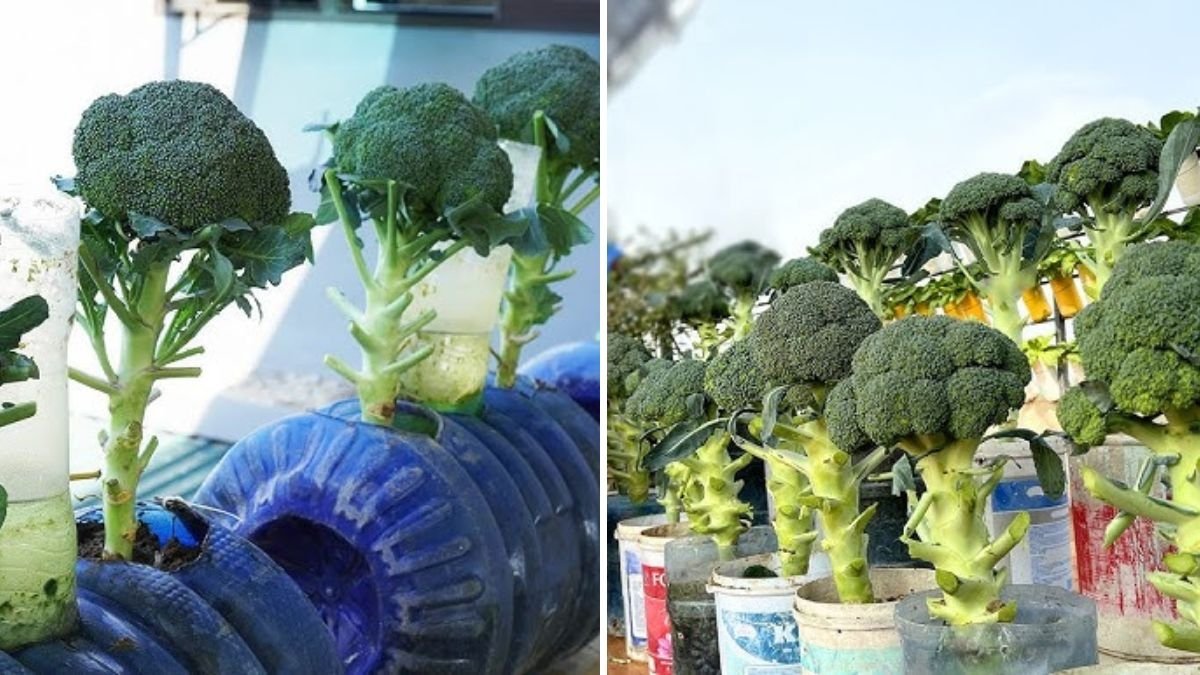
Broccoli is one of the most nutritious and versatile vegetables you can grow at home. Packed with vitamins, minerals, and antioxidants, it supports immunity, digestion, and overall health. But did you know that you can grow broccoli even on your terrace using plastic bottles? Yes, with a little creativity and some DIY container gardening techniques, you can enjoy fresh, homegrown broccoli without a traditional garden.
In this comprehensive guide, we’ll cover how to grow broccoli on a terrace using plastic bottles, including step-by-step instructions for planting, care, and harvesting. This method is beginner-friendly, eco-friendly, and perfect for urban gardeners.
1. Why Grow Broccoli on the Terrace?
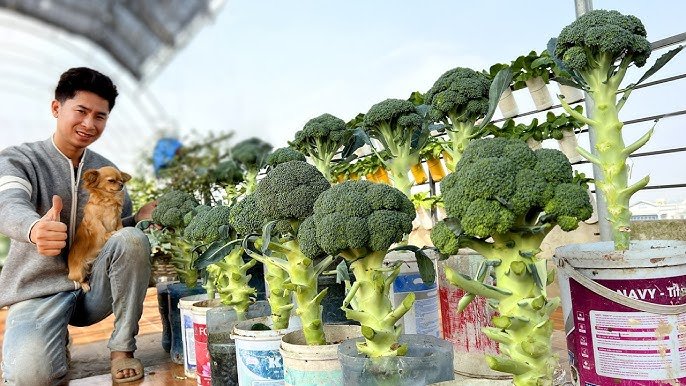
Terrace gardening has become increasingly popular, especially in urban areas where space is limited. Growing broccoli on your terrace allows you to:
- Utilize unused space like rooftops, balconies, or terraces.
- Enjoy organic, pesticide-free vegetables at home.
- Reduce trips to the market and save money.
- Engage in a sustainable, eco-friendly gardening practice.
- Teach kids and family members about growing their own food.
Terrace gardening also provides the benefit of sunlight exposure, which is essential for broccoli growth.
2. Why Use Plastic Bottles for Broccoli?
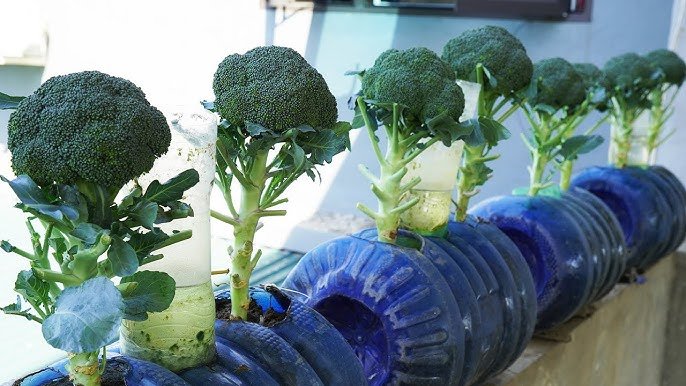
Plastic bottle gardening is an innovative, sustainable way to grow vegetables in small spaces. For broccoli, it offers several advantages:
- Recycles plastic bottles, reducing environmental waste.
- Space-saving: perfect for terraces or small balconies.
- Water-efficient: soil in bottles retains moisture, reducing frequent watering.
- Portable: easy to move for sunlight or protection from harsh weather.
- Easy for beginners: requires minimal gardening tools or experience.
Using plastic bottles not only helps the environment but also allows you to grow fresh, nutritious broccoli year-round.

3. Materials Needed for Terrace Broccoli in Plastic Bottles
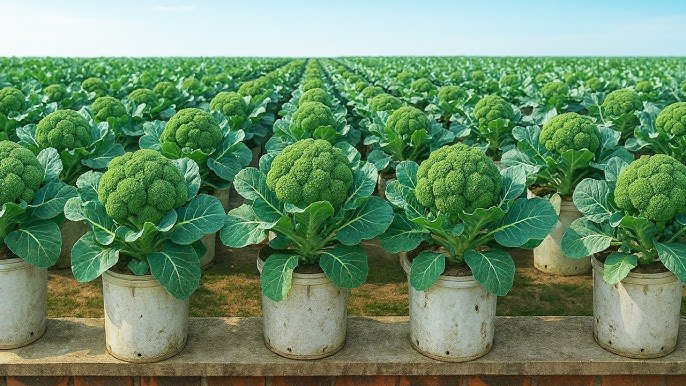
Before starting, gather the necessary materials:
- Plastic bottles (1.5–2 liters, transparent or opaque)
- Potting soil or compost mix (well-draining and nutrient-rich)
- Broccoli seeds or seedlings
- Scissors or a craft knife
- String, wire, or hooks (optional for hanging bottles)
- Watering can or spray bottle
Optional: organic fertilizer such as compost tea or liquid seaweed for healthy growth.
With these materials, you can easily set up a small but productive broccoli garden on your terrace.
4. Preparing Plastic Bottles for Broccoli Planting
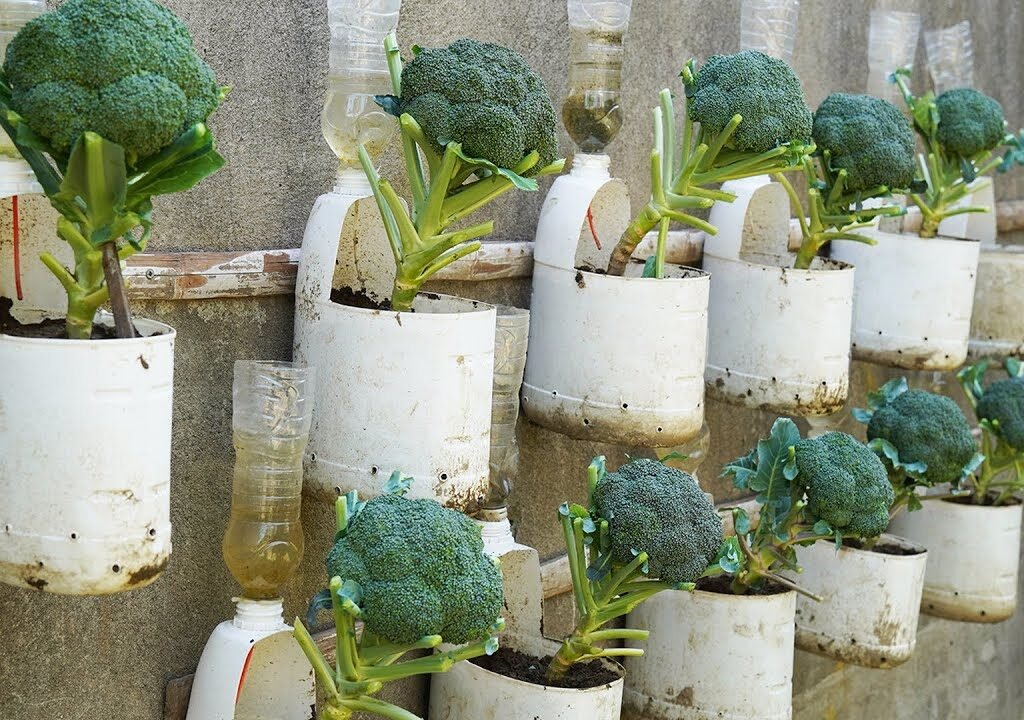
Transforming plastic bottles into mini garden containers is simple. Follow these steps:
- Clean the Bottles:
Wash thoroughly and remove any labels or residues to avoid chemical contamination. - Cut the Bottle:
Cut a rectangular opening along the side of the bottle for planting. Leave the bottom intact for drainage. - Add Drainage Holes:
Poke 4–5 small holes at the bottom to allow excess water to drain, preventing root rot. - Optional Hanging Setup:
Make holes near the top and thread string or wire to hang bottles vertically, saving terrace space. - Fill with Soil:
Add 4–5 inches of nutrient-rich potting soil, mixed with compost or perlite for aeration and drainage.
Your bottles are now ready for broccoli seeds or seedlings.
5. Choosing the Right Broccoli Variety
Selecting the right broccoli variety is key for terrace gardening:

- Calabrese Broccoli: Classic variety with large heads, ideal for container growth.
- Sprouting Broccoli: Produces smaller heads but multiple sprouts, great for continuous harvest.
- Tenderstem or Broccolini: Compact, fast-growing, perfect for small containers.
For terrace gardens, compact or dwarf varieties are recommended because they grow well in limited soil volume and smaller bottles.
6. Sowing Broccoli Seeds in Bottles
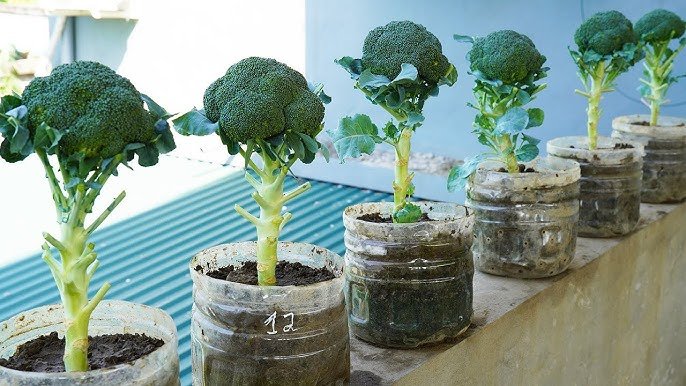
You can start broccoli either from seeds or seedlings. Starting from seeds is cost-effective and rewarding:
- Fill the bottle with potting soil and gently firm it.
- Plant seeds: Make small holes about ½ inch deep and place 1–2 seeds per hole.
- Cover lightly with soil and press gently.
- Water: Mist lightly to keep soil moist but not soggy.
- Provide sunlight: Place the bottles in a sunny terrace area with at least 4–6 hours of direct sunlight.
Seeds typically germinate in 5–10 days, producing tender seedlings ready for care and transplantation.
7. Transplanting Seedlings in Bottles
If you start broccoli seeds indoors, transplant seedlings to bottles when they have 2–3 true leaves:
- Dig a small hole in the soil-filled bottle for the seedling.
- Place the seedling gently into the hole and firm the soil around it.
- Water lightly to settle the roots.
- Provide light and air circulation: Sunlight and fresh air help the seedling grow strong.
Broccoli seedlings establish quickly in bottles and begin developing strong roots and leafy stems.
8. Caring for Broccoli in Plastic Bottles
Proper care ensures your terrace-grown broccoli thrives:

- Watering: Keep soil consistently moist. Bottles retain moisture but check daily.
- Light: 4–6 hours of sunlight is essential. Use grow lights if terrace sunlight is limited.
- Fertilization: Use organic fertilizer every 2 weeks to support strong head formation.
- Pruning: Remove yellowing leaves and lower leaves to encourage airflow and prevent disease.
- Support: As plants grow taller, you can use sticks or stakes to support them.
With consistent care, broccoli in bottles can produce healthy heads in just 60–90 days.
9. Preventing Pests and Diseases
Even on terraces, broccoli can face challenges:
- Aphids: Spray with neem oil or soapy water.
- Cabbage worms or caterpillars: Handpick or use organic deterrents.
- Fungal diseases: Ensure proper drainage, avoid waterlogging, and provide air circulation.
Regular inspection ensures your terrace broccoli stays healthy and productive.
10. Harvesting Broccoli
Knowing when to harvest is key for maximum flavor and nutrition:
- Main heads: Harvest when buds are tight and firm, before flowers open.
- Side shoots: After cutting the main head, side shoots continue to grow, giving multiple harvests.
- Timing: Typically 60–90 days after sowing, depending on the variety.
Harvesting correctly ensures continuous production and prevents the plant from bolting.
11. Advantages of Terrace Broccoli in Plastic Bottles
Growing broccoli on your terrace in bottles offers numerous benefits:

- Space-efficient: Ideal for apartments, rooftops, and small balconies.
- Eco-friendly: Reuses plastic bottles and promotes sustainable gardening.
- Cost-effective: Reduces grocery bills with fresh, homegrown vegetables.
- Healthy and organic: Pesticide-free and nutrient-rich.
- Educational: Teaches family members about gardening and sustainability.
This approach allows even city dwellers to enjoy fresh, organic broccoli at home.
12. Tips for Maximizing Yield
To get the best results from terrace bottle gardening:
- Grow multiple bottles to ensure a steady supply.
- Use succession planting by starting new seeds every 2–3 weeks.
- Provide consistent sunlight and regular watering.
- Rotate bottles to prevent uneven growth.
- Consider companion planting with herbs like basil or parsley for natural pest control.
With these techniques, you can turn a small terrace into a productive, eco-friendly vegetable garden.
13. Cooking Ideas for Homegrown Broccoli
Broccoli is versatile in the kitchen:
- Steamed or boiled: Simple and nutritious.
- Stir-fried: Combine with garlic, olive oil, and your favorite vegetables.
- Roasted: Toss with olive oil, salt, and pepper for a crispy texture.
- Soups and casseroles: Adds flavor and nutrients to various dishes.
- Salads: Use lightly steamed florets for fresh, crunchy salads.
Homegrown broccoli tastes fresher and is more flavorful than store-bought options.
14. Why Terrace Gardening is Perfect for Urban Living
Terrace gardening allows urban dwellers to enjoy fresh vegetables without needing a garden:

- Accessible and convenient: Grow food where space is limited.
- Water-efficient: Plastic bottles reduce water waste.
- Sunlight exposure: Roofs and terraces provide ideal sun for vegetable growth.
- Fresh and organic: Harvest vegetables at their peak nutritional value.
- Sustainable: Reduces plastic waste and promotes eco-friendly gardening.
Even small terraces can produce enough broccoli for regular family meals.
Conclusion
Growing broccoli on your terrace using plastic bottles is easy, sustainable, and rewarding. By following the steps for planting, caring, and harvesting, you can enjoy fresh, organic broccoli even in urban spaces. Plastic bottle gardening is not only eco-friendly but also space-efficient and cost-effective, making it perfect for city dwellers and beginners.
With consistent watering, sunlight, and attention to pests, your terrace broccoli will thrive, providing nutritious heads and side shoots for months. Start your plastic bottle broccoli garden today and experience the joy and satisfaction of growing your own healthy vegetables at home.

Leave A Comment