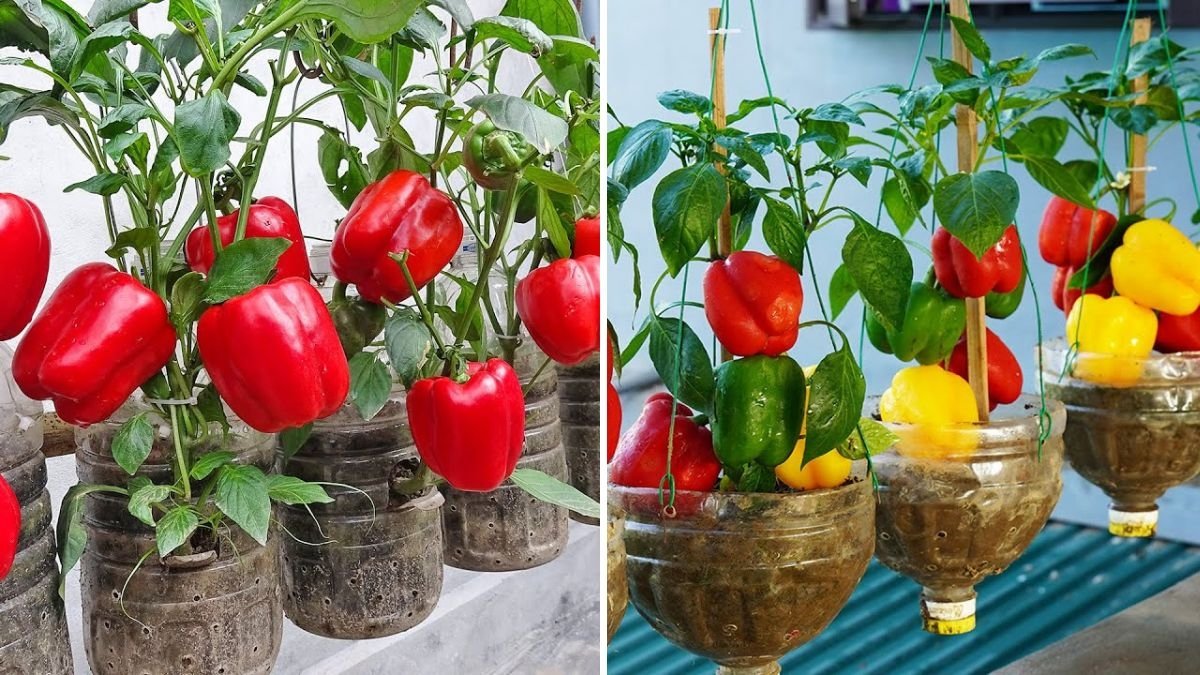
Bell peppers, also known as capsicum, are one of the most versatile and popular vegetables grown in home gardens. Their crisp texture, vibrant colors, and rich nutritional profile — including vitamins A, C, and antioxidants — make them a favorite in kitchens worldwide. Traditionally, bell peppers require garden space, nutrient-rich soil, and careful maintenance to thrive.
However, modern gardening techniques have introduced innovative ways to grow bell peppers in small spaces, using recycled materials like plastic bottles. This method is eco-friendly, cost-effective, and surprisingly effective, allowing anyone to grow healthy, high-yield bell pepper plants, even in apartments, balconies, or rooftops. In this blog, we explore step-by-step guidance on growing bell peppers in recycled plastic bottles, ensuring maximum yield and fruit quality.
Step 1: Selecting the Right Bell Pepper Varieties
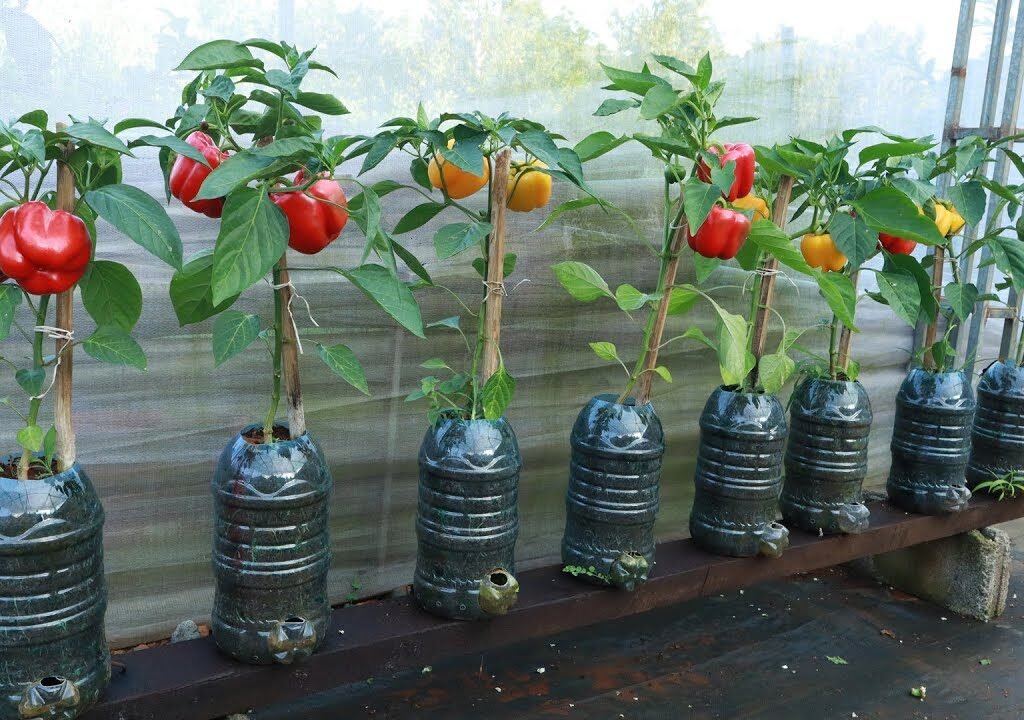
Choosing the right variety is critical for container gardening success:
- Compact Varieties: For bottle gardening, dwarf or bush-type bell peppers are ideal because they don’t require extensive space.
- Color Preferences: Depending on your preference, choose red, yellow, orange, or green varieties. Some varieties change color as they ripen, giving you multiple harvest options.
- High-Yield Varieties: Certain hybrids are bred for high fruit production, disease resistance, and uniform growth, perfect for limited spaces.
The right variety ensures strong plants, more fruits, and easier care.
Step 2: Preparing Recycled Plastic Bottles
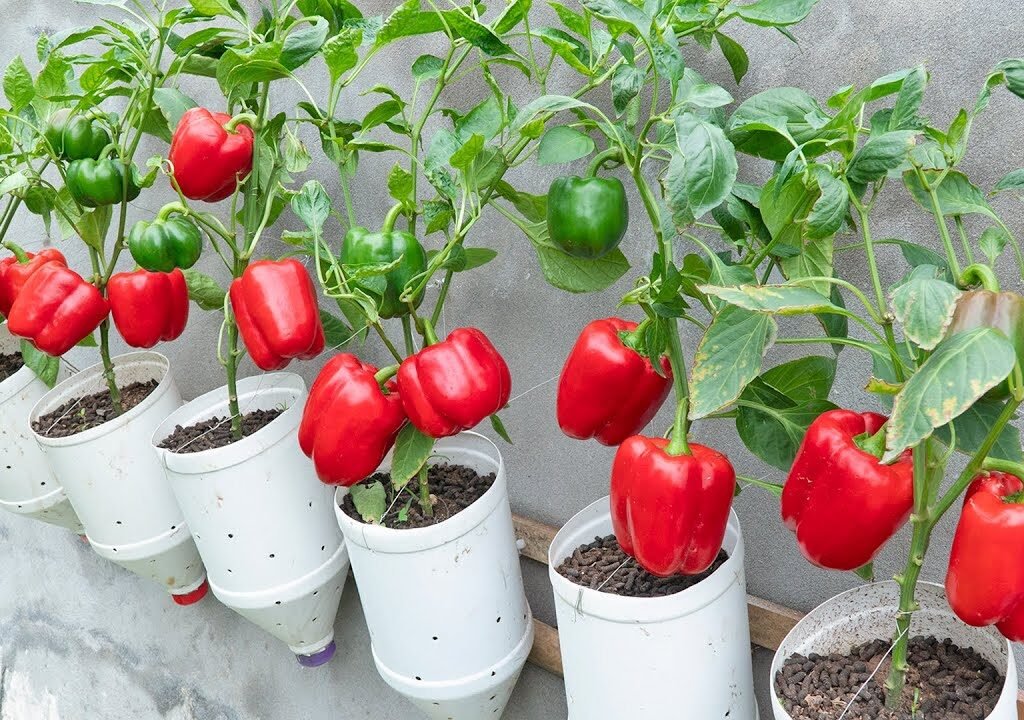
Plastic bottles provide an inexpensive and reusable planting container, perfect for small-space gardening:
- Bottle Size: Use 2–5 liter bottles depending on the size of the plant. Larger bottles support deeper root growth and better fruiting.
- Drainage Holes: Drill 3–5 holes at the bottom to prevent waterlogging and root rot.
- Aeration Holes: Optional small side holes improve airflow and prevent root suffocation.
- Sunlight Protection: Transparent bottles may expose roots to sunlight; paint them or wrap them in cloth to prevent damage.
- Placement: Arrange bottles vertically, hang them, or place them on shelves to maximize space efficiency.
Properly prepared bottles create a healthy micro-environment for bell pepper roots to thrive.
Step 3: Choosing the Right Growing Medium
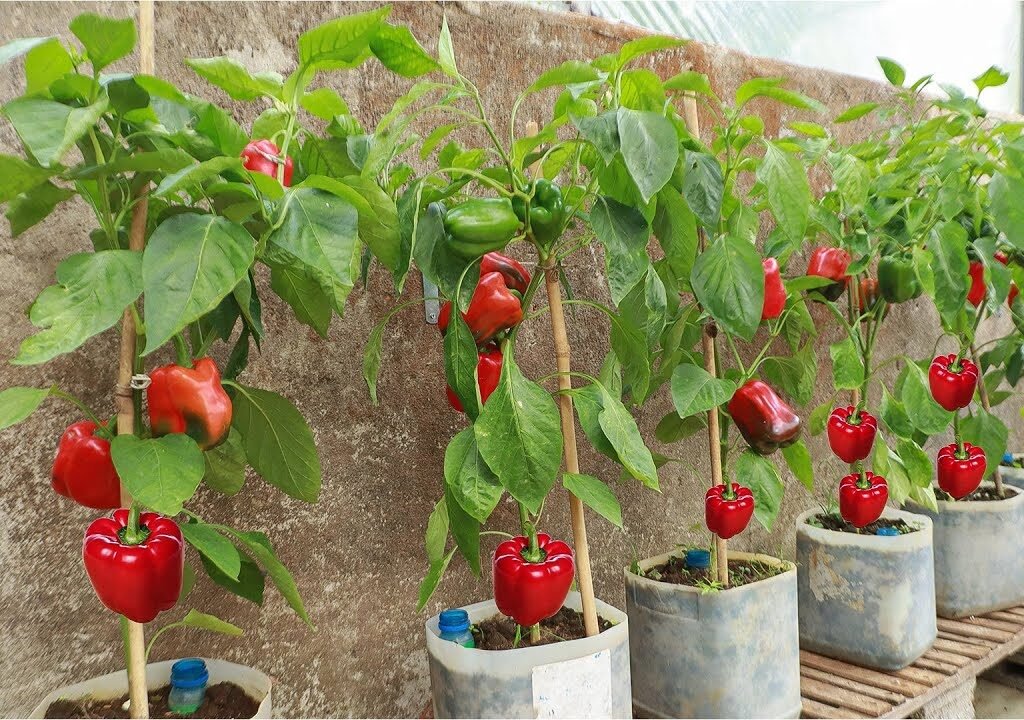
Bell peppers thrive in well-draining, fertile soil:
- Soil Mix: Combine garden soil, compost, and perlite or vermiculite to provide nutrients and aeration.
- Organic Fertilizers: Add decomposed cow manure, vermicompost, or compost for slow-release nutrients.
- Soil pH: Bell peppers prefer slightly acidic to neutral soil, ideally between pH 6.0 and 7.0.
- Moisture Retention: The medium should retain sufficient moisture without waterlogging the roots.
A balanced medium promotes strong root growth and higher fruit production.
Step 4: Planting Seeds or Seedlings
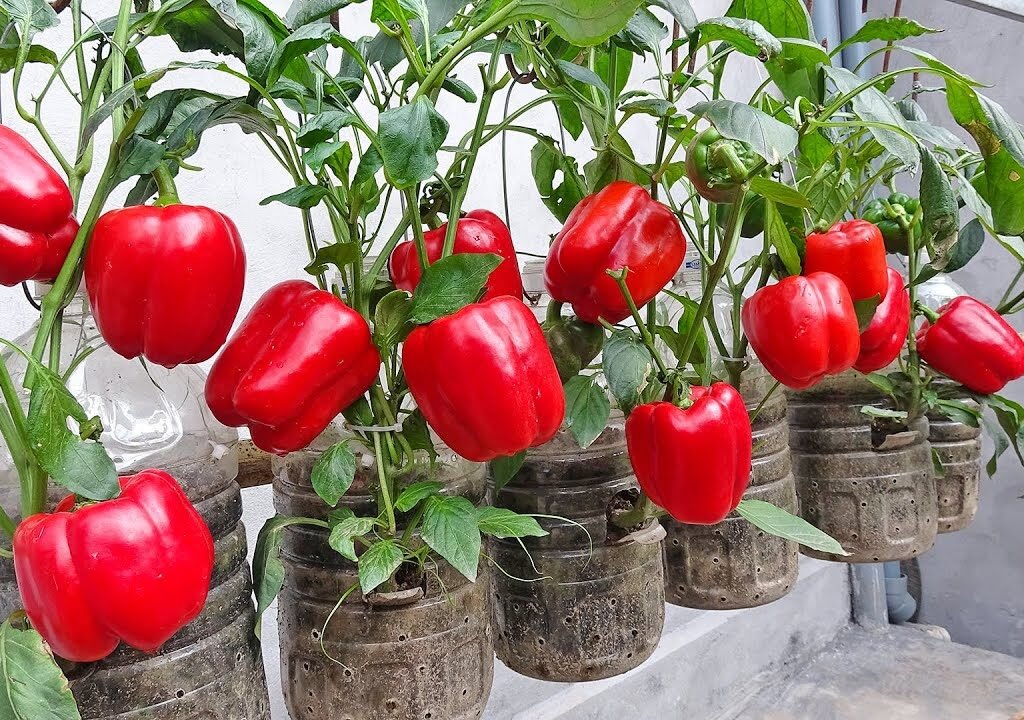
Once bottles and soil are ready, it’s time to plant:
- Seed Sowing: Fill bottles with soil, plant 2–3 seeds per bottle, and cover lightly with soil. Water gently to keep soil moist.
- Transplanting Seedlings: If using nursery seedlings, dig a hole in the soil and place the seedling carefully, firming the soil around the roots.
- Spacing: One plant per bottle is ideal for proper airflow and growth.
- Light Requirements: Bell peppers need 6–8 hours of sunlight daily. Place bottles in sunny spots or supplement with grow lights if indoors.
Healthy seedlings are crucial for maximum fruiting and high yields.
Step 5: Watering Techniques
Watering is critical for bell pepper growth in bottles:
- Consistent Moisture: Keep the soil evenly moist, avoiding overwatering or drought.
- Bottom Watering: Water from the base to encourage deep root growth and reduce leaf disease risk.
- Drainage: Ensure excess water can escape from the bottom holes to prevent root rot.
- Frequency: Water every 2–3 days, adjusting according to climate, bottle size, and soil moisture.
Proper watering supports flowering, fruiting, and healthy leaf growth.
Step 6: Fertilization and Nutrient Management
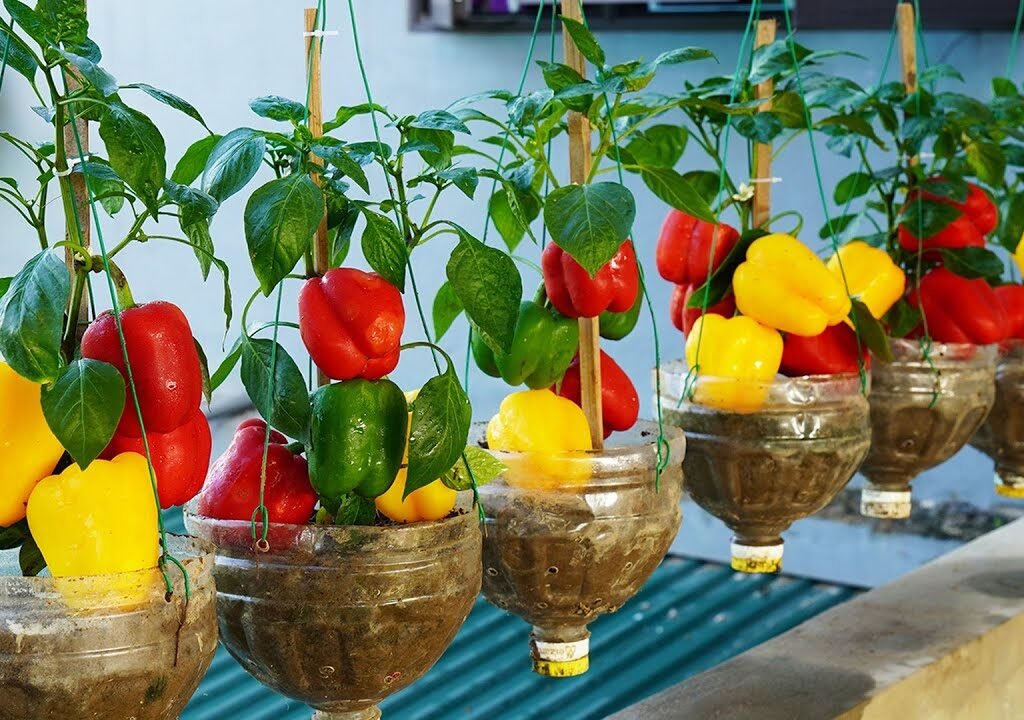
Bell peppers are nutrient-demanding, especially when grown in containers:
- Organic Fertilizers: Apply compost, vermicompost, or cow manure regularly.
- Liquid Fertilizers: Use balanced NPK fertilizers or liquid fertilizers every 2–3 weeks for sustained growth.
- Flowering and Fruiting Boosters: High phosphorus and potassium fertilizers encourage flowering and improve fruit size and quantity.
- Micronutrients: Calcium prevents blossom-end rot, and magnesium ensures lush foliage.
Balanced fertilization leads to multiple fruits and a long harvest period.
Step 7: Supporting Bell Pepper Plants
Bottle-grown bell peppers may need support due to limited space and fruit weight:
- Stakes or Bamboo Poles: Use stakes to keep plants upright and prevent stem breakage.
- Pruning: Remove lower leaves and early flowers to direct plant energy toward fruit development.
- Tying: Gently tie stems to stakes or supports for extra stability.
Supporting plants ensures maximum fruit production and healthier growth.
Step 8: Pollination Tips
Bell peppers are self-pollinating, but assistance can improve yield:
- Manual Pollination: Tap flowers or use a small brush to transfer pollen.
- Air Circulation: Good airflow helps flowers self-pollinate effectively.
- Attract Pollinators: Place flowering plants nearby or allow natural insects if outdoors.
Proper pollination increases fruit set and improves overall yield.
Step 9: Pest and Disease Management
Bottled bell peppers are less prone to soil-borne diseases, but vigilance is still important:
- Common Pests: Aphids, whiteflies, and spider mites.
- Organic Controls: Neem oil, insecticidal soap, or introducing natural predators like ladybugs.
- Disease Prevention: Avoid waterlogging, ensure proper spacing, and remove infected leaves promptly.
- Monitoring: Check plants regularly for yellow leaves, spots, or unusual growth patterns.
Healthy, pest-free plants produce more fruits over a longer period.
Step 10: Flowering and Fruit Development
Bell peppers generally begin flowering 8–12 weeks after planting:
- Flower Care: Avoid excessive nitrogen fertilizers during flowering to encourage fruit set.
- Fruit Formation: Each flower can develop into a pepper; remove any damaged or deformed fruits early.
- Continuous Harvest: Regular care ensures the plant keeps flowering and producing fruits for months.
Healthy flowers directly translate into multiple bell peppers per plant.
Step 11: Harvesting Bell Peppers
Proper harvesting ensures quality and continuous production:
- Timing: Harvest peppers when they reach desired size and color. Green peppers are often harvested first; red or yellow peppers are sweeter and hotter.
- Technique: Use scissors or gently twist peppers from the stem, leaving a small stem attached to prolong shelf life.
- Frequency: Check plants every 2–3 days during peak production to encourage more flowering and fruiting.
Frequent harvesting ensures maximum yield and sustained plant health.
Step 12: Year-Round Harvest Tips
With proper care, bell peppers can provide fruits all year round:
- Indoor Gardening: During winter or low-light periods, move bottles indoors or under grow lights.
- Temperature Control: Bell peppers grow best at 20–28°C; avoid frost or extreme heat.
- Regular Fertilization: Continue providing nutrients during all seasons to support growth.
- Pruning and Plant Maintenance: Remove old leaves and small non-productive fruits to stimulate continuous growth.
By following these tips, gardeners can enjoy a continuous supply of fresh bell peppers year-round.
Step 13: Benefits of Growing Bell Peppers in Plastic Bottles
- Eco-Friendly: Reuse plastic bottles, reducing waste.
- Space-Efficient: Ideal for small apartments, balconies, and rooftops.
- Cost-Effective: Avoid purchasing expensive pots.
- Control Over Growth: Easier to manage water, nutrients, and pests.
- High Yield: Proper care results in multiple fruits per plant.
This method combines sustainability, convenience, and productivity for home gardeners.
Conclusion
Growing bell peppers in recycled plastic bottles is a simple, effective, and environmentally friendly method for producing fresh, high-yield vegetables in limited spaces. By selecting the right varieties, preparing bottles, managing soil, watering, fertilization, supporting plants, and regular harvesting, anyone can enjoy a continuous supply of healthy bell peppers.
This approach not only reduces waste and costs but also empowers gardeners to grow their own food efficiently. With careful attention to pollination, pest control, and pruning, bottle-grown bell peppers can thrive just as well as those grown in traditional garden beds, often producing multiple harvests throughout the year.
Key Takeaway:
Recycled plastic bottles are a practical and surprisingly effective container for bell pepper cultivation, allowing gardeners to achieve maximum fruit production and year-round harvests with minimal space and resources.

Leave A Comment